









Crisis Leadership Case Study: Mutiny at the Club Analysis
Explore crisis leadership, group dynamics, and emergent authority through this detailed case study on systemic failure and organizational recovery.
Case Study: Mutiny at the Club
An Analysis of Crisis Leadership, Group Dynamics, and Authority Recovery
The Context: Systemic Breakdown
Service Collapse: Formal system fails with no responsible personnel available.
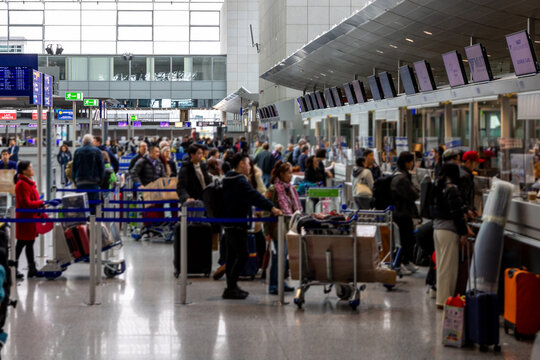
Communication Void: Group faces uncertainty with no boarding info or bus transport.
High Anxiety: Late-night arrival and disorganized customs create collective stress.
Emergent Leadership: The Rise of Sylvie
Why Sylvie?
Restores Structure: Actively seeks info and organizes logistics (taxis, keys).
Reduces Uncertainty: Intervenes with customs and mediates seat conflicts.
Legitimacy Source: Based on competence and problem-solving, not formal title.
The Crisis Timeline (5 PM - 11 AM)
An accumulation of stress driven by deprivation and service failure:
Deprivation: No food or drink provided for over 18 hours.
Loss of Control: Unexplained 2-hour stopover produces strong anxiety.
Escalation: Fatigue turns into collective tension during luggage chaos.
Group Dynamics: Principles at Play
Shared Adversity
Hardship creates a strong 'We' vs. 'Them' alignment against the club.
Informal Roles
Crisis demands structure; group appoints helpers for keys/transport.
Rapid Norms
Coordinated behaviors are accepted instantly if they restore predictability.
The Disqualification of the Director
Absenteeism: Missing during critical failure points (airport, late-night arrival).
Competence Gap: Failed to solve urgent problems that the group solved themselves.
Inappropriate Response: Proposed games instead of acknowledging anger/fatigue.
Legitimacy: Formal vs. Performance-Based
The Director (Formal)
Relies on title and official hierarchy. Absent when needed. Ignores group connection.
Sylvie (Informal)
Relies on demonstrated competence. Present and active in crisis. Reduces group uncertainty.
Recovery Strategy: Restoring Authority
1. Radical Accountability
Acknowledge failures publicly, apologize clearly, and validate the group's frustration.
2. Signal Fairness
Offer concrete compensation (upgrades, excursions) to rebuild trust through reciprocity.
Recovery Strategy: Co-Management
Channel Self-Organization: Formalize the informal leaders (e.g., Sylvie) as representatives.
Daily Alignment: Institute short daily briefings to align expectations and schedules.
Defined Autonomy: Offer flexibility in activities while strictly defining non-negotiable safety/logistic boundaries.
Key Takeaways
Nature Abhors a Vacuum: In crisis, if formal leadership is absent, informal leadership (Sylvie) inevitably emerges.
Legitimacy is Earned: Authority depends on solving specific problems (competence), not just rank.
Communication is Key: Ignoring emotions (lack of validation) accelerates the loss of control.
The Path to Repair: Rebuilding authority requires accountability, co-management, and fairness.
Q&A
Discussion & Questions
- leadership
- crisis-management
- group-dynamics
- organizational-behavior
- case-study
- emergent-leadership