





Made byBobr AI

Understanding Diabetes: Key Facts, Types, and Prevention

A simple guide to diabetes covering Type 1 and Type 2 differences, warning signs, health risks, and effective prevention and management strategies.

#diabetes#health-education#type-2-prevention#insulin#wellness#chronic-disease-management
Watch
Pitch

Diabetes: What It Is & Why It Matters

A Simple Guide for Everyone

vector illustration of a diverse group of happy healthy people of different ages standing together, flat design, soft blue and green colors, white background, clean medical education style
Made byBobr AI

What is Diabetes?

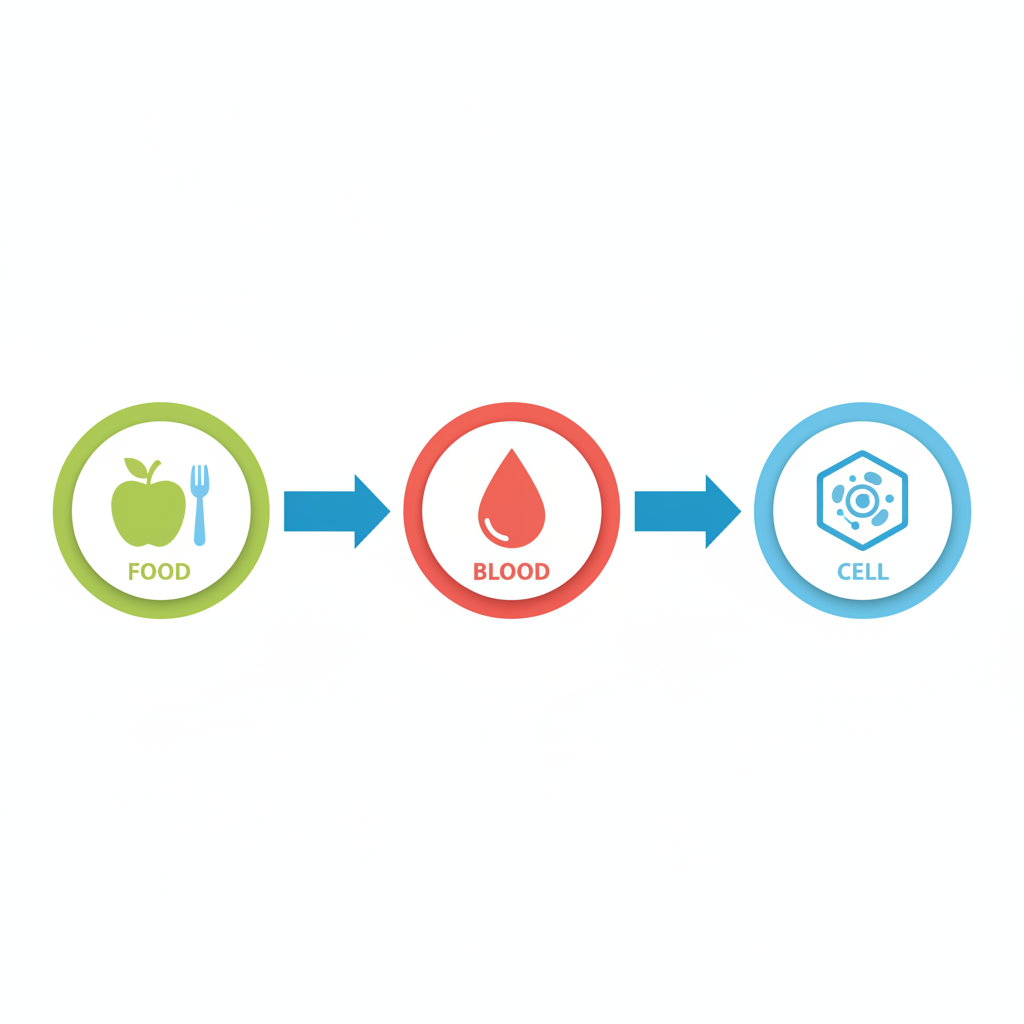
  • We eat food → Body turns it into Glucose (Sugar)
  • Insulin is the 'Key' that unlocks cells
  • Cells open → Sugar enters for Energy
simple diagram showing flow: food icon arrow to blood drop arrow to cell, minimal infographic style, bright clean colors
Made byBobr AI

The Lock & Key Metaphor

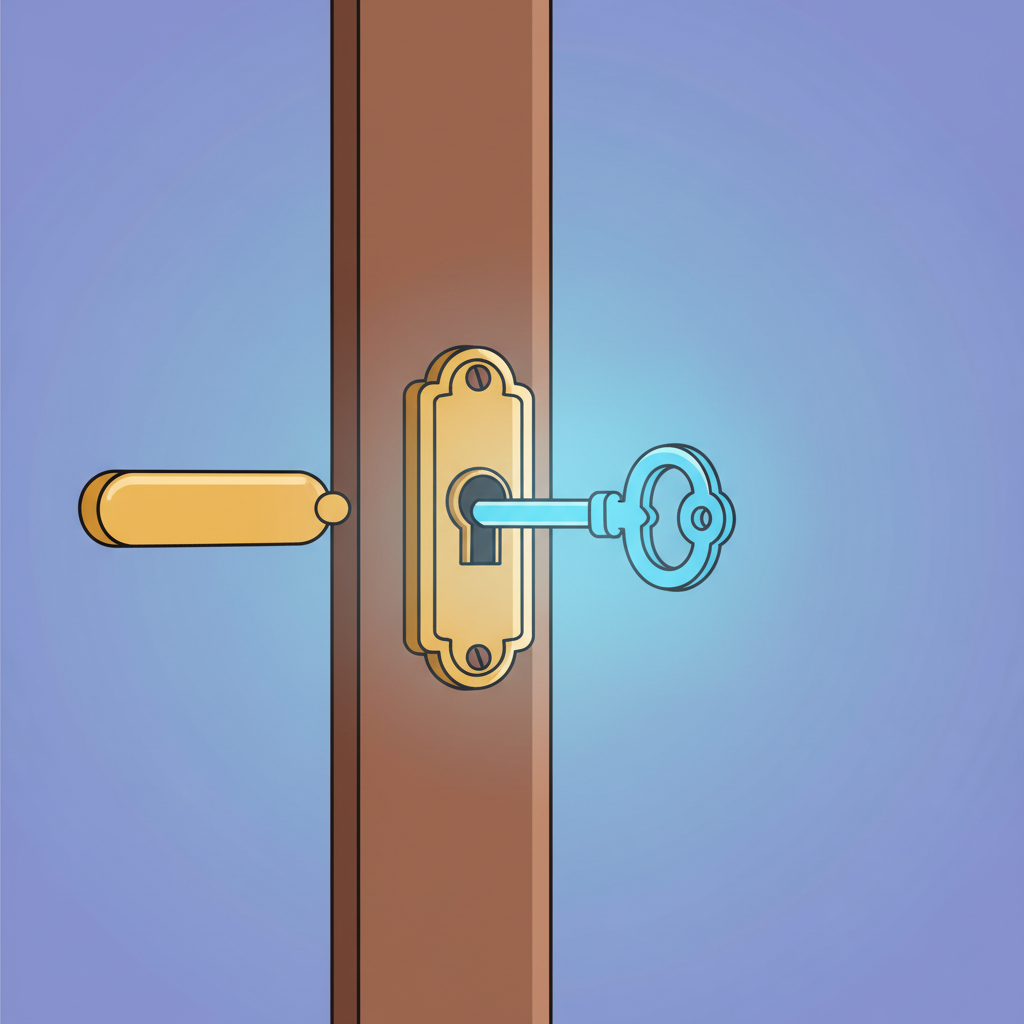
Think of your cells as rooms. Insulin is the KEY. With diabetes, the key is either broken or missing, so sugar piles up outside the door.

illustration of a door with a lock and a key, simple vector style, the key is glowing blue
Made byBobr AI

The Two Main Types

Type 2 is significantly more common than Type 1.

Chart
Type 1: Body stops making insulin.
Type 2: Body creates insulin but uses it poorly.
Made byBobr AI

Why Do We Care? (The Risks)

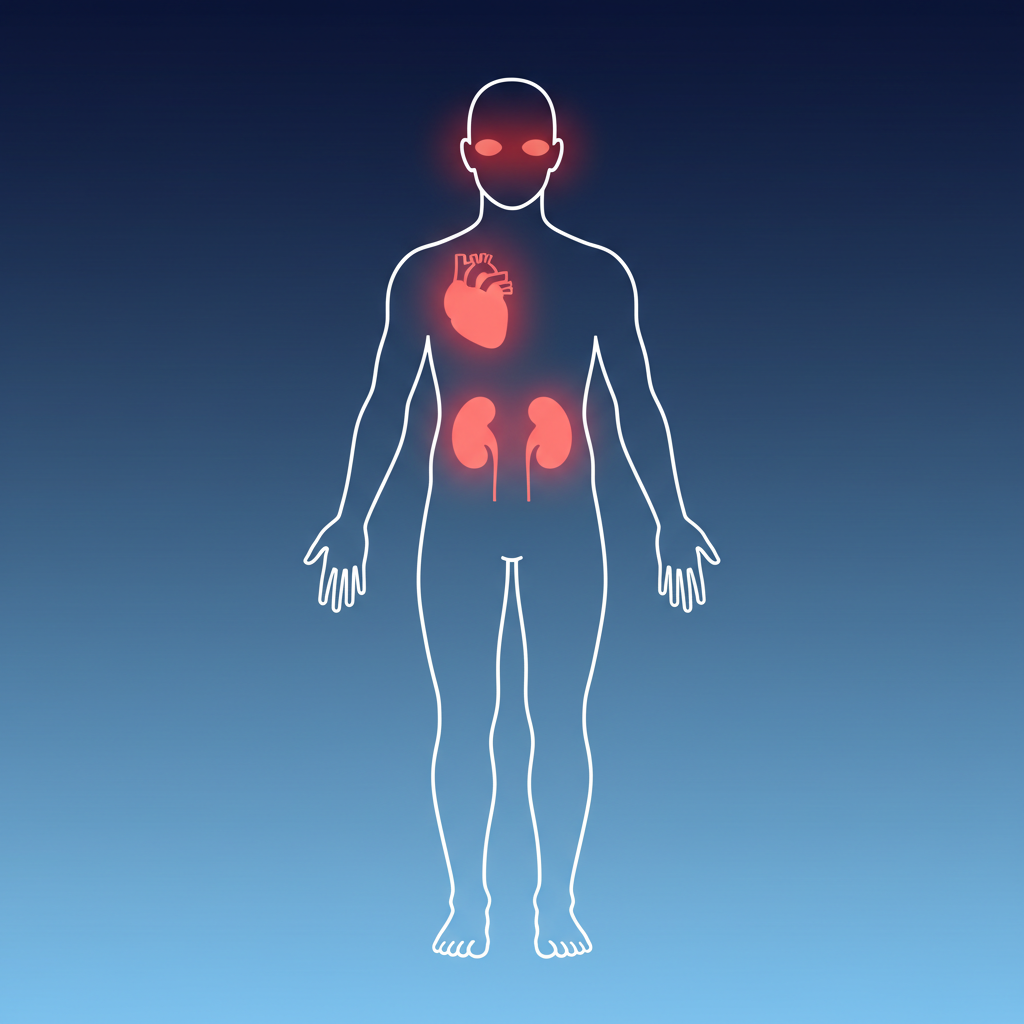
High Sugar = Slow Rust

Heart: Increased risk of disease & stroke

Eyes: Vision problems or blindness

Kidneys: Damage to filtration

Nerves: Loss of feeling, foot issues
clean outline of human body with heart, eyes, kidneys, and feet highlighted in soft red, vector graphics style
Made byBobr AI

Type 1 & 2 Warning Signs

Remember the 4 T's

icon of a drop of water representing thirst, flat vector blue circle

Thirsty

icon representing toilet or bathroom, flat vector blue circle

Toilet (Frequent)

icon of a battery with low charge representing tired, flat vector blue circle

Tired

icon representing weight loss or slim waist, flat vector blue circle

Thinner

Made byBobr AI

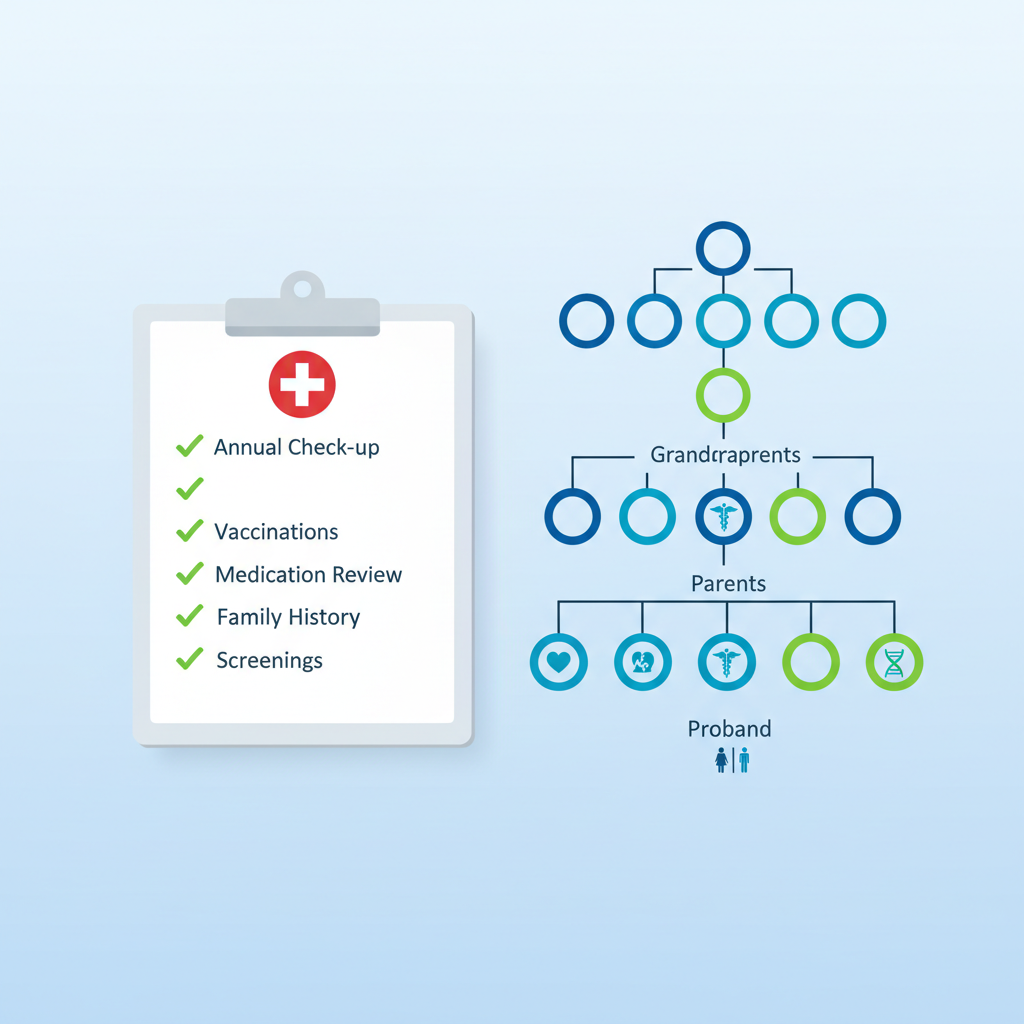
Who Should Get Checked?

Common Risk Factors for Type 2:

  • Age 45 or older
  • Family history of diabetes
  • Overweight
  • Physically active less than 3 times a week
illustration of a medical checklist and a family tree, flat vector design, clean
Made byBobr AI
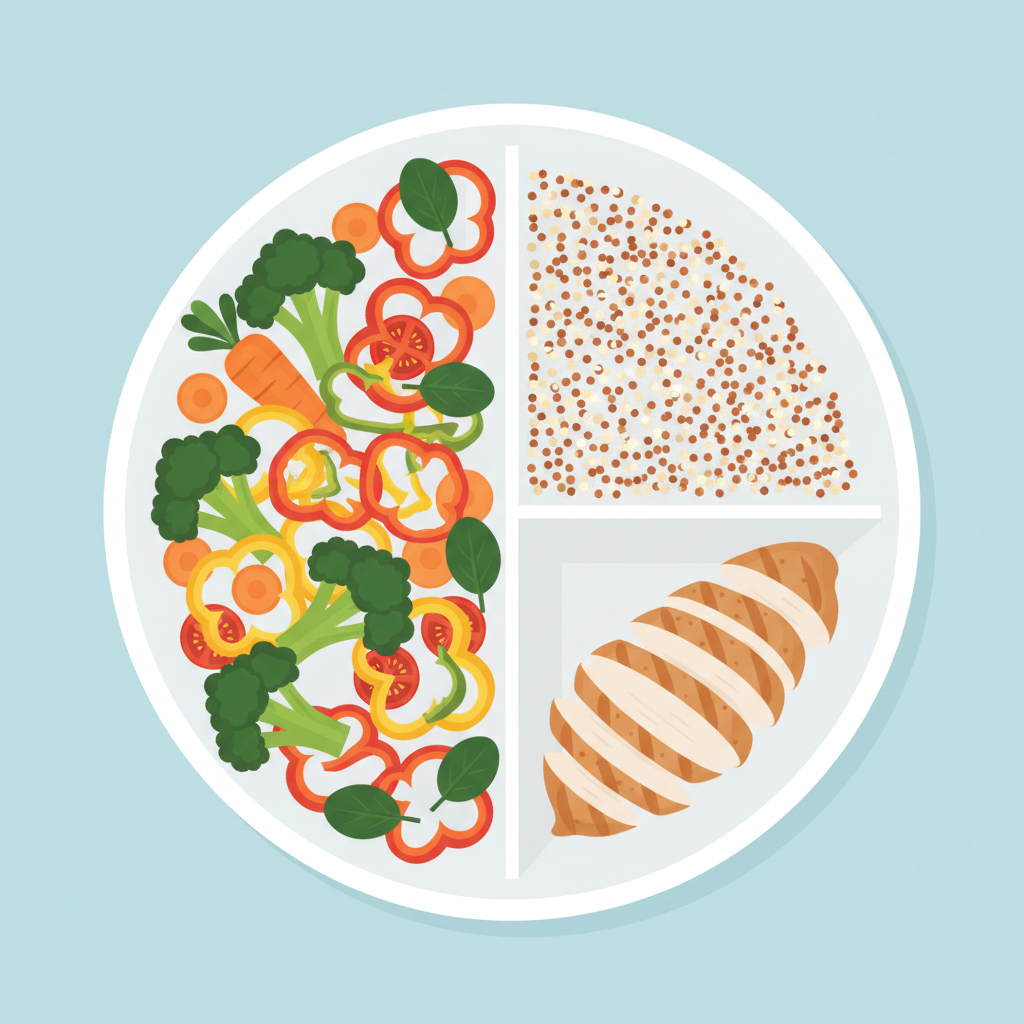
healthy balanced meal plate graphic with vegetables, lean protein and grains 50/25/25 split, flat illustration

Prevention: You Have Power

✅ Healthy Eating: More veggies, less sugar
✅ Regular Activity: 30 minutes of walking
✅ Weight Management: Small changes add up
Made byBobr AI

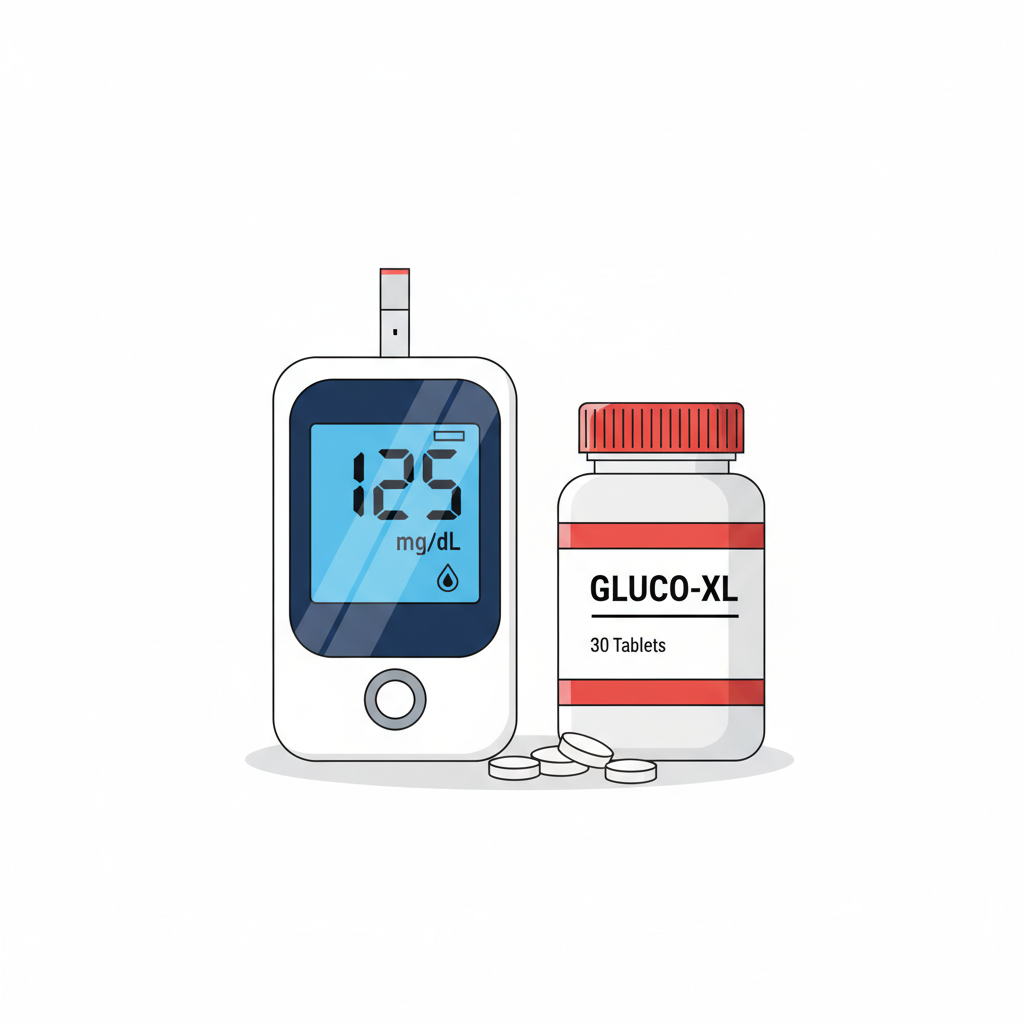
Management: Staying on Track

For those living with diabetes, management is key.

1. Monitoring
Check blood sugar levels regularly.
2. Medicine
Insulin or pills as prescribed.
3. Meals & Movement
Balance carbs and stay active.
illustration of a modern glucose monitor device and a pill bottle, flat vector design
Made byBobr AI

How to Be Supportive

Educate yourself to fight stigma.

Be supportive, not judgmental.

Encourage healthy choices as a family.

Offer to join in on walks or healthy meals.
illustration of two hands shaking or a person helping another, warm friendly colors, flat vector
Made byBobr AI

Key Takeaways

• Diabetes is a problem with insulin and blood sugar.

• It is serious but manageable.

• Type 2 is largely preventable through lifestyle.

Thank You! Any Questions?

Made byBobr AI
Bobr AI

DESIGNER-MADE
PRESENTATION,
GENERATED FROM
YOUR PROMPT

Create your own professional slide deck with real images, data charts, and unique design in under a minute.

Generate For Free

Understanding Diabetes: Key Facts, Types, and Prevention

A simple guide to diabetes covering Type 1 and Type 2 differences, warning signs, health risks, and effective prevention and management strategies.

Diabetes: What It Is & Why It Matters

A Simple Guide for Everyone

What is Diabetes?

We eat food → Body turns it into Glucose (Sugar)

Insulin is the 'Key' that unlocks cells

Cells open → Sugar enters for Energy

The Lock & Key Metaphor

Think of your cells as rooms. Insulin is the KEY. With diabetes, the key is either broken or missing, so sugar piles up outside the door.

The Two Main Types

Type 2 is significantly more common than Type 1.

Type 1: Body stops making insulin.<br>Type 2: Body creates insulin but uses it poorly.

Why Do We Care? (The Risks)

High Sugar = Slow Rust

Heart: Increased risk of disease & stroke<br><br>Eyes: Vision problems or blindness<br><br>Kidneys: Damage to filtration<br><br>Nerves: Loss of feeling, foot issues

Type 1 & 2 Warning Signs

Remember the 4 T's

Thirsty

Toilet (Frequent)

Tired

Thinner

Who Should Get Checked?

Common Risk Factors for Type 2:

Age 45 or older

Family history of diabetes

Overweight

Physically active less than 3 times a week

Prevention: You Have Power

Healthy Eating: More veggies, less sugar

Regular Activity: 30 minutes of walking

Weight Management: Small changes add up

Management: Staying on Track

For those living with diabetes, management is key.

Monitoring

Check blood sugar levels regularly.

Medicine

Insulin or pills as prescribed.

Meals & Movement

Balance carbs and stay active.

How to Be Supportive

Educate yourself to fight stigma.<br><br>Be supportive, not judgmental.<br><br>Encourage healthy choices as a family.<br><br>Offer to join in on walks or healthy meals.

Key Takeaways

Diabetes is a problem with insulin and blood sugar.

It is serious but manageable.

Type 2 is largely preventable through lifestyle.

Thank You! Any Questions?

  • diabetes
  • health-education
  • type-2-prevention
  • insulin
  • wellness
  • chronic-disease-management