
Made byBobr AI

MRKH Syndrome: Uterovaginal Aplasia & Ovarian Function

Explore clinical findings, embryology, and management of Müllerian agenesis (MRKH), including primary amenorrhea diagnosis and neovagina creation methods.

#mrkh-syndrome#mullerian-agenesis#reproductive-endocrinology#primary-amenorrhea#gynecology#embryology#karyotype-46xx

Clinical Overview: Müllerian Agenesis Spectrum

Anatomical Findings, Physiology, and Genetic Profile

Department of Reproductive Endocrinology & Infertility

Made byBobr AI

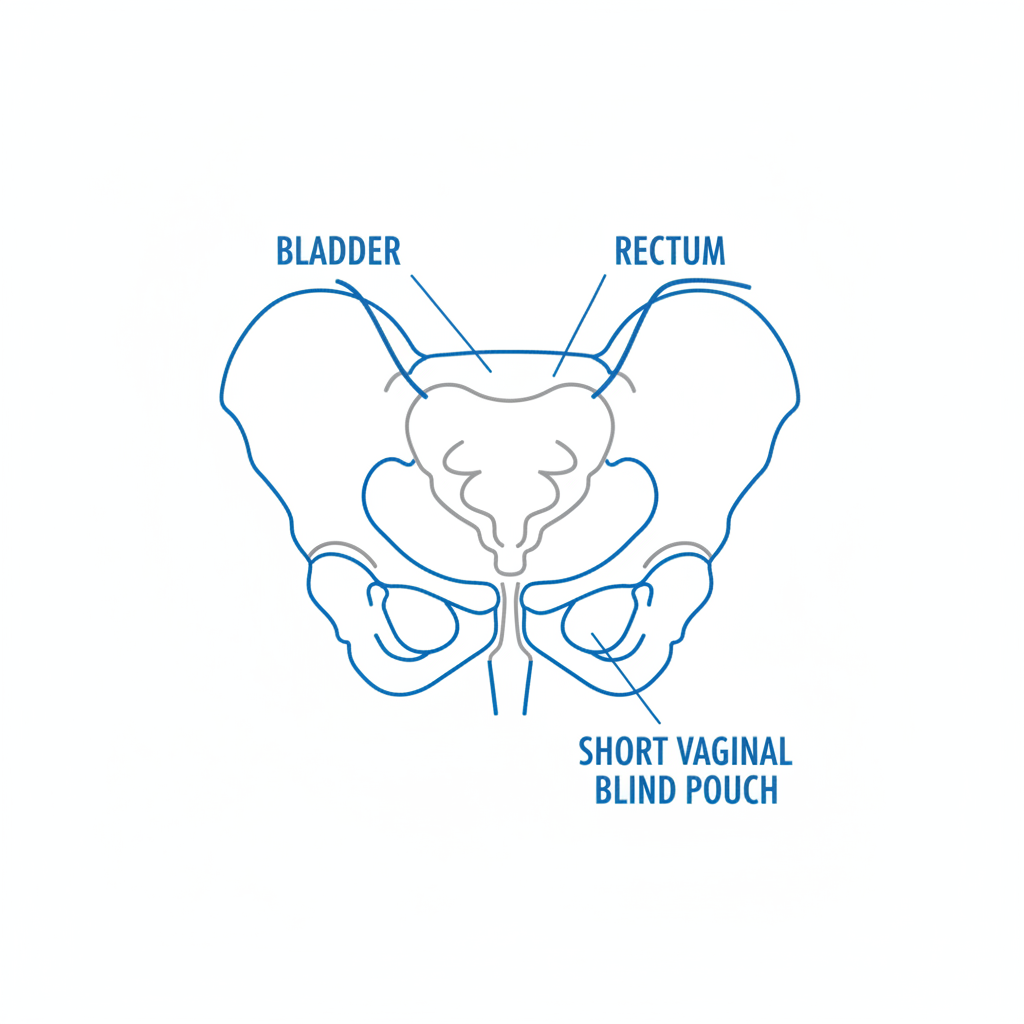
Anatomical Defect: Uterine & Vaginal Aplasia

  • Primary Finding: Complete absence of the uterus and cervix (Uterine Aplasia).
  • Vaginal Finding: Absence of the upper 2/3 of the vagina, presenting as a shortened vaginal pouch (2-4 cm deep).
  • Etiology: Failure of the Müllerian ducts to fuse and develop during embryogenesis.
Schematic medical diagram showing sagittal view of female pelvis with aplasia of uterus and upper vagina. Show a shortened vaginal blind pouch. Simple clean line art, blue and grey colors, minimal labels.
Made byBobr AI
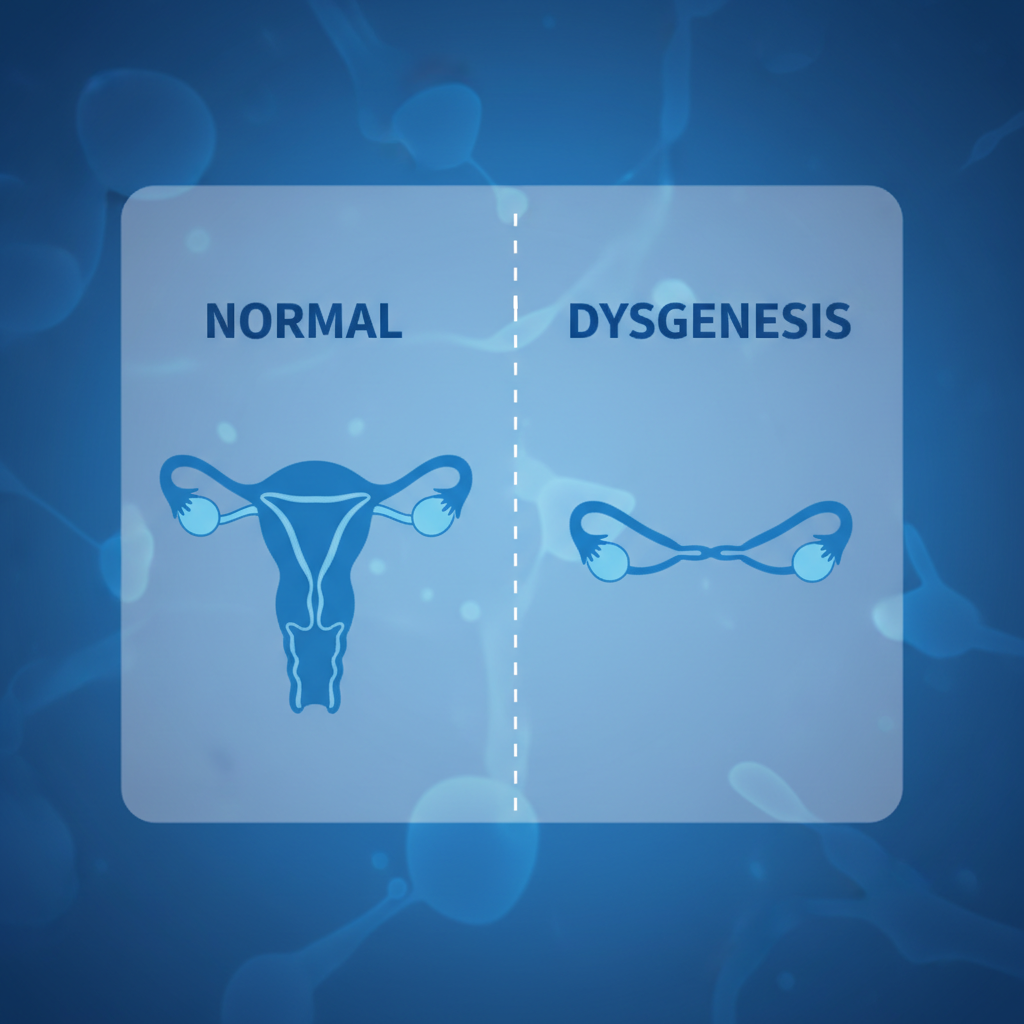
Medical diagram comparing 'Normal' vs 'Dysgenesis' of Müllerian ducts. Left side: Normal fusion of ducts to form uterus. Right side: Failure of fusion, showing two rudimentary buds or fibrous bands instead of a uterus. Coronal view. Clean schematic, blue tones.

Embryology: Müllerian Dysgenesis

  • Developmental Arrest: Interruption occurs approx. 7 weeks of gestation.
  • Mechanism: Failure of the paired Müllerian (paramesonephric) ducts to fuse, canalize, and develop into the uterus/cervix.
  • Outcome: Formation of rudimentary uterine horns (cornua) connected by a fibrous band, or complete absence.
Made byBobr AI

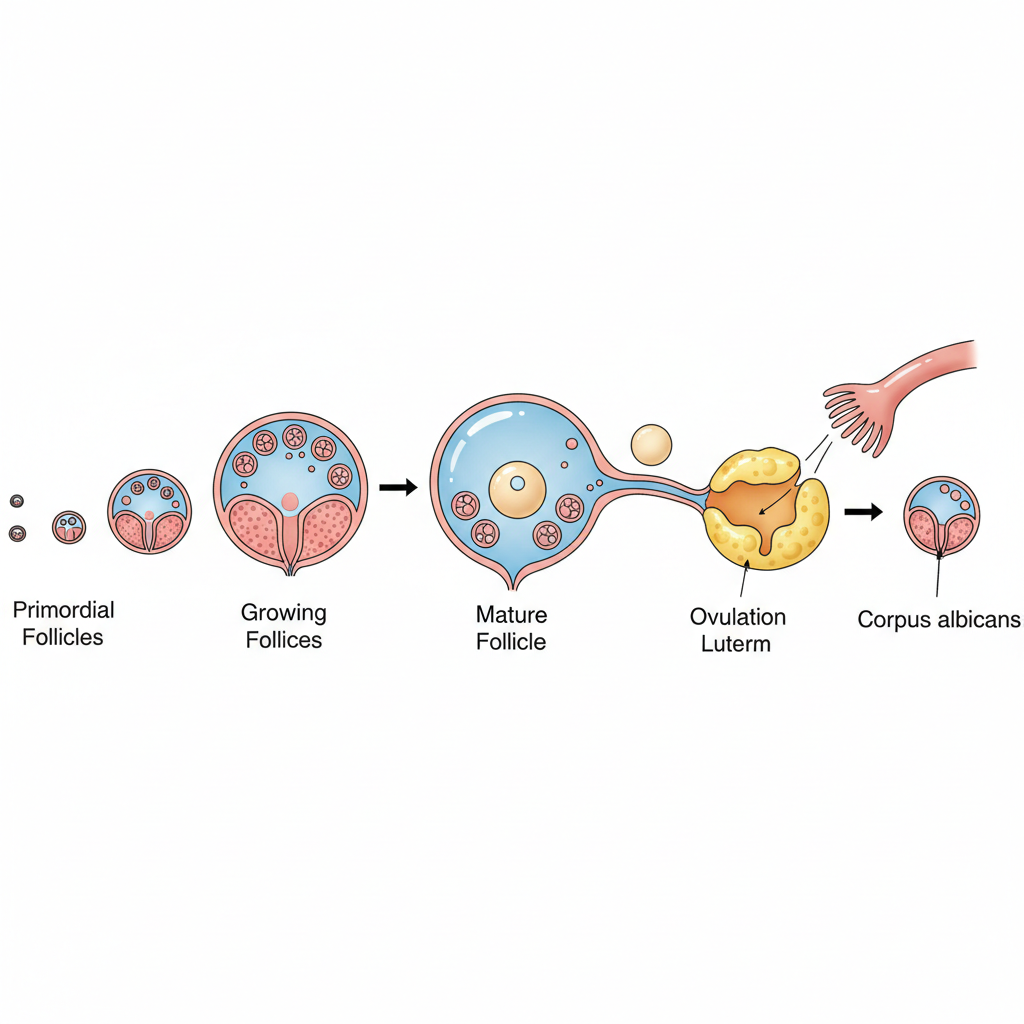
Physiology: Normal Ovarian Function

Despite uterine aplasia, ovaries are embryologically distinct and usually functionally normal.

Medical illustration of the ovarian cycle showing folliculogenesis, mature follicle, ovulation event, and corpus luteum. Clean scientific diagram style, white background.

1. Normal Folliculogenesis: Recruitment and maturation of follicles occurs cyclically.

2. Normal Ovulation: Regular release of oocytes confirms functional hypothalamic-pituitary-gonadal axis.

3. Endocrine Profile: Normal levels of FSH, LH, Estradiol, and Progesterone.

Made byBobr AI

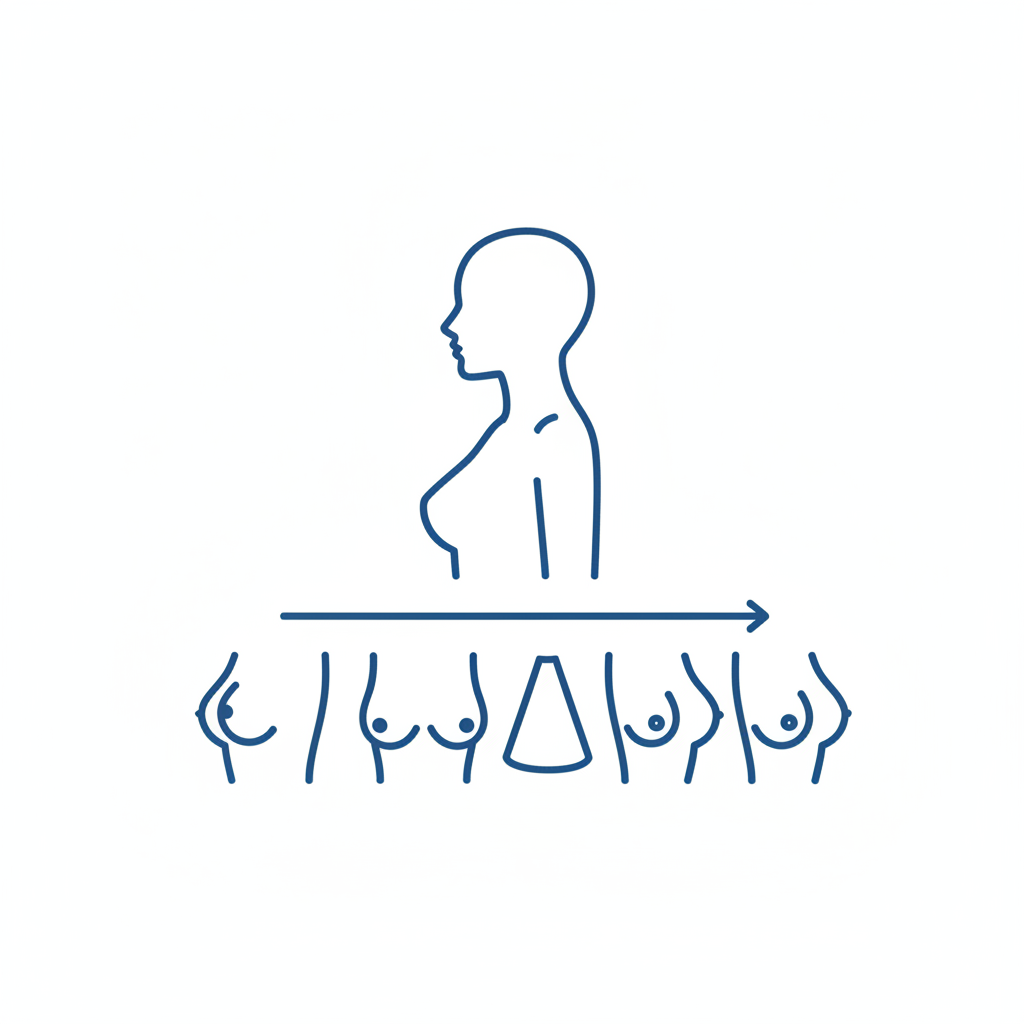
Clinical Exam: Secondary Sexual Characteristics

Patient presents with normal female phenotype appropriate for age.

Schematic icon representing female secondary sexual characteristics, showing outline of female figure with breast development stages. Medical infographic style, minimal, blue lines.

Breast Development

Normal breast growth (Thelarche) indicating functional estrogen production. Usually Tanner Stage 4 or 5 at presentation.

Pubic/Axillary Hair

Normal hair distribution (Pubarche/Adrenarche) indicating appropriate androgen responsiveness.

Made byBobr AI

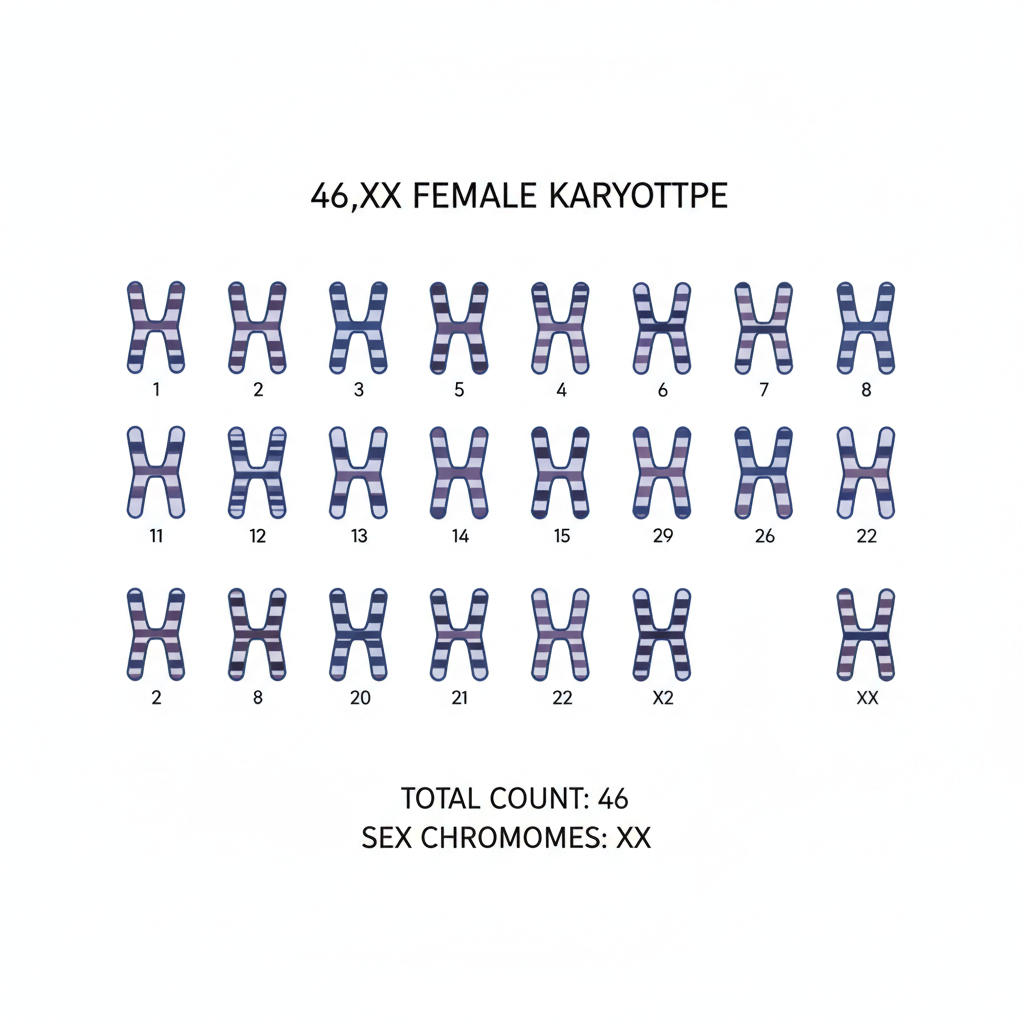
Genetic Profile: Normal Karyotype (46,XX)

Diagnostic Utility

Chromosomal Analysis: Distinguishes this condition from Androgen Insensitivity Syndrome (46,XY).

Genetic Status

Implication: Genetic sex matches phenotypic sex. Patient is genetically female.

46,XX female karyotype chart medical
Made byBobr AI

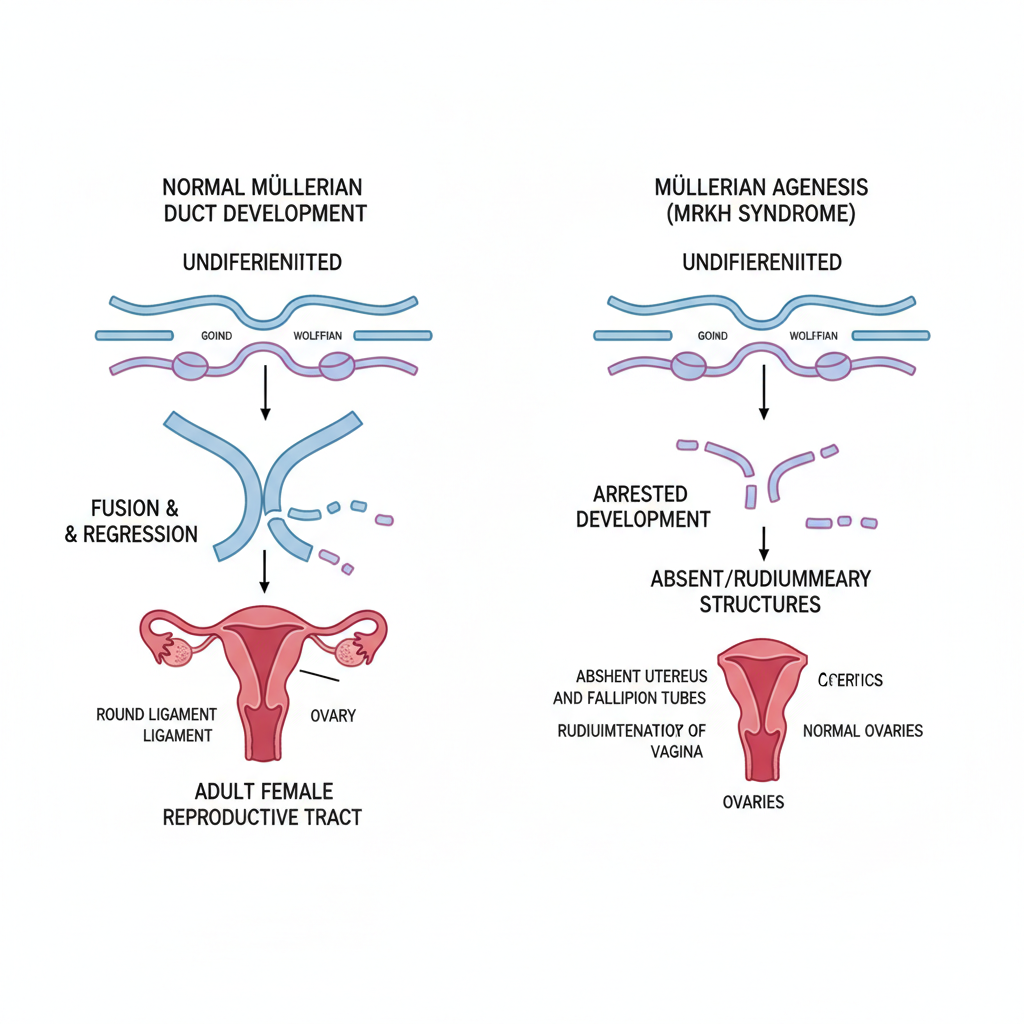
Embryological Basis: Müllerian Agenesis

  • Mechanism: Dysgenesis of Müllerian ducts (~6 weeks gestation).
  • Structures Affected: Fallopian tubes, Uterus, Cervix, Upper Vagina.
  • Structures Spared: Ovaries (primitive yolk sac origin) and Lower Vagina (urogenital sinus origin).
Schematic diagram comparing normal development of Müllerian ducts vs Agenesis. Simple flow or anatomical comparison. Medical illustration.
Made byBobr AI

Presentation: Primary Amenorrhea

Incidence
1 in 4,500
Female Births

Hallmark Sign: Absence of menarche by age 15-16 in an adolescent with normal growth and secondary sexual characteristics.

Coital Difficulty: May present later with inability to engage in vaginal intercourse.

Pain: Cyclic pelvic pain is typically ABSENT unless functional uterine remnants are present (hematometra).

Made byBobr AI

Concomitant Anomalies

Chart
Chart
Renal: Unilateral renal agenesis, pelvic kidney, horseshoe kidney. Skeletal: Scoliosis, vertebral anomalies (Klippel-Feil).
Made byBobr AI

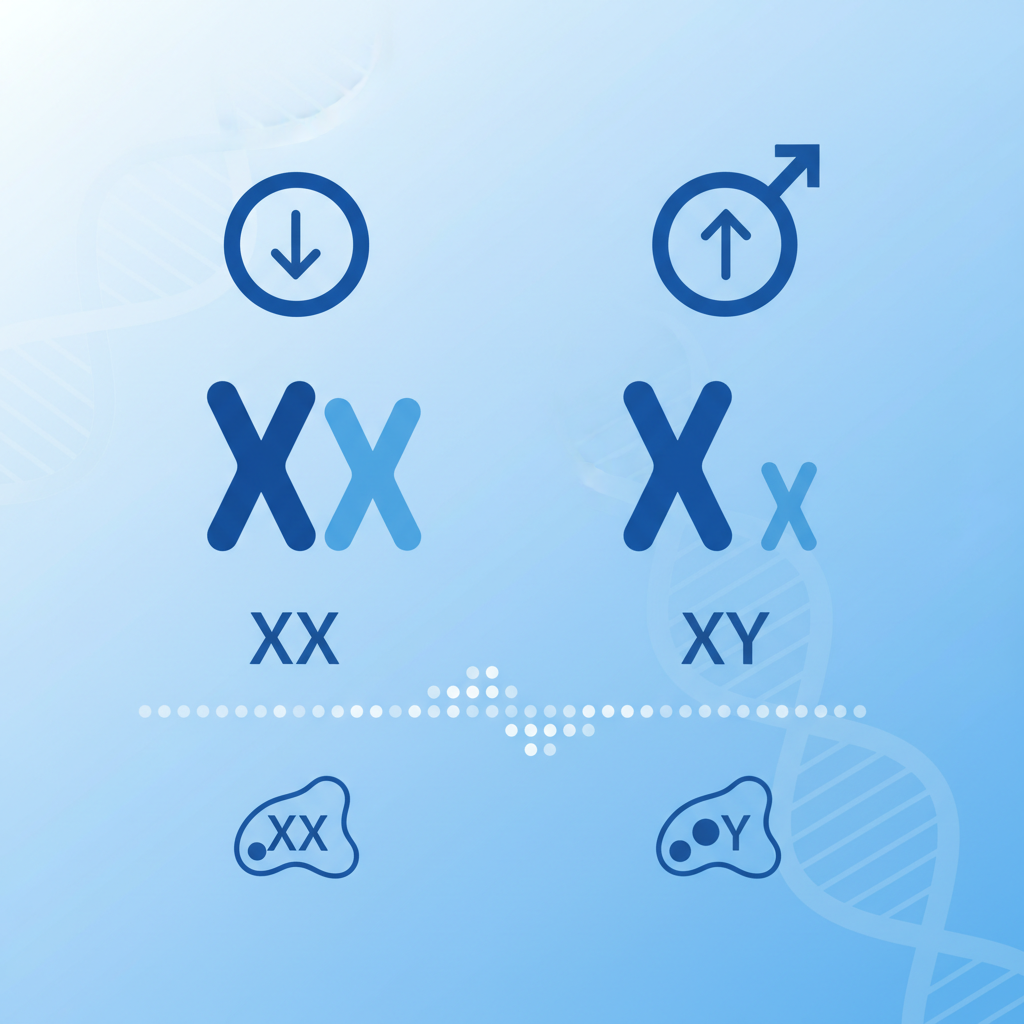
Differential Diagnosis Checklist

Condition
Karyotype
Hormones
Sexual Hair
Müllerian Agenesis (MRKH)
46,XX
Normal Female Range
Normal
Androgen Insensitivity (AIS)
46,XY
High Testosterone (Male range)
Sparse / Absent
Medical illustration showing comparison icons for female vs male genetics, minimalist blue style.
Made byBobr AI

Management: Neovagina Creation

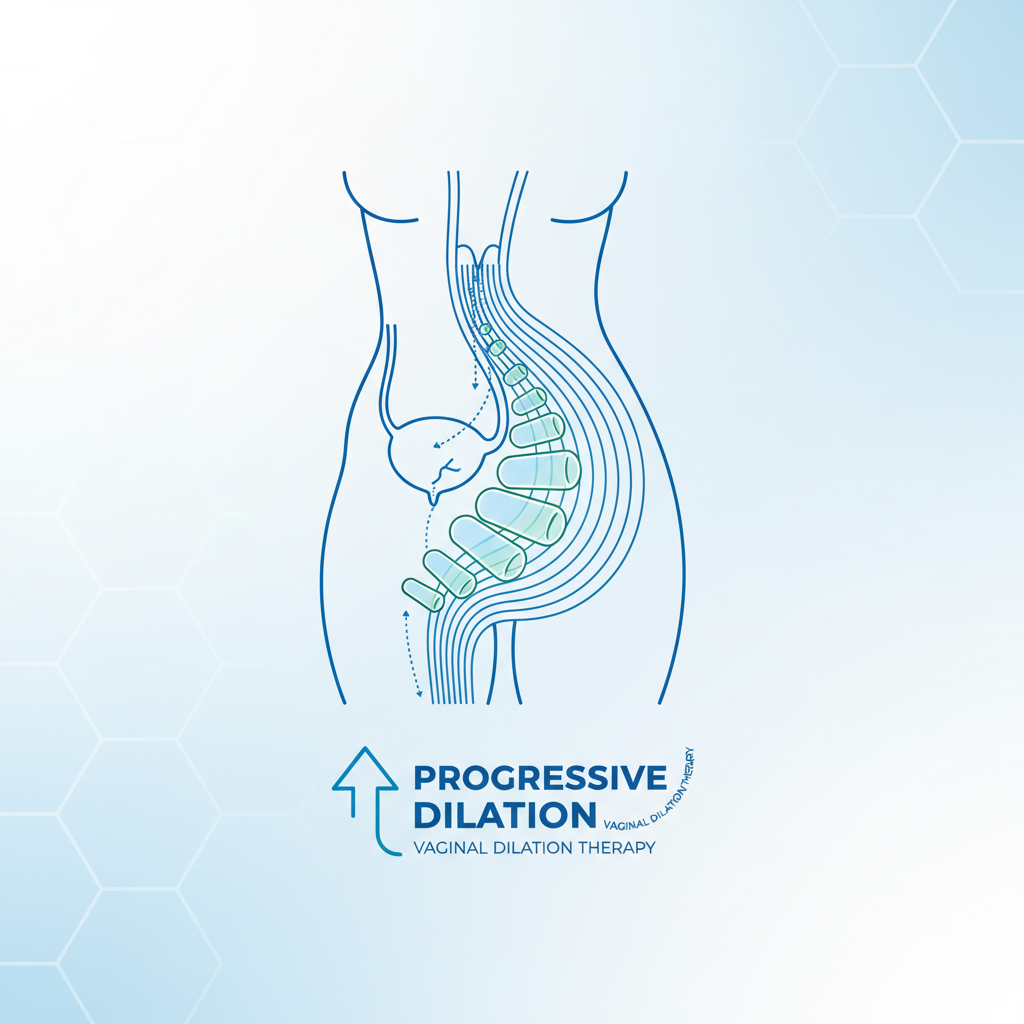
First Line: Dilator Therapy (Frank's Method)

Progressive non-surgical dilation of the vaginal dimple. High success rate (>90%) with compliance.

Second Line: Surgical Vaginoplasty

McIndoe procedure (skin graft), Bowel vaginoplasty, or Vecchietti procedure. Reserved for failure of dilation.

Medical schematic showing concept of vaginal dilation therapy, abstract simple lines, clinical style.
Made byBobr AI
Bobr AI

DESIGNER-MADE
PRESENTATION,
GENERATED FROM
YOUR PROMPT

Create your own professional slide deck with real images, data charts, and unique design in under a minute.

Generate For Free

MRKH Syndrome: Uterovaginal Aplasia & Ovarian Function

Explore clinical findings, embryology, and management of Müllerian agenesis (MRKH), including primary amenorrhea diagnosis and neovagina creation methods.

Clinical Overview: Müllerian Agenesis Spectrum

Anatomical Findings, Physiology, and Genetic Profile

Department of Reproductive Endocrinology & Infertility

Anatomical Defect: Uterine & Vaginal Aplasia

Primary Finding: Complete absence of the uterus and cervix (Uterine Aplasia).

Vaginal Finding: Absence of the upper 2/3 of the vagina, presenting as a shortened vaginal pouch (2-4 cm deep).

Etiology: Failure of the Müllerian ducts to fuse and develop during embryogenesis.

Embryology: Müllerian Dysgenesis

Developmental Arrest: Interruption occurs approx. 7 weeks of gestation.

Mechanism: Failure of the paired Müllerian (paramesonephric) ducts to fuse, canalize, and develop into the uterus/cervix.

Outcome: Formation of rudimentary uterine horns (cornua) connected by a fibrous band, or complete absence.

Physiology: Normal Ovarian Function

Despite uterine aplasia, ovaries are embryologically distinct and usually functionally normal.

Normal Folliculogenesis: Recruitment and maturation of follicles occurs cyclically.

Normal Ovulation: Regular release of oocytes confirms functional hypothalamic-pituitary-gonadal axis.

Endocrine Profile: Normal levels of FSH, LH, Estradiol, and Progesterone.

Clinical Exam: Secondary Sexual Characteristics

Patient presents with normal female phenotype appropriate for age.

Breast Development

Normal breast growth (Thelarche) indicating functional estrogen production. Usually Tanner Stage 4 or 5 at presentation.

Pubic/Axillary Hair

Normal hair distribution (Pubarche/Adrenarche) indicating appropriate androgen responsiveness.

Genetic Profile: Normal Karyotype (46,XX)

Chromosomal Analysis: Distinguishes this condition from Androgen Insensitivity Syndrome (46,XY).

Implication: Genetic sex matches phenotypic sex. Patient is genetically female.

Embryological Basis: Müllerian Agenesis

Mechanism: Dysgenesis of Müllerian ducts (~6 weeks gestation).

Structures Affected: Fallopian tubes, Uterus, Cervix, Upper Vagina.

Structures Spared: Ovaries (primitive yolk sac origin) and Lower Vagina (urogenital sinus origin).

Presentation: Primary Amenorrhea

Incidence

1 in 4,500

Hallmark Sign: Absence of menarche by age 15-16 in an adolescent with normal growth and secondary sexual characteristics.

Coital Difficulty: May present later with inability to engage in vaginal intercourse.

Pain: Cyclic pelvic pain is typically ABSENT unless functional uterine remnants are present (hematometra).

Concomitant Anomalies

Renal: Unilateral renal agenesis, pelvic kidney, horseshoe kidney. Skeletal: Scoliosis, vertebral anomalies (Klippel-Feil).

Differential Diagnosis Checklist

Müllerian Agenesis (MRKH)

46,XX

Normal Female Range

Normal

Androgen Insensitivity (AIS)

46,XY

High Testosterone (Male range)

Sparse / Absent

Management: Neovagina Creation

First Line: Dilator Therapy (Frank's Method)

Progressive non-surgical dilation of the vaginal dimple. High success rate (>90%) with compliance.

Second Line: Surgical Vaginoplasty

McIndoe procedure (skin graft), Bowel vaginoplasty, or Vecchietti procedure. Reserved for failure of dilation.

  • mrkh-syndrome
  • mullerian-agenesis
  • reproductive-endocrinology
  • primary-amenorrhea
  • gynecology
  • embryology
  • karyotype-46xx