



Pigs Unplugged: The Science of Swine Intelligence & Anatomy
Explore the surprising science of pigs, including their anatomy, 114-day gestation cycle, cognitive capabilities, and social structures.
More Than Just Bacon
The Surprising Science of Porcine Intelligence & Anatomy
Taxonomy 101
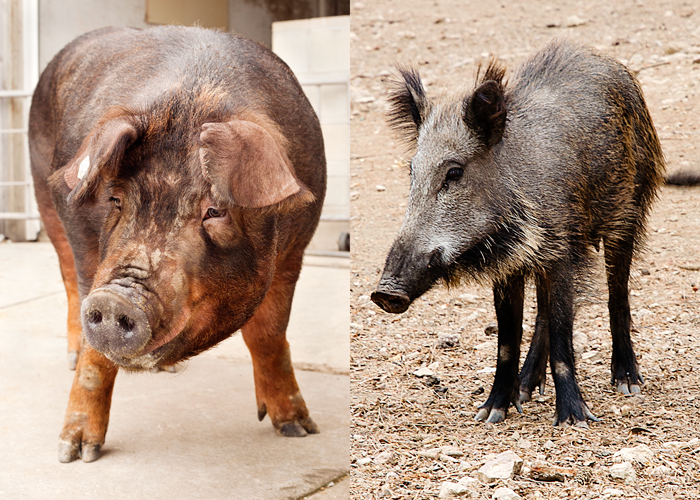
Species: Sus scrofa domesticus
Family: Suidae (Even-toed ungulates)
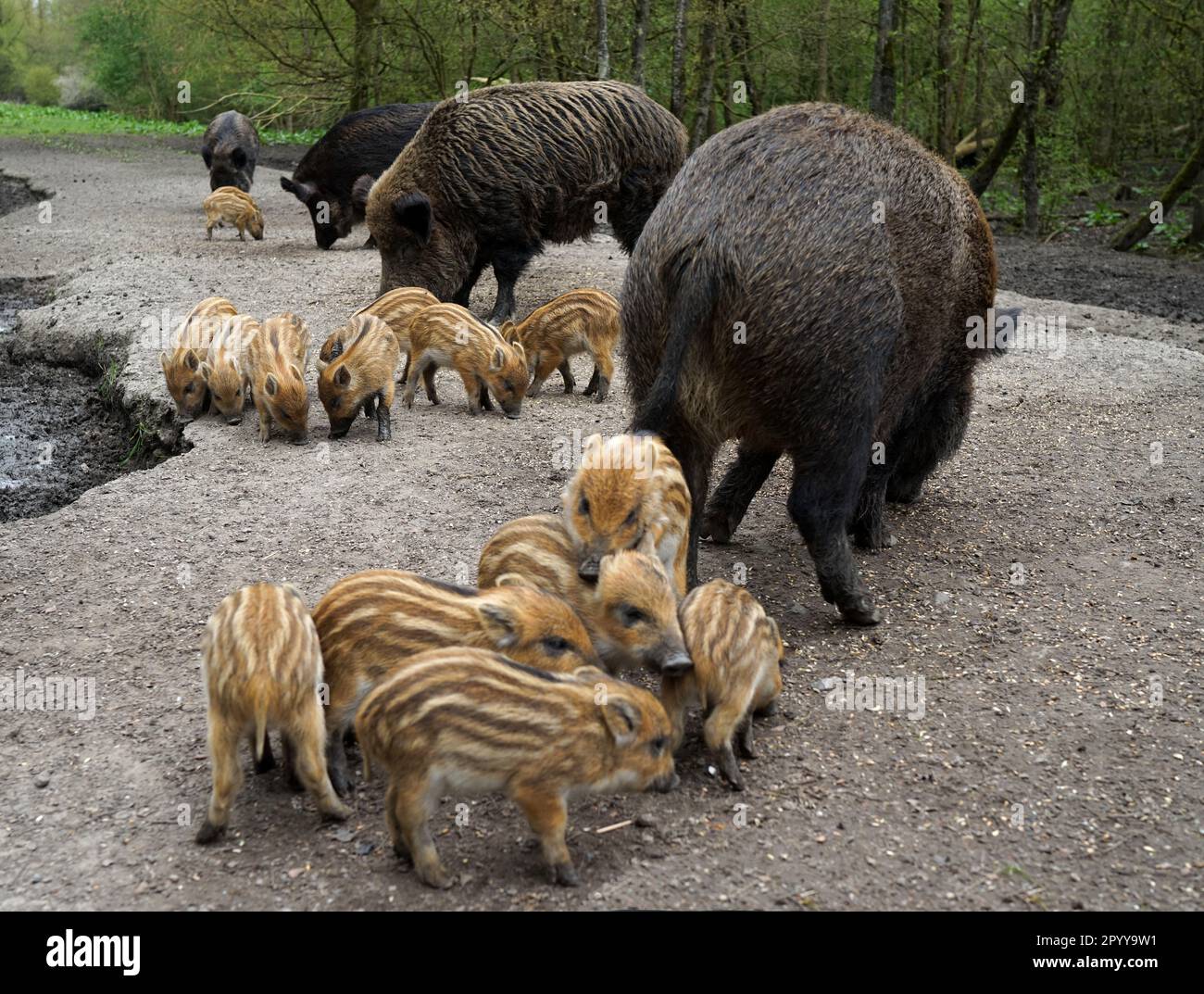
Relatives: Warthogs, wild boars, and pygmy hogs
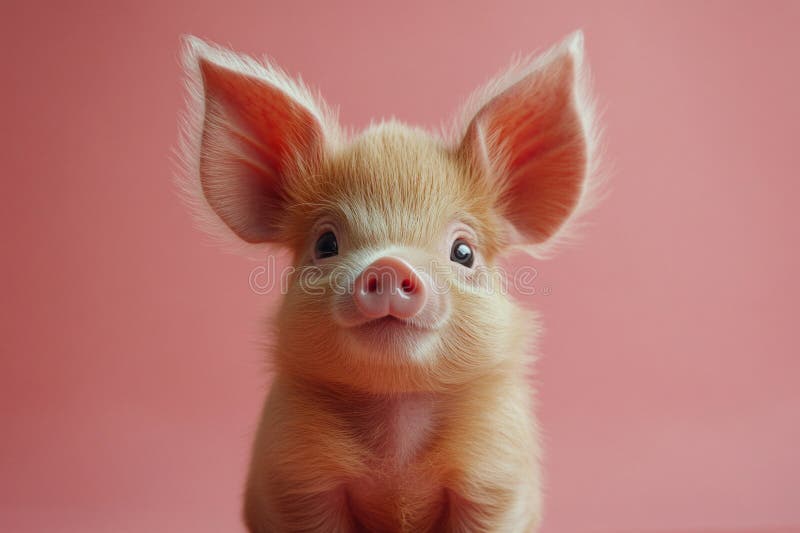
The Ultimate Sensory Tool: The Snout
The snout is a disk of cartilage reinforced by bone. It is as tactile as a human hand and strong enough to plow through hardened earth.
The 3-3-3 Rule: Pig Gestation
One of nature's most precise timers: a sow's pregnancy lasts almost exactly 3 months, 3 weeks, and 3 days.
Myth Buster: Why the Mud?
The phrase 'sweat like a pig' is anatomically incorrect. Pigs have very few sweat glands. They roll in mud for thermoregulation (cooling down) and sun protection.
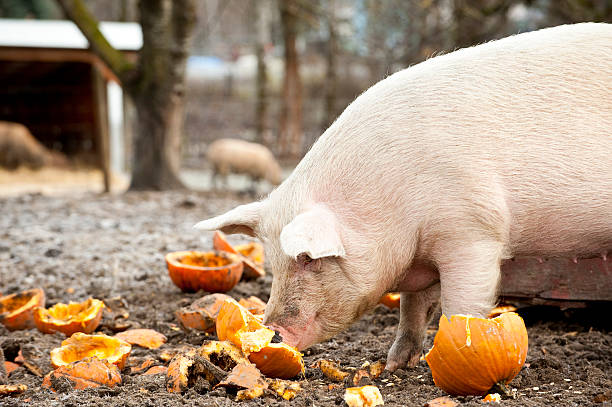
Digestive System: True Omnivores
Unlike cows (who have 4 compartments), pigs have a simple stomach, making them non-ruminants like humans.
True physiological omnivores: they can digest plants, roots, fungi, and proteins with equal efficiency.
Cognitive Capabilities
Long-term memory
Joystick usage (video games)
Mirror self-recognition
Empathy & emotional contagion
Smarty Pants: Comparative Intelligence
Researchers estimate pigs have the cognitive ability of a 3-year-old human child, often outperforming dogs in problem-solving methodology.
Social & Sentient
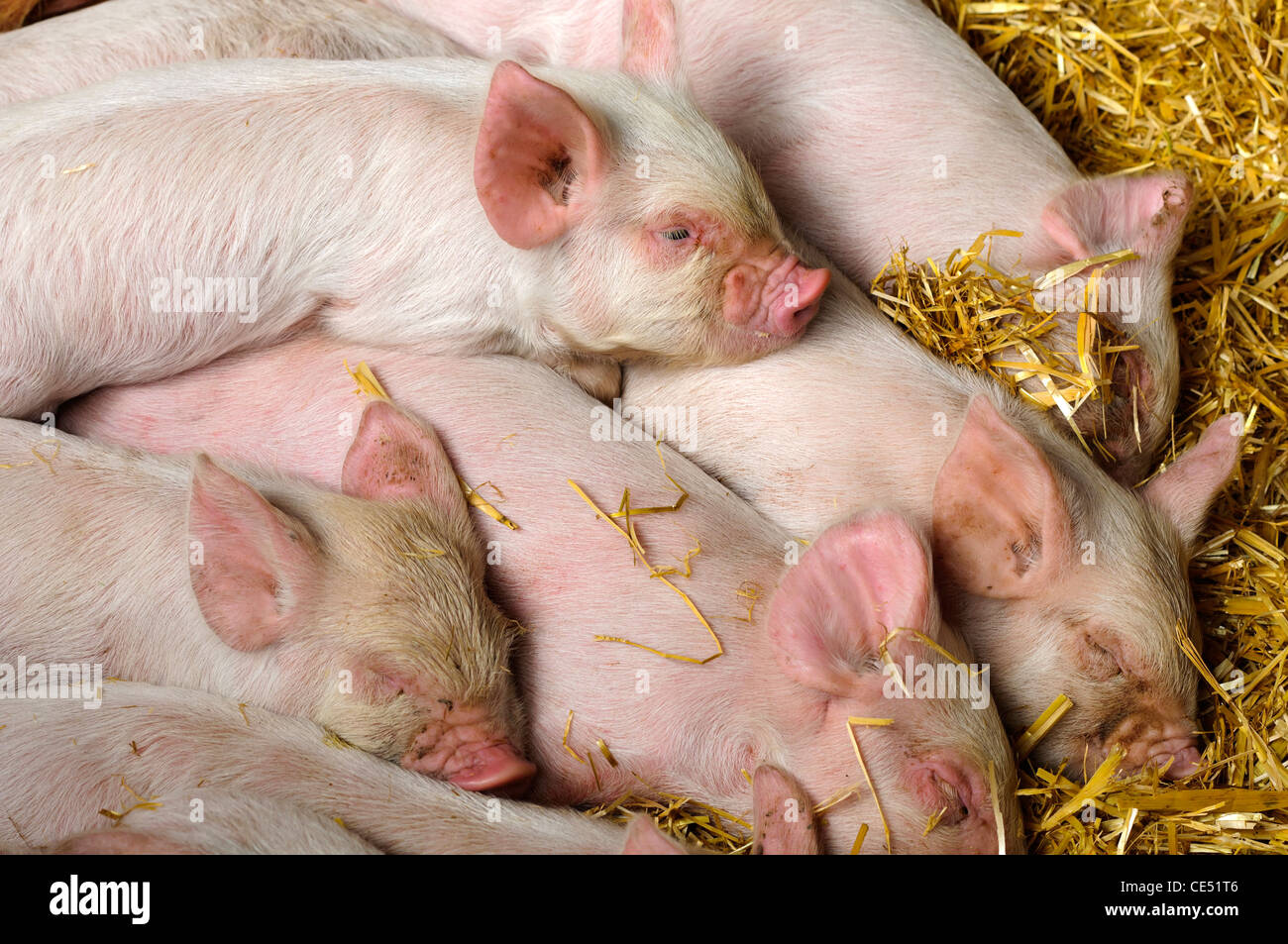
Pigs form complex matriarchal social units called 'sounders'. They sleep nose-to-nose and communicate with over 20 distinct vocalizations, ranging from courting songs to distress squeals.
The Final Oink
Clean, intelligent, and biologically similar to humans.
- pig-intelligence
- animal-science
- porcine-anatomy
- biology
- zoology
- swine-facts