
Made byBobr AI

Social Media's Impact on Teen Body Image and Well-Being

Learn how unrealistic social media standards affect teen mental health and explore solutions for families and schools to promote positive body image.

#social media#body image#mental health#teenagers#well-being#digital literacy#influencer culture
Watch
Pitch

Social Media & Body Image

Understanding the Impact of Unrealistic Expectations on Teenagers

Made byBobr AI

The Core Problem: Unrealistic Standards

Social media platforms bombard users with carefully curated images. The gap between reality and the digital 'ideal' creates pressure to conform to unattainable beauty norms.

Made byBobr AI

The 'Perfect' Lifestyle

  • Influencer culture promotes a narrative of constant luxury and happiness.
  • Audiences rarely see the struggles, creating a sense of inadequacy.
Made byBobr AI

The 'Perfect' Outward Appearance

Filters and editing apps allow instant modification of facial features and body shape. This 'Instagram Reality' warps the definition of natural beauty.

Made byBobr AI

Correlation: Usage vs. Body Dissatisfaction

Studies consistently show that increased time on social media correlates with higher reports of body dissatisfaction among teenagers.

Chart
Made byBobr AI

Distorted Perception of Reality

  • Over-exposure to edited images shifts the baseline of what is considered 'normal'.
  • Teenagers may feel their natural appearance is flawed by comparison.
Made byBobr AI

Mental Health Consequences

Depression | Social Anxiety | Low Self-Esteem | Isolation

Made byBobr AI

Risky Behaviors & Eating Disorders

The pressure to be thin or muscular can lead to dangerous outcomes.

Extreme dieting and eating disorders
Excessive exercise or use of supplements
Seeking validation through 'likes'
Made byBobr AI

Solutions

What Can Be Done? Family Solutions

  • Encourage open conversations about media manipulation.
  • Promote 'digital detox' periods.
Made byBobr AI

School & Legal Solutions

At School

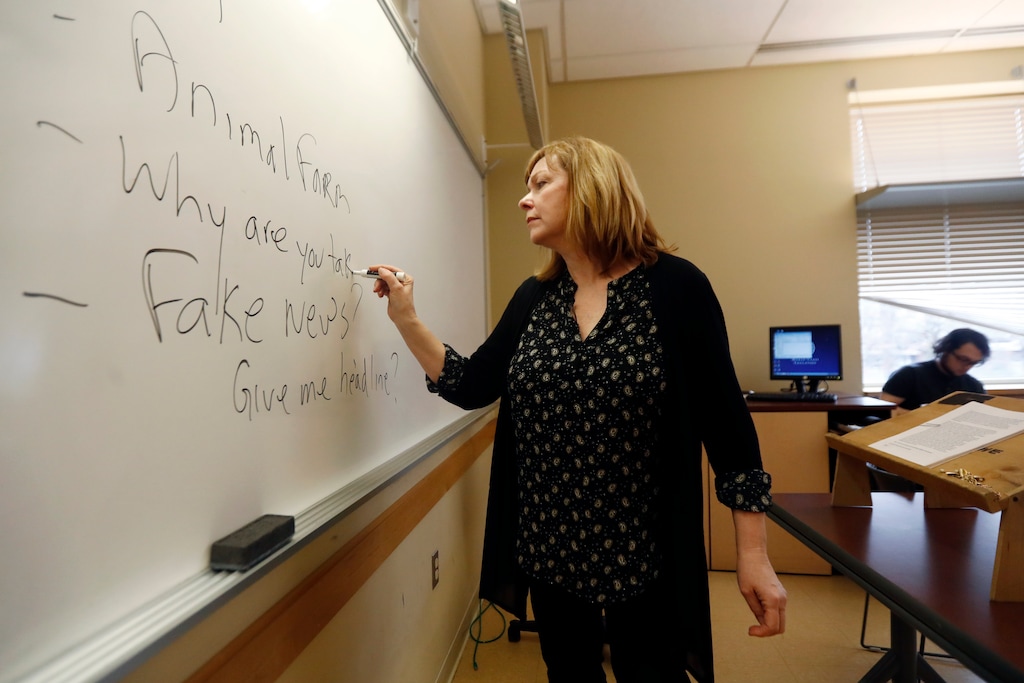
Education: Incorporate Media Literacy into the curriculum to teach students how to analyze and question social media content.

Legal Measures

Legislation: Enforce transparency laws requiring influencers to label altered images and protect minors' data.

Made byBobr AI

Summary & Questions

Social media creates unrealistic standards that can harm mental health. Awareness is the first step toward reclaiming self-confidence.

Thank You
Made byBobr AI
Bobr AI

DESIGNER-MADE
PRESENTATION,
GENERATED FROM
YOUR PROMPT

Create your own professional slide deck with real images, data charts, and unique design in under a minute.

Generate For Free

Social Media's Impact on Teen Body Image and Well-Being

Learn how unrealistic social media standards affect teen mental health and explore solutions for families and schools to promote positive body image.

Social Media & Body Image

Understanding the Impact of Unrealistic Expectations on Teenagers

The Core Problem: Unrealistic Standards

Social media platforms bombard users with carefully curated images. The gap between reality and the digital 'ideal' creates pressure to conform to unattainable beauty norms.

The 'Perfect' Lifestyle

Influencer culture promotes a narrative of constant luxury and happiness.

Audiences rarely see the struggles, creating a sense of inadequacy.

The 'Perfect' Outward Appearance

Filters and editing apps allow instant modification of facial features and body shape. This 'Instagram Reality' warps the definition of natural beauty.

Correlation: Usage vs. Body Dissatisfaction

Studies consistently show that increased time on social media correlates with higher reports of body dissatisfaction among teenagers.

Distorted Perception of Reality

Over-exposure to edited images shifts the baseline of what is considered 'normal'.

Teenagers may feel their natural appearance is flawed by comparison.

Mental Health Consequences

Depression | Social Anxiety | Low Self-Esteem | Isolation

Risky Behaviors & Eating Disorders

The pressure to be thin or muscular can lead to dangerous outcomes.

Extreme dieting and eating disorders

Excessive exercise or use of supplements

Seeking validation through 'likes'

What Can Be Done? Family Solutions

Encourage open conversations about media manipulation.

Promote 'digital detox' periods.

School & Legal Solutions

Education: Incorporate Media Literacy into the curriculum to teach students how to analyze and question social media content.

Legislation: Enforce transparency laws requiring influencers to label altered images and protect minors' data.

Summary & Questions

Social media creates unrealistic standards that can harm mental health. Awareness is the first step toward reclaiming self-confidence.

  • social media
  • body image
  • mental health
  • teenagers
  • well-being
  • digital literacy
  • influencer culture