
Made byBobr AI

Dairy Production: From Farm to Table Journey

Explore the modern dairy production cycle: robotic milking, the cold chain, pasteurization, and sustainable farming practices for quality dairy products.

#dairy-industry#agriculture-technology#food-production#sustainable-farming#robotic-milking#food-safety

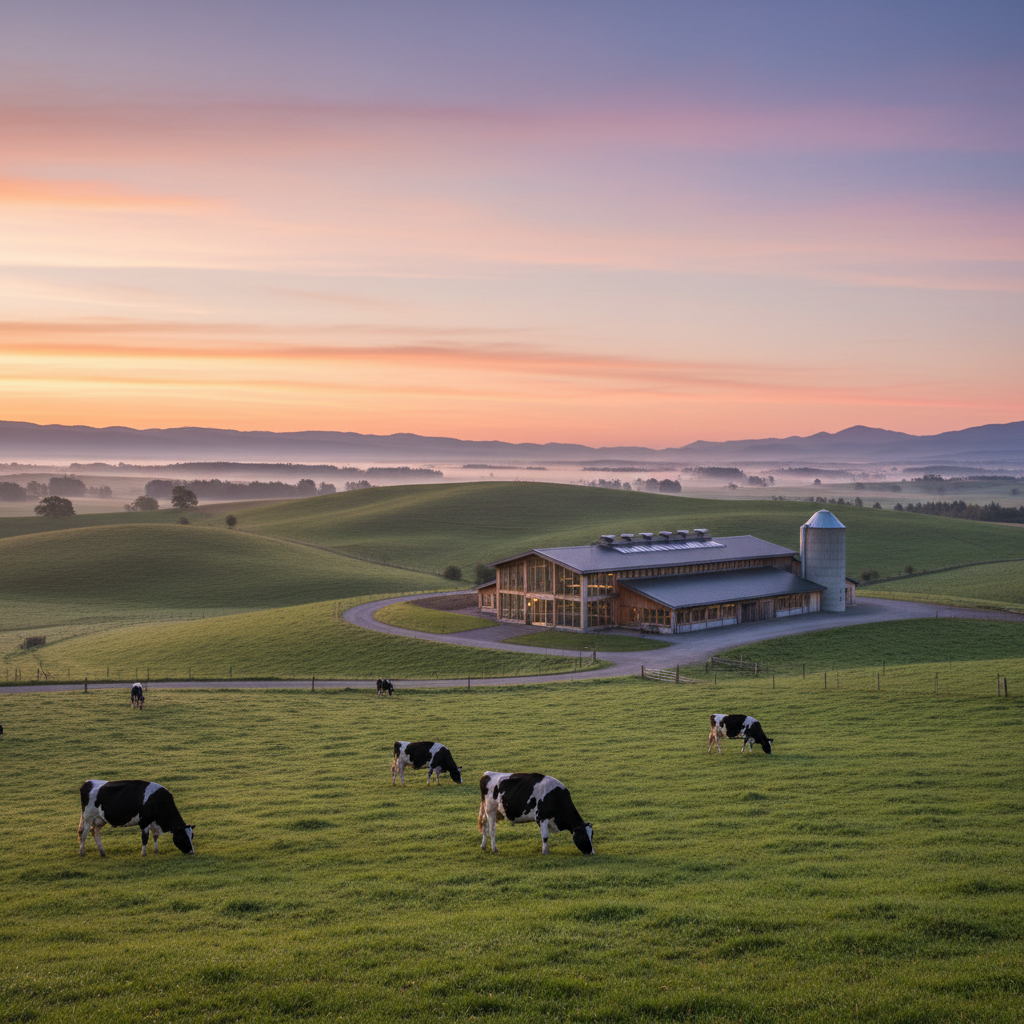
From Farm to Table: The Dairy Journey

A Comprehensive Overview of Modern Dairy Production Systems

Dairy & Farms Overview 2026
Made byBobr AI

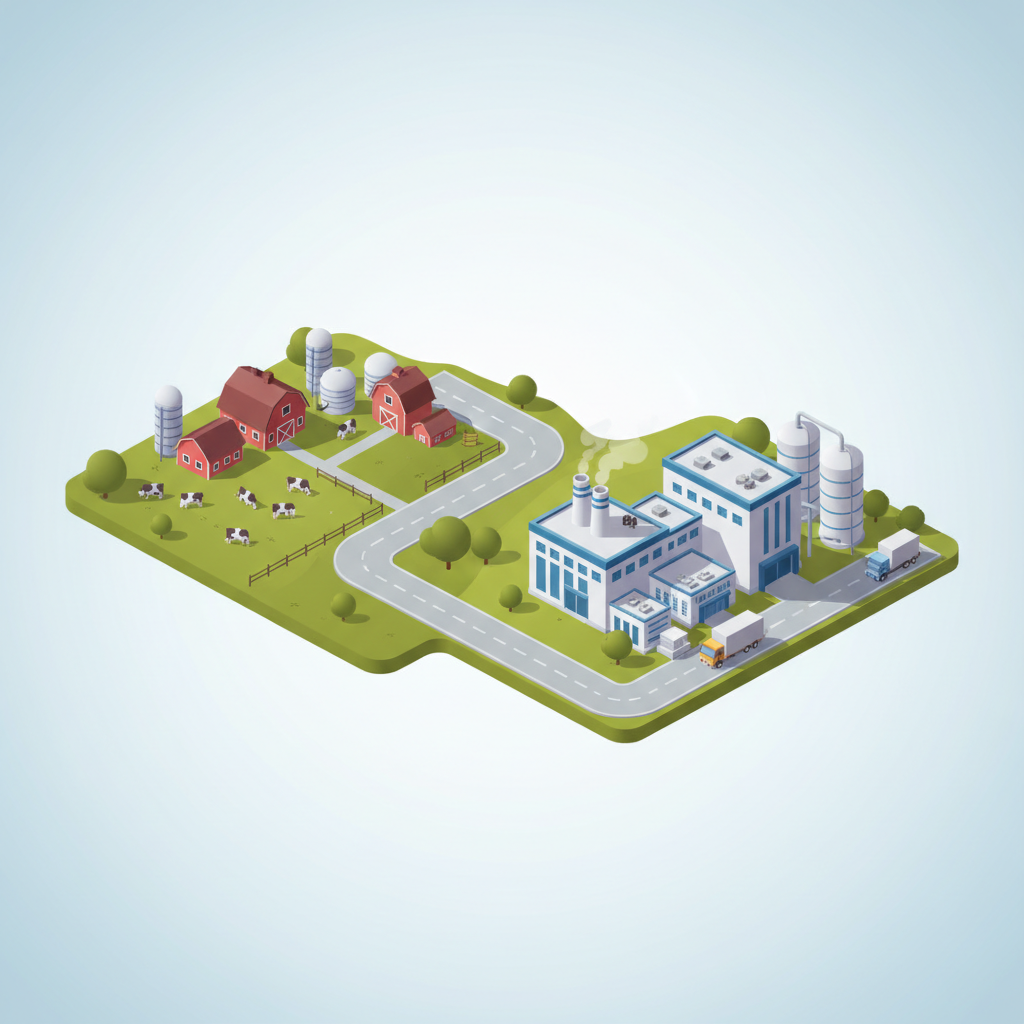
The 5-Stage Production Cycle

1. Animal Care & Nutrition: Ensuring herd health.
2. Milking: Automated, hygienic extraction.
3. Transport & Storage: The Cold Chain.
4. Processing: Pasteurization and homogenization.
Made byBobr AI

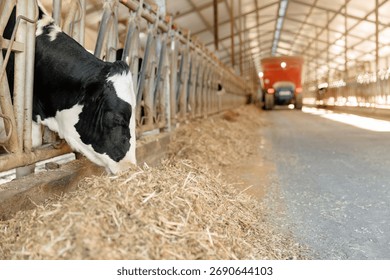
Step 1: Herd Management

Before production begins, dairy farmers prioritize the health of their herd. Cows are often fitted with electronic collars (like Fitbits for cows) to monitor activity, rumination, and health stats. Diet is carefully balanced by nutritionists, mixing forages like corn silage and hay with grains and minerals.

Made byBobr AI

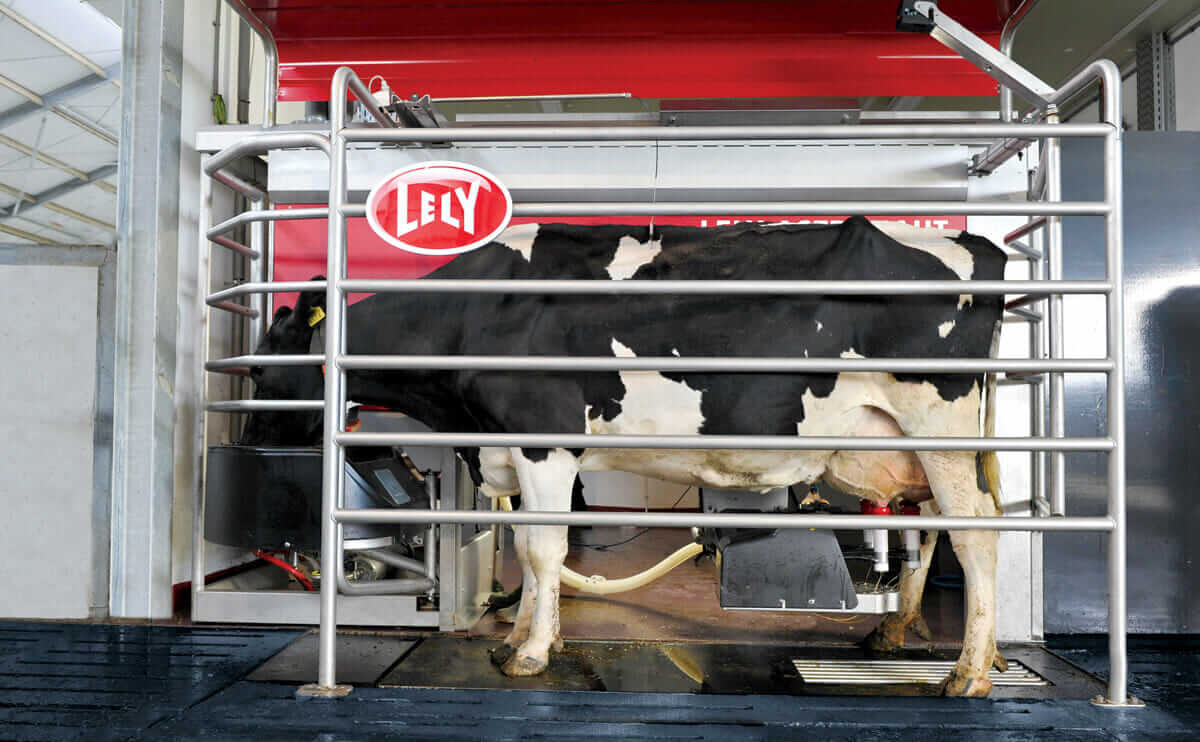
Step 2: Robotic Milking Systems

  • Voluntary Milking: Cows enter the robot when they feel ready, often 2-3 times a day.
  • Hygiene: Lasers map the udder, and mechanical brushes clean teats before attachment.
  • Data Collection: Sensors measure yield, fat content, and somatic cell count instantly.
Made byBobr AI

Step 3: The Cold Chain

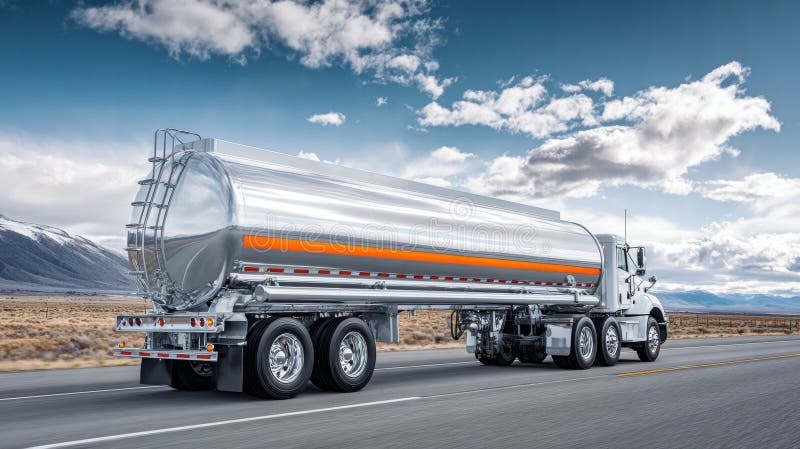
Immediately after milking, milk is cooled from ~38°C to below 4°C within two hours in a bulk tank. Insulated stainless steel tankers collect the milk daily or every other day. Samples are taken from every truck to test for antibiotics before the milk can be unloaded at the processing plant—zero tolerance policy.

Made byBobr AI

Nutritional Profile (Per Cup / 250ml)

Chart
Milk is considered nature's most complete food, providing 9 essential nutrients including significant amounts of protein for muscle repair and calcium for bone density.
Made byBobr AI

Step 4: Processing & Safety

Pasteurization

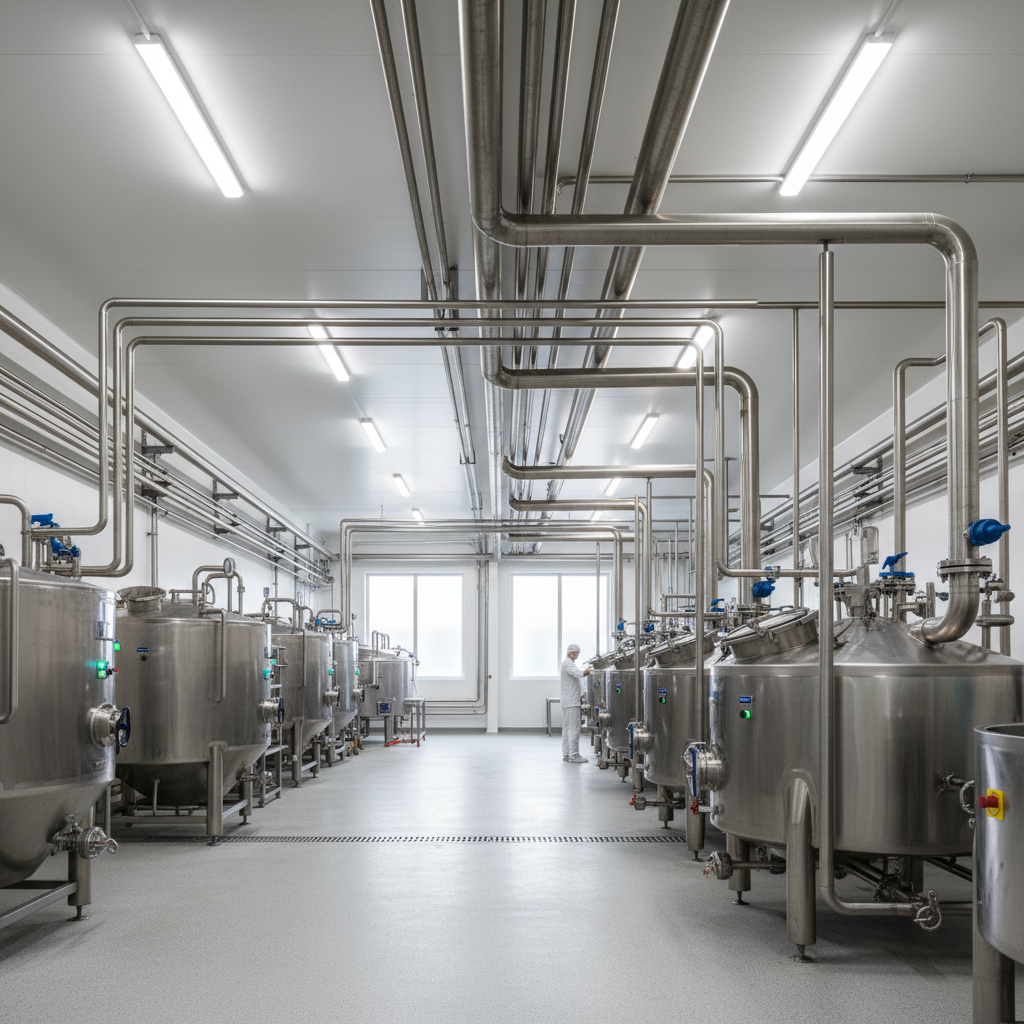
Pasteurization: Heating milk to 72°C for 15 seconds to kill harmful bacteria while retaining nutritional value.

Homogenization

Homogenization: Breaking down fat molecules so the cream doesn't separate to the top.

Made byBobr AI

Environmental Stewardship

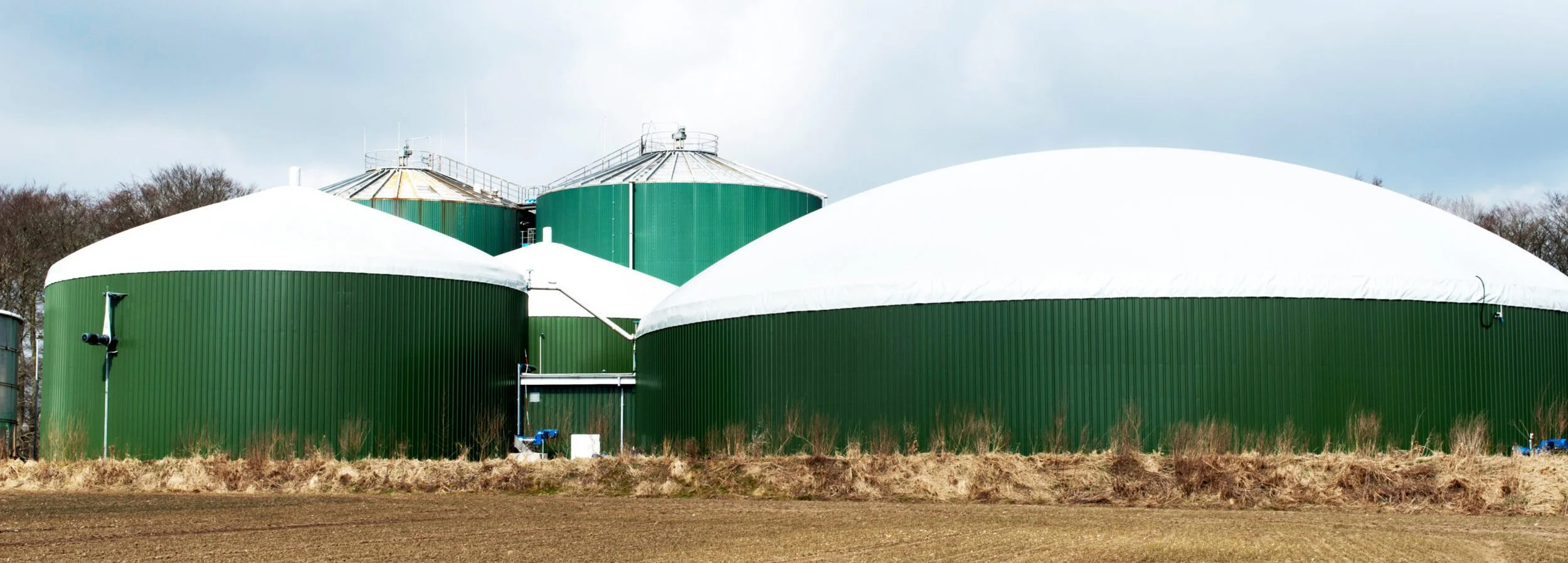
Modern dairy farms are increasingly circular. Manure is processed in methane digesters to generate renewable electricity for the farm and grid. Water used to cool milk is recycled to wash barn floors or irrigate crops.

  • ✓ Methane Reduction
  • ✓ Water Recycling
  • ✓ Soil Health
Made byBobr AI

Global Milk Production Leaders

Chart

India leads globally by volume, primarily due to high buffalo milk production, while the EU and USA are leaders in cow milk export and processing efficiency.

Made byBobr AI

Conclusion

From automated farms to high-tech quality control, the dairy journey is a blend of tradition and advanced technology ensuring safety, nutrition, and sustainability.

Thank you for your attention.
Made byBobr AI
Bobr AI

DESIGNER-MADE
PRESENTATION,
GENERATED FROM
YOUR PROMPT

Create your own professional slide deck with real images, data charts, and unique design in under a minute.

Generate For Free

Dairy Production: From Farm to Table Journey

Explore the modern dairy production cycle: robotic milking, the cold chain, pasteurization, and sustainable farming practices for quality dairy products.

From Farm to Table: The Dairy Journey

A Comprehensive Overview of Modern Dairy Production Systems

The 5-Stage Production Cycle

1. Animal Care & Nutrition: Ensuring herd health.

2. Milking: Automated, hygienic extraction.

3. Transport & Storage: The Cold Chain.

4. Processing: Pasteurization and homogenization.

Step 1: Herd Management

Before production begins, dairy farmers prioritize the health of their herd. Cows are often fitted with electronic collars (like Fitbits for cows) to monitor activity, rumination, and health stats. Diet is carefully balanced by nutritionists, mixing forages like corn silage and hay with grains and minerals.

Step 2: Robotic Milking Systems

Voluntary Milking: Cows enter the robot when they feel ready, often 2-3 times a day.

Hygiene: Lasers map the udder, and mechanical brushes clean teats before attachment.

Data Collection: Sensors measure yield, fat content, and somatic cell count instantly.

Step 3: The Cold Chain

Immediately after milking, milk is cooled from ~38°C to below 4°C within two hours in a bulk tank. Insulated stainless steel tankers collect the milk daily or every other day. Samples are taken from every truck to test for antibiotics before the milk can be unloaded at the processing plant—zero tolerance policy.

Nutritional Profile (Per Cup / 250ml)

Milk is considered nature's most complete food, providing 9 essential nutrients including significant amounts of protein for muscle repair and calcium for bone density.

Step 4: Processing & Safety

Pasteurization: Heating milk to 72°C for 15 seconds to kill harmful bacteria while retaining nutritional value.

Homogenization: Breaking down fat molecules so the cream doesn't separate to the top.

Environmental Stewardship

Modern dairy farms are increasingly circular. Manure is processed in methane digesters to generate renewable electricity for the farm and grid. Water used to cool milk is recycled to wash barn floors or irrigate crops.

Global Milk Production Leaders

India leads globally by volume, primarily due to high buffalo milk production, while the EU and USA are leaders in cow milk export and processing efficiency.

Conclusion

From automated farms to high-tech quality control, the dairy journey is a blend of tradition and advanced technology ensuring safety, nutrition, and sustainability.

  • dairy-industry
  • agriculture-technology
  • food-production
  • sustainable-farming
  • robotic-milking
  • food-safety