




Made byBobr AI

Modernizing Canadian Asthma Guidelines for Primary Care

Discover three proposed changes to Canadian asthma practice guidelines, focusing on ICS-formoterol relievers, OCS stewardship, and mandated education.

#asthma#canadian-thoracic-society#primary-care#medical-guidelines#ics-formoterol#nurse-practitioner#clinical-practice
Watch
Pitch

Asthma Guideline Modernization: Three Proposed Changes for Canadian Primary Care

Virtual Grand Rounds | NURS 516/517 Family Nurse Practitioner Program

Presenter: [Student Name] Date: January 2026

Made byBobr AI

II. Assigned Question

Case Topic: Asthma "What three changes do you believe should be made to the current practice guidelines on this topic?"

Scope: Canadian Guidelines (CTS, Choosing Wisely). Evidence Base: Peer-reviewed articles (2022–2026).

Made byBobr AI

III. Search Process & Strategy

  • Databases: Databases & Resources: PubMed, CINAHL, CPS (RxTx), Canadian Thoracic Society (CTS) Guidelines, Choosing Wisely Canada.
  • Keywords: Search Terms: "Asthma guidelines Canada," "ICS-formoterol reliever," "Asthma education efficacy," "SABA overuse," "Oral corticosteroid stewardship."
  • Inclusion: Selection Criteria: Peer-reviewed (2022–2026), Canadian focus, clinical practice guidelines (CPG), meta-analyses.
  • Process: Yield: Focus narrowed to the 2021 CTS Updated Guideline (current standard) and supporting validation studies from 2022-2024.
Made byBobr AI

IV. Change #1: Universal Anti-Inflammatory Reliever Strategy

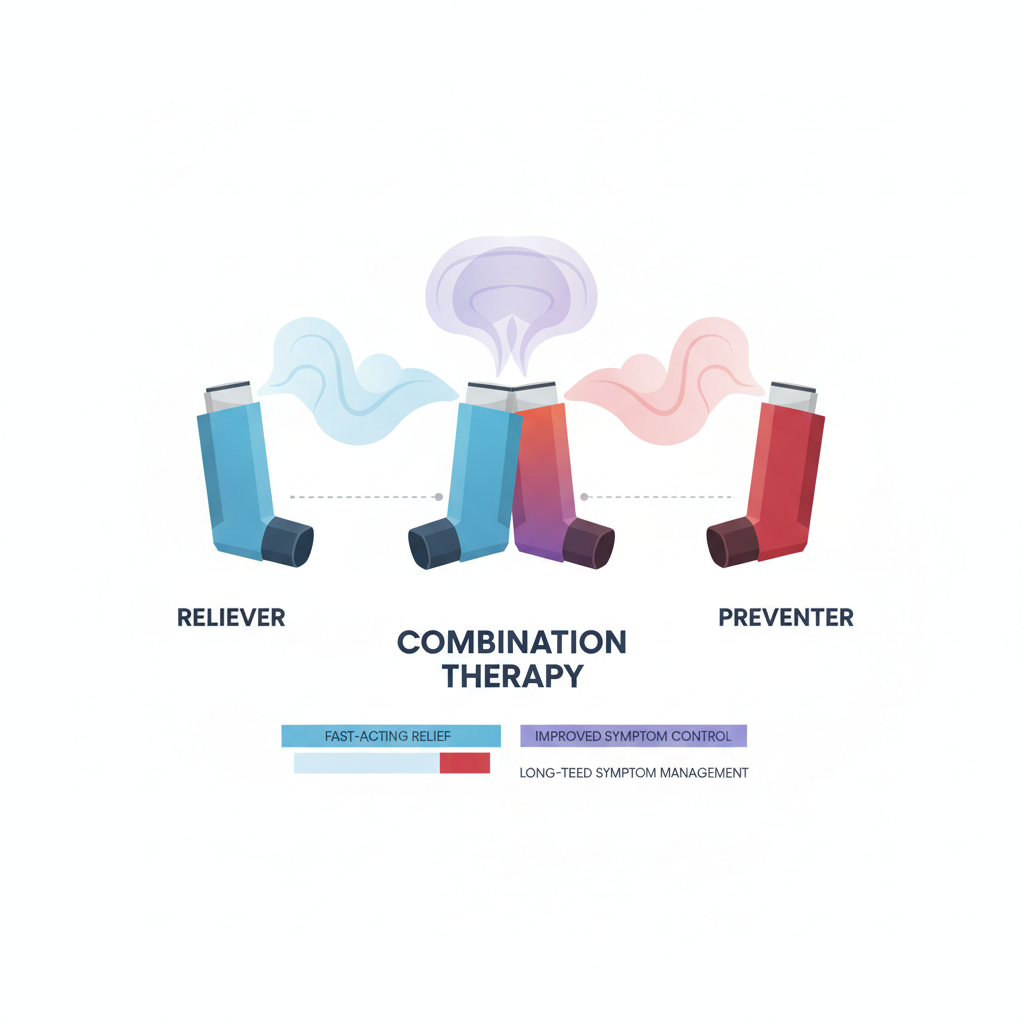
Proposed Change: Eliminate SABA-only strategies entirely. Prioritize ICS-Formoterol (MART) as the sole reliever for all severities (Mild to Severe).

Rationale & Evidence (CTS 2021 Update): • Safety: SABA-only treatment increases risk of severe exacerbations (Canadian Thoracic Society, 2021). • Efficacy: As-needed ICS-formoterol reduces exacerbation risk by ~64% compared to SABA-only in mild asthma. • Application: Moves beyond 'Step 1' vs 'Step 2' to a unified safety approach.

Made byBobr AI

V. Change #2: Strict OCS Stewardship Protocols

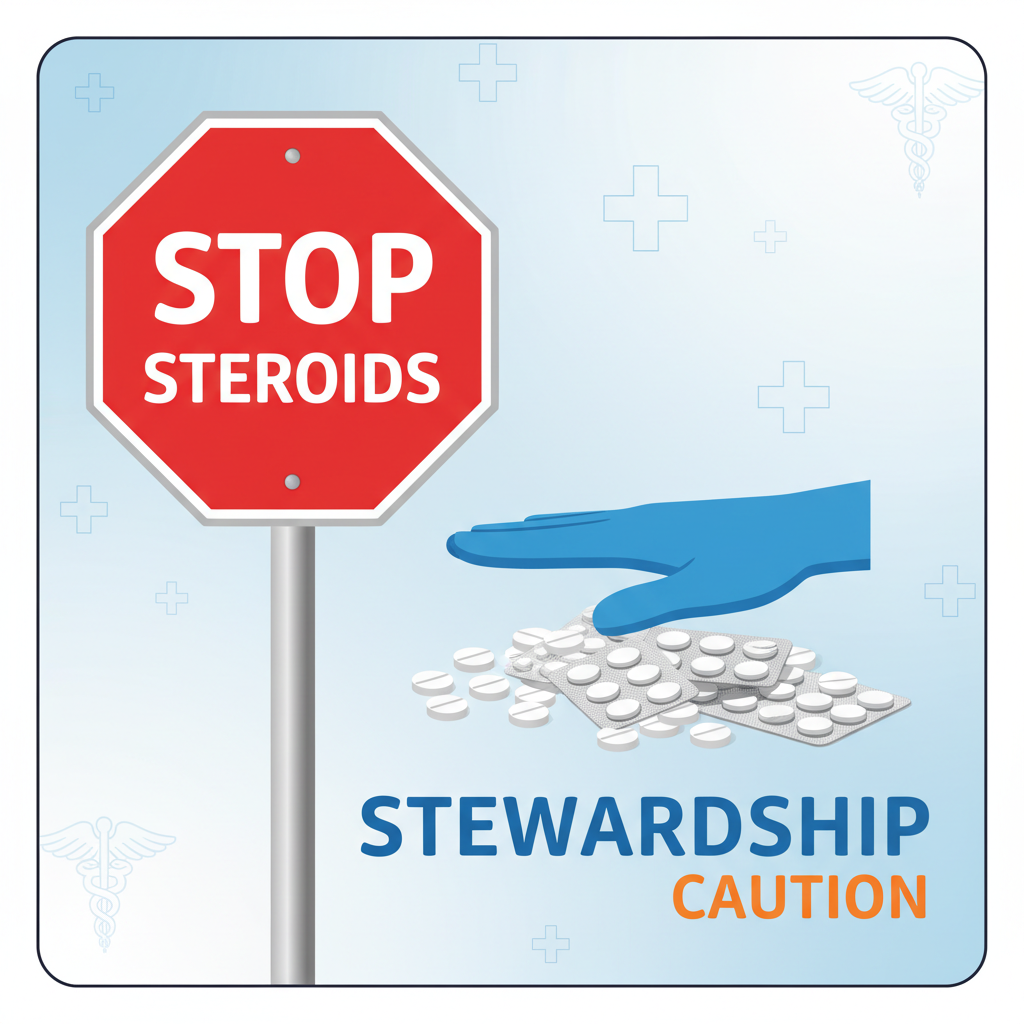
Proposed Change: Define >1 course of OCS/year as a mandatory trigger for specialist referral and phenoltyping (Type 2 inflammation assessment).

Current Gap: OCS 'bursts' are often viewed as routine management in primary care. Choosing Wisely Alignment: Frequent OCS use (>4g lifetime cumulative) is linked to diabetes, osteoporosis, and cataracts. New Standard: Any need for OCS indicates 'Loss of Control' requiring immediate escalation, not just maintenance (Choosing Wisely Canada, 2022).

Made byBobr AI

VI. Change #3: Mandated Structured Education & Tech Checks

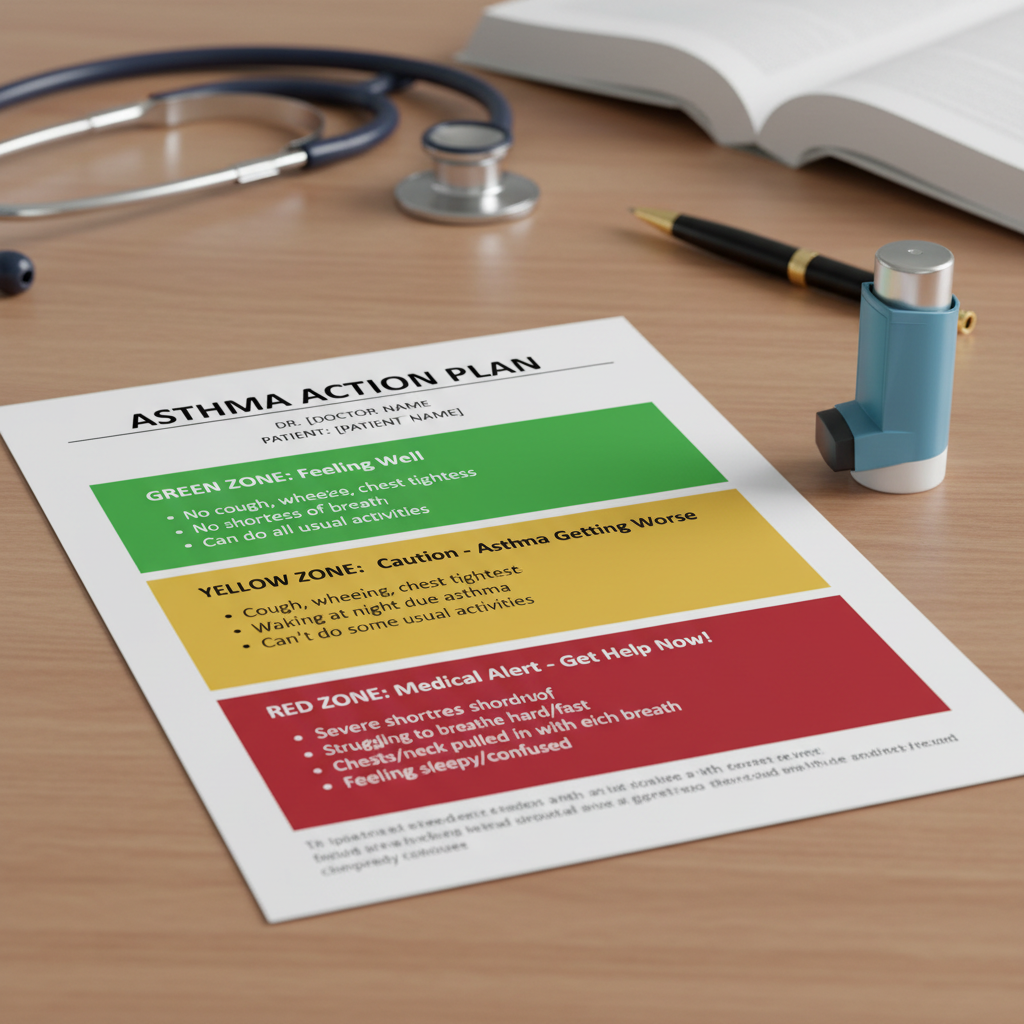
Proposed Change: Elevate 'Inhaler Technique' and 'Written Action Plans' from suggestions to quality metrics required for visit reimbursement or completion.

• Evidence: ~70-80% of patients use inhalers incorrectly, nullifying medication efficacy. • Intervention: Mandatory 'Teach-Back' method documentation at every renewal visit. • Tool: Universal adoption of the CTS Written Asthma Action Plan (WAAP) for every patient, regardless of severity (Canadian Thoracic Society, 2021).

Structured intervention improves adherence.

Made byBobr AI

VII. Clinical Relevance & FNP Application

Primary Care Impact

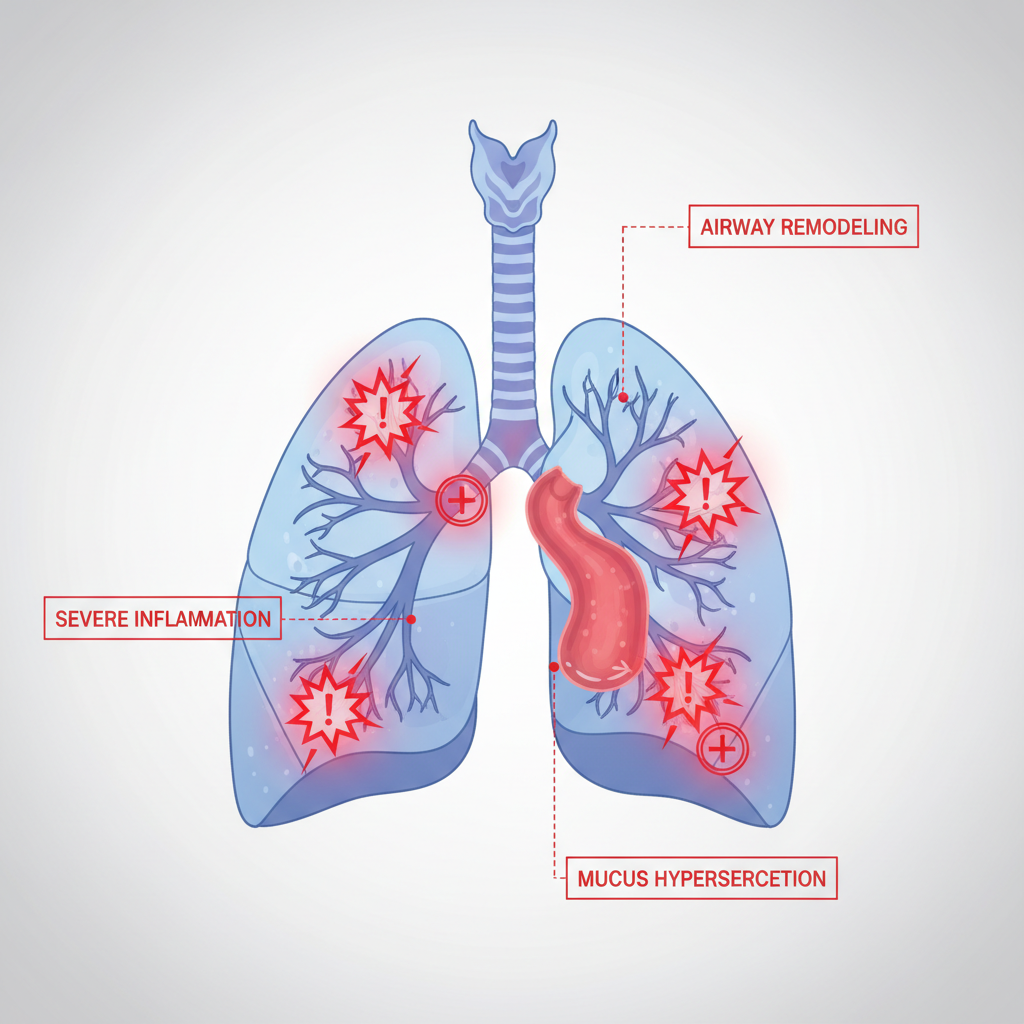
Shifting to ICS-Formoterol relievers directly addresses the 'paradox of mild asthma' where patients with infrequent symptoms still face severe exacerbation risks. This simplifies regimens and improves safety.

Health Systems Impact

Enforcing OCS stewardship reduces long-term chronic disease burden (diabetes, osteoporosis) and preventable Emergency Department visits caused by reliance on SABA-masking.

Made byBobr AI

VII. References

Canadian Thoracic Society. (2021). 2021 Guideline update: Very mild and mild asthma. Canadian Journal of Respiratory, Critical Care, and Sleep Medicine, 5(sup1), 1–18. Choosing Wisely Canada. (2022). Respiratory Medicine: Eleven things physicians and patients should question. https://choosingwiselycanada.org/respiratory-medicine/ Global Initiative for Asthma (GINA). (2023). Global strategy for asthma management and prevention (2023 update). https://ginasthma.org Yang, C. L., et al. (2021). CTS 2021 Guideline update on very mild to mild asthma. Canadian Journal of Respiratory, Critical Care, and Sleep Medicine.

Made byBobr AI

Appendix: Current vs. Proposed Model

DomainCurrent Practice / Previous CTSProposed Strict Standard
Reliever TherapySABA (Ventolin) allowed alone for 'mild' cases.ICS-Formoterol (AIR) for ALL patients. End SABA monotherapy.
OCS ThresholdRefer upon frequent exacerbations (vague).Referral triggered at >1 OCS burst/year.
EducationRecommended ad-hoc.Mandatory Teach-back + Written Plan at every visit.
Made byBobr AI

Appendix: High Risk Indications for Referral

Per CTS 2021 & Choosing Wisely, these factors necessitate specialist referral: • Poor Control: >2 daytime symptoms/week despite ICS. • SABA Overuse: >2 canisters/year. • History: Prior ICU admission or intubation. • Comorbidity: Suspected COPD overlap or vocal cord dysfunction. • OCS Use: Any maintenance OCS or >1 burst/year.
Made byBobr AI
Bobr AI

DESIGNER-MADE
PRESENTATION,
GENERATED FROM
YOUR PROMPT

Create your own professional slide deck with real images, data charts, and unique design in under a minute.

Generate For Free

Modernizing Canadian Asthma Guidelines for Primary Care

Discover three proposed changes to Canadian asthma practice guidelines, focusing on ICS-formoterol relievers, OCS stewardship, and mandated education.

Asthma Guideline Modernization: Three Proposed Changes for Canadian Primary Care

Virtual Grand Rounds | NURS 516/517 Family Nurse Practitioner Program

Presenter: [Student Name] Date: January 2026

II. Assigned Question

Case Topic: Asthma "What three changes do you believe should be made to the current practice guidelines on this topic?"

Scope: Canadian Guidelines (CTS, Choosing Wisely). Evidence Base: Peer-reviewed articles (2022–2026).

III. Search Process & Strategy

Databases & Resources: PubMed, CINAHL, CPS (RxTx), Canadian Thoracic Society (CTS) Guidelines, Choosing Wisely Canada.

Search Terms: "Asthma guidelines Canada," "ICS-formoterol reliever," "Asthma education efficacy," "SABA overuse," "Oral corticosteroid stewardship."

Selection Criteria: Peer-reviewed (2022–2026), Canadian focus, clinical practice guidelines (CPG), meta-analyses.

Yield: Focus narrowed to the 2021 CTS Updated Guideline (current standard) and supporting validation studies from 2022-2024.

IV. Change #1: Universal Anti-Inflammatory Reliever Strategy

Proposed Change: Eliminate SABA-only strategies entirely. Prioritize ICS-Formoterol (MART) as the sole reliever for all severities (Mild to Severe).

Rationale & Evidence (CTS 2021 Update): • Safety: SABA-only treatment increases risk of severe exacerbations (Canadian Thoracic Society, 2021). • Efficacy: As-needed ICS-formoterol reduces exacerbation risk by ~64% compared to SABA-only in mild asthma. • Application: Moves beyond 'Step 1' vs 'Step 2' to a unified safety approach.

V. Change #2: Strict OCS Stewardship Protocols

Proposed Change: Define >1 course of OCS/year as a mandatory trigger for specialist referral and phenoltyping (Type 2 inflammation assessment).

Current Gap: OCS 'bursts' are often viewed as routine management in primary care. Choosing Wisely Alignment: Frequent OCS use (>4g lifetime cumulative) is linked to diabetes, osteoporosis, and cataracts. New Standard: Any need for OCS indicates 'Loss of Control' requiring immediate escalation, not just maintenance (Choosing Wisely Canada, 2022).

VI. Change #3: Mandated Structured Education & Tech Checks

Proposed Change: Elevate 'Inhaler Technique' and 'Written Action Plans' from suggestions to quality metrics required for visit reimbursement or completion.

• Evidence: ~70-80% of patients use inhalers incorrectly, nullifying medication efficacy. • Intervention: Mandatory 'Teach-Back' method documentation at every renewal visit. • Tool: Universal adoption of the CTS Written Asthma Action Plan (WAAP) for every patient, regardless of severity (Canadian Thoracic Society, 2021).

VII. Clinical Relevance & FNP Application

Primary Care Impact

Shifting to ICS-Formoterol relievers directly addresses the 'paradox of mild asthma' where patients with infrequent symptoms still face severe exacerbation risks. This simplifies regimens and improves safety.

Health Systems Impact

Enforcing OCS stewardship reduces long-term chronic disease burden (diabetes, osteoporosis) and preventable Emergency Department visits caused by reliance on SABA-masking.

VII. References

Canadian Thoracic Society. (2021). 2021 Guideline update: Very mild and mild asthma. Canadian Journal of Respiratory, Critical Care, and Sleep Medicine, 5(sup1), 1–18. Choosing Wisely Canada. (2022). Respiratory Medicine: Eleven things physicians and patients should question. https://choosingwiselycanada.org/respiratory-medicine/ Global Initiative for Asthma (GINA). (2023). Global strategy for asthma management and prevention (2023 update). https://ginasthma.org Yang, C. L., et al. (2021). CTS 2021 Guideline update on very mild to mild asthma. Canadian Journal of Respiratory, Critical Care, and Sleep Medicine.

Appendix: Current vs. Proposed Model

[HTML_TABLE_PLACEHOLDER]

Appendix: High Risk Indications for Referral

Per CTS 2021 & Choosing Wisely, these factors necessitate specialist referral: • Poor Control: >2 daytime symptoms/week despite ICS. • SABA Overuse: >2 canisters/year. • History: Prior ICU admission or intubation. • Comorbidity: Suspected COPD overlap or vocal cord dysfunction. • OCS Use: Any maintenance OCS or >1 burst/year.

  • asthma
  • canadian-thoracic-society
  • primary-care
  • medical-guidelines
  • ics-formoterol
  • nurse-practitioner
  • clinical-practice