


Impact of Background Music on Sustained Attention & Focus
Explore how preferred background music affects task-focus and mind-wandering. Analysis of arousal states, performance, and the music-attention paradox.
The Effect of Preferred Background Music on Task-Focus in Sustained Attention
Luca Kiss & Karina J. Linnell
Psychological Research (2021) | 85:2313–2325
Introduction: The Music-Attention Paradox
Inconclusive Literature: Previous findings are contradictory regarding music's effect on attention.
Research Gap: Lack of ecological validity and distinction of attentional states.
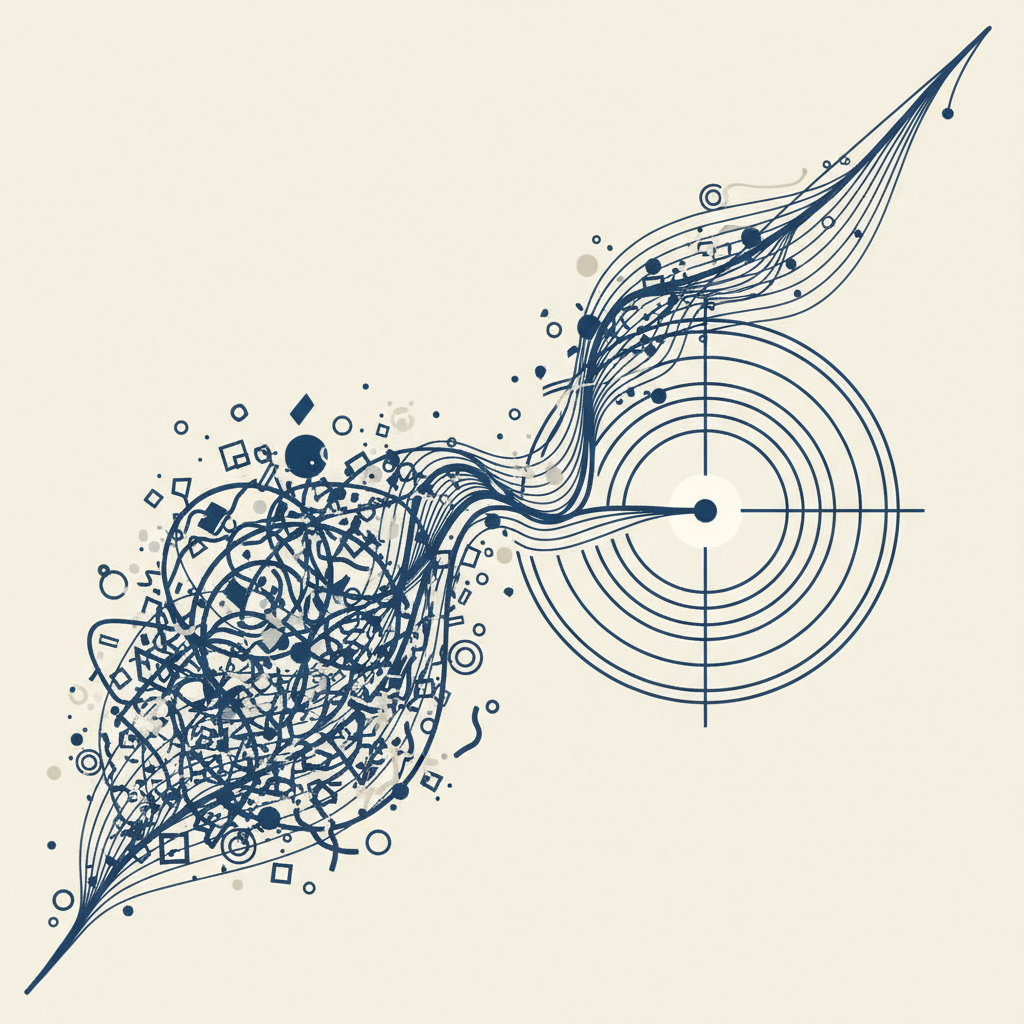
Core Premise: Music may regulate arousal levels to sustain attention during monotonous tasks.
Theoretical Framework: Arousal & Performance
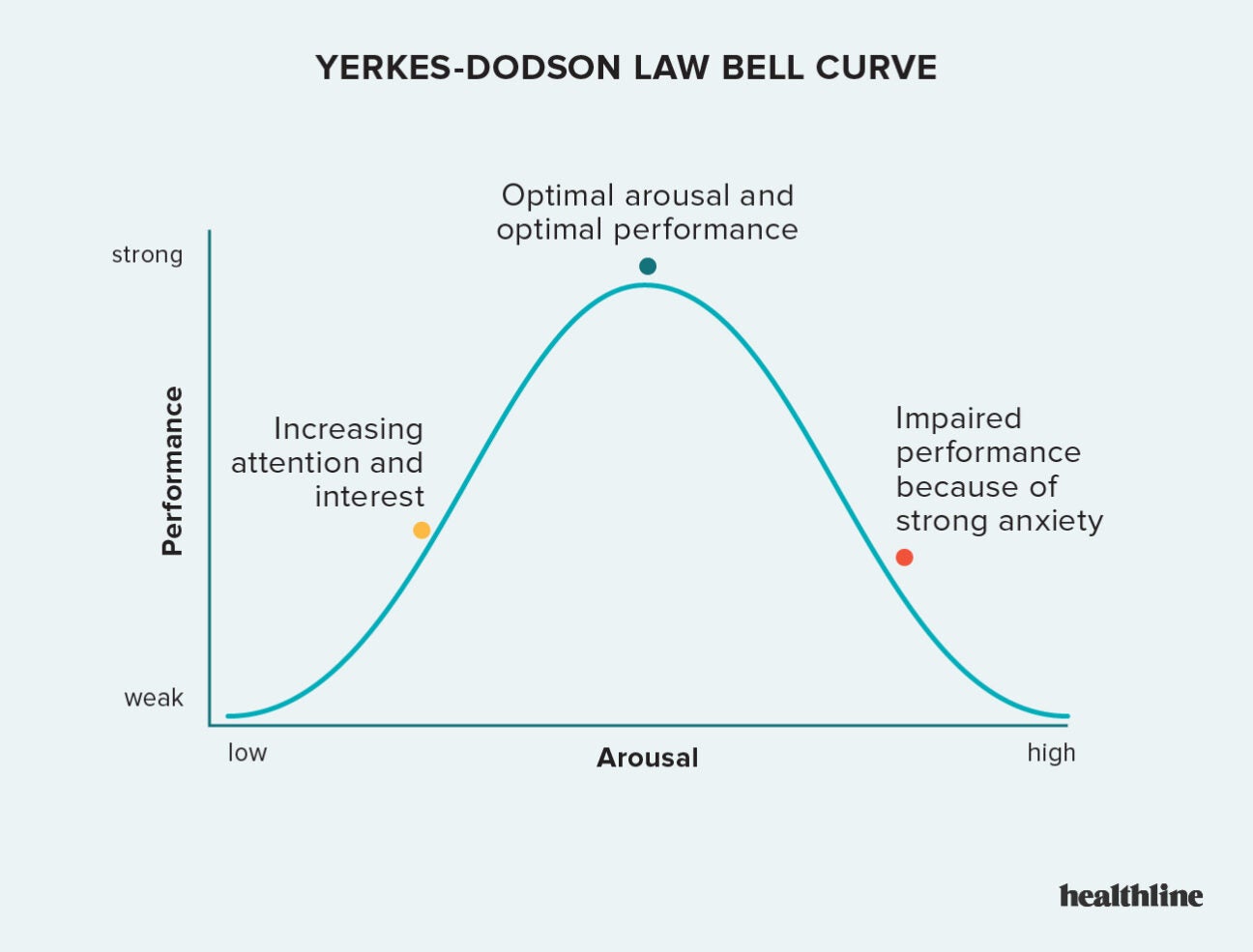
The study is grounded in the Yerkes-Dodson Law (Inverted-U) and the Locus Coeruleus-Norepinephrine (LC-NE) system.
Hypo-arousal: Leads to Mind-Wandering (low performance).
Hyper-arousal: Leads to External Distraction (low performance).
Intermediate Arousal: Optimal Task-Focus state.
Research Hypotheses
H1: Preferred background music will increase the proportion of task-focus states compared to silence (by reducing mind-wandering).
H2: Validity Check - Subjective 'Task-Focus' reports will correlate with shorter Reaction Times (RTs), while 'Mind-Wandering' will link to slower RTs.
H3: Performance - Background music will result in shorter mean RTs and reduce the 'time-on-task' fatigue effect (block-by-block slowing).
Methods: Participants & Design
Participants: 40 students living in London (Mean age = 24). Inclusion criterion: Students who normally listen to background music while working.
Design: Within-subjects. All participants completed the task twice: once in Silence and once with Preferred Music (counterbalanced order).
Music Stimuli: Participants submitted a 30-min playlist of their own preferred background music (Spotify data analyzed: Mean Tempo 112 BPM, mostly Pop/Instrumental).
Methods: The Task (PVT)
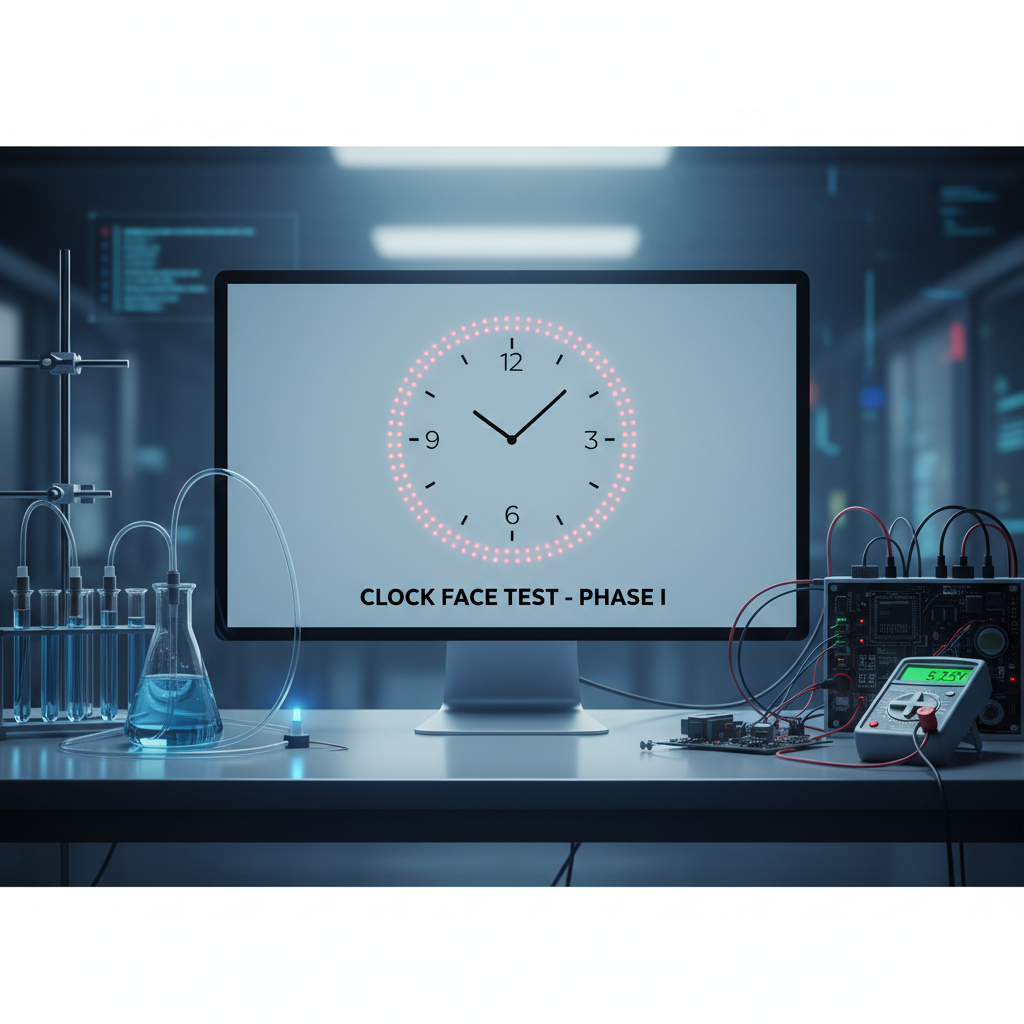
Psychomotor Vigilance Task (PVT): Analogue clock face. Participants click mouse as soon as the hand starts moving. Variable wait times (2-10s).
Thought Probes: 34 trials per block (5 blocks). 6 random probes per block asking 'Characterize your current conscious experience':
1. Mind Wandering / Blank | 2. Task Focused | 3. External Distraction
Results: Shift in Attentional States
Significant increase in task focus and decrease in mind wandering with music.
Results: Summary of Findings
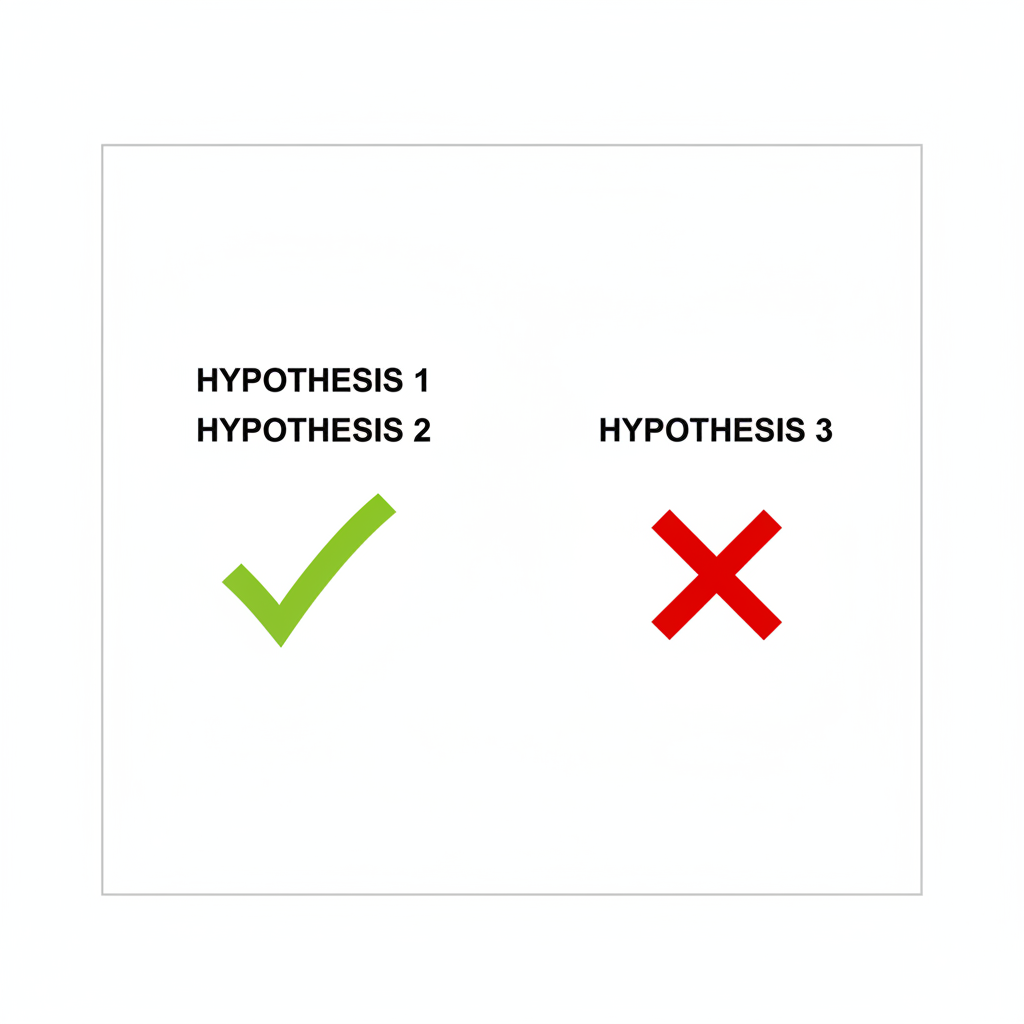
State Changes (H1 Supported): Preferred music significantly increased Task-Focus (M=0.62 vs 0.54) and decreased Mind-Wandering (M=0.18 vs 0.27). No effect on External Distraction.
Validity Check (H2 Supported): Subjective 'Task-Focus' states were indeed linked to shorter Reaction Times globally, confirming participants were accurate in their self-reports.
Behavioral Performance (H3 Not Supported): Despite feeling more focused, Music did NOT produce faster overall Reaction Times compared to Silence. Time-on-task fatigue occurred in both conditions.
Discussion: Arousal vs. Cognitive Load
The Arousal Framework (Supported): Borings tasks cause hypo-arousal (mind-wandering). Music boosts arousal to an intermediate 'optimal' level, facilitating focus.
vs. Cognitive Load (Contradicted): Cognitive Load theory suggests music takes up processing resources and distracts. The data contradicted this; music did not increase external distraction.
The Disconnect: Why focus but no speed? Participants may have been 'ready' (focused) but physically fatigued, or the task was too simple for focus to translate into motor speed improvements.
Conclusion & Personal Analysis
Conclusion: Preferred background music is a beneficial tool for maintaining Subjective Task Focus during low-demand, sustained attention tasks, likely by regulating arousal. It reduces mind-wandering but doesn't necessarily speed up reflexes.
Critique & Opinion
- Strength: High ecological validity (own music, own environment). - Limitation: 'Null' result on RT is puzzling; suggests subjective feeling of focus doesn't always equal objective performance gains. - Application: Good justification for students using music to study for boring/repetitive subjects.
- psychology-research
- attention
- background-music
- focus-tips
- cognitive-science
- productivity
- arousal-theory