



Apatinib: TKI Mechanism, Clinical Efficacy & Research Guide
Explore the mechanism, efficacy in gastric cancer and HCC, and future combination therapies of Apatinib (VEGFR-2 TKI) in this clinical research overview.
Apatinib: A Novel TKI
Mechanism, Clinical Efficacy, and Future Directions
Clinical Research Overview
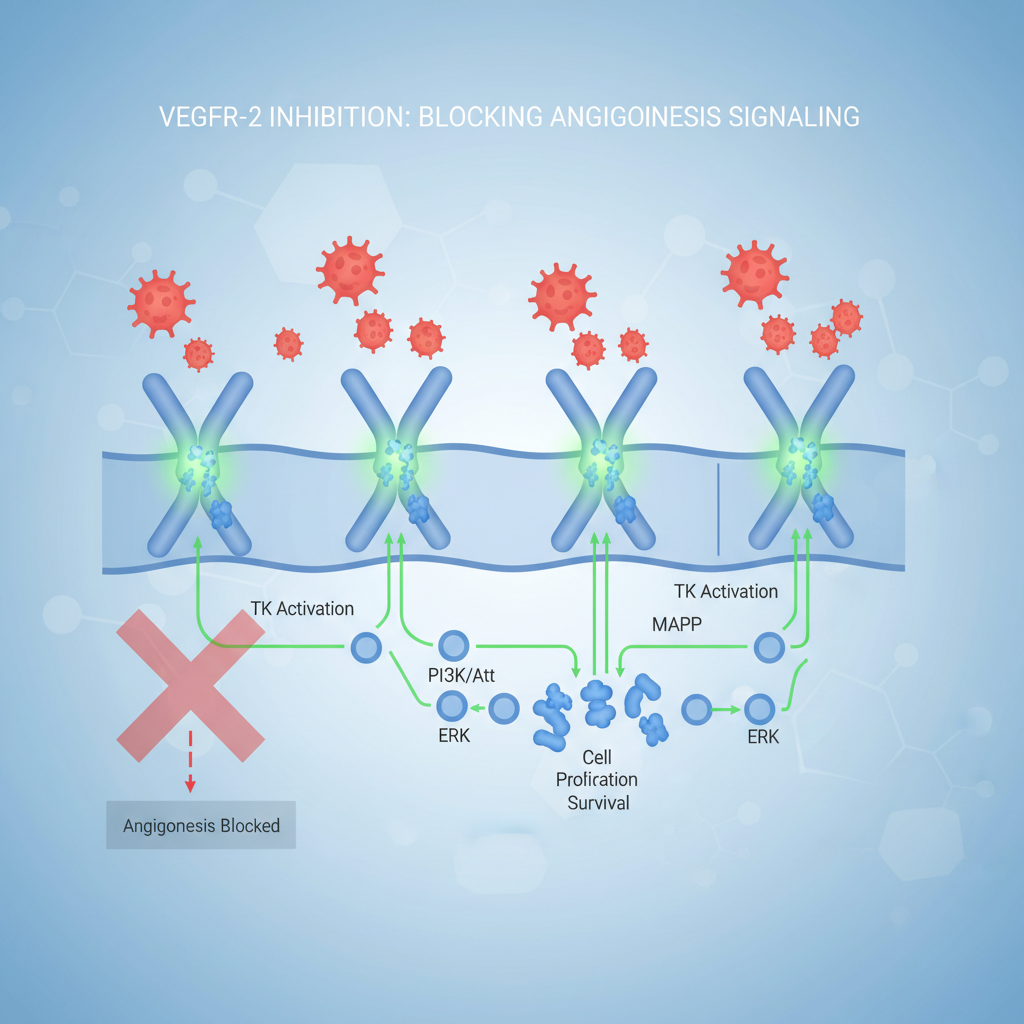
Mechanism of Action
Apatinib is a small-molecule tyrosine kinase inhibitor (TKI) that highly selectively targets Vascular Endothelial Growth Factor Receptor-2 (VEGFR-2). By blocking this pathway, it effectively inhibits tumor angiogenesis—the process by which tumors grow new blood vessels to survive.
• Selective inhibition of VEGFR-2 tyrosine kinase activity.<br>• Blocks VEGF-mediated endothelial cell migration and proliferation.<br>• Decreases tumor microvessel density.
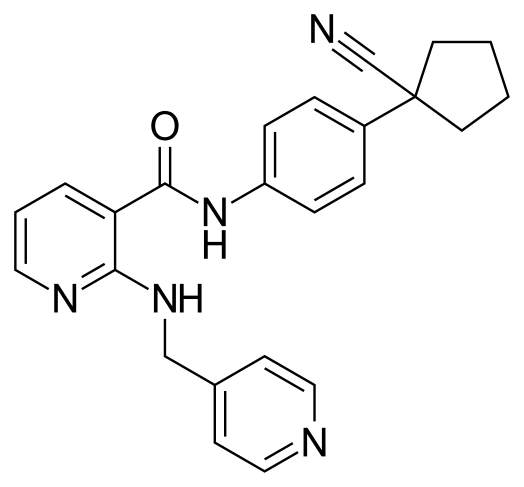
Chemical Properties & Structure
Small Molecule TKI
Oral Administration
Highly Potent binding affinity to VEGFR-2
Clinical Efficacy: Gastric Cancer
Phase III Trial Results (Li et al., J Clin Oncol 2016). Significant improvement in Overall Survival (OS) for advanced gastric cancer patients failing prior chemotherapy.
Efficacy in Hepatocellular Carcinoma (HCC)
Results from the HELP Study (Qin et al., JAMA Oncol 2021). Apatinib serves as a viable option for patients with advanced HCC who progressed on first-line therapy.
Broad Spectrum Application
<b>NSCLC</b><br>Studied in advanced non-squamous NSCLC showing prolonged PFS compared to placebo.
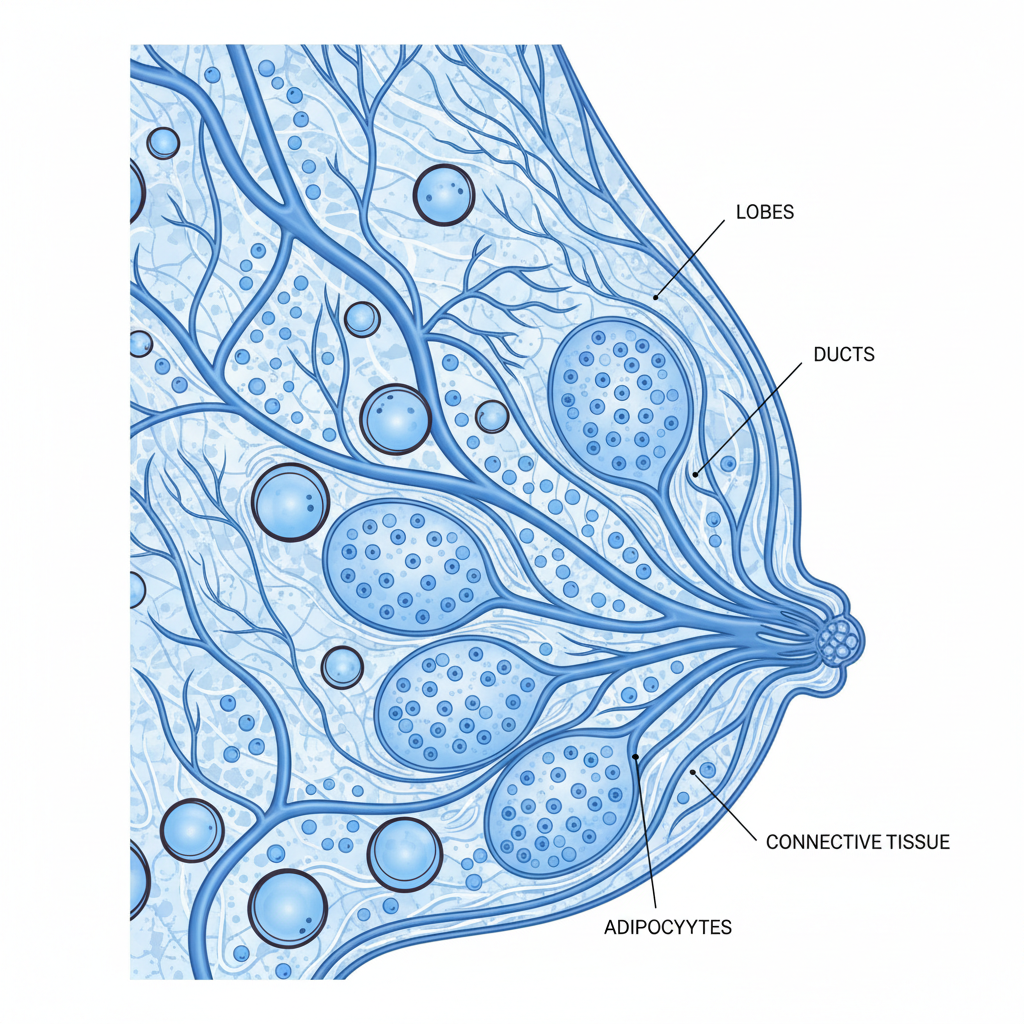
<b>Breast Cancer</b><br>Showing potential in non-triple-negative metastatic breast cancer in later lines of therapy.
<b>Ovarian Cancer</b><br>Example: APPROVE trial. Apatinib combined with chemotherapy showed improved PFS.
Safety Profile & Adverse Events
Apatinib has a manageable toxicity profile, characteristic of VEGFR TKIs. Most adverse events (AEs) are mild to moderate and can be managed with dose interruptions or reductions.
Pharmacokinetics (PK)
Absorption (Tmax)
3 - 4 Hours
Half-life (t1/2)
~9 Hours
Metabolism
Hepatic (CYP3A4)
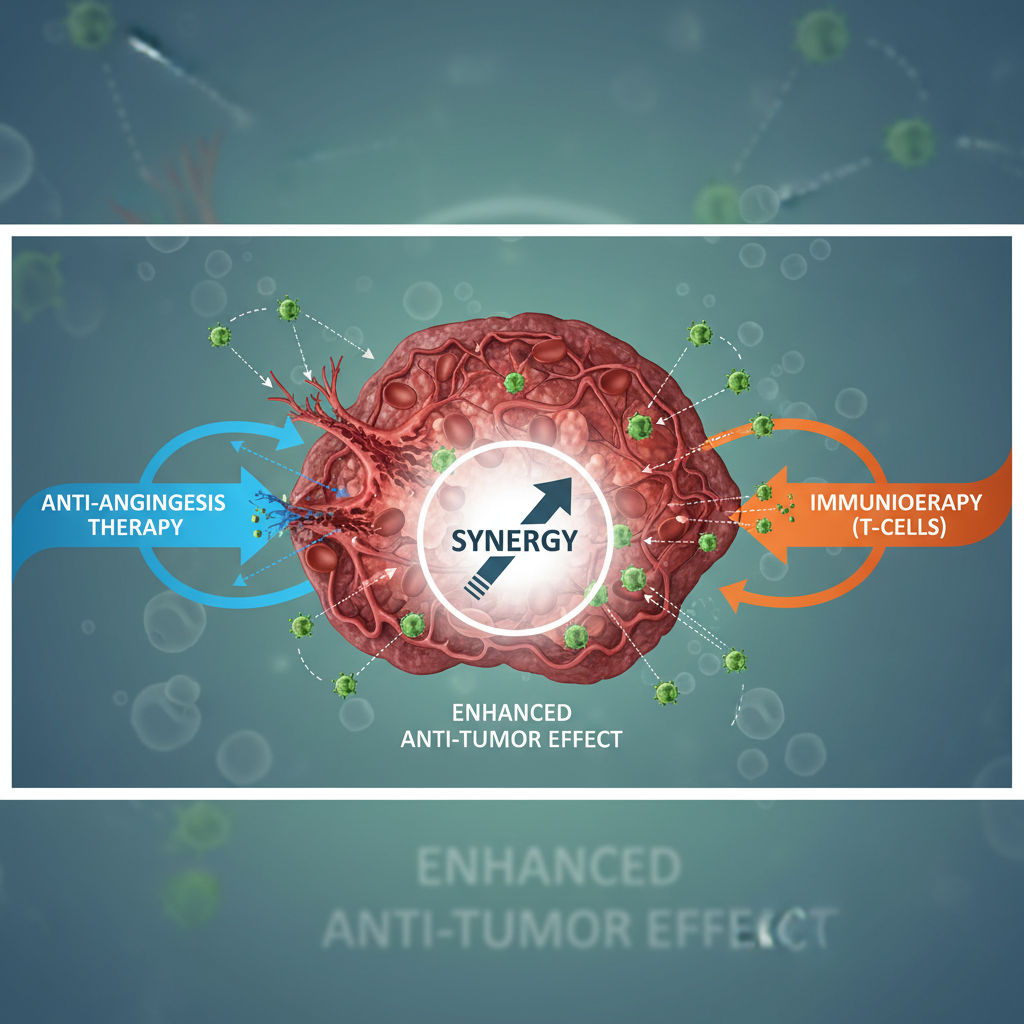
Synergy: Immunotherapy Combination
Apatinib normalizes tumor vasculature, thereby enhancing the infiltration of immune effector cells. This creates a synergistic effect when combined with PD-1 inhibitors (e.g., Camrelizumab).
Key Takeaways
Mechanism
Highly selective VEGFR-2 inhibitor targeting tumor angiogenesis.
Indications
Proven efficacy in Gastric Cancer and HCC; promising in Lung, Breast, and Ovarian cancers.
Future
Combination therapies with immune checkpoint inhibitors represent the primary path forward.
- apatinib
- tyrosine-kinase-inhibitor
- oncology
- gastric-cancer
- hcc
- vegfr-2
- cancer-research
- angiogenesis