

The 1952 Egyptian Revolution: History and Legacy
Explore the historical journey of Egypt's 1952 Revolution, from the fall of the monarchy to the rise of Gamal Abdel Nasser and the Free Officers Movement.
Thawrat 23 Yulyu: The 1952 Revolution
University Project | History Department
Introduction to the Era
The 1952 Egyptian Revolution marked a pivotal turning point in the modern history of the Middle East. It ended the rule of the Muhammad Ali dynasty and established a republic, fundamentally altering埃及's social, political, and economic landscape.
I. The Prelude: Monarchy in Crisis
Factors Leading to Unrest
British Occupation: Continued military presence in the Suez Canal zone fueled nationalist resentment.
The 1948 War: The defeat in Palestine exposed corruption and lack of preparedness in the military.
Economic Inequality: A stark gap between the wealthy feudal landowners and the impoverished peasantry.
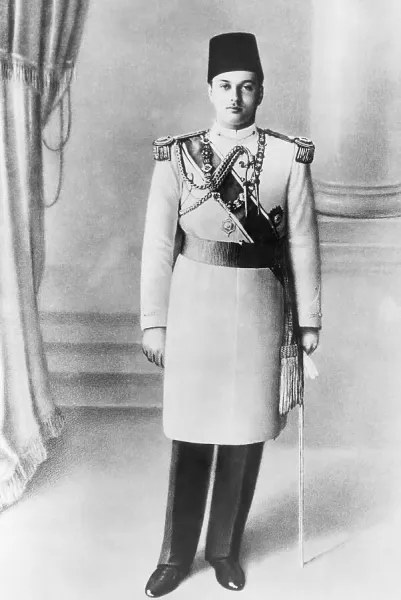
King Farouk's Reign
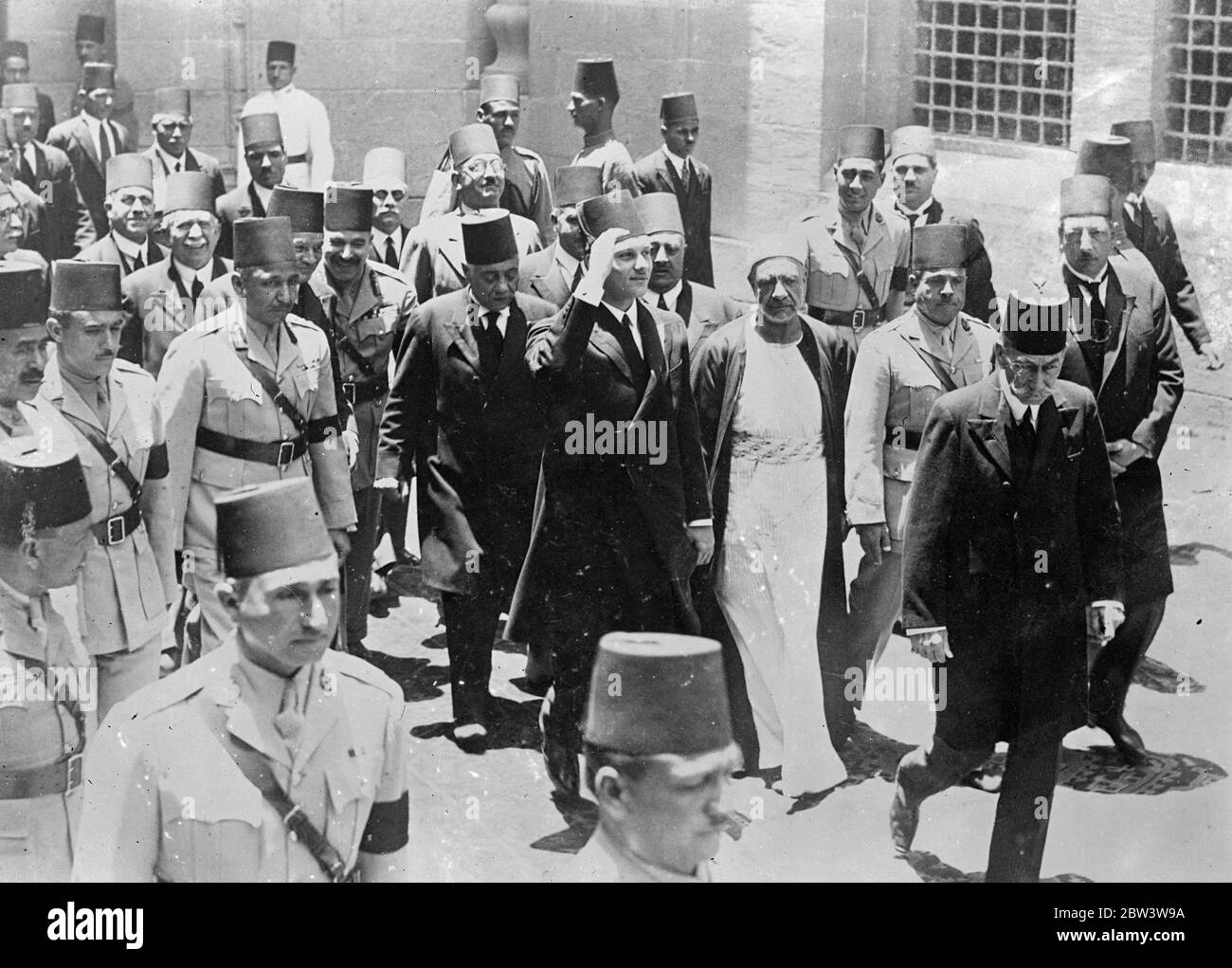
Ascending to the throne at a young age, Farouk was initially popular but soon lost public support due to his lavish lifestyle during times of hardship. His administration was plagued by allegations of corruption and an inability to challenge British influence effectively.
II. The Free Officers Movement
Formation & Ideology
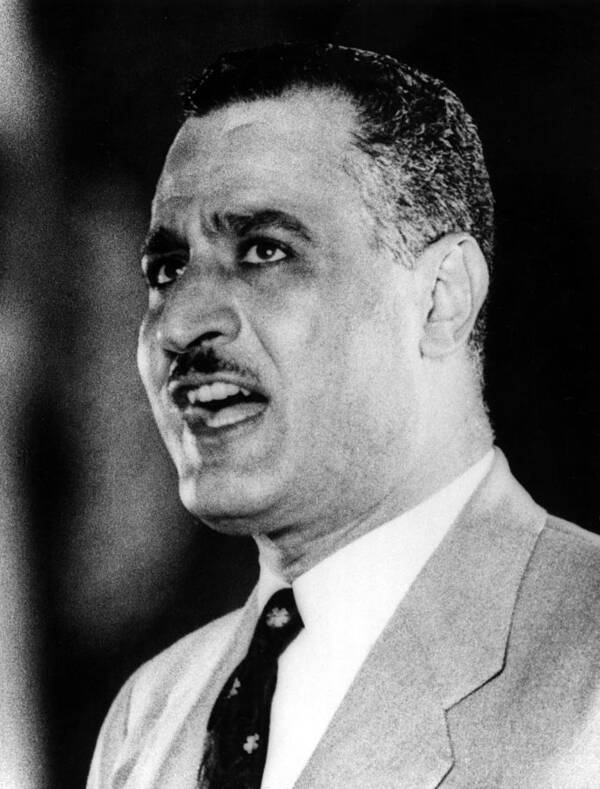
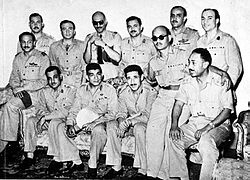
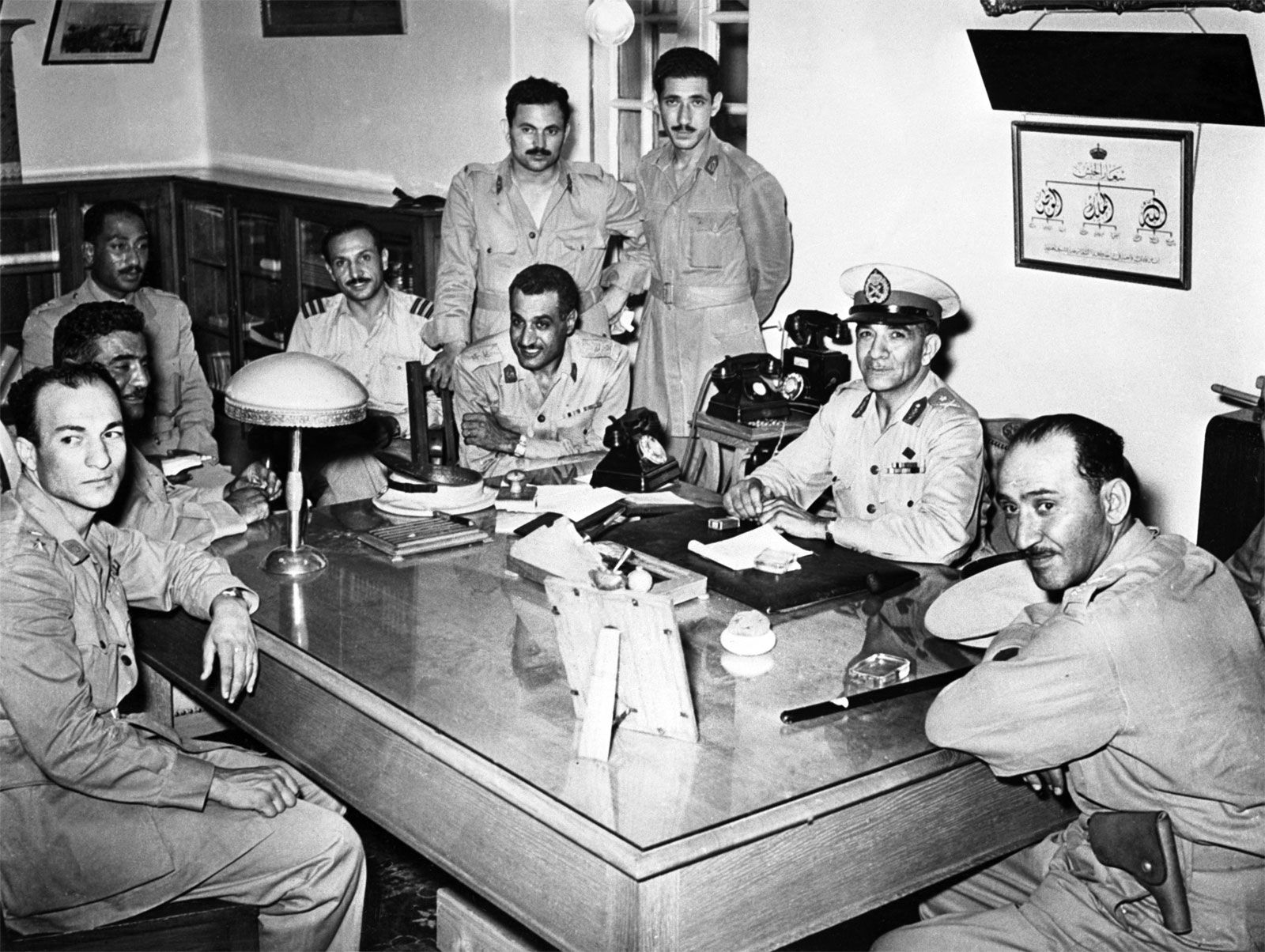
Founded clandestinely within the army, the movement sought to abolish the monarchy and British occupation. Led primarily by Gamal Abdel Nasser, the group operated in secrecy to avoid detection by the King's spies and British intelligence.
Key Figures of the Movement
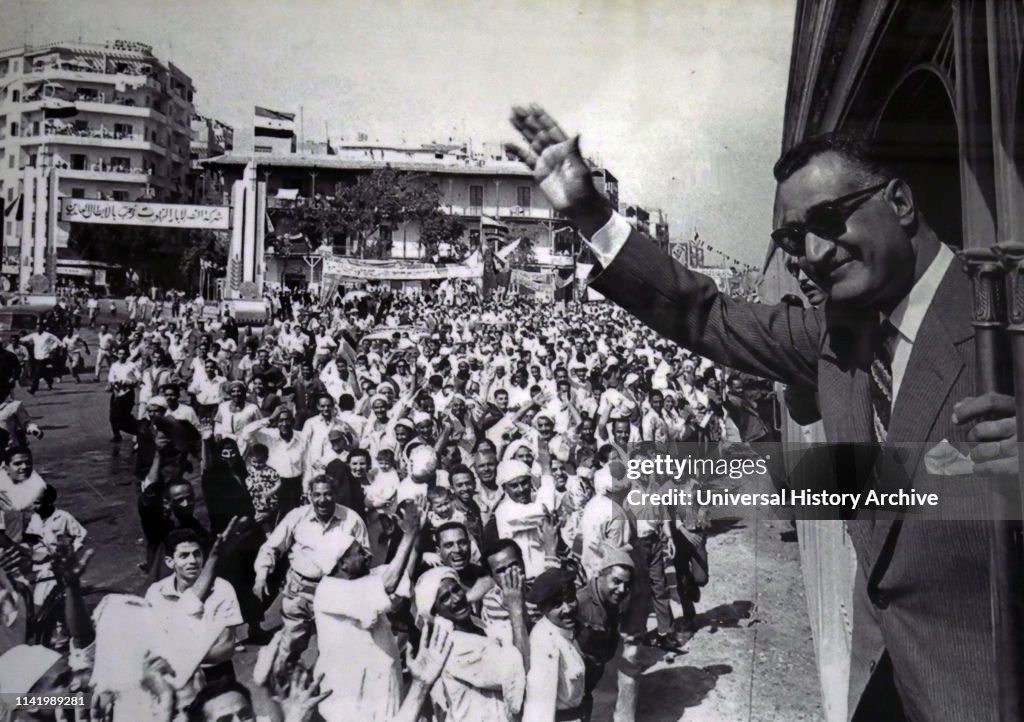
GAMAL ABDEL NASSER: The charismatic strategist and de facto leader who would later become President.
MOHAMED NAGUIB: A senior officer chosen as the movement's figurehead due to his high rank and respectability.
ANWAR EL-SADAT: A core member who announced the revolution on radio and succeeded Nasser.
III. The Coup of 1952
Timeline: July 23rd
01:00 AM - Free Officers seize key military headquarters.
07:30 AM - Sadat broadcasts the first communiqué of the revolution.
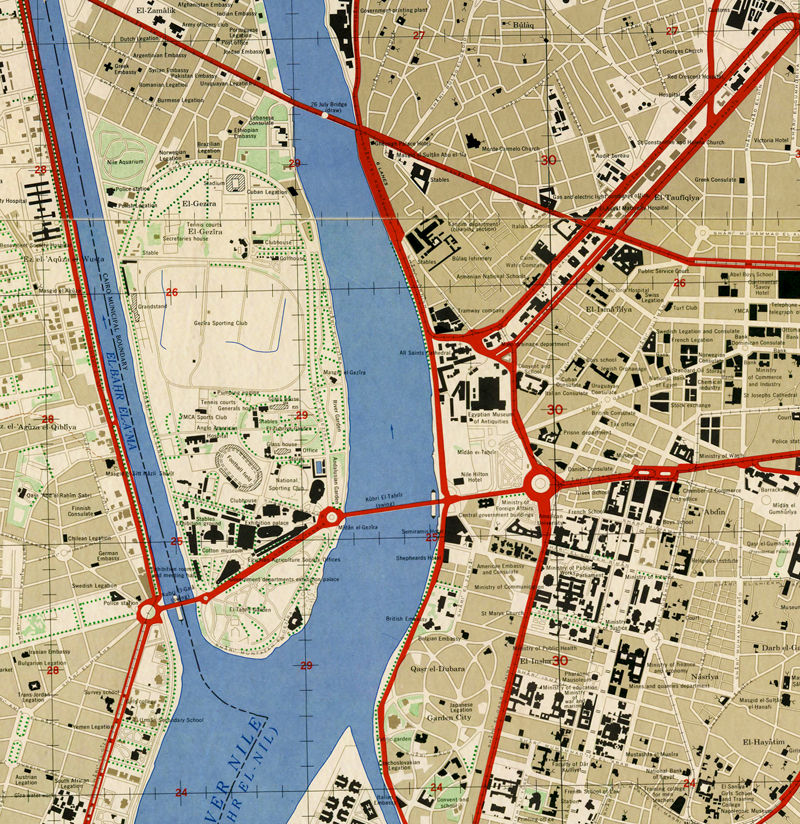
12:00 PM - The city of Cairo is secured; Farouk is in Alexandria.
The Abdication
"I have decided to abdicate the Throne in favor of my son, Prince Ahmed Fuad... to ensure the country's progress and happiness."
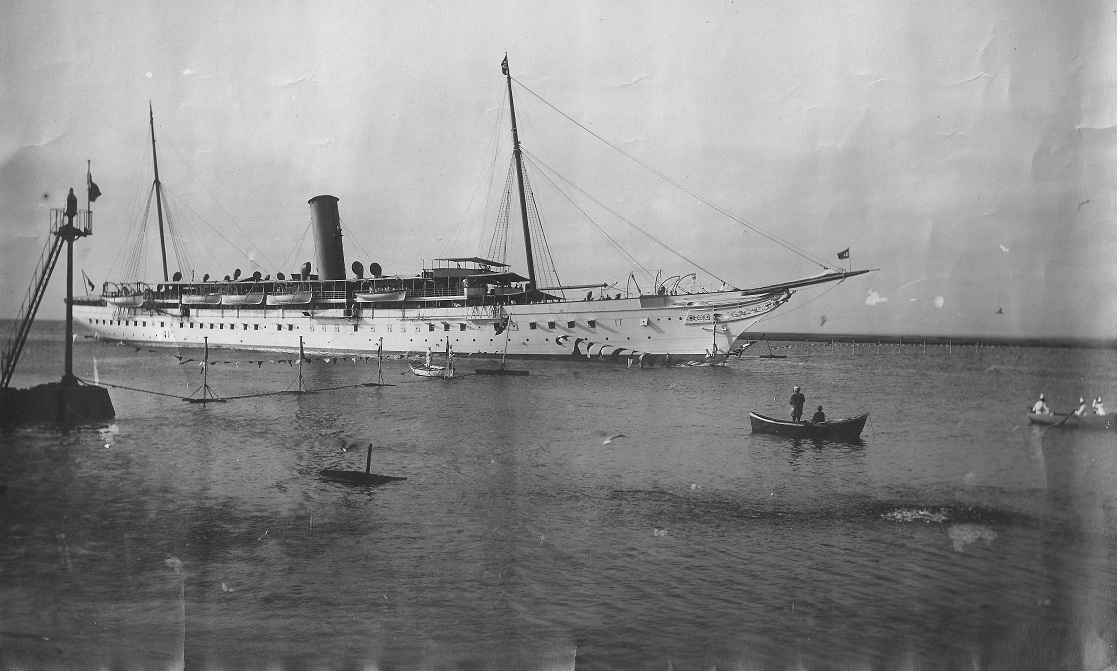
King Farouk departed Egypt on the royal yacht Mahroussa on July 26, 1952, marking the end of the Muhammad Ali dynasty's 150-year rule.
IV. Post-Revolution Era
Nasser's Presidency
Consolidating power in 1954, Nasser championed Arab Socialism and Pan-Arabism. His major policies included the Agrarian Reform Law, the nationalization of the Suez Canal, and the construction of the Aswan High Dam.
Conclusion & Legacy
The 1952 Revolution ended foreign rule and transformed Egypt into a leading power in the non-aligned world. Its legacy remains a subject of intense historical study, representing both the promise of independence and the complexities of military governance.
- egyptian-history
- 1952-revolution
- gamal-abdel-nasser
- free-officers-movement
- middle-east-history
- king-farouk
- modern-egypt