

Made byBobr AI

Evolution of Indian Society: Pre & Post Constitution

Explore the comparative analysis of Indian governance, rights, and social structure from the colonial era (1919) through the early Republic (1970).

#indian-constitution#social-history#political-science#fundamental-rights#colonial-india#legal-studies#sociology

Indian Society: Before and After Constitutional Adoption

A Comparative Analysis of Governance, Rights, and Social Structure (1919–1970)

Prepared for Undergraduate Studies | Academic Session 2026

Made byBobr AI

Historical Timeline & Context

Late Colonial Period (1919–1947): Marked by Govt of India Acts (1919, 1935) introducing limited representation and Dyarchy.
Independence (1947): Indian Independence Act led to transfer of power, Partition crisis, and end of British paramountcy.
Drafting Period (1946–1949): Constituent Assembly spent 2 years, 11 months debating rights, federalism, and social justice.
Adoption (1950): Constitution enforced on Jan 26, 1950, transitioning India to a Sovereign Democratic Republic.
Early Republic (1950–1970): Era of nation-building, First General Elections (1952), and States Reorganization (1956).
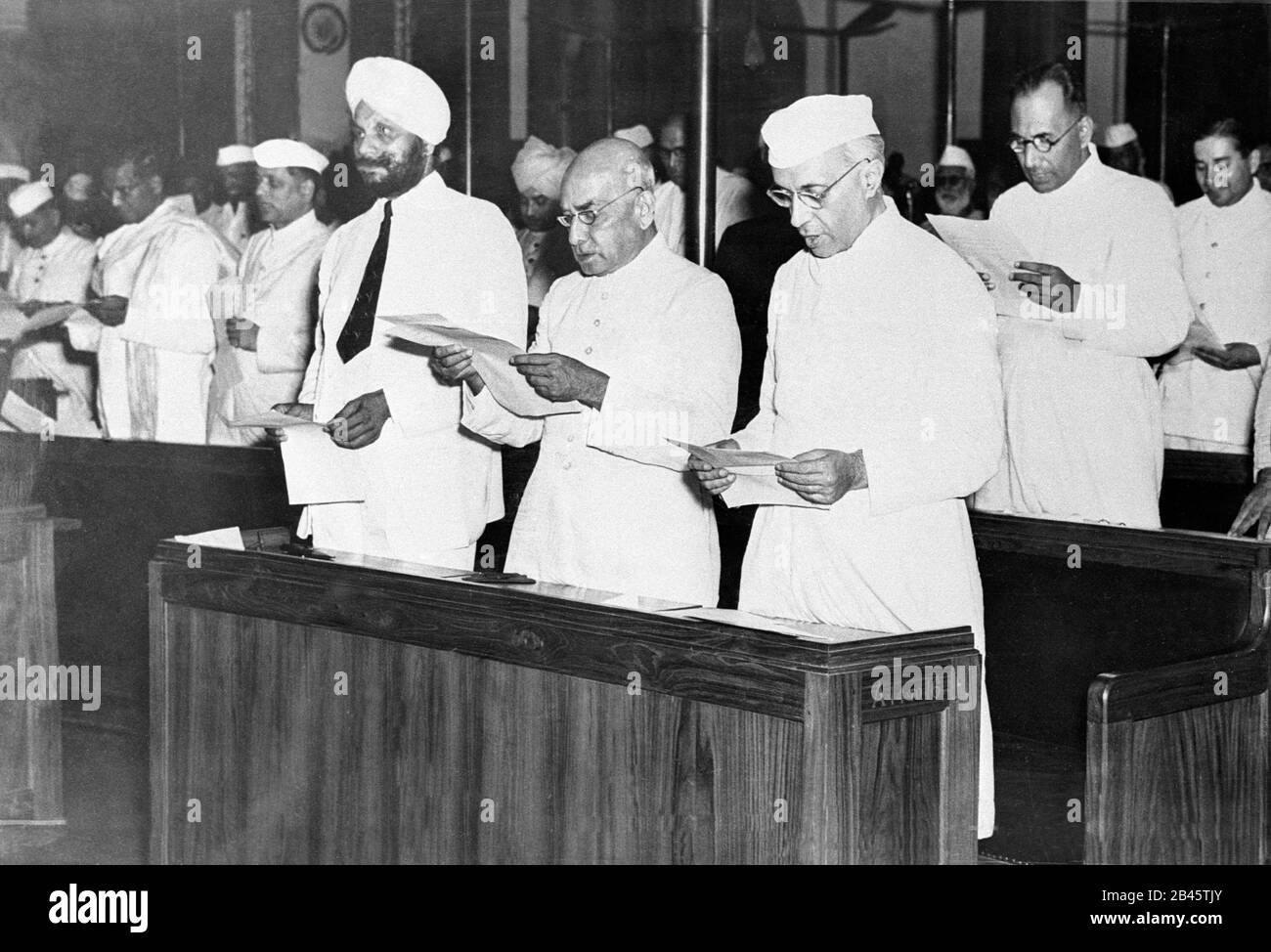
Old black and white photo of the Constituent Assembly of India meeting in 1946, historical archive style
Made byBobr AI

Governance: Colonial Arbitrariness vs. Constitutional Rule

Before Adoption (1919-1947)

Colonial Autocracy: Executive not accountable to Indian people; Viceroy held veto powers.
Civil Liberties: Suppressed by laws like Rowlatt Act (1919) allowing detention without trial.
Representation: Restricted franchise (~10% owned property/tax criteria); Separate electorates deepend communal divides.
Sovereignty: Ultimate authority resided with the British Crown and Parliament.

After Adoption (1950 Onwards)

Parliamentary Democracy: Executive collectively responsible to the Legislature (Lok Sabha).
Fundamental Rights: justiciable rights (Part III) including Article 21 (Life & Liberty) and Article 19 (Free Speech).
Universal Franchise: Article 326 granted voting rights to all citizens >21 years (later 18), ensuring political equality.
Popular Sovereignty: "We, the People" as the source of all authority.
Made byBobr AI

Political Participation: Expansion of the Electorate

The most dramatic shift was the transition from a limited, property-based colonial franchise to Universal Adult Franchise.

1919: Franchise restricted to property owners, tax-payers (~2.8% of population).
1935: Expanded slightly (~14% of population).
1951: Article 326 enfranchised 173 million citizens instantly, making it the largest democratic experiment in history [5].
Chart
Made byBobr AI

Fundamental Rights vs. Colonial Privileges

Absence of Rights (Pre-1950): Rights were statutory, not fundamental. The colonial state could suspend liberties at will (e.g., Vernacular Press Act, Rowlatt Act) to suppress dissent.
Part III of the Constitution (Post-1950): Enshrined justiciable Fundamental Rights usable against the State.
Key Rights Introduced:
Equality (Art. 14-18): Equal protection of laws.
Freedom (Art. 19-22): Speech, assembly, movement.
Life (Art. 21): Protection of life and personal liberty, expanded by judiciary [1].
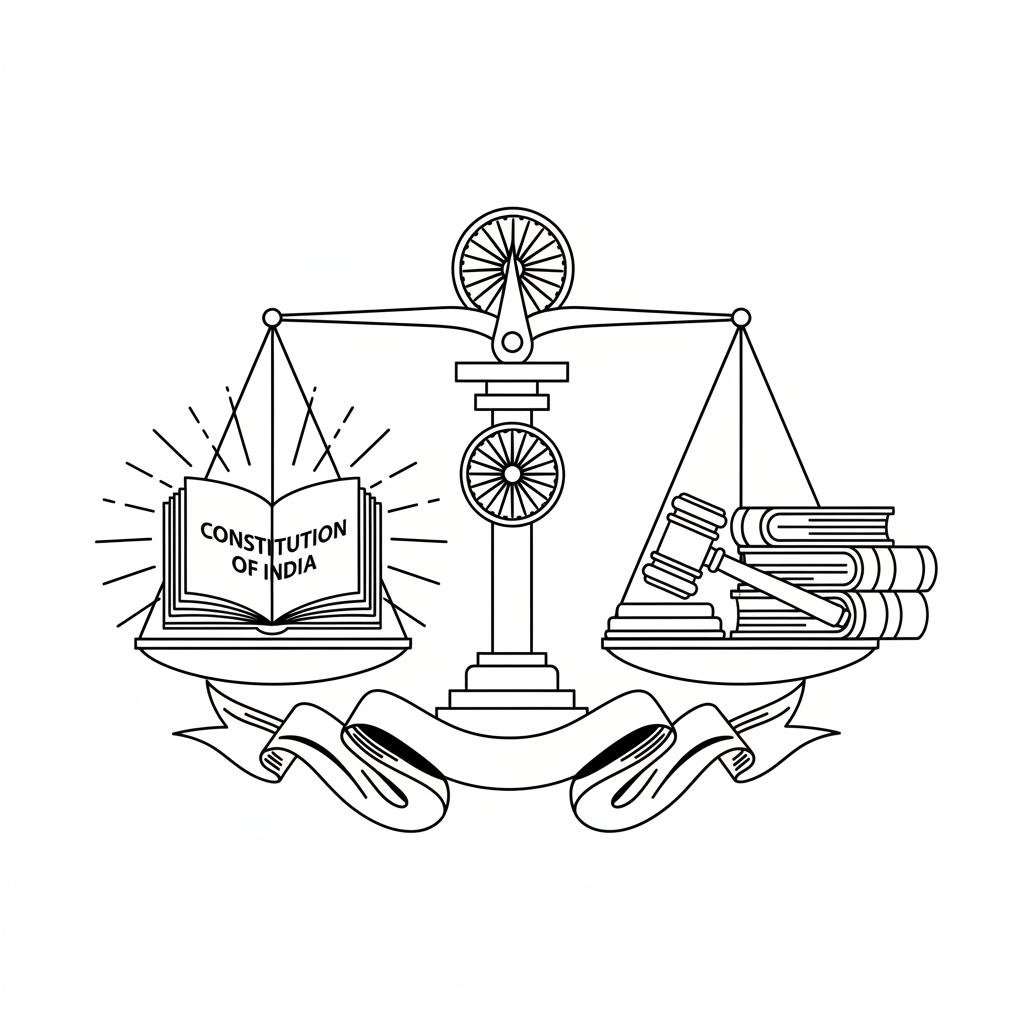
Scales of justice illustration with Indian constitution book, academic, clean line art
Made byBobr AI

Social Structure: Caste and Untouchability

Before Adoption (Inequality):
• Society was stratified by rigid hierarchy.
• 'Untouchability' was practiced openly with social sanction.
• Access to public wells, schools, and temples was denied to depressed classes.
• British laws often "non-interfering" to maintain order [1].

After Adoption (Social Justice):
Article 17: Abolished 'Untouchability' entirely - a revolutionary step.
Article 15: Prohibited discrimination on caste, religion, race, sex, or place of birth.
Reservations: Political (Art 330/332) and job quotas for SC/STs to ensure inclusion.

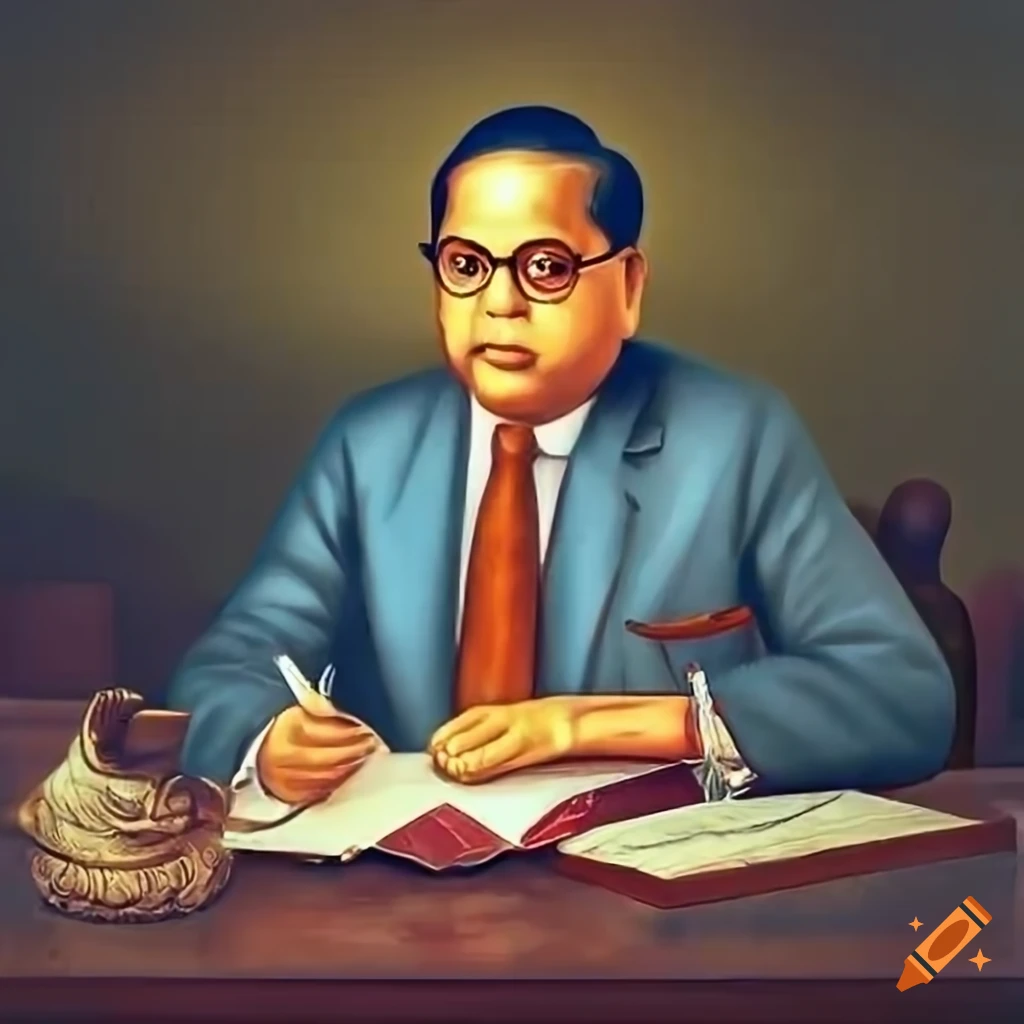
Dr. Ambedkar writing the constitution, historical painting style
Made byBobr AI

Justice for Scheduled Castes & Tribes (SC/ST)

Constitutional Bodies: Original Article 338 appointed a Special Officer for SC/STs (later a Commission) to investigate safeguards violation [2].

Affirmative Action Evolution:
- Article 16(4): Empowered state to reserve appointments for backward classes not adequately represented.
- Initial Period (1950-1970): Focus was on implementing reservation in government jobs and education, though fulfillment of quotas remained slow initially.
- Prevention of Atrocities: While act came in 1989, the constitutional groundwork against exploitation was laid in Articles 23 & 46.
Abstract representation of equality ladders or stepping stones, minimal business style vector
Made byBobr AI

Status of Women: Legal Transformation

https://bobr.ams3.digitaloceanspaces.com/searched/e7f45798-6a3d-4fa1-bb43-f3f7ec037a26.jpg
Pre-Independence: Women suffered from legal disabilities—limited inheritance rights, widespread illiteracy, lack of divorce rights, and customs like Purdah/Sati (though Sati was banned earlier).

Post-1950 Legal Revolution:
- Political Equality: Women got the vote on the same day as men (1950), decades ahead of some Western nations.
- Hindu Code Bills (1955-56): A watershed moment led by Ambedkar/Nehru that gave Hindu women divorce rights and property shares [3].
- Maternity Relief: Article 42 directed the state to provide just work conditions.
Made byBobr AI

Economic Philosophy: Exploitation to Planning

Colonial Economy (Extractive)
• Economy geared towards supplying raw materials to Britain and importing finished goods.
• "Drain of Wealth" theory largely accepted.
• Landlords (Zamindars) acted as intermediaries, squeezing peasants for revenue.
• Famines were recurrent (e.g., Bengal 1943).
Socialist Republic (Welfare State)
Directive Principles: Article 39(b) & (c) aimed to distribute material resources for common good and prevent wealth concentration.
Planning Era: First Five-Year Plan (1951-56) focused on agriculture; Second Plan (1956-61) on heavy industry.
Land Reforms: Laws passed to abolish Zamindari system and secure tenancy rights.
Made byBobr AI

Regional Integration: From Fragmentation to Unity

Before 1947 (Political Fragmentation):
• India was a patch-work of British Provinces (directly ruled) & 565 Princely States (indirectly ruled).
• Customs barriers and lack of administrative unity hindered national markets.
• Princely states had autocratic rulers with no democratic rights for subjects.
The Union of States (Integration):
Patel's Integration: 500+ states merged into the Union (1947-49).
Article 1: Defined India as a "Union of States," indestructible.
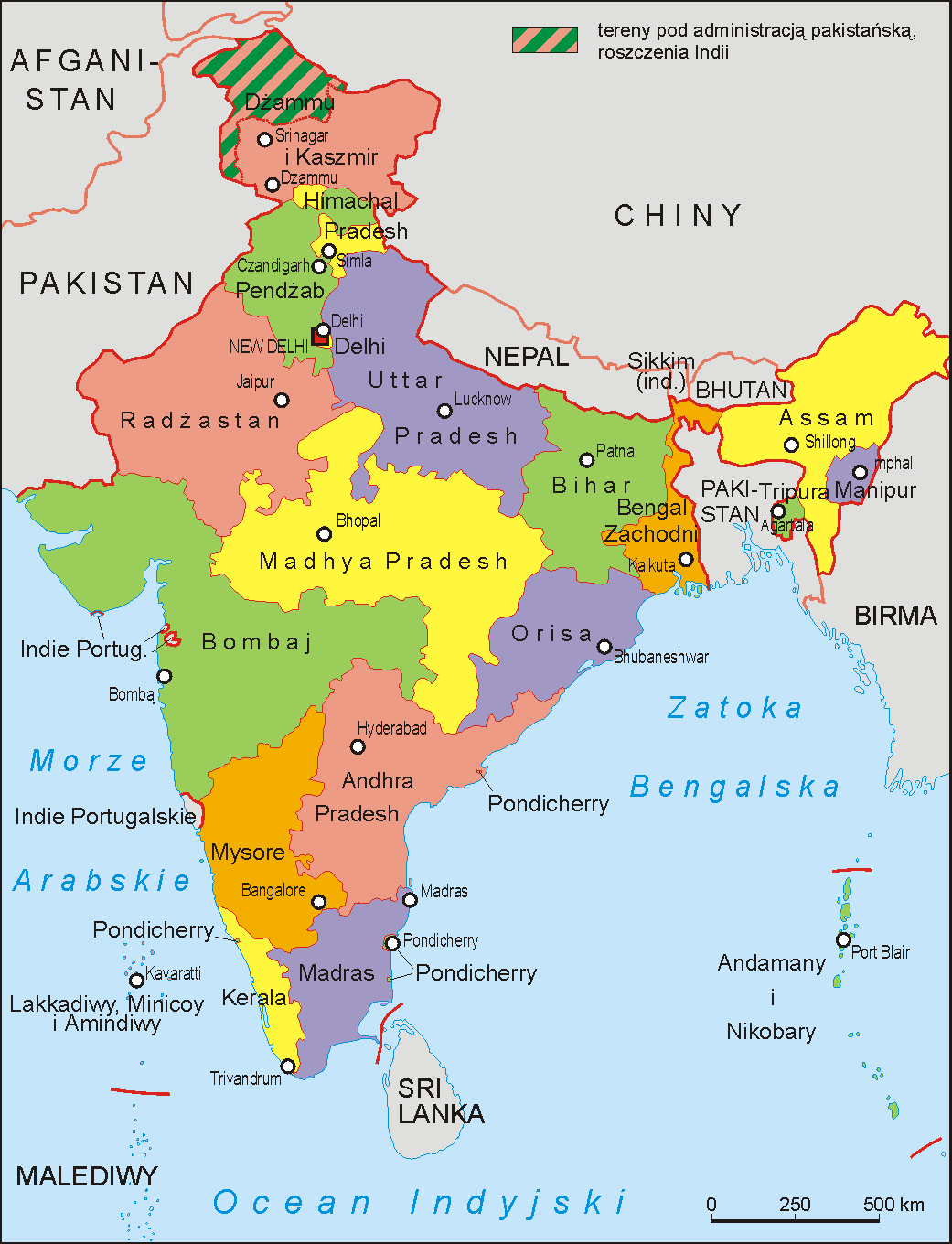
States Reorganisation Act (1956): Redrew boundaries on linguistic lines (e.g., Andhra, Karnataka) to meet democratic aspirations while preserving unity [1].
Map of India 1956 reorganised states historical map

*Visual representation of 1956 State Reorganization

Made byBobr AI

Religious Freedom and Secularism

Divide and Rule (Pre-1947):
- 1909 Minto-Morley Reforms: Introduced separate electorates for Muslims.
- 1919/1935 Acts: Extended this to Sikhs, Christians, and Europeans, hardening religious identities.

Secular Fabric (Post-1950):
- No State Religion: India chose to be a secular state unlike Pakistan.
- Article 25: Freedom of conscience to all.
- Article 30: Minority educational rights to preserve culture [4].
Unity in diversity symbols India artistic illustration
Made byBobr AI

Summary: The Great Transformation

Dimension

Power Source
Rights
Society
Economy

Colonial India (Pre-1947)

British Parliament
Revocable Privileges
Sanctioned Hierarchy
Extractive & Feudal

Republic (Post-1950)

People (Constitution)
Fundamental Rights
Egalitarian & Secular
Planned & Welfare-Oriented

Made byBobr AI
Bobr AI

DESIGNER-MADE
PRESENTATION,
GENERATED FROM
YOUR PROMPT

Create your own professional slide deck with real images, data charts, and unique design in under a minute.

Generate For Free

Evolution of Indian Society: Pre & Post Constitution

Explore the comparative analysis of Indian governance, rights, and social structure from the colonial era (1919) through the early Republic (1970).

Indian Society: Before and After Constitutional Adoption

A Comparative Analysis of Governance, Rights, and Social Structure (1919–1970)

Prepared for Undergraduate Studies | Academic Session 2026

Historical Timeline & Context

• <b>Late Colonial Period (1919–1947):</b> Marked by Govt of India Acts (1919, 1935) introducing limited representation and Dyarchy.<br>• <b>Independence (1947):</b> Indian Independence Act led to transfer of power, Partition crisis, and end of British paramountcy.<br>• <b>Drafting Period (1946–1949):</b> Constituent Assembly spent 2 years, 11 months debating rights, federalism, and social justice.<br>• <b>Adoption (1950):</b> Constitution enforced on Jan 26, 1950, transitioning India to a Sovereign Democratic Republic.<br>• <b>Early Republic (1950–1970):</b> Era of nation-building, First General Elections (1952), and States Reorganization (1956).

Governance: Colonial Arbitrariness vs. Constitutional Rule

Before Adoption (1919-1947)

• <b>Colonial Autocracy:</b> Executive not accountable to Indian people; Viceroy held veto powers.<br>• <b>Civil Liberties:</b> Suppressed by laws like Rowlatt Act (1919) allowing detention without trial.<br>• <b>Representation:</b> Restricted franchise (~10% owned property/tax criteria); Separate electorates deepend communal divides.<br>• <b>Sovereignty:</b> Ultimate authority resided with the British Crown and Parliament.

After Adoption (1950 Onwards)

• <b>Parliamentary Democracy:</b> Executive collectively responsible to the Legislature (Lok Sabha).<br>• <b>Fundamental Rights:</b> justiciable rights (Part III) including Article 21 (Life & Liberty) and Article 19 (Free Speech).<br>• <b>Universal Franchise:</b> Article 326 granted voting rights to all citizens >21 years (later 18), ensuring political equality.<br>• <b>Popular Sovereignty:</b> "We, the People" as the source of all authority.

Political Participation: Expansion of the Electorate

The most dramatic shift was the transition from a limited, property-based colonial franchise to Universal Adult Franchise.<br><br>• <b>1919:</b> Franchise restricted to property owners, tax-payers (~2.8% of population).<br>• <b>1935:</b> Expanded slightly (~14% of population).<br>• <b>1951:</b> Article 326 enfranchised 173 million citizens instantly, making it the largest democratic experiment in history [5].

Fundamental Rights vs. Colonial Privileges

<b>Absence of Rights (Pre-1950):</b> Rights were statutory, not fundamental. The colonial state could suspend liberties at will (e.g., Vernacular Press Act, Rowlatt Act) to suppress dissent.

<b>Part III of the Constitution (Post-1950):</b> Enshrined justiciable Fundamental Rights usable against the State.

<b>Key Rights Introduced:</b><br>• <b>Equality (Art. 14-18):</b> Equal protection of laws.<br>• <b>Freedom (Art. 19-22):</b> Speech, assembly, movement.<br>• <b>Life (Art. 21):</b> Protection of life and personal liberty, expanded by judiciary [1].

Social Structure: Caste and Untouchability

<b>Before Adoption (Inequality):</b><br>• Society was stratified by rigid hierarchy.<br>• 'Untouchability' was practiced openly with social sanction.<br>• Access to public wells, schools, and temples was denied to depressed classes.<br>• British laws often "non-interfering" to maintain order [1].

<b>After Adoption (Social Justice):</b><br>• <b>Article 17:</b> Abolished 'Untouchability' entirely - a revolutionary step.<br>• <b>Article 15:</b> Prohibited discrimination on caste, religion, race, sex, or place of birth.<br>• <b>Reservations:</b> Political (Art 330/332) and job quotas for SC/STs to ensure inclusion.

Justice for Scheduled Castes & Tribes (SC/ST)

• <b>Constitutional Bodies:</b> Original Article 338 appointed a Special Officer for SC/STs (later a Commission) to investigate safeguards violation [2].<br><br>• <b>Affirmative Action Evolution:</b><br>- <b>Article 16(4):</b> Empowered state to reserve appointments for backward classes not adequately represented.<br>- <b>Initial Period (1950-1970):</b> Focus was on implementing reservation in government jobs and education, though fulfillment of quotas remained slow initially.<br>- <b>Prevention of Atrocities:</b> While act came in 1989, the constitutional groundwork against exploitation was laid in Articles 23 & 46.

Status of Women: Legal Transformation

• <b>Pre-Independence:</b> Women suffered from legal disabilities—limited inheritance rights, widespread illiteracy, lack of divorce rights, and customs like Purdah/Sati (though Sati was banned earlier).<br><br>• <b>Post-1950 Legal Revolution:</b><br>- <b>Political Equality:</b> Women got the vote on the same day as men (1950), decades ahead of some Western nations.<br>- <b>Hindu Code Bills (1955-56):</b> A watershed moment led by Ambedkar/Nehru that gave Hindu women divorce rights and property shares [3].<br>- <b>Maternity Relief:</b> Article 42 directed the state to provide just work conditions.

Economic Philosophy: Exploitation to Planning

<b>Colonial Economy (Extractive)</b><br>• Economy geared towards supplying raw materials to Britain and importing finished goods.<br>• "Drain of Wealth" theory largely accepted.<br>• Landlords (Zamindars) acted as intermediaries, squeezing peasants for revenue.<br>• Famines were recurrent (e.g., Bengal 1943).

<b>Socialist Republic (Welfare State)</b><br>• <b>Directive Principles:</b> Article 39(b) & (c) aimed to distribute material resources for common good and prevent wealth concentration.<br>• <b>Planning Era:</b> First Five-Year Plan (1951-56) focused on agriculture; Second Plan (1956-61) on heavy industry.<br>• <b>Land Reforms:</b> Laws passed to abolish Zamindari system and secure tenancy rights.

Regional Integration: From Fragmentation to Unity

<b>Before 1947 (Political Fragmentation):</b><br>• India was a patch-work of British Provinces (directly ruled) & 565 Princely States (indirectly ruled).<br>• Customs barriers and lack of administrative unity hindered national markets.<br>• Princely states had autocratic rulers with no democratic rights for subjects.

<b>The Union of States (Integration):</b><br>• <b>Patel's Integration:</b> 500+ states merged into the Union (1947-49).<br>• <b>Article 1:</b> Defined India as a "Union of States," indestructible.<br>• <b>States Reorganisation Act (1956):</b> Redrew boundaries on linguistic lines (e.g., Andhra, Karnataka) to meet democratic aspirations while preserving unity [1].

Religious Freedom and Secularism

• <b>Divide and Rule (Pre-1947):</b><br>- <b>1909 Minto-Morley Reforms:</b> Introduced separate electorates for Muslims.<br>- <b>1919/1935 Acts:</b> Extended this to Sikhs, Christians, and Europeans, hardening religious identities.<br><br>• <b>Secular Fabric (Post-1950):</b><br>- <b>No State Religion:</b> India chose to be a secular state unlike Pakistan.<br>- <b>Article 25:</b> Freedom of conscience to all.<br>- <b>Article 30:</b> Minority educational rights to preserve culture [4].

Summary: The Great Transformation

Dimension

<b>Power Source</b><br><b>Rights</b><br><b>Society</b><br><b>Economy</b>

Colonial India (Pre-1947)

British Parliament<br>Revocable Privileges<br>Sanctioned Hierarchy<br>Extractive & Feudal

Republic (Post-1950)

People (Constitution)<br>Fundamental Rights<br>Egalitarian & Secular<br>Planned & Welfare-Oriented

  • indian-constitution
  • social-history
  • political-science
  • fundamental-rights
  • colonial-india
  • legal-studies
  • sociology