


Made byBobr AI

How Exercise Types Impact Heart Rate | Anatomy Study

Explore how walking, cycling, and jumping jacks affect heart rate in this student-led human anatomy experiment.

#human-anatomy#heart-rate#cardiovascular-health#exercise-science#science-experiment#fitness
Watch
Pitch

Get Moving: How Exercise Type Changes Heart Rate

Effects of Exercise Intensity on Heart Rate

By: Shaliah Bennett, Markeria Lee, Madison Cox | Human Anatomy | 2026

Made byBobr AI

Purpose & Background

Purpose: Determine which type of physical activity increases heart rate the most.

• Heart rate indicates cardiovascular effort.

• Exercises vary in intensity and muscle use.

• Knowing heart rate response helps guide fitness choices.

Made byBobr AI

Investigative Question & Hypothesis

The Question

Question: Which type of physical activity causes the greatest increase in heart rate?

The Hypothesis

Hypothesis: Jumping jacks will increase heart rate more than walking or cycling because they involve more muscles and higher effort.

Made byBobr AI

Variables

INDEPENDENT VARIABLE

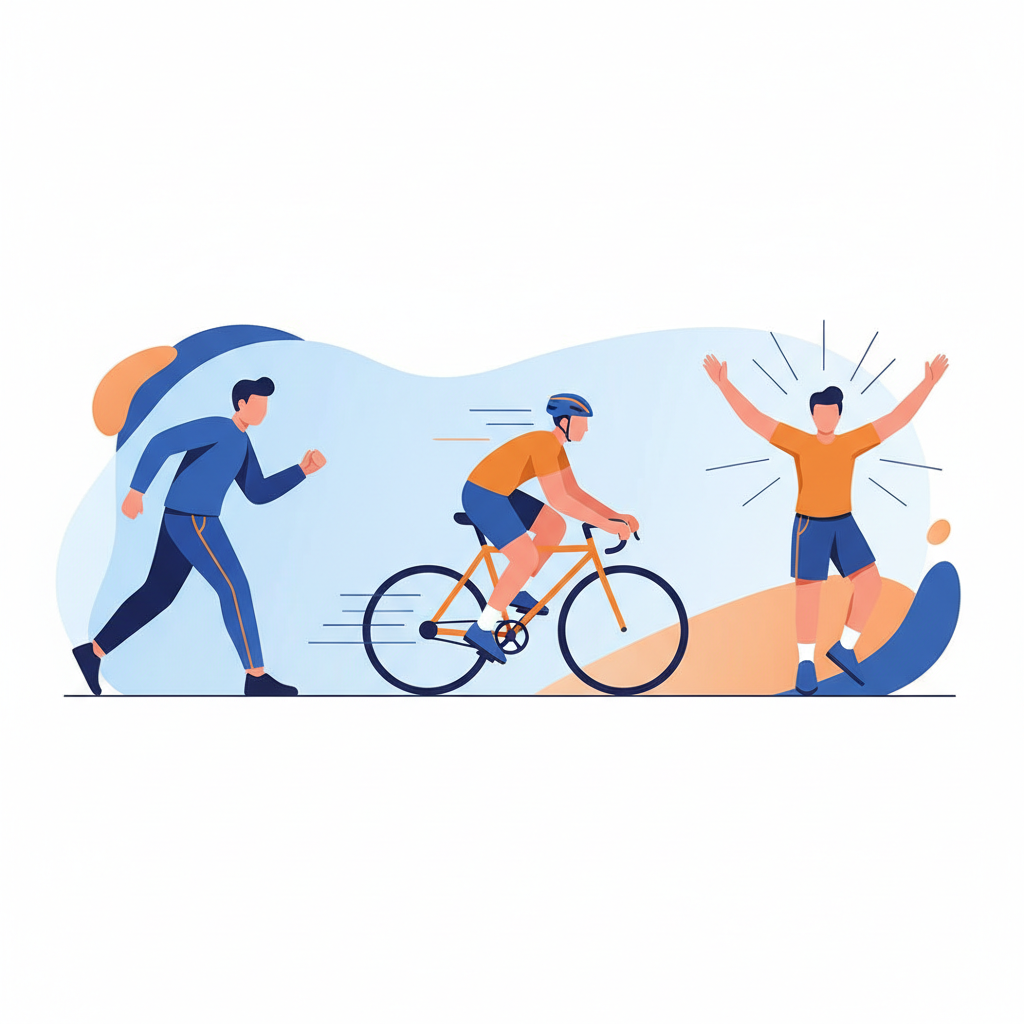
Type of exercise (Walking, Cycling, Jumping Jacks)

🏃

DEPENDENT VARIABLE

Heart rate measured in Beats Per Minute (BPM)

❤️

CONTROLLED VARIABLES

Same participant, location, exercise duration (2 min), & measurement method.

⚖️
Made byBobr AI

Materials Required

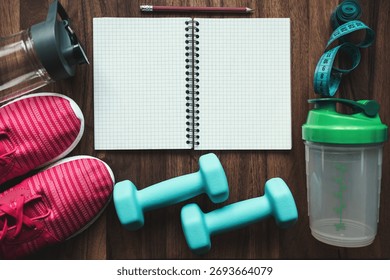
• Digital Timer / Stopwatch

• Heart Rate Monitor (or App)
• Notebook & Pencil

Made byBobr AI

Procedure

1. Measure resting heart rate (Baseline).
2. Perform exercise for exactly 2 minutes.
3. Record heart rate immediately after stopping.
4. Rest until heart rate returns to near baseline.
5. Repeat process for the next exercise type.
Made byBobr AI

Data Collection

Exercise Type Heart Rate (BPM)
Walking 103 BPM
Cycling 106 BPM
Jumping Jacks 122 BPM

*Data collected from a single trial per exercise type.

Made byBobr AI

Results Graph

Chart
Made byBobr AI

Conclusion

• Jumping jacks caused the highest heart rate (122 BPM).

• Walking (103 BPM) and cycling (106 BPM) were significantly lower.

• The hypothesis was supported: Higher-intensity exercises involving more whole-body movement increase heart rate more drastically.

Made byBobr AI

Reflection & Limitations

Participant Size

Only one participant tested. Results may vary significantly between different people.

Future Experiments

Should include more participants and longer exercise durations for better data accuracy.

Made byBobr AI

Thank You!

Understanding heart rate helps us make smarter fitness choices.

Made byBobr AI
Bobr AI

DESIGNER-MADE
PRESENTATION,
GENERATED FROM
YOUR PROMPT

Create your own professional slide deck with real images, data charts, and unique design in under a minute.

Generate For Free

How Exercise Types Impact Heart Rate | Anatomy Study

Explore how walking, cycling, and jumping jacks affect heart rate in this student-led human anatomy experiment.

Get Moving: How Exercise Type Changes Heart Rate

Effects of Exercise Intensity on Heart Rate

By: Shaliah Bennett, Markeria Lee, Madison Cox | Human Anatomy | 2026

Purpose & Background

Purpose: Determine which type of physical activity increases heart rate the most.

• Heart rate indicates cardiovascular effort.

• Exercises vary in intensity and muscle use.

• Knowing heart rate response helps guide fitness choices.

Investigative Question & Hypothesis

Question: Which type of physical activity causes the greatest increase in heart rate?

Hypothesis: Jumping jacks will increase heart rate more than walking or cycling because they involve more muscles and higher effort.

Variables

INDEPENDENT VARIABLE

Type of exercise (Walking, Cycling, Jumping Jacks)

DEPENDENT VARIABLE

Heart rate measured in Beats Per Minute (BPM)

CONTROLLED VARIABLES

Same participant, location, exercise duration (2 min), & measurement method.

Materials Required

• Digital Timer / Stopwatch

• Heart Rate Monitor (or App)<br>• Notebook & Pencil

Procedure

1. Measure resting heart rate (Baseline).

2. Perform exercise for exactly 2 minutes.

3. Record heart rate immediately after stopping.

4. Rest until heart rate returns to near baseline.

5. Repeat process for the next exercise type.

Data Collection

103 BPM

106 BPM

122 BPM

*Data collected from a single trial per exercise type.

Results Graph

Conclusion

• Jumping jacks caused the highest heart rate (122 BPM).

• Walking (103 BPM) and cycling (106 BPM) were significantly lower.

• The hypothesis was supported: Higher-intensity exercises involving more whole-body movement increase heart rate more drastically.

Reflection & Limitations

Participant Size

Only one participant tested. Results may vary significantly between different people.

Future Experiments

Should include more participants and longer exercise durations for better data accuracy.

Thank You!

Understanding heart rate helps us make smarter fitness choices.

  • human-anatomy
  • heart-rate
  • cardiovascular-health
  • exercise-science
  • science-experiment
  • fitness