
Made byBobr AI

Anatomy Essentials: Body Planes, Cavities, and Regions

Learn structural body organization including sagittal and frontal planes, dorsal and ventral cavities, and the 9 abdominopelvic regions for medical study.

#anatomy#medical-terminology#body-planes#body-cavities#abdominopelvic-regions#biology#human-anatomy#anatomical-position
Watch
Pitch

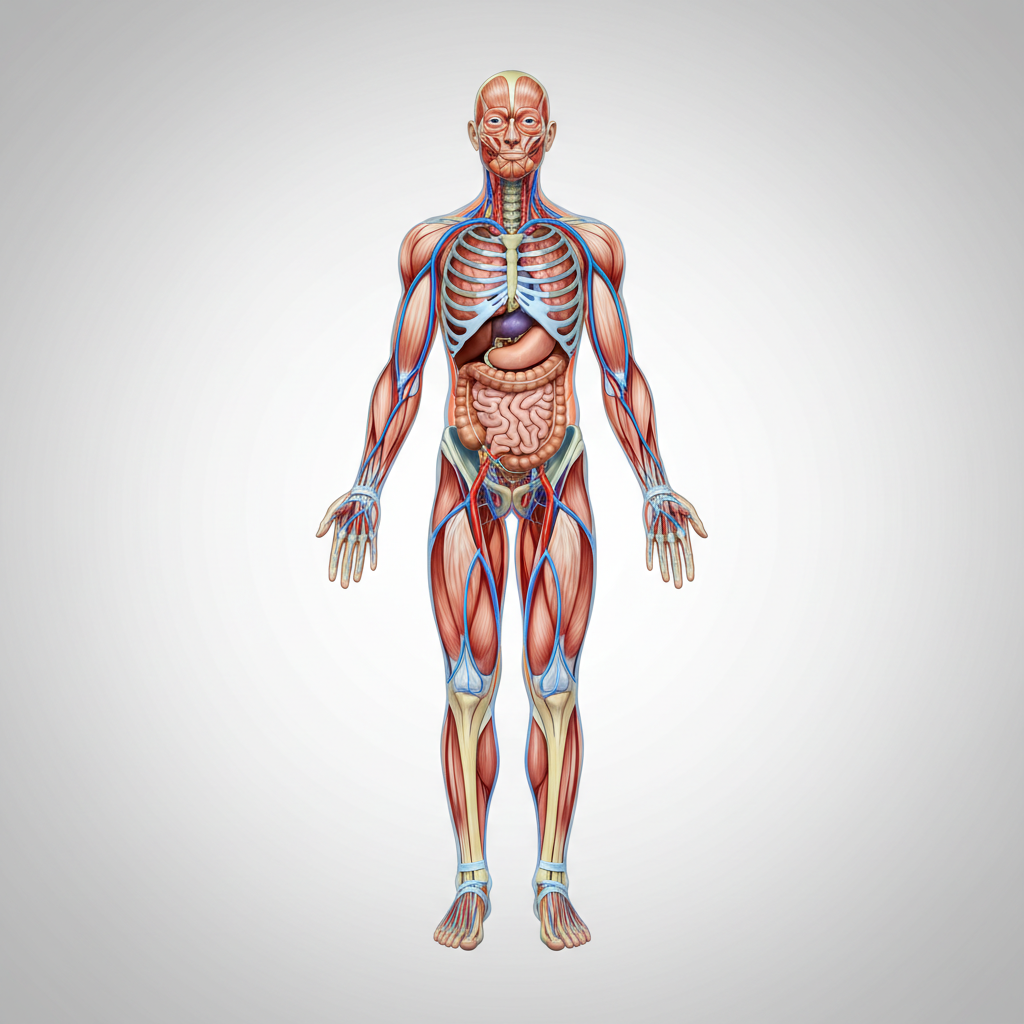
Anatomical Terminology: Planes, Cavities, and Regions

An Overview of Structural Body Organization

Made byBobr AI

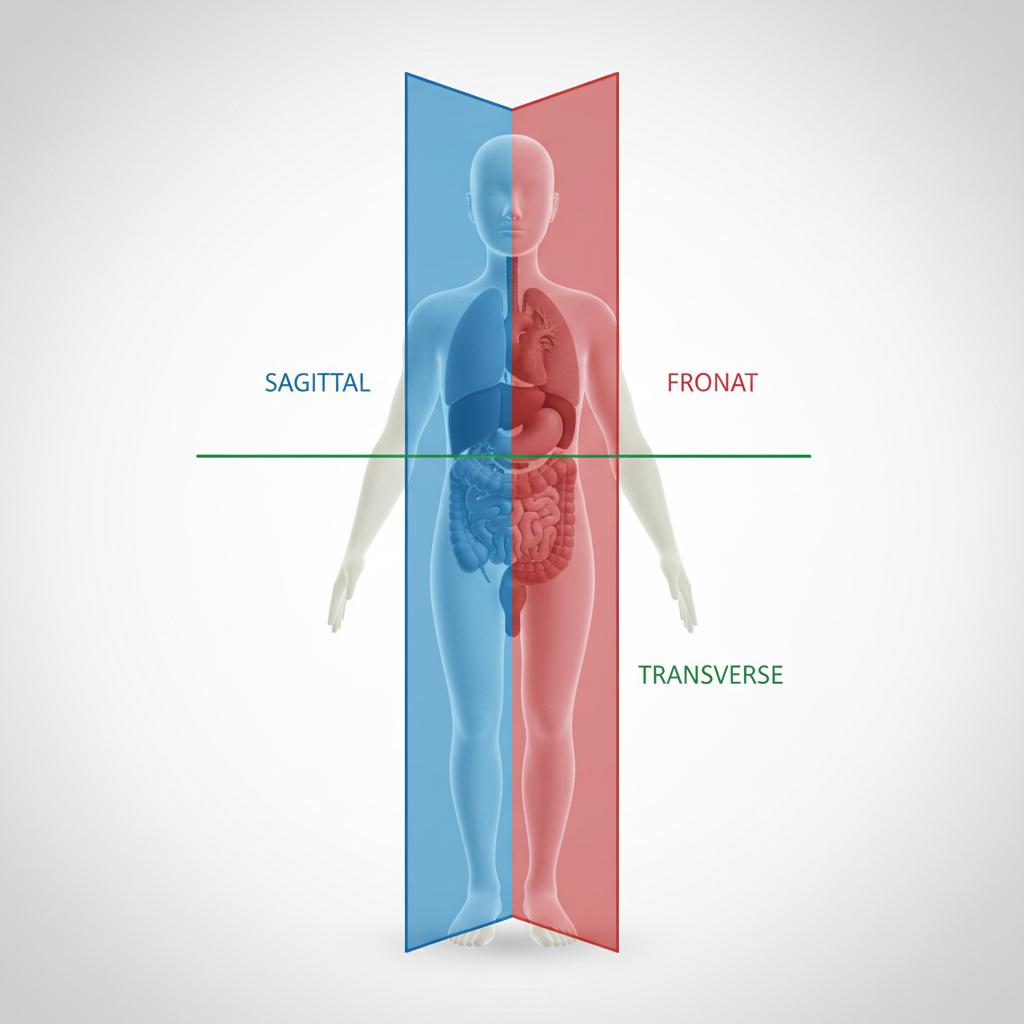
Major Body Planes

  • Sagittal Plane: Divides the body vertically into right and left parts (Midsagittal lies exactly on the midline).
  • Frontal (Coronal) Plane: Divides the body vertically into anterior (front) and posterior (back) parts.
  • Transverse (Horizontal) Plane: Divides the body horizontally into superior (upper) and inferior (lower) parts.
Made byBobr AI

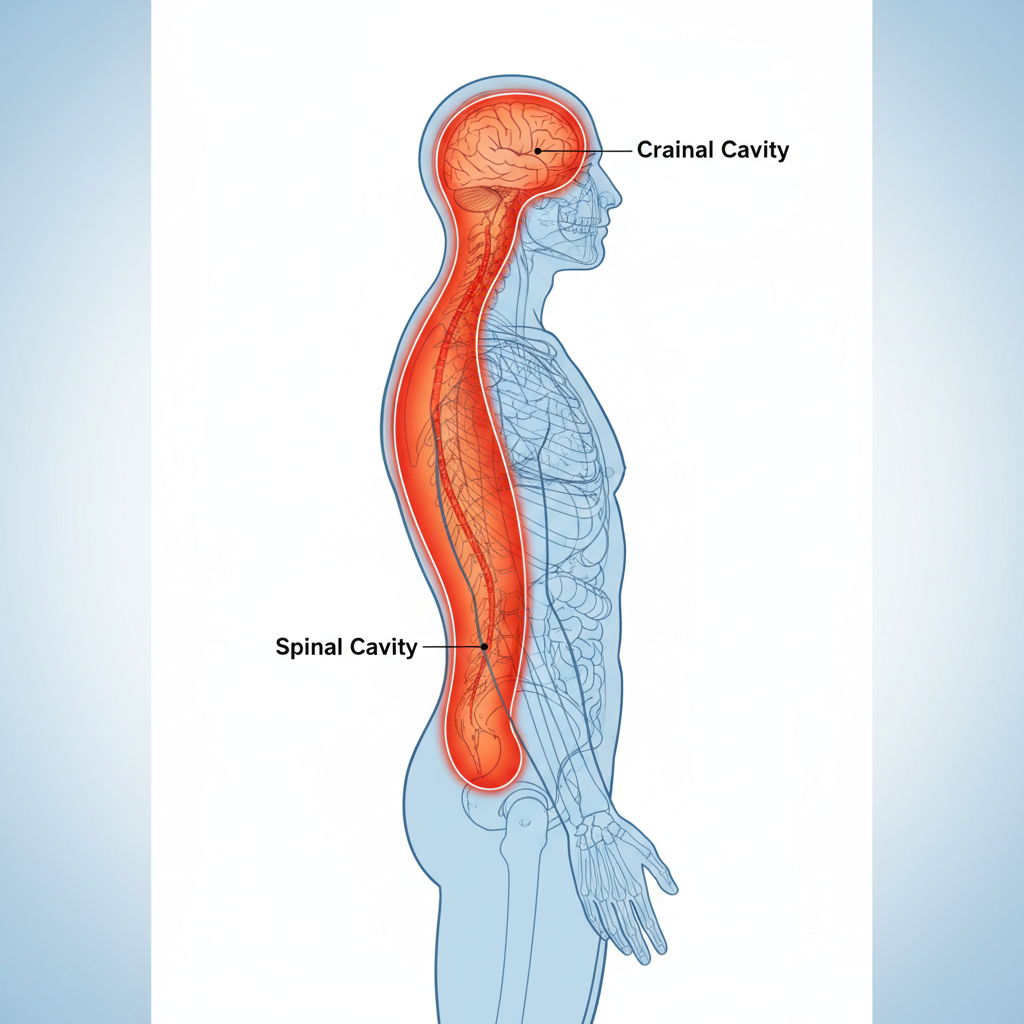
Dorsal Body Cavity

Protects the fragile nervous system organs and is located toward the back of the body.

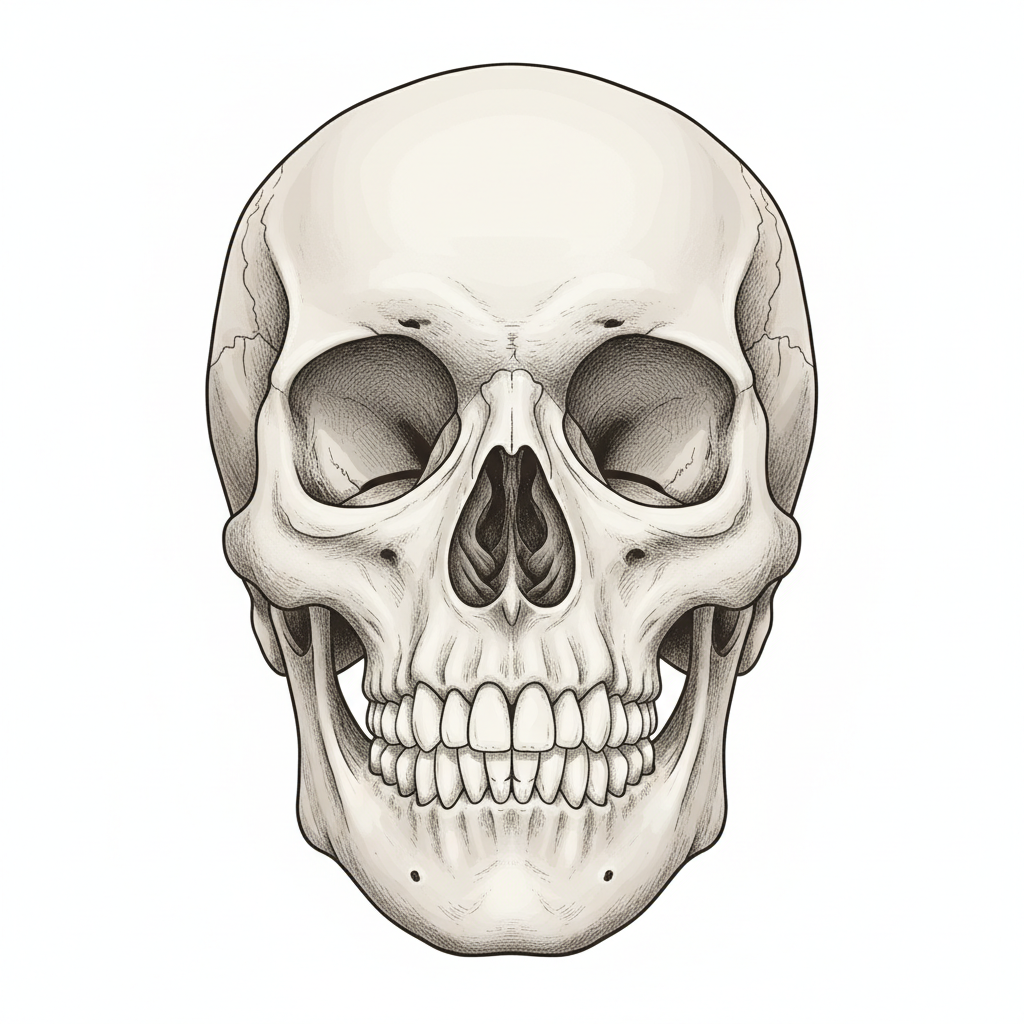
1. Cranial Cavity: Encases the brain inside the skull.

2. Vertebral (Spinal) Cavity: Runs within the vertebral column and encloses the delicate spinal cord.

Made byBobr AI

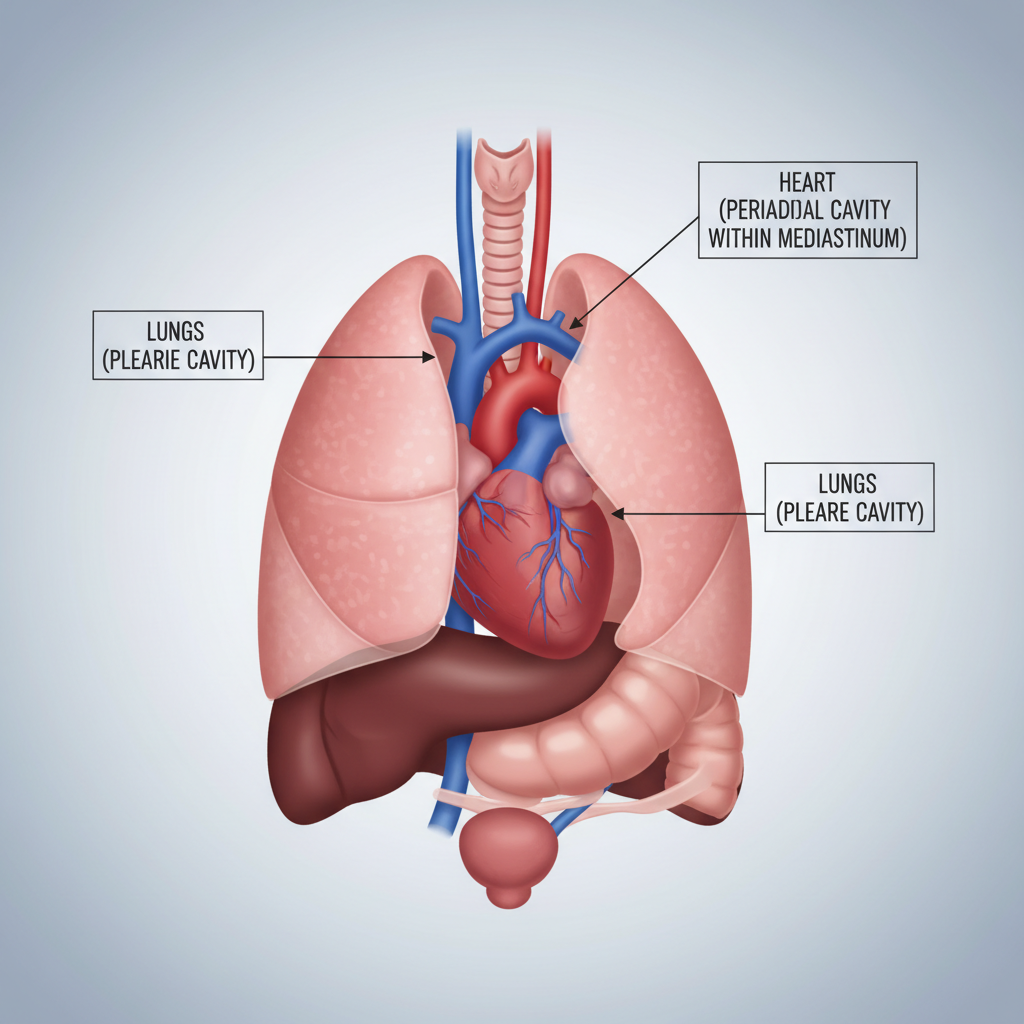
Ventral Cavity: Thoracic

The superior subdivision of the ventral cavity, surrounded by the ribs and chest muscles.

  • Pleural Cavities: Lateral cavities each enveloping a lung.
  • Mediastinum: Central region containing the pericardial cavity and other thoracic organs (esophagus, trachea).
Made byBobr AI

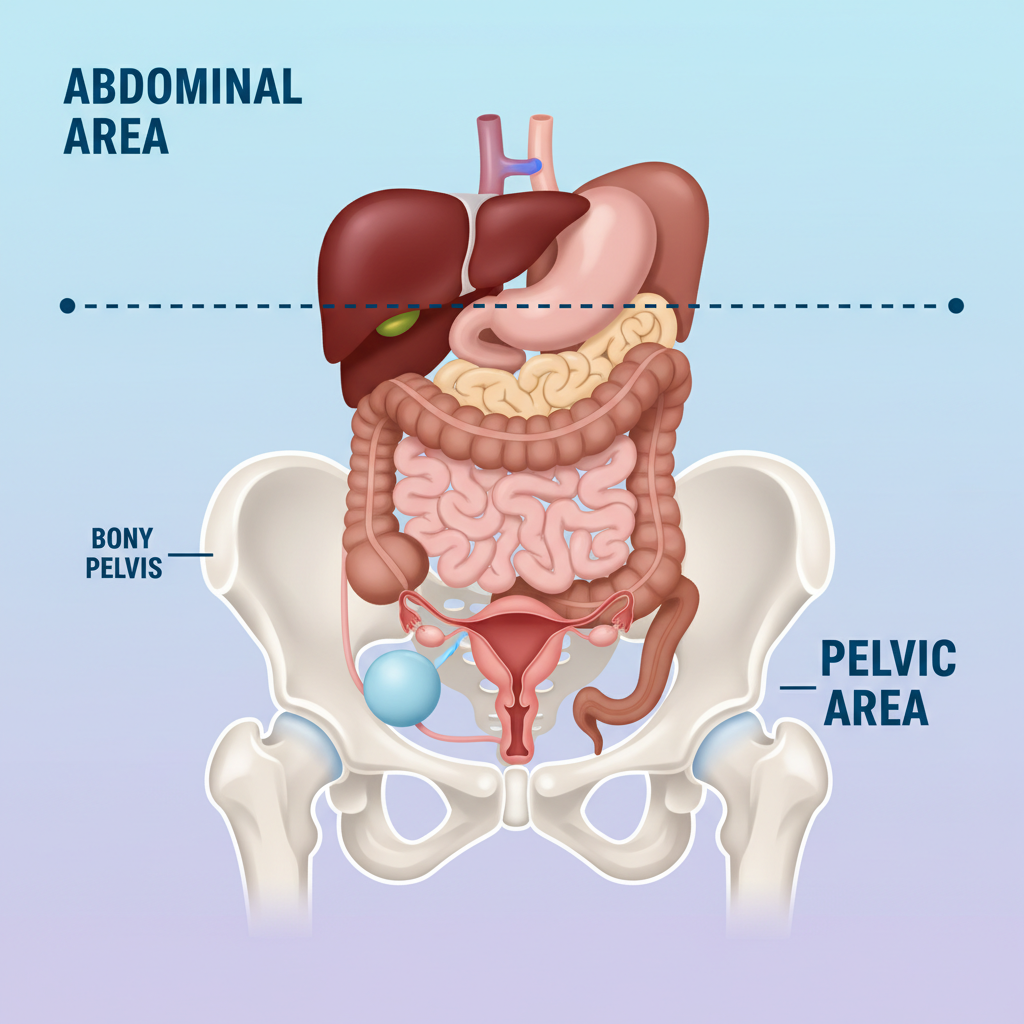
Ventral Cavity: Abdominopelvic

Separated from the thoracic cavity by the diaphragm, this cavity has two continuous parts.

Abdominal Cavity

Abdominal Cavity: Superior portion containing the stomach, intestines, spleen, and liver.

Pelvic Cavity

Pelvic Cavity: Inferior portion lying in the bony pelvis; contains the urinary bladder, reproductive organs, and rectum.

Made byBobr AI

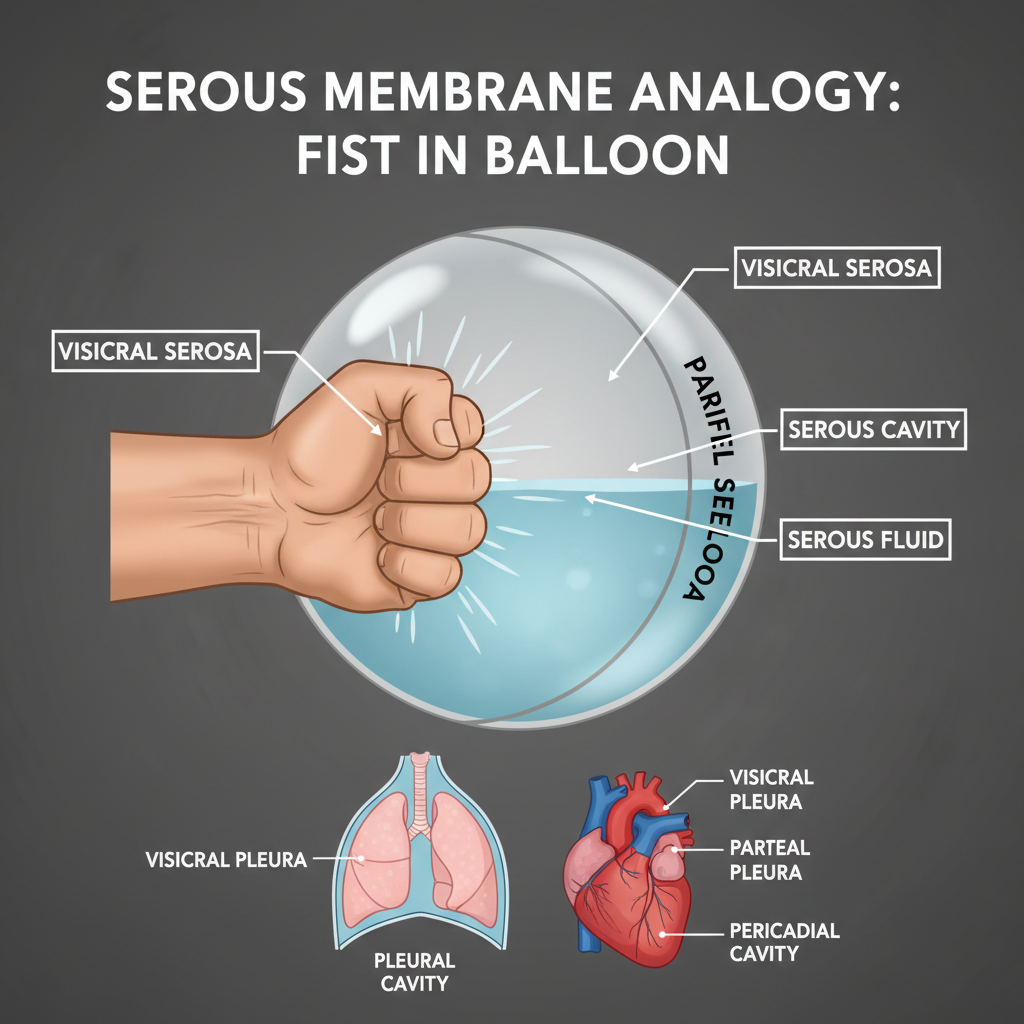
Ventral Cavity Membranes

Walls of the ventral body cavity and organ surfaces are covered by a thin, double-layered membrane called the serosa.

Parietal Serosa: Lines the cavity walls.
Visceral Serosa: Covers the organs.
Serous Fluid: Lubricates space between layers.

Examples: Pleura (lungs), Pericardium (heart), Peritoneum (abdominopelvic cavity).

Made byBobr AI

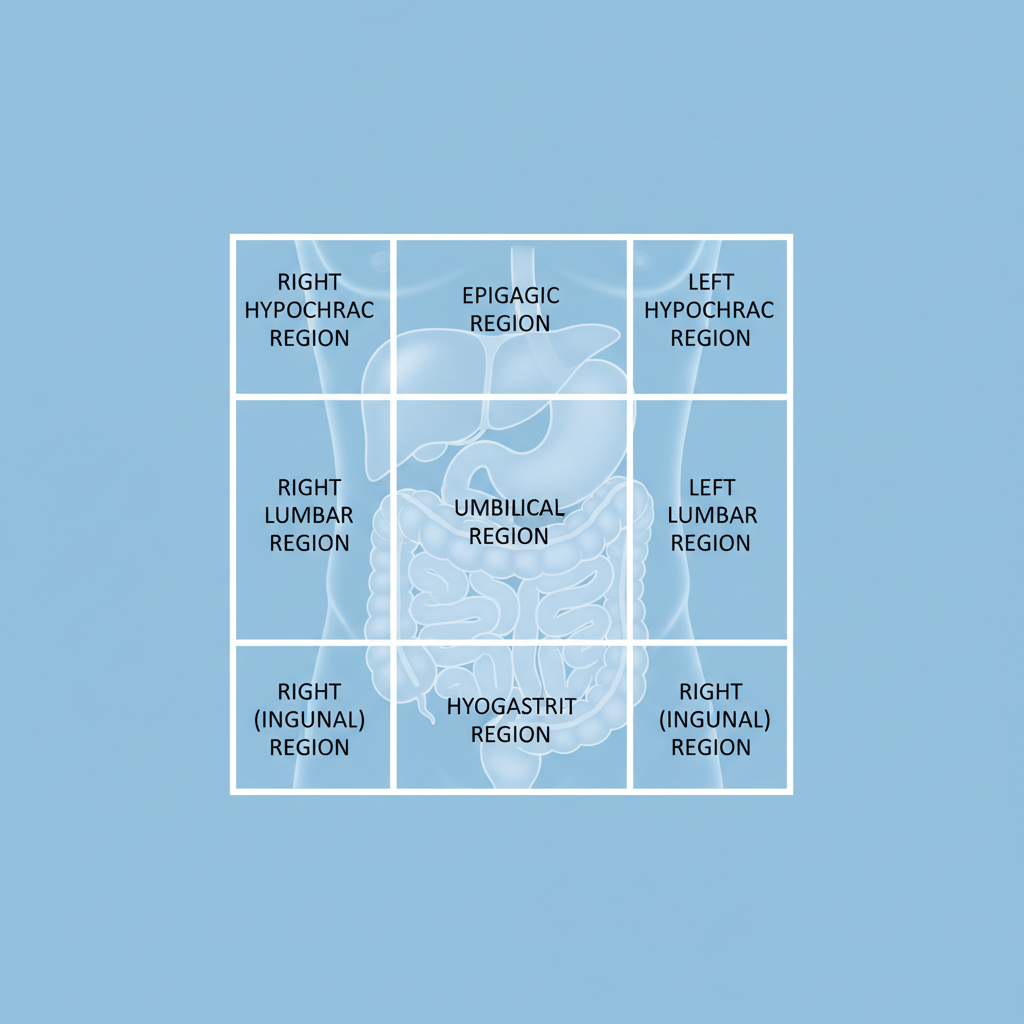
Abdominopelvic Regions (9 Divisions)

Upper: Right Hypochondriac, Epigastric, Left Hypochondriac.
Middle: Right Lumbar, Umbilical, Left Lumbar.
Lower: Right Iliac (Inguinal), Hypogastric (Pubic), Left Iliac (Inguinal).
Made byBobr AI

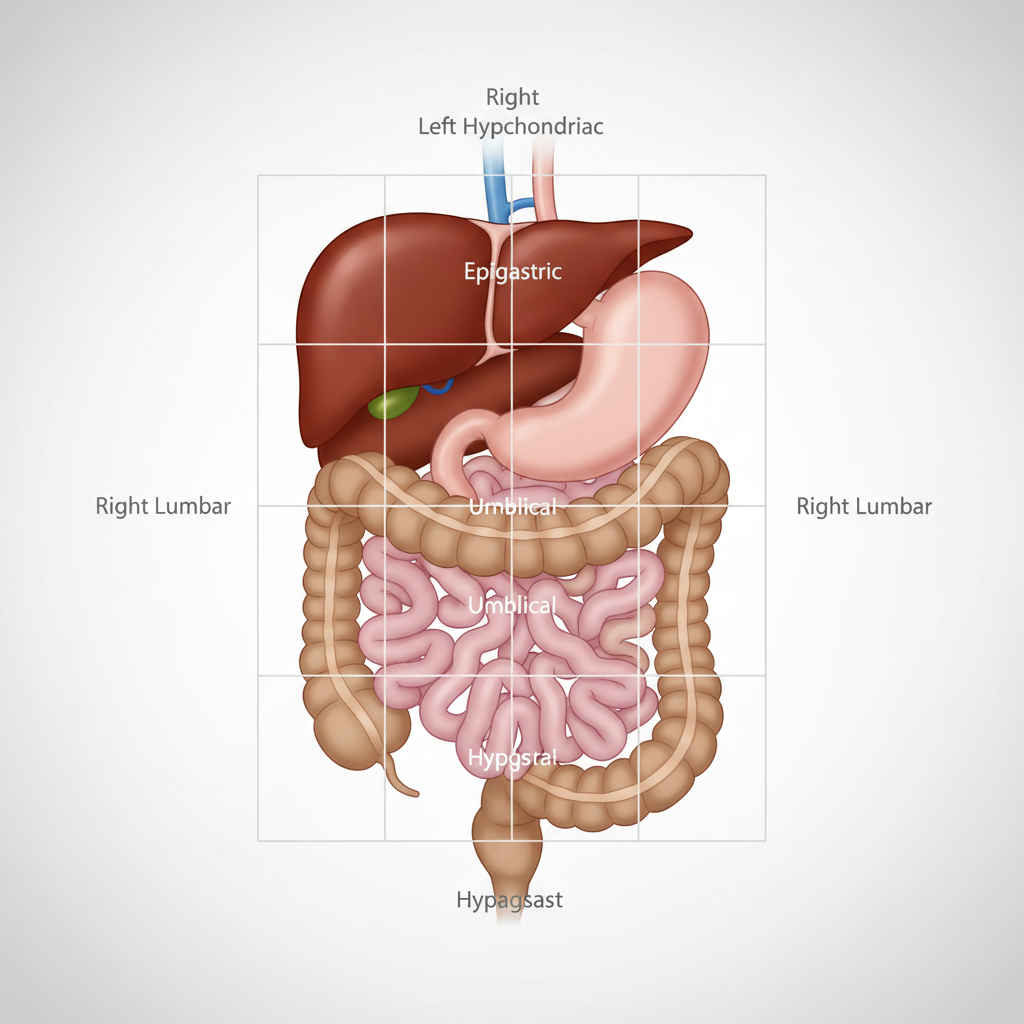
Organs by Region

  • Epigastric: Stomach. Umbilical: Small intestine surrounding navel.
  • Right Hypochondriac: Liver gallbladder. Left Hypochondriac: Diaphragm, spleen.
  • Hypogastric: Urinary bladder. Iliac Regions: Cecum (Right), Initial sigmoid colon (Left).
Made byBobr AI

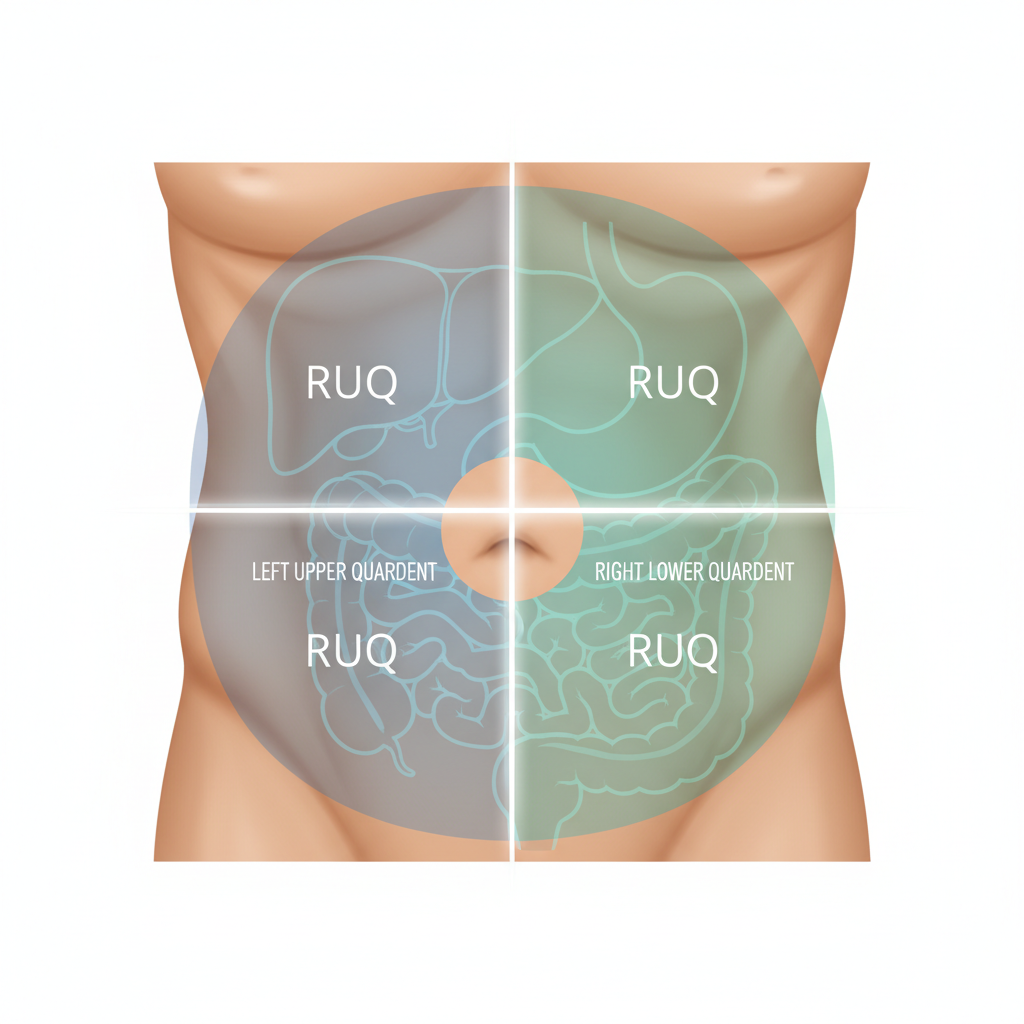
Abdominal Quadrants

A simpler 4-part division often used by medical personnel to locate pain or tumors.

1. Right Upper Quadrant (RUQ)
2. Left Upper Quadrant (LUQ)
3. Right Lower Quadrant (RLQ)
4. Left Lower Quadrant (LLQ)
Made byBobr AI

Other Body Cavities

Head & Nervous

Oral & Digestive: Mouth through rectum. Nasal: Within the nose. Orbital: Houses the eyes. Middle Ear: Contains ossicles.

Skeletal

Synovial Cavities: Joint spaces enclosed within fibrous capsules surrounding freely movable joints (e.g., knee, elbow).

Made byBobr AI
Bobr AI

DESIGNER-MADE
PRESENTATION,
GENERATED FROM
YOUR PROMPT

Create your own professional slide deck with real images, data charts, and unique design in under a minute.

Generate For Free

Anatomy Essentials: Body Planes, Cavities, and Regions

Learn structural body organization including sagittal and frontal planes, dorsal and ventral cavities, and the 9 abdominopelvic regions for medical study.

Anatomical Terminology: Planes, Cavities, and Regions

An Overview of Structural Body Organization

Major Body Planes

Sagittal Plane: Divides the body vertically into right and left parts (Midsagittal lies exactly on the midline).

Frontal (Coronal) Plane: Divides the body vertically into anterior (front) and posterior (back) parts.

Transverse (Horizontal) Plane: Divides the body horizontally into superior (upper) and inferior (lower) parts.

Dorsal Body Cavity

Protects the fragile nervous system organs and is located toward the back of the body.

Cranial Cavity: Encases the brain inside the skull.

Vertebral (Spinal) Cavity: Runs within the vertebral column and encloses the delicate spinal cord.

Ventral Cavity: Thoracic

The superior subdivision of the ventral cavity, surrounded by the ribs and chest muscles.

Pleural Cavities: Lateral cavities each enveloping a lung.

Mediastinum: Central region containing the pericardial cavity and other thoracic organs (esophagus, trachea).

Ventral Cavity: Abdominopelvic

Separated from the thoracic cavity by the diaphragm, this cavity has two continuous parts.

Abdominal Cavity: Superior portion containing the stomach, intestines, spleen, and liver.

Pelvic Cavity: Inferior portion lying in the bony pelvis; contains the urinary bladder, reproductive organs, and rectum.

Ventral Cavity Membranes

Walls of the ventral body cavity and organ surfaces are covered by a thin, double-layered membrane called the serosa.

Parietal Serosa: Lines the cavity walls. Visceral Serosa: Covers the organs. Serous Fluid: Lubricates space between layers.

Examples: Pleura (lungs), Pericardium (heart), Peritoneum (abdominopelvic cavity).

Abdominopelvic Regions (9 Divisions)

Upper: Right Hypochondriac, Epigastric, Left Hypochondriac.

Middle: Right Lumbar, Umbilical, Left Lumbar.

Lower: Right Iliac (Inguinal), Hypogastric (Pubic), Left Iliac (Inguinal).

Organs by Region

Epigastric: Stomach. Umbilical: Small intestine surrounding navel.

Right Hypochondriac: Liver gallbladder. Left Hypochondriac: Diaphragm, spleen.

Hypogastric: Urinary bladder. Iliac Regions: Cecum (Right), Initial sigmoid colon (Left).

Abdominal Quadrants

A simpler 4-part division often used by medical personnel to locate pain or tumors.

1. Right Upper Quadrant (RUQ) 2. Left Upper Quadrant (LUQ) 3. Right Lower Quadrant (RLQ) 4. Left Lower Quadrant (LLQ)

Other Body Cavities

Oral & Digestive: Mouth through rectum. Nasal: Within the nose. Orbital: Houses the eyes. Middle Ear: Contains ossicles.

Synovial Cavities: Joint spaces enclosed within fibrous capsules surrounding freely movable joints (e.g., knee, elbow).

  • anatomy
  • medical-terminology
  • body-planes
  • body-cavities
  • abdominopelvic-regions
  • biology
  • human-anatomy
  • anatomical-position