
Overview of Philippines: Economy, Heritage & Future Projections
Explore a comprehensive guide to the Philippines, featuring GDP forecasts to 2026, population growth trends, key economic drivers, and cultural heritage.
The Republic of the Philippines
A Comprehensive Overview of Demographics, Economy, and Heritage
Archipelagic Geography
The Philippines is an archipelago comprising 7,641 islands situated in Southeast Asia. The nation is geographically divided into three main island groups: Luzon (the largest and most populous), Visayas (central islands), and Mindanao (southern region). Strategically located between the Pacific Ocean and the South China Sea, it serves as a critical gateway for trade and biodiversity.
Population Growth Trajectory (2020-2035)
As of early 2026, the population is estimated at 117.3 million. Projections indicate a rise to nearly 124 million by 2035, driven by an annual growth rate of roughly 0.85%, with significant acceleration in regions like BARMM.
Economic Outlook & GDP Forecasts
The Philippine economy shows resilience with projected GDP growth rates remaining above 5% through 2026. Nominal GDP is set to reach $535.5 billion by 2026. Inflation is largely contained within the target range, averaging 1.7% to 2.8% over the forecast period.
Key Economic Drivers
Services & BPO: The backbone of the economy, driving consumption and employment.
Remittances: Overseas Filipino Workers (OFWs) contribute significantly to national financial stability.
Agriculture & Manufacturing: Traditional sectors undergoing modernization to support a $535B economy.
Tourism & Natural Wonders
Home to world-renowned destinations, the Philippines offers diverse travel experiences ranging from the pristine beaches of Palawan and Boracay to the historic heritage of Intramuros and the majestic Banaue Rice Terraces. Sustainable ecotourism is a growing priority for the nation.
Cultural Heritage & Values
Hospitality: Renowned globally for warmth and welcoming nature.
Resilience: A defining trait that enables Filipinos to overcome adversity with hope.
Arts & Traditions: A vibrant mix of indigenous, Asian, and Western influences reflected in festivals and cuisine.
Government & Political Structure
The Philippines operates as a presidential democratic republic with three co-equal branches: Executive, Legislative, and Judiciary. The system emphasizes a balance of power. Recent legislative focus includes the Magna Carta for Disabled Persons and upholding the Rule of Law.
Public Health & Social Inclusion
80% Vaccination Coverage
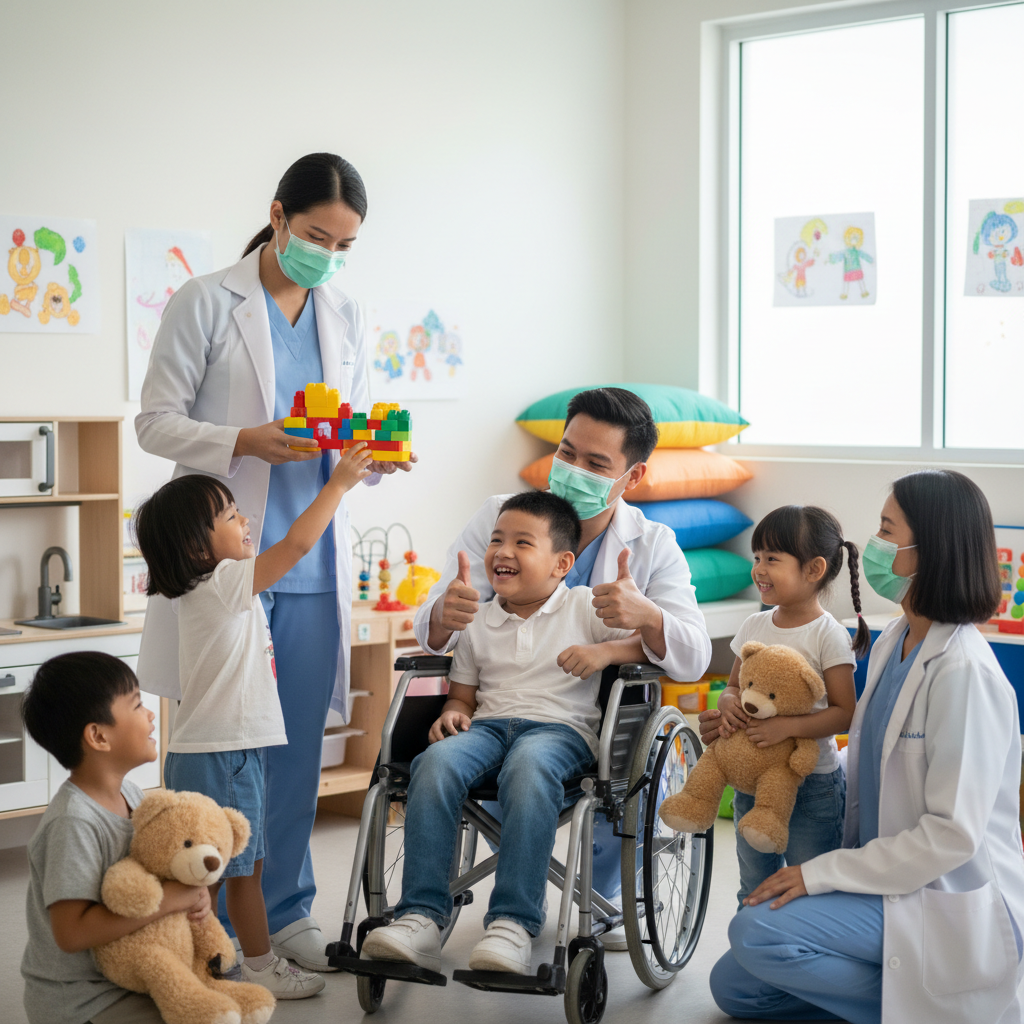
The nation creates an inclusive society through the Universal Health Care Act and UN Rights initiatives. Approximately 80% of children are fully vaccinated, showcasing commitment to public health. Programs also actively support rights for persons with disabilities.
International Relations: Philippines & Israel
Bilateral relations between the Philippines and Israel are rooted in shared history dating back to World War II. Today, this partnership creates opportunities in trade, technology transfer, and cultural exchange, reflecting the Philippines' broader diplomatic strategy of fostering mutual respect among nations.
Future Outlook: 2035 and Beyond
Population projected to reach 124 million by 2035.
Continued GDP growth with projected nominal value exceeding $535B by 2026.
Sustained focus on infrastructure, renewable energy, and inclusive healthcare.
- philippines
- southeast-asia-economy
- gdp-forecast
- cultural-heritage
- tourism
- demographics