






Made byBobr AI

Understanding Autoimmune Diseases: T-Cell Failures & Lupus

Explore how T-cell malfunctions drive autoimmune diseases like Lupus. Learn about immune tolerance failures and real-world case studies including Selena Gomez.

#autoimmune-disease#immunology#t-cells#lupus-erythematosus#sle#medical-case-study#immune-system
Watch
Pitch

Understanding Autoimmune Diseases

Mechanisms, T-Cell Failures, and Case Studies

Made byBobr AI

The Core Concept: Self vs. Non-Self

  • Normally, the immune system defends the body by destroying foreign invaders like viruses and bacteria.
  • In autoimmune diseases, this defense system fails to distinguish between the body's own cells ('self') and foreign ones ('non-self').
  • Result: The immune system mistakenly attacks and damages healthy tissues.
Made byBobr AI

Key Players: T-Cells Involved

T-cells are crucial immune cells that develop in the thymus gland and mature in lymph nodes. In autoimmunity, specific types malfunction.

Made byBobr AI

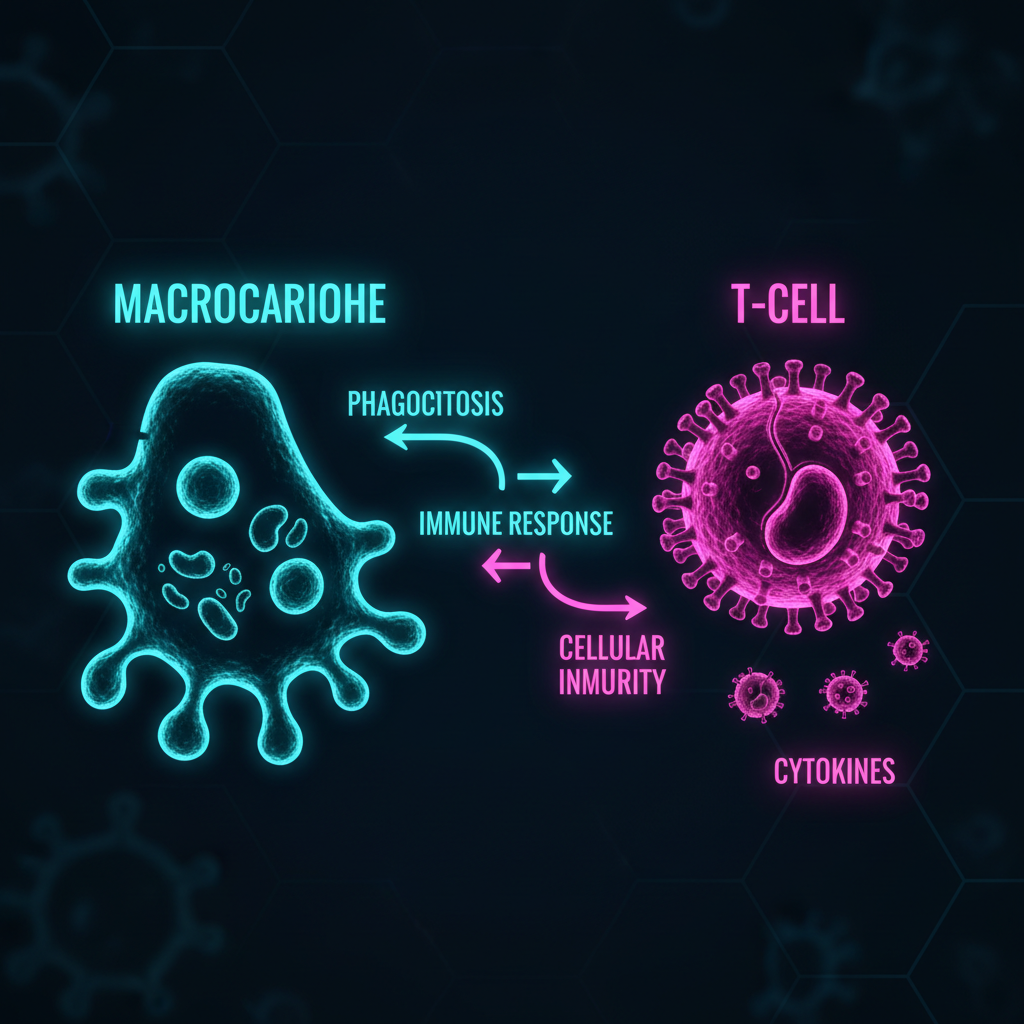
T-Cell Classification (Group 1)

Helper T-Cells (CD4+)

Coordinate immune responses. In disease, they produce inflammatory signals drawing other cells to attack tissue.

Cytotoxic T-Cells (CD8+)

Designed to kill infected cells. In autoimmunity, they recognize self-peptides and release toxic substances destroying healthy cells.

Made byBobr AI

T-Cell Classification (Group 2)

Regulatory T-Cells

Responsible for keeping the immune response in check. Malfunction here leads to a loss of control over harmful cells.

Memory T-Cells

Cells that respond to re-infection, remembering past threats to mount faster attacks.

Made byBobr AI

Why Tolerance Mechanisms Fail

Thymus Failure

Self-reactive T-cells are normally eliminated in the thymus. In autoimmune disease, these dangerous cells escape destruction.

Regulatory Loss

Regulatory T-cells lose their ability to suppress the self-reactive cells, allowing the attack to proceed unchecked.

Made byBobr AI

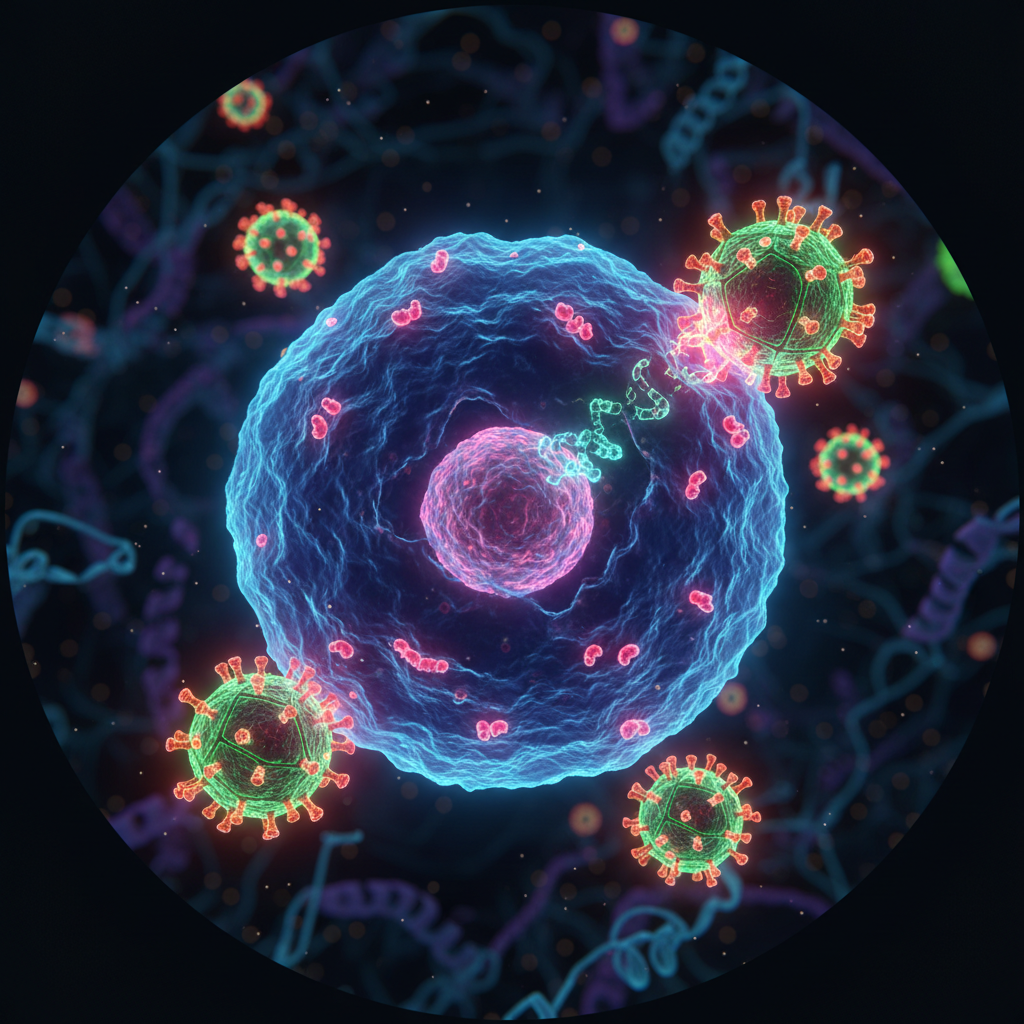
Environmental Triggers

Dormant autoreactive T-cells can be 'woken up' by environmental factors.

Infections

Molecular Mimicry (Pathogens resembling self-cells)

Made byBobr AI
REAL WORLD IMPACT

Case Study: Selena Gomez

Diagnosis: Systemic Lupus Erythematosus (SLE)

In her case, T-cells and B-cells mistakenly attacked her own tissues, specifically affecting the kidneys, skin, and joints.

Made byBobr AI

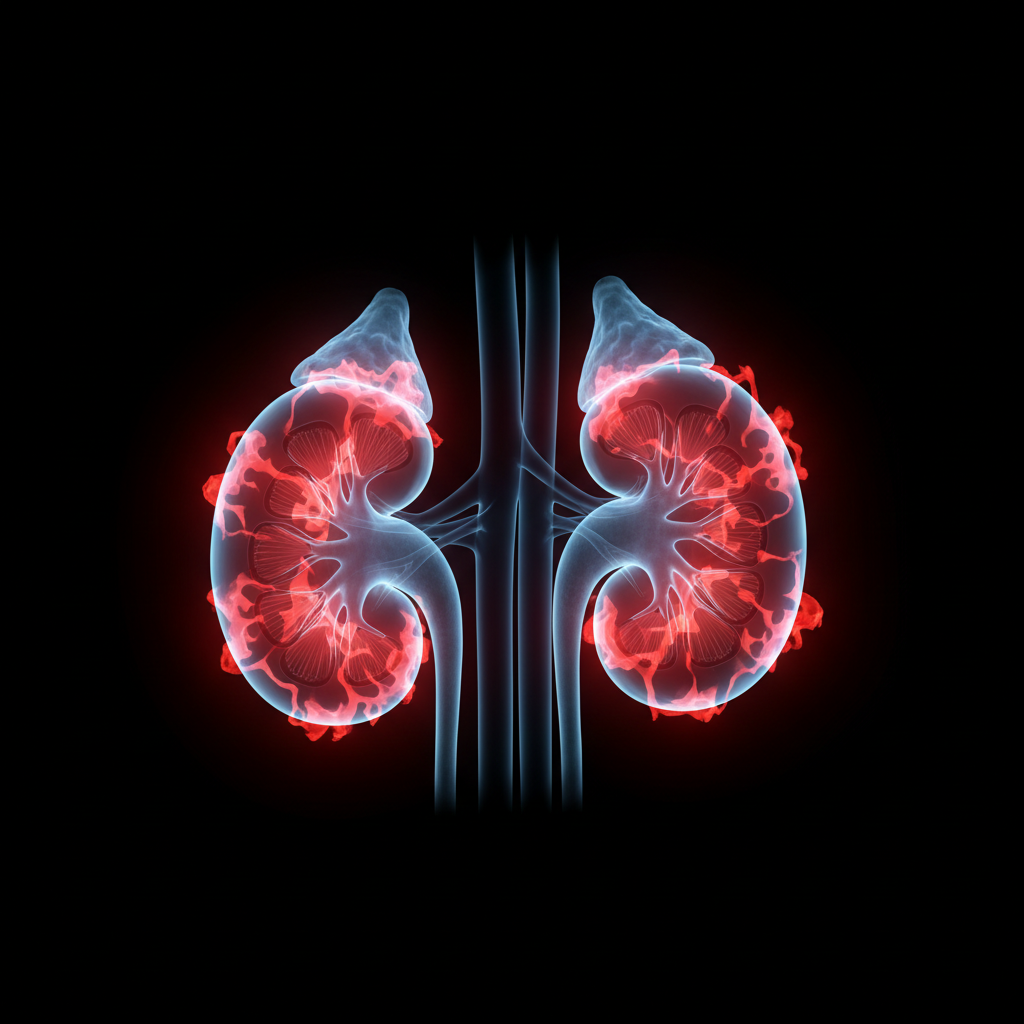
Lupus Nephritis & Transplant

  • Autoreactive immune cells and antibodies caused severe inflammation in the kidneys (Lupus Nephritis).
  • Outcome: Chronic immune attack led to progressive kidney failure.
  • Treatment: In 2017, Selena received a life-saving kidney transplant.
Made byBobr AI

Conclusion

Autoimmune disease represents a critical failure of tolerance mechanisms. From T-cell destruction in the thymus to regulatory controls, the loss of 'self' recognition leads to irreversible damage.

Public cases like Selena Gomez's highlight the severity of conditions like Lupus and raise global awareness for millions affected.

Made byBobr AI
Bobr AI

DESIGNER-MADE
PRESENTATION,
GENERATED FROM
YOUR PROMPT

Create your own professional slide deck with real images, data charts, and unique design in under a minute.

Generate For Free

Understanding Autoimmune Diseases: T-Cell Failures & Lupus

Explore how T-cell malfunctions drive autoimmune diseases like Lupus. Learn about immune tolerance failures and real-world case studies including Selena Gomez.

Understanding Autoimmune Diseases

Mechanisms, T-Cell Failures, and Case Studies

The Core Concept: Self vs. Non-Self

Normally, the immune system defends the body by destroying foreign invaders like viruses and bacteria.

In autoimmune diseases, this defense system fails to distinguish between the body's own cells ('self') and foreign ones ('non-self').

Result: The immune system mistakenly attacks and damages healthy tissues.

Key Players: T-Cells Involved

T-cells are crucial immune cells that develop in the thymus gland and mature in lymph nodes. In autoimmunity, specific types malfunction.

T-Cell Classification (Group 1)

Helper T-Cells (CD4+)

Coordinate immune responses. In disease, they produce inflammatory signals drawing other cells to attack tissue.

Cytotoxic T-Cells (CD8+)

Designed to kill infected cells. In autoimmunity, they recognize self-peptides and release toxic substances destroying healthy cells.

T-Cell Classification (Group 2)

Regulatory T-Cells

Responsible for keeping the immune response in check. Malfunction here leads to a loss of control over harmful cells.

Memory T-Cells

Cells that respond to re-infection, remembering past threats to mount faster attacks.

Why Tolerance Mechanisms Fail

Thymus Failure

Self-reactive T-cells are normally eliminated in the thymus. In autoimmune disease, these dangerous cells escape destruction.

Regulatory Loss

Regulatory T-cells lose their ability to suppress the self-reactive cells, allowing the attack to proceed unchecked.

Environmental Triggers

Dormant autoreactive T-cells can be 'woken up' by environmental factors.

Infections

Molecular Mimicry (Pathogens resembling self-cells)

Case Study: Selena Gomez

Diagnosis: Systemic Lupus Erythematosus (SLE)

In her case, T-cells and B-cells mistakenly attacked her own tissues, specifically affecting the kidneys, skin, and joints.

Lupus Nephritis & Transplant

Autoreactive immune cells and antibodies caused severe inflammation in the kidneys (Lupus Nephritis).

Outcome: Chronic immune attack led to progressive kidney failure.

Treatment: In 2017, Selena received a life-saving kidney transplant.

Conclusion

Autoimmune disease represents a critical failure of tolerance mechanisms. From T-cell destruction in the thymus to regulatory controls, the loss of 'self' recognition leads to irreversible damage.

Public cases like Selena Gomez's highlight the severity of conditions like Lupus and raise global awareness for millions affected.

  • autoimmune-disease
  • immunology
  • t-cells
  • lupus-erythematosus
  • sle
  • medical-case-study
  • immune-system