

Made byBobr AI

Predicting Seismic Hazards with Machine Learning & MLP

Learn how Machine Learning and Deep Learning models like KNN and MLP are used for seismic hazard prediction in mining using the Seismic-Bumps dataset.

#machine-learning#deep-learning#seismic-hazard#neural-networks#data-science#mining-safety#mlp#knn
Watch
Pitch

Seismic Hazard Prediction via Machine Learning

Project Analysis & Neural Network Implementation

Student Name | ID: 12345678

Made byBobr AI

Project Objectives

  • Hazard Prediction: Forecasting seismic bumps in mining environments based on sensor data.
  • Model Comparison: Evaluating Machine Learning vs. Deep Learning approaches.
  • Key Algorithms:
    • Unsupervised: K-Means Clustering
    • Supervised (Classic): KNN (K-Nearest Neighbors)
    • Deep Learning: MLP (Multi-Layer Perceptron)
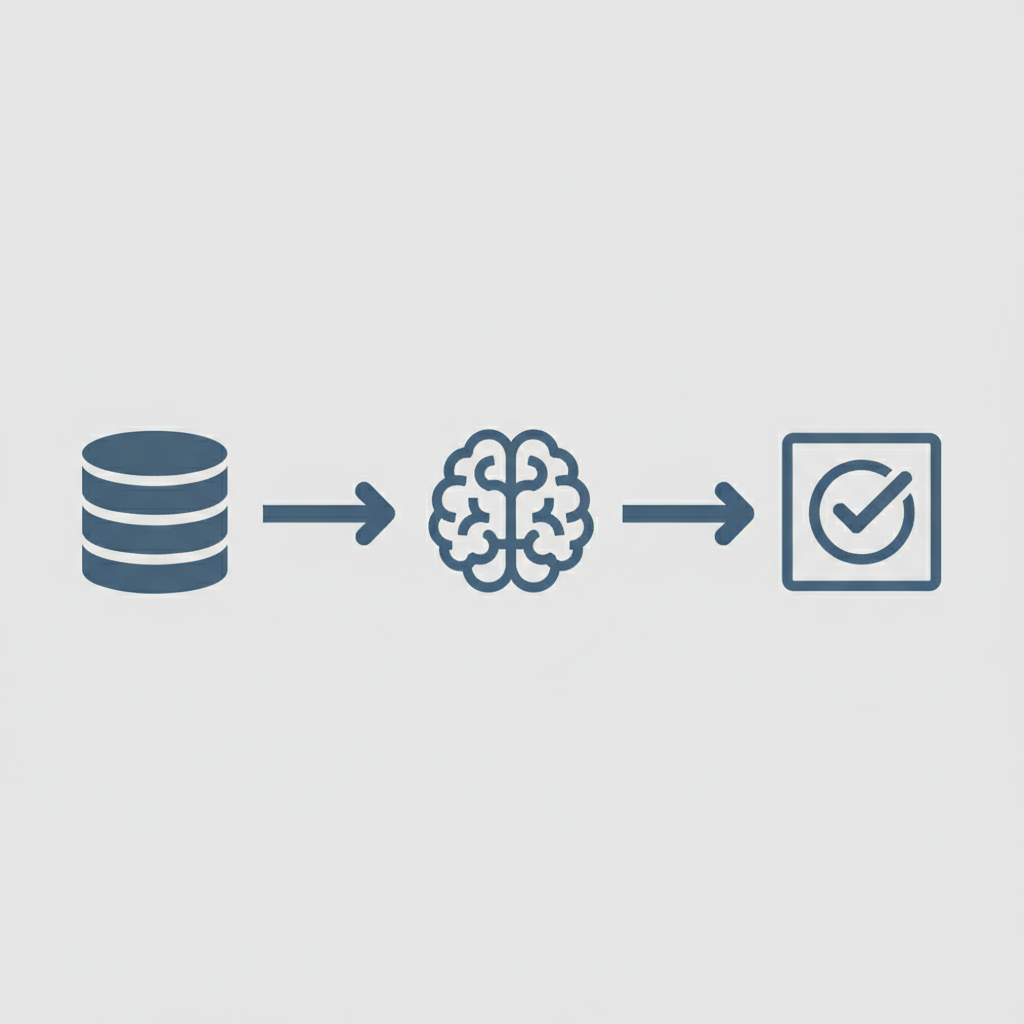
minimalist business icon diagram flow chart: Database icon arrow pointing to Brain icon arrow pointing to Checked List icon, blue and grey simplistic style
Made byBobr AI

Dataset Overview: "Seismic-Bumps"

  • Source: UCI Machine Learning Repository.
  • Volume: 2584 records, 10 feature columns.
  • Class Imbalance: High imbalance between 'Hazardous' (1) and 'Non-Hazardous' (0) states.
  • Key Features:
    - genergy: Seismic energy recorded.
    - gpuls: Number of pulses recorded.
    - gdenergy: Energy gradient/deviation.
Made byBobr AI

Methodology: Preprocessing

Label Encoding
Machine learning models require numerical input. Textual categorical data (e.g., shift names) must be converted.

Example:
Shift 'Morning' → 0
Shift 'Afternoon' → 1
Made byBobr AI

Methodology: Scaling (RobustScaler)

Why RobustScaler?
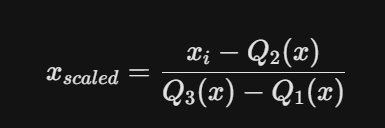
Seismic energy data contains massive outliers (extreme spikes). Standard scaling (Mean/Variance) would be skewed by these anomalies. RobustScaler uses the Median (Q2) and Interquartile Range (IQR), making the model resilient to extreme physical events.
Made byBobr AI

Unsupervised Learning: K-Means

  • Goal: Discovery of natural groups within the data without pre-labeled answers.
  • Configuration: K=3 Clusters.
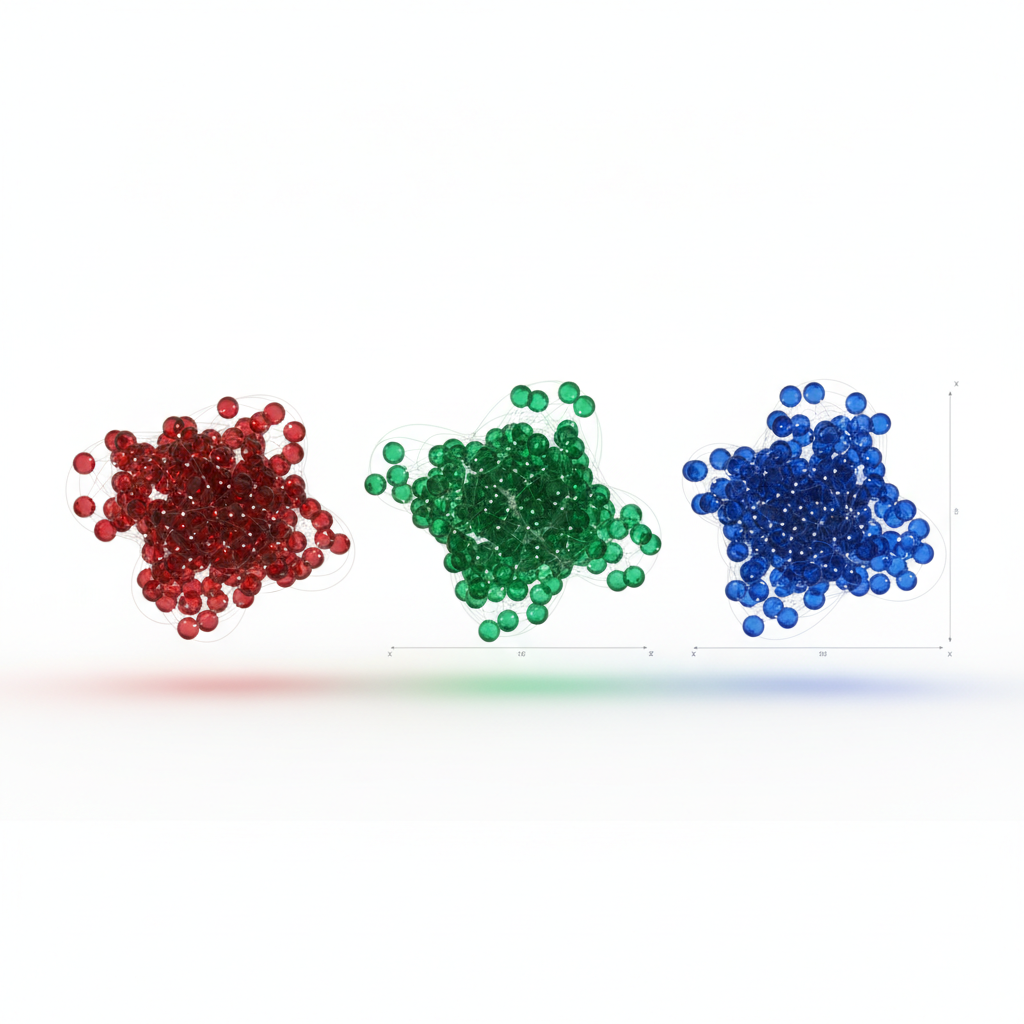
  • Mechanism: The algorithm identifies 'centroids' (centers of gravity) and groups seismic events based on physical similarity (Energy/Pulses).
abstract 3D data visualization showing three distinct clusters of dots in red green and blue, scientific style white background
Made byBobr AI

Classification: K-Nearest Neighbors (KNN)

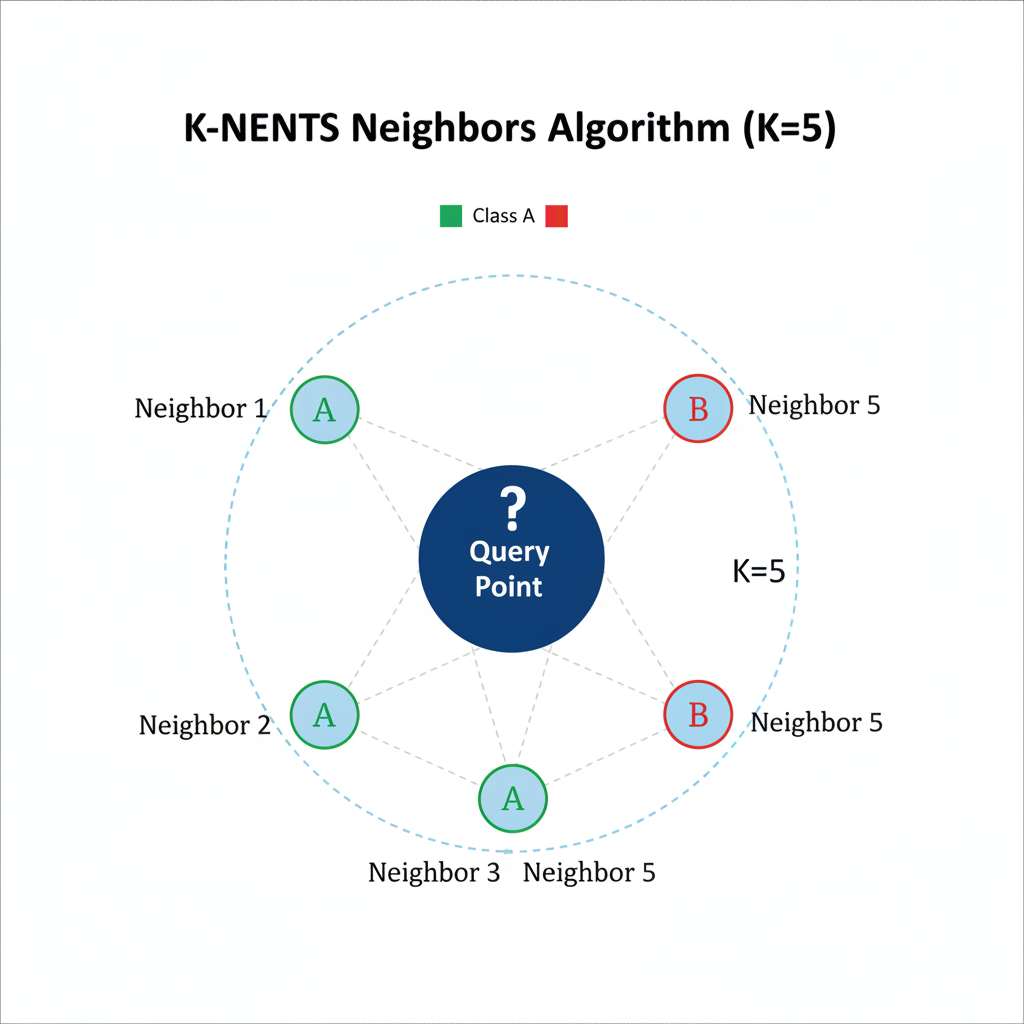
Logic: Risk determination based on the majority class of the 5 closest historical data points.

Metric: Euclidean Distance in a 10-dimensional feature space.

Application: A classic baseline model to benchmark complex neural networks against.
diagram of K-Nearest Neighbors algorithm, central point connected to 5 neighbor points, geometric simple scientific diagram
Made byBobr AI

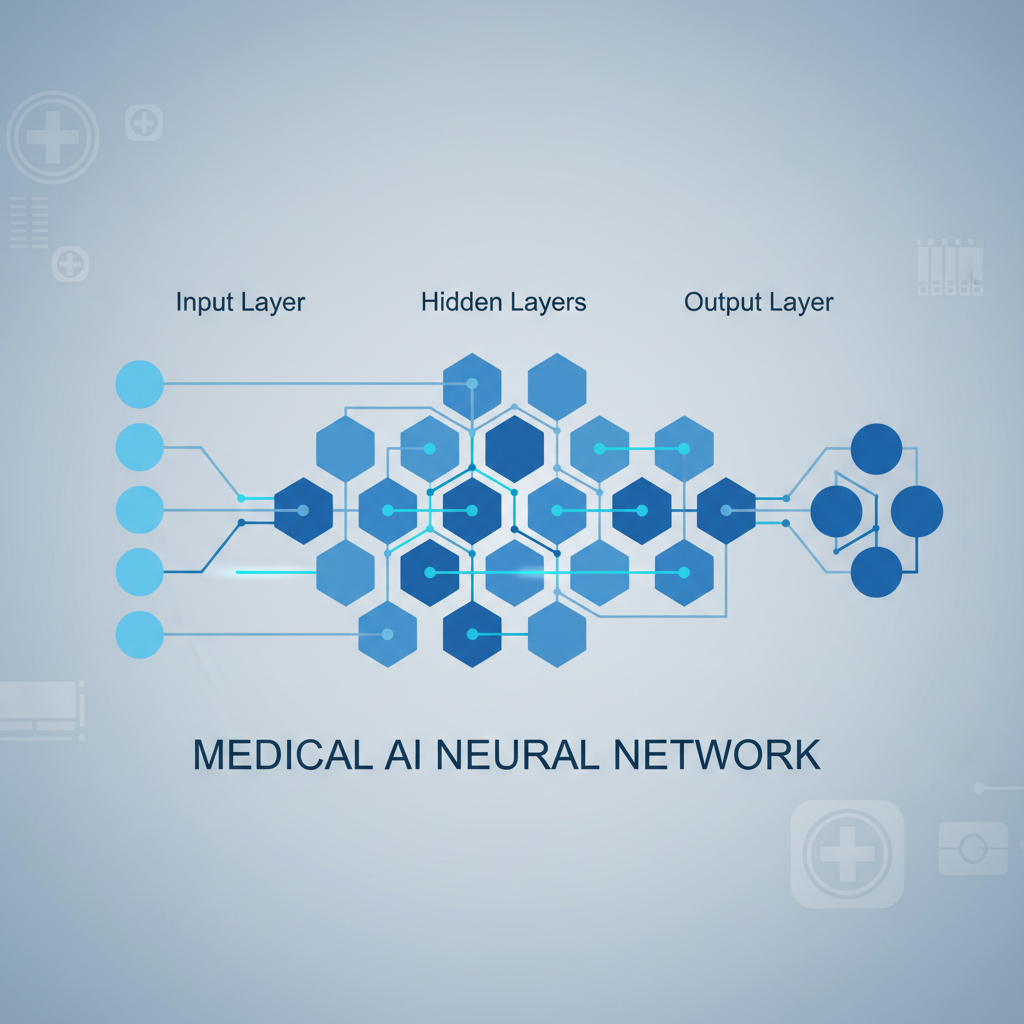
Deep Learning: MLP Architecture

Structure:
Input Layer (10 Features) → Hidden Layer (32 Neurons) → Dropout → Hidden Layer (16 Neurons) → Output (1 Neuron)

Activation Functions:
  • ReLU: For hidden layers (handling non-linearity).
  • Sigmoid: For output (probability 0.0 - 1.0).
neural network architecture diagram, nodes and connections, flat design blue and grey medical technology style
Made byBobr AI

Stabilization Techniques

Dropout (Rate 0.2)
Randomly disabling 20% of neurons during training iterations. This forces the network to learn robust features rather than memorizing noise (overfitting prevention).
EarlyStopping
Monitors validation loss. Automatically halts training when model performance ceases to improve, saving computational resources and preventing overtraining.
Made byBobr AI

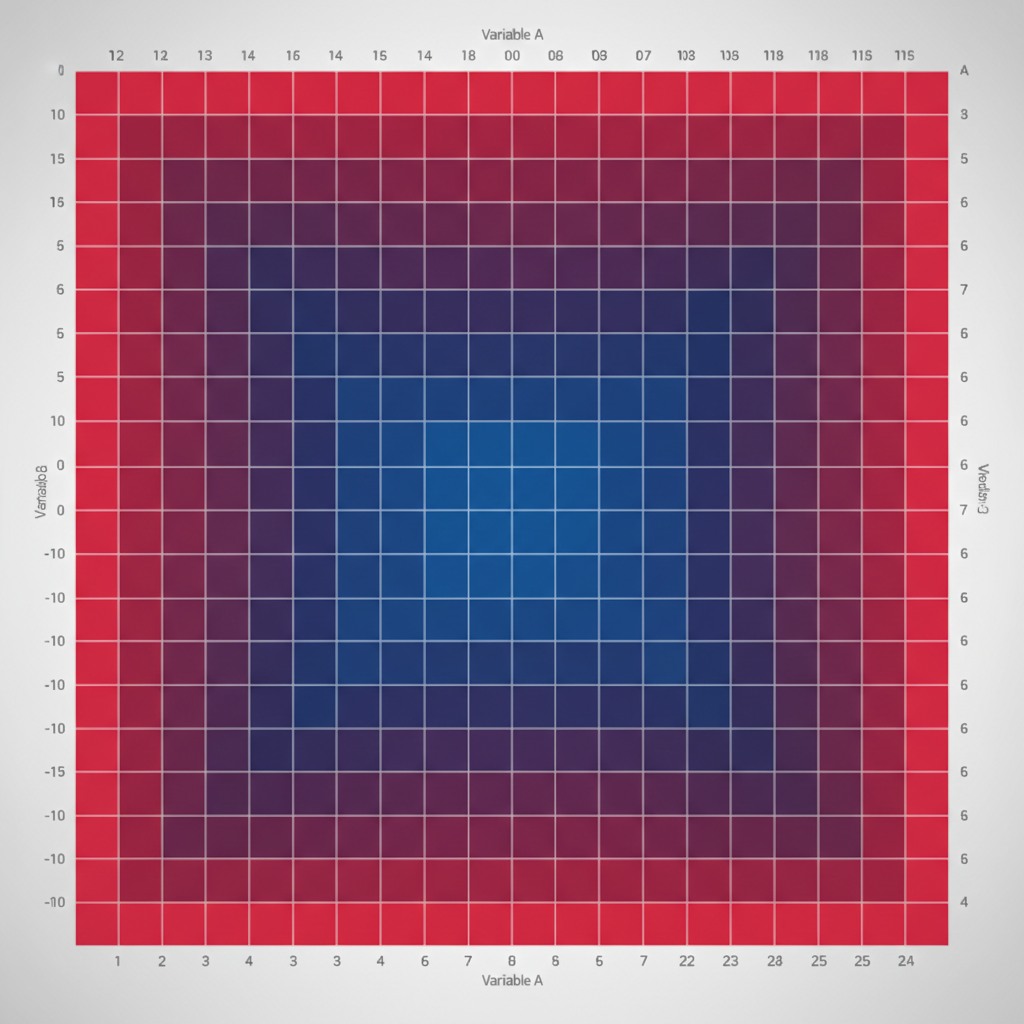
Results: Correlation Analysis

Figure 1: Feature Heatmap

Spearman Correlation shows a strong positive relationship (approx 0.76) between Seismic Energy and Number of Pulses. High-energy events consistently correlate with high pulse counts.

scientific correlation matrix heatmap, squares with shades of red and blue, clean modern data visualization
Made byBobr AI
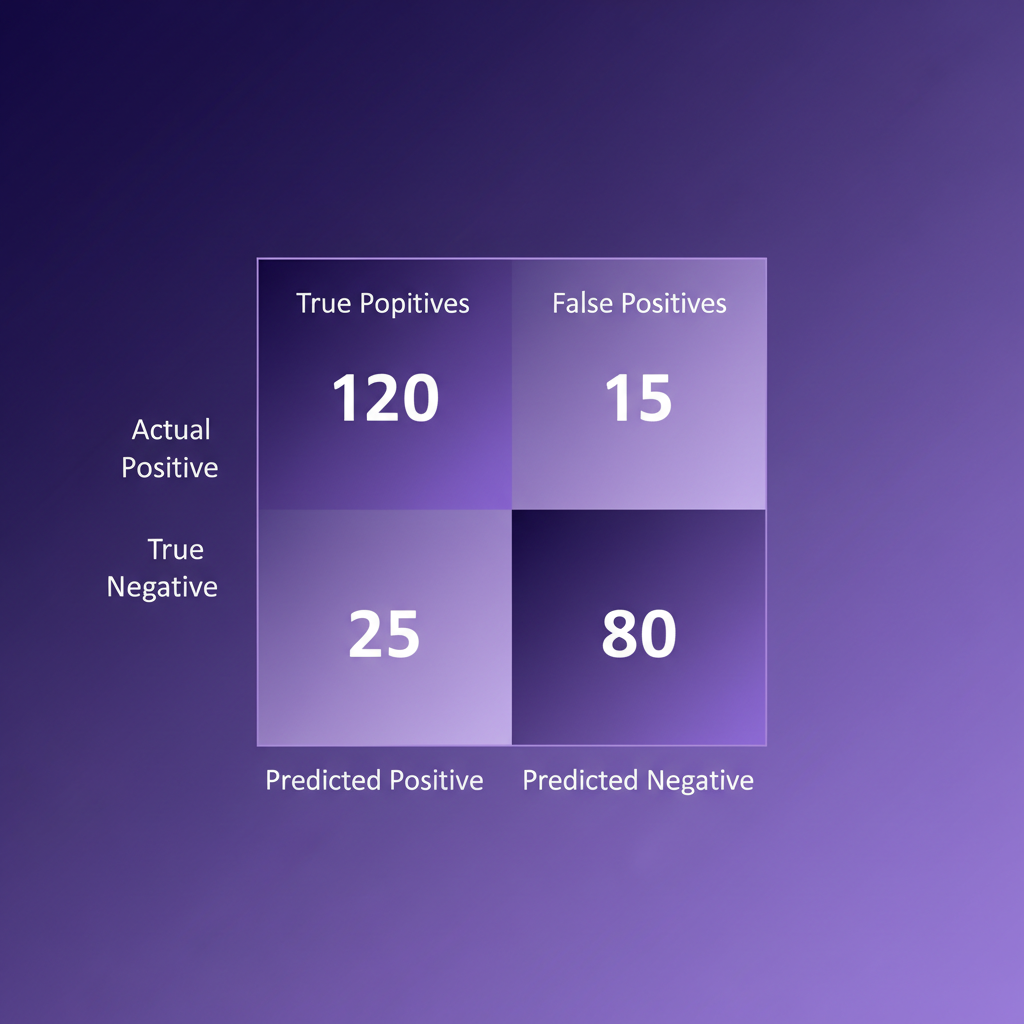
confusion matrix visualization purple gradients, 2x2 grid, numbers inside squares, scientific style

Results: KNN Evaluation

Figure 2: Confusion Matrix

Accuracy reached ~91%. The model demonstrates high precision in determining safe states (non-hazardous), though dealing with the minority 'hazardous' class remains a challenge common in seismic data.
Made byBobr AI

Results: Cluster Visualization

Chart

The K-Means algorithm effectively separated the data into regimes. 'Pink' points represent high-energy clusters, identified as the most dangerous seismic states.

Made byBobr AI

Results: Neural Network Training

Chart
The close alignment between Training (Blue) and Validation (Pink) curves indicates a stable model with minimal overfitting, thanks to the dropout layers.
Made byBobr AI

Final Comparison: KNN vs MLP

The Neural Network (MLP) outperformed the classic KNN algorithm. The MLP's ability to capture non-linear relationships in the seismic data led to superior predictive performance.

Chart
Made byBobr AI

Conclusions

  • High Accuracy: AI models achieved >90% accuracy in predicting seismic states.
  • Preprocessing is Key: RobustScaler proved essential for handling natural anomalies in seismic energy data.
  • Future Potential: Deep Learning (MLP) shows the most promise for real-time Early Warning Systems due to its handling of non-linearities and stability.
Made byBobr AI
Bobr AI

DESIGNER-MADE
PRESENTATION,
GENERATED FROM
YOUR PROMPT

Create your own professional slide deck with real images, data charts, and unique design in under a minute.

Generate For Free

Predicting Seismic Hazards with Machine Learning & MLP

Learn how Machine Learning and Deep Learning models like KNN and MLP are used for seismic hazard prediction in mining using the Seismic-Bumps dataset.

Seismic Hazard Prediction via Machine Learning

Project Analysis & Neural Network Implementation

Student Name | ID: 12345678

Project Objectives

<ul><li><strong>Hazard Prediction:</strong> Forecasting seismic bumps in mining environments based on sensor data.</li><li><strong>Model Comparison:</strong> Evaluating Machine Learning vs. Deep Learning approaches.</li><li><strong>Key Algorithms:</strong><ul><li>Unsupervised: K-Means Clustering</li><li>Supervised (Classic): KNN (K-Nearest Neighbors)</li><li>Deep Learning: MLP (Multi-Layer Perceptron)</li></ul></li></ul>

Dataset Overview: "Seismic-Bumps"

<ul><li><strong>Source:</strong> UCI Machine Learning Repository.</li><li><strong>Volume:</strong> 2584 records, 10 feature columns.</li><li><strong>Class Imbalance:</strong> High imbalance between 'Hazardous' (1) and 'Non-Hazardous' (0) states.</li><li><strong>Key Features:</strong><br>- <em>genergy</em>: Seismic energy recorded.<br>- <em>gpuls</em>: Number of pulses recorded.<br>- <em>gdenergy</em>: Energy gradient/deviation.</li></ul>

Methodology: Preprocessing

Label Encoding

Machine learning models require numerical input. Textual categorical data (e.g., shift names) must be converted.<br><br><strong>Example:</strong><br>Shift 'Morning' &rarr; <span style='color:#003366; font-weight:bold;'>0</span><br>Shift 'Afternoon' &rarr; <span style='color:#003366; font-weight:bold;'>1</span>

Methodology: Scaling (RobustScaler)

<strong>Why RobustScaler?</strong><br>Seismic energy data contains massive outliers (extreme spikes). Standard scaling (Mean/Variance) would be skewed by these anomalies. RobustScaler uses the Median (Q2) and Interquartile Range (IQR), making the model resilient to extreme physical events.

Unsupervised Learning: K-Means

<ul><li><strong>Goal:</strong> Discovery of natural groups within the data without pre-labeled answers.</li><li><strong>Configuration:</strong> K=3 Clusters.</li><li><strong>Mechanism:</strong> The algorithm identifies 'centroids' (centers of gravity) and groups seismic events based on physical similarity (Energy/Pulses).</li></ul>

Classification: K-Nearest Neighbors (KNN)

<strong>Logic:</strong> Risk determination based on the majority class of the 5 closest historical data points.<br><br><strong>Metric:</strong> Euclidean Distance in a 10-dimensional feature space.<br><br><strong>Application:</strong> A classic baseline model to benchmark complex neural networks against.

Deep Learning: MLP Architecture

<strong>Structure:</strong><br>Input Layer (10 Features) &rarr; Hidden Layer (32 Neurons) &rarr; Dropout &rarr; Hidden Layer (16 Neurons) &rarr; Output (1 Neuron)<br><br><strong>Activation Functions:</strong><br><ul><li><em>ReLU:</em> For hidden layers (handling non-linearity).</li><li><em>Sigmoid:</em> For output (probability 0.0 - 1.0).</li></ul>

Stabilization Techniques

<div style='margin-bottom: 40px;'><strong>Dropout (Rate 0.2)</strong><br>Randomly disabling 20% of neurons during training iterations. This forces the network to learn robust features rather than memorizing noise (overfitting prevention).</div><div><strong>EarlyStopping</strong><br>Monitors validation loss. Automatically halts training when model performance ceases to improve, saving computational resources and preventing overtraining.</div>

Results: Correlation Analysis

Spearman Correlation shows a strong positive relationship (approx 0.76) between Seismic Energy and Number of Pulses. High-energy events consistently correlate with high pulse counts.

Results: KNN Evaluation

<strong>Figure 2: Confusion Matrix</strong><br><br>Accuracy reached ~91%. The model demonstrates high precision in determining safe states (non-hazardous), though dealing with the minority 'hazardous' class remains a challenge common in seismic data.

Results: Cluster Visualization

The K-Means algorithm effectively separated the data into regimes. 'Pink' points represent high-energy clusters, identified as the most dangerous seismic states.

Results: Neural Network Training

The close alignment between Training (Blue) and Validation (Pink) curves indicates a stable model with minimal overfitting, thanks to the dropout layers.

Final Comparison: KNN vs MLP

The Neural Network (MLP) outperformed the classic KNN algorithm. The MLP's ability to capture non-linear relationships in the seismic data led to superior predictive performance.

Conclusions

<ul><li><strong>High Accuracy:</strong> AI models achieved >90% accuracy in predicting seismic states.</li><li><strong>Preprocessing is Key:</strong> RobustScaler proved essential for handling natural anomalies in seismic energy data.</li><li><strong>Future Potential:</strong> Deep Learning (MLP) shows the most promise for real-time Early Warning Systems due to its handling of non-linearities and stability.</li></ul>

  • machine-learning
  • deep-learning
  • seismic-hazard
  • neural-networks
  • data-science
  • mining-safety
  • mlp
  • knn