





























How Dogs Transform Mental Health: Benefits of Canine Bonds
Explore the science-backed emotional and psychological benefits of dog companionship, from stress reduction to assistance for PTSD, depression, and ADHD.
The Pawsitive Impact: How Dogs Transform Our Mental Health
Exploring the profound emotional and psychological benefits of canine companionship.
Introduction: The Age-Old Connection
Why dogs are commonly known as 'man's best friend.'
The human-canine bond dates back over 15,000 years, making dogs the very first species to be domesticated by humans.
Evolving from shared survival needs to deep emotional companionship, this unique partnership has shaped both our histories.
The Science of the Bond
Oxytocin: The Love Hormone
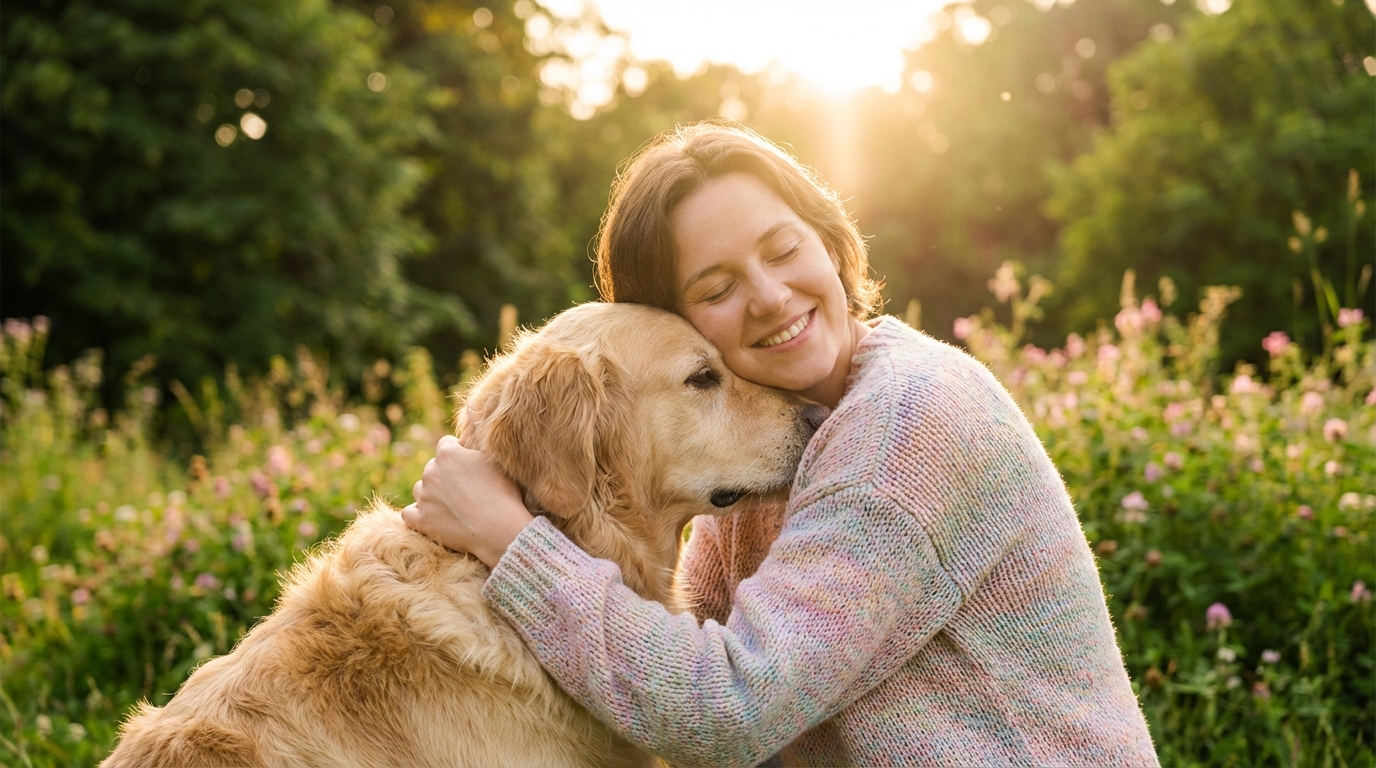
Looking into a dog’s eyes—even for just a moment—triggers a biological release of oxytocin, the same chemical that reinforces the bond between a parent and child.
Reducing Stress & Cortisol
Simple interactions like petting or sitting with a dog act as a nervous system regulator, lowering cortisol levels and promoting a measurable state of calm.
Stress and Anxiety Reduction
Interacting with therapy dogs has been scientifically proven to lower cortisol levels and increase oxytocin, promoting a sense of peace.
Lowering Daily Stress
Immediate Calming Effect
Reducing Panic Attacks
Combating Loneliness & Social Isolation
Dogs as Social Catalysts
Beyond unconditional companionship, dogs act as natural ice-breakers that encourage conversation and interaction. They help bridge social gaps, allowing owners to connect with their community and build meaningful new friendships.
Developing a Routine & Purpose
Morning Motivation
Structure in Your Day
Sense of Responsibility
The Power of Physical Activity
Exercise and Endorphins
Outdoor Exposure
Mental Clarity through Movement
The Ultimate Support System
Unconditional love and non-judgmental support create a safe emotional space where we are truly heard.
Dogs for Specific Mental Health Conditions
Tailored canine support to enhance well-being and daily functioning for diverse needs.
PTSD
Service dogs help interrupt flashbacks, provide grounding during anxiety, and create a sense of safety essential for recovery.
Depression
Companionship combats isolation, encourages daily routine, and offers unconditional love that lifts the spirit.
ADHD
Dogs assist in establishing structure, managing energy levels, and providing non-judgmental stability to improve focus.
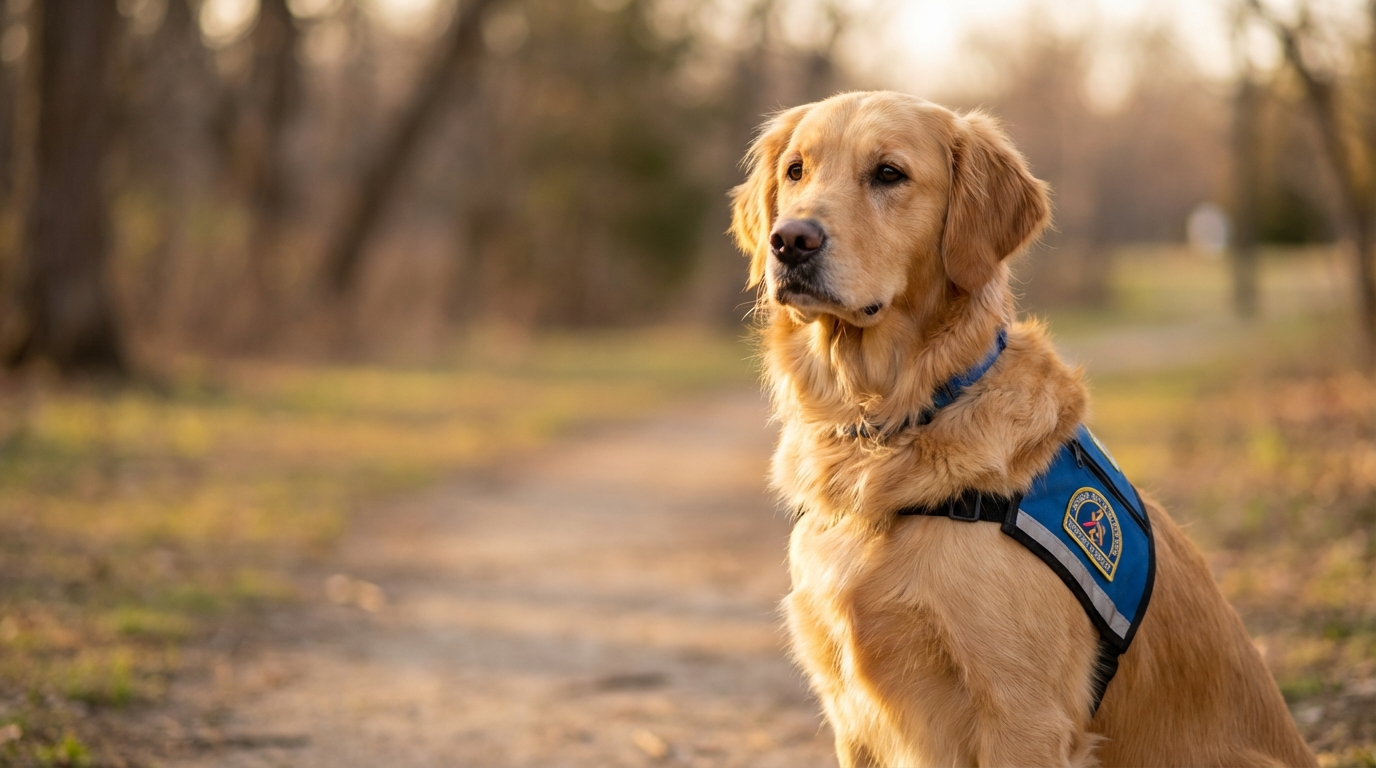
Not Just Any Pet: Therapy and Service Dogs
Practical Tips for Choosing Your Companion
Finding the perfect furry match for your lifestyle requires considering three key factors to ensure a happy, lifelong friendship.
Activity & Energy Level
Match the dog's energy to yours. Active breeds thrive with runners and hikers, while calm breeds prefer leisurely strolls.
Size & Living Space
Consider your home environment. Larger breeds often need yards to roam, whereas smaller dogs adapt well to apartment living.
Temperament & Personality
Research breed traits carefully. Decide if you need an independent spirit, a protective guardian, or a social butterfly.
A Lifelong Friend for Your Mind and Heart
Biological Benefits
Emotional Support
Lifestyle Changes
Thank You! Any Questions?
We'd love to hear from you. hello@pawsitivevibes.com www.pawsitivevibes.com
- mental-health
- dog-therapy
- stress-relief
- canine-companionship
- anxiety-reduction
- service-dogs
- animal-assisted-therapy
- wellness