




Made byBobr AI

Impact of Unstable Work Schedules on Long-Term Health

Expert analysis of Dr. Wen-Jui Han's research on how volatile work patterns and burnout lead to depression and poor physical health by age 50.

#burnout#occupational-health#social-work#public-policy#mental-health#labor-rights#longitudinal-study
Watch
Pitch
Tired night shift worker

When Work Makes Us Sick

Burnout, Unstable Schedules & Long-Term Health

NPR Health Shots | Dr. Wen-Jui Han, NYU Silver School of Social Work

Presented by:

Stacy · Aurora · Adonis · Garrett

Social Work Research Presentation | April 2026

NYU Silver School of Social Work Logo
Made byBobr AI

Presentation Overview

01
How We Found the News Story
Presented by: Stacy
02
Summary of the News Story
Presented by: Aurora & Adonis
03
Who Is the Researcher?
Presented by: Aurora
04
How the Research Was Used
Presented by: Aurora
05
How the Research Was Portrayed
Presented by: Adonis
06
Social Justice Analysis
Presented by: Adonis
07
Overview of the Peer-Reviewed Study
Presented by: Stacy & Garrett
08
Findings, Implications & Future Research
Presented by: Garrett & Adonis

Presentation Duration: ~15 minutes | Q&A: 5 minutes

Made byBobr AI

STACY | How We Found the Story

Finding Social Work Research in the Mainstream Media

Used an advanced Google search:
'social work' AROUND 5 'research' site:npr.org

Difficult to find — required several search iterations with different terms and media sites

Had to verify: a social worker was involved AND the research was locatable

Key Insight:
Social work research is underrepresented in mainstream media — it takes deliberate effort to find it.

Man searching on computer at night
Made byBobr AI
AURORA & ADONIS | News Story Summary

What Is the News Story About?

NPR Health Shots, April 2024 — 'Burnout Culture: Working Late Shifts Can Lead to Depression, Poor Health'

NPR Article Image
🌙
Unstable, late-night work in youth harms health YEARS later
📊
Long-term NYU study: volatile schedules → less sleep, worse mental & physical health, more depression by age 50
🏗️
Burnout = structural work problem, NOT personal stress or poor self-care
⚖️
Harmful work patterns fall HARDEST on socially & economically disadvantaged workers
"Our work now is making us sick and poor." — Dr. Wen-Jui Han, NPR Interview
Made byBobr AI
AURORA | The Researcher

Dr. Wen-Jui Han

Professor, NYU Silver School of Social Work

NYU Silver Logo

Multidisciplinary training: sociology, developmental psychology, economics & public policy

MSW from UCLA | PhD from Columbia University

Published in many top academic journals

Research focus: well-being of children & families — parental employment, childcare, public policy

Recent focus: precarious employment as a social determinant of health

Academic background representation

Social Determinants of Health | Precarious Employment | Family Well-Being

Made byBobr AI
AURORA | Research Use in Media

How Was the Research Used in the Article?

01 🎯

Central Evidence: Dr. Han's research served as the core evidence for NPR's argument about burnout, overwork, and health effects of unstable schedules.

02 📢

Translated for Public: NPR explained study findings for a general audience — especially the link between irregular hours in young adulthood and worse health later in life.

03 🎙️

Researcher Interviewed Directly: Han spoke to NPR via Zoom interview. Key quote: "Our work now is making us sick and poor."

04 🏛️

Reframed as Structural Issue: Han's commentary helped position the issue as a structural labor & public health concern — NOT just individual stress.

NPR Health Shots Thumbnail
NPR Health Shots, April 2024
Made byBobr AI

ADONIS | Research Portrayal

Was the Research Accurately Portrayed?

NPR Health Shots Coverage Analysis

✅ Where NPR Succeeded

  • Accurately summarized study's main findings

  • Correctly described the longitudinal research design

  • Included direct interview quotes from Dr. Han that aligned with study conclusions

  • Positioned findings as credible and policy-relevant

  • Highlighted methodological rigor

  • Conveyed scheduling practices as a public health issue

⚠️ Where NPR Fell Short

  • Framed burnout primarily as individual experience, not structural labor issue

  • Did not analyze beyond 'person-in-environment' (PIE) lens

  • Missed structural lens: labor policies create conditions that harm mental health

  • No detail on how findings align to broader systemic inequalities

  • Limited discussion of racialized labor patterns

💡

Overall: Accurate but incomplete — NPR missed the social work structural lens

Made byBobr AI

ADONIS | Social Justice Analysis

Does the Research Address Social Justice?

Partially — But Not Explicitly

What Was Acknowledged

The study recognizes that unpredictable schedules are a structural problem shaped by employer practices

What Was NOT Addressed

Racialized labor patterns
Gendered expectations in shift work
Economic inequality
Anti-oppressive frameworks
Policy-level equity solutions

Who Is Most Affected?

Black and Latino workers
Immigrant workers
Low-wage service workers
Single parents (disproportionately women)
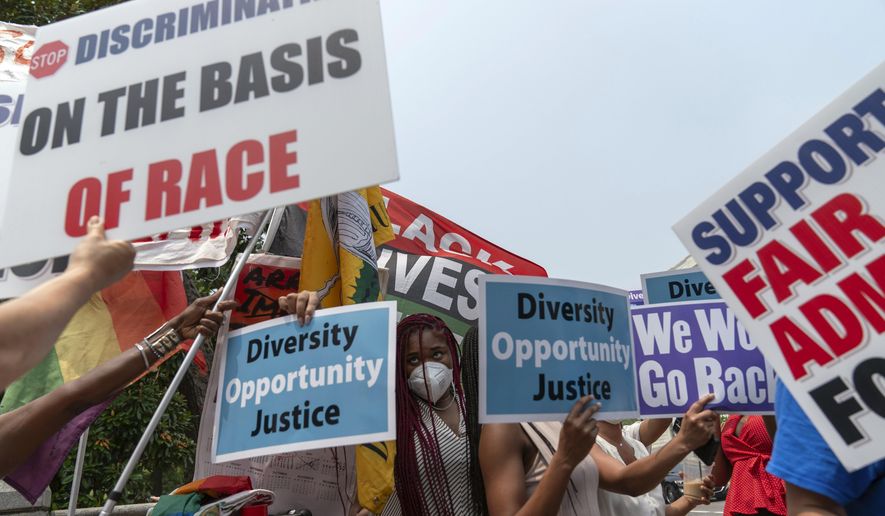
Diverse workers rally

These inequities are well-documented in labor research but were NOT named in the study or the NPR article

Made byBobr AI

ADONIS | Social Justice Recommendations

How Could the Study Better Address Social Justice?

Aligning with NASW Code of Ethics — Social Justice & Human Dignity

1

Name Structural Inequities

Explicitly state that marginalized workers are overrepresented in unstable scheduling due to systemic racism, class stratification & occupational segregation

2

Connect to Policy Advocacy

Recommend: Fair scheduling laws · Living-wage policies · Union protections · Anti-retaliation protections for workers requesting stable schedules

3

Anti-Oppressive Language

Frame burnout as institutional failure & employer accountability — NOT individual mental-health outcome

4

Highlight Intersectionality

Workers facing race + gender + low income face compounded risk — this must be named explicitly in research and media

Social Justice Rally

"Social work's macro mission demands structural analysis"

Made byBobr AI

PART 2

Overview of the Peer-Reviewed Study

Dr. Wen-Jui Han et al. — National Longitudinal Survey of Youth (NLSY79)

Research Questions
Study Design
Measurement
Study Sample
Findings & Implications
Study Diagram
NYU Silver Logo
Made byBobr AI
PEER-REVIEWED STUDY
STACY | Research Questions

What Did the Study Set Out to Answer?

RQ1

How might lifetime work trajectories shape future health outcomes?

Focused on cumulative work patterns from age 22–49 and their effect at age 50

RQ2

How might transitions between work schedules be associated with sleep and future mental/physical health?

Examined shifts between daytime, evening, night, variable, and non-working schedules over the life course

🔍

These questions address critical gaps in understanding how employment patterns across the LIFE COURSE shape health in middle adulthood

Made byBobr AI
STACY | Study Design & Purpose

Study Design & Purpose

Design Elements

🔢
QUANTITATIVE
Numerical data, statistical analysis
📚
SECONDARY DATA
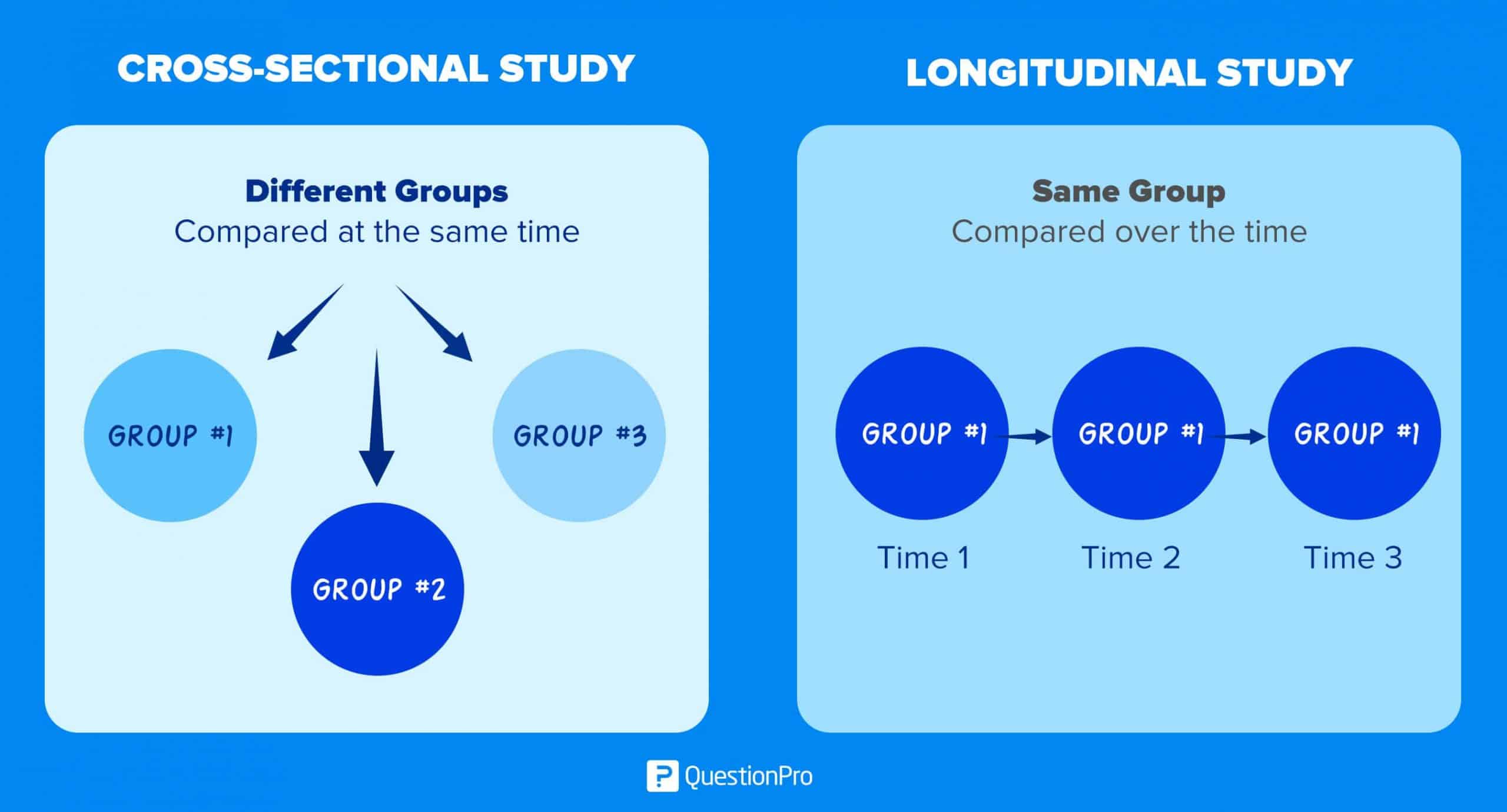
NLSY79: National Longitudinal Survey of Youth-1979, 30+ years of data
📅
LONGITUDINAL
Tracked work patterns ages 22–49, health outcomes measured at age 50
🔬
EXPLORATORY + EXPLANATORY
Addresses literature gaps AND explains how social position moderates health outcomes

Study Purpose

EXPLORATORY PURPOSE:
Address gaps in understanding how employment patterns over the life-course shape health in middle adulthood + how social position moderates that connection
EXPLANATORY PURPOSE:
Explain how social position (gender, race/ethnicity, education) acts as a MODERATING VARIABLE between lifetime work trajectories and health outcomes
DATA COLLECTION RANGE
Age 22
Age 30
Age 40
Age 49
Health Measured at 50
Made byBobr AI
STACY | Measurement (Part 1 of 2)

How Were the Study Variables Measured?

Health Outcome Variables

😴 Sleep Hours
Average hours/day in a week • NLSY79 participants aged 50+
🌙 Sleep Quality
4-point Likert scale • Issues experienced past month • Combined standardized score • Higher score = better quality
❤️ Poor Health
NLSY79 health status section • Dichotomized: 1 = Fair/Poor • 0 = Good/Very Good/Excellent
🧠 SF-12 Mental & Physical Health
12-Item Short-Form Survey • Includes pain interference, mood items • Past 4 weeks • Higher score = better functioning • Collected 2008–2016
💊 Depressive Symptoms (CES-D)
7-item CES-D short form • 'I felt depressed' 'I felt lonely' • Past week • Score 0–21 • Higher = more symptoms
💡 All health outcomes measured at age 50 to capture long-term impact of lifetime work patterns
Made byBobr AI
STACY | Measurement (Part 2 of 2)

Work Schedule Categories & Social Position

Work Schedule Categories

5 CATEGORIES
Standard — Start 6am or later, end by 6pm
Evenings — Start 2pm or later, end by midnight
Nights — Start 9pm or later, end by 8am
Variable — Split, rotating shift, or irregular hours
Not Working

Social Position (Moderating Variable)

GENDER: Woman vs. Man (reference)
RACE/ETHNICITY: Non-Hispanic White (ref) · Non-Hispanic Black · Hispanic · Others
EDUCATION (by age 23): Less than high school · High school degree · Some college · College degree or higher

Social position MODERATES the relationship between work trajectories and health outcomes

Made byBobr AI

GARRETT | Study Sample (Part 1 of 2)

Who Was Studied & Where Did the Data Come From?

Data Source

National Longitudinal Survey of Youth 1979 (NLSY79) — followed 12,686 Americans who were ages 14–22 in 1979

What Was Tracked

Work schedule patterns from age 22–49 → measured effects on health and sleep at age 50

Exclusion Criteria

Removed if: survey cohort ended early · Missing sleep data · Missing personal/work information

Final Study Sample

~7,300 Adults

After exclusions from the original 12,686 participants

1979
[Start: 12,686]
Age 22-49
[Work tracking]
Age 50
[Health outcomes]
Final
~7,300
Made byBobr AI

GARRETT | STUDY SAMPLE (PART 2 OF 2)

Who Was in the Final Sample?

~7,300 Adults — Key Demographics

Gender

>50% Women

Just over half of the study sample identified as women

Race / Ethnicity

White ~50%
Black 30%
Hispanic 19%

Education

Most had at least a high school degree by age 23

~20%

had NOT completed high school

Most born in U.S. · Lived in urban areas
Nearly 50% had lived in poverty before age 23
~30% already married or had children by age 23
Made byBobr AI
GARRETT & ADONIS | Key Findings

Most Important Findings from the Study

What the Study Found

📉 Unstable schedules predict WORSE sleep, mental health, and depressive symptoms by midlife

😰 Volatile work hours create CHRONIC STRESS due to lack of control over one's schedule

⚠️ Harmful scheduling practices disproportionately affect MARGINALIZED workers — women, people of color, low-education

🎓 Education acts as a PROTECTIVE FACTOR — higher education = better sleep & health outcomes regardless of schedule

🔄 Biggest health DROP: workers who started daytime hours then switched to UNPREDICTABLE schedules

Why This Matters for Social Work

Social Work Implications

Burnout accent
Burnout is STRUCTURALLY produced, not a personal weakness
Social workers must assess labor conditions as part of mental health evaluation
Findings support advocacy for fair labor policies
Reinforces need for MACRO-LEVEL interventions in workplace health
Made byBobr AI
GARRETT & ADONIS | Social Work Implications

What Does This Mean for Social Work?

Practice · Policy · Research

🤝 PRACTICE

  • When helping middle-aged clients with exhaustion or depression, assess their ENTIRE work history
  • Decades of bad schedules may be the hidden root cause
  • Labor conditions are a mental health factor — not just personal stress
  • Screening tools should include work schedule history

📜 POLICY

  • Advocate for laws protecting workers from burnout caused by unstable, demanding jobs
  • Push for fair scheduling legislation
  • Support living-wage policies and union protections
  • Anti-retaliation protections for workers requesting stable schedules

🔬 RESEARCH

  • This study proves bad workplace experiences BUILD UP over a lifetime
  • Longitudinal methods needed to capture full health picture
  • Future research must track income as mediating variable
  • Intersectional analyses required

Burnout is a STRUCTURAL issue — social workers must respond at the MACRO level

Made byBobr AI
GARRETT | Future Research
Questions for Future Research
?
Primary Research Question
How exactly does income MEDIATE the link between unpredictable work schedules and poor health later in life?
Income pays for health resources — but this study excluded it because job type directly determines pay. Future studies must track income separately.
🏠 Unpaid Labor Burden
How do unpaid household chores (disproportionately done by women) COMPOUND the exhaustion and sleep loss caused by unstable work schedules?
🔄 Schedule Recovery
If someone switches from night shifts to stable daytime hours, how quickly do their body and mind recover?
💪 Resilience Mystery
Why do some marginalized groups who face the most hardship actually REPORT BETTER sleep or less depression than others? What drives this resilience?
Future research must be intersectional, longitudinal, and policy-oriented
Made byBobr AI
Night shift worker

CONCLUSION

Key Takeaways

Unstable work schedules have LONG-TERM health consequences — worse sleep, mental health, and depression by midlife
Structural labor conditions — NOT individual choices — drive burnout
Marginalized workers (women, people of color, low-wage workers) bear the HEAVIEST burden
Social work MUST address these issues through practice, policy, and research

"Our work now is making us sick and poor."

— Dr. Wen-Jui Han, NPR Interview, 2024

Thank you — Questions?
Presented by: Stacy · Aurora · Adonis · Garrett
NYU Silver Logo
Made byBobr AI
Bobr AI

DESIGNER-MADE
PRESENTATION,
GENERATED FROM
YOUR PROMPT

Create your own professional slide deck with real images, data charts, and unique design in under a minute.

Generate For Free

Impact of Unstable Work Schedules on Long-Term Health

Expert analysis of Dr. Wen-Jui Han's research on how volatile work patterns and burnout lead to depression and poor physical health by age 50.

When Work Makes Us Sick

Burnout, Unstable Schedules & Long-Term Health

NPR Health Shots | Dr. Wen-Jui Han, NYU Silver School of Social Work

Stacy · Aurora · Adonis · Garrett

Social Work Research Presentation | April 2026

Presentation Overview

How We Found the News Story

Stacy

Summary of the News Story

Aurora & Adonis

Who Is the Researcher?

Aurora

How the Research Was Used

Aurora

How the Research Was Portrayed

Adonis

Social Justice Analysis

Adonis

Overview of the Peer-Reviewed Study

Stacy & Garrett

Findings, Implications & Future Research

Garrett & Adonis

Presentation Duration: ~15 minutes | Q&A: 5 minutes

STACY | How We Found the Story

Finding Social Work Research in the Mainstream Media

Difficult to find — required several search iterations with different terms and media sites

Social work research is underrepresented in mainstream media — it takes deliberate effort to find it.

AURORA & ADONIS | News Story Summary

What Is the News Story About?

NPR Health Shots, April 2024 — 'Burnout Culture: Working Late Shifts Can Lead to Depression, Poor Health'

Unstable, late-night work in youth harms health YEARS later

Long-term NYU study: volatile schedules → less sleep, worse mental & physical health, more depression by age 50

Burnout = structural work problem, NOT personal stress or poor self-care

Harmful work patterns fall HARDEST on socially & economically disadvantaged workers

"Our work now is making us sick and poor." — Dr. Wen-Jui Han, NPR Interview

AURORA | The Researcher

Dr. Wen-Jui Han

Professor, NYU Silver School of Social Work

Multidisciplinary training: sociology, developmental psychology, economics & public policy

MSW from UCLA | PhD from Columbia University

Published in many top academic journals

Research focus: well-being of children & families — parental employment, childcare, public policy

Recent focus: precarious employment as a social determinant of health

Social Determinants of Health | Precarious Employment | Family Well-Being

AURORA | Research Use in Media

How Was the Research Used in the Article?

01

🎯

Central Evidence:

Dr. Han's research served as the core evidence for NPR's argument about burnout, overwork, and health effects of unstable schedules.

02

📢

Translated for Public:

NPR explained study findings for a general audience — especially the link between irregular hours in young adulthood and worse health later in life.

03

🎙️

Researcher Interviewed Directly:

Han spoke to NPR via Zoom interview. Key quote: "Our work now is making us sick and poor."

04

🏛️

Reframed as Structural Issue:

Han's commentary helped position the issue as a structural labor & public health concern — NOT just individual stress.

NPR Health Shots, April 2024

ADONIS | Research Portrayal

Was the Research Accurately Portrayed?

NPR Health Shots Coverage Analysis

✅ Where NPR Succeeded

Accurately summarized study's main findings

Correctly described the longitudinal research design

Included direct interview quotes from Dr. Han that aligned with study conclusions

Positioned findings as credible and policy-relevant

Highlighted methodological rigor

Conveyed scheduling practices as a public health issue

⚠️ Where NPR Fell Short

Framed burnout primarily as individual experience, not structural labor issue

Did not analyze beyond 'person-in-environment' (PIE) lens

Missed structural lens: labor policies create conditions that harm mental health

No detail on how findings align to broader systemic inequalities

Limited discussion of racialized labor patterns

Overall: Accurate but incomplete — NPR missed the social work structural lens

ADONIS | Social Justice Analysis

Does the Research Address Social Justice?

Partially — But Not Explicitly

What Was Acknowledged

The study recognizes that unpredictable schedules are a structural problem shaped by employer practices

What Was NOT Addressed

Racialized labor patterns

Gendered expectations in shift work

Economic inequality

Anti-oppressive frameworks

Policy-level equity solutions

Who Is Most Affected?

Black and Latino workers

Immigrant workers

Low-wage service workers

Single parents (disproportionately women)

These inequities are well-documented in labor research but were NOT named in the study or the NPR article

ADONIS | Social Justice Recommendations

How Could the Study Better Address Social Justice?

Aligning with NASW Code of Ethics — Social Justice & Human Dignity

Name Structural Inequities

Explicitly state that marginalized workers are overrepresented in unstable scheduling due to systemic racism, class stratification & occupational segregation

Connect to Policy Advocacy

Recommend: Fair scheduling laws · Living-wage policies · Union protections · Anti-retaliation protections for workers requesting stable schedules

Anti-Oppressive Language

Frame burnout as institutional failure & employer accountability — NOT individual mental-health outcome

Highlight Intersectionality

Workers facing race + gender + low income face compounded risk — this must be named explicitly in research and media

Social work's macro mission demands structural analysis

PART 2

Overview of the Peer-Reviewed Study

Dr. Wen-Jui Han et al. — National Longitudinal Survey of Youth (NLSY79)

Research Questions

Study Design

Measurement

Study Sample

Findings & Implications

PEER-REVIEWED STUDY

STACY | Research Questions

What Did the Study Set Out to Answer?

RQ1

How might lifetime work trajectories shape future health outcomes?

Focused on cumulative work patterns from age 22–49 and their effect at age 50

RQ2

How might transitions between work schedules be associated with sleep and future mental/physical health?

Examined shifts between daytime, evening, night, variable, and non-working schedules over the life course

🔍

These questions address critical gaps in understanding how employment patterns across the

LIFE COURSE

shape health in middle adulthood

STACY | Study Design & Purpose

Study Design & Purpose

Design Elements

🔢

QUANTITATIVE

Numerical data, statistical analysis

📚

SECONDARY DATA

NLSY79: National Longitudinal Survey of Youth-1979, 30+ years of data

📅

LONGITUDINAL

Tracked work patterns ages 22–49, health outcomes measured at age 50

🔬

EXPLORATORY + EXPLANATORY

Addresses literature gaps AND explains how social position moderates health outcomes

Study Purpose

EXPLORATORY PURPOSE:

Address gaps in understanding how employment patterns over the life-course shape health in middle adulthood + how social position moderates that connection

EXPLANATORY PURPOSE:

Explain how social position (gender, race/ethnicity, education) acts as a <span style="color: #FF6B35; font-weight: 700;">MODERATING VARIABLE</span> between lifetime work trajectories and health outcomes

DATA COLLECTION RANGE

STACY | Measurement (Part 1 of 2)

How Were the Study Variables Measured?

Health Outcome Variables

😴 Sleep Hours

Average hours/day in a week • NLSY79 participants aged 50+

🌙 Sleep Quality

4-point Likert scale • Issues experienced past month • Combined standardized score • Higher score = better quality

❤️ Poor Health

NLSY79 health status section • Dichotomized: 1 = Fair/Poor • 0 = Good/Very Good/Excellent

🧠 SF-12 Mental & Physical Health

12-Item Short-Form Survey • Includes pain interference, mood items • Past 4 weeks • Higher score = better functioning • Collected 2008–2016

💊 Depressive Symptoms (CES-D)

7-item CES-D short form • 'I felt depressed' 'I felt lonely' • Past week • Score 0–21 • Higher = more symptoms

All health outcomes measured at age 50 to capture long-term impact of lifetime work patterns

STACY | Measurement (Part 2 of 2)

Work Schedule Categories & Social Position

Work Schedule Categories

5 CATEGORIES

Standard

Start 6am or later, end by 6pm

Evenings

Start 2pm or later, end by midnight

Nights

Start 9pm or later, end by 8am

Variable

Split, rotating shift, or irregular hours

Not Working

Social Position (Moderating Variable)

GENDER

Woman vs. Man (reference)

RACE/ETHNICITY

Non-Hispanic White (ref) · Non-Hispanic Black · Hispanic · Others

EDUCATION (by age 23)

Less than high school · High school degree · Some college · College degree or higher

Social position

MODERATES

the relationship between work trajectories and health outcomes

GARRETT | Study Sample (Part 1 of 2)

Who Was Studied & Where Did the Data Come From?

Data Source

National Longitudinal Survey of Youth 1979 (NLSY79) — followed 12,686 Americans who were ages 14–22 in 1979

What Was Tracked

Work schedule patterns from age 22–49 → measured effects on health and sleep at age 50

Exclusion Criteria

Removed if: survey cohort ended early · Missing sleep data · Missing personal/work information

Final Study Sample

~7,300 Adults

After exclusions from the original 12,686 participants

1979

[Start: 12,686]

Age 22-49

[Work tracking]

Age 50

[Health outcomes]

Final

~7,300

GARRETT | STUDY SAMPLE (PART 2 OF 2)

Who Was in the Final Sample?

~7,300 Adults — Key Demographics

>50%

Just over half of the study sample identified as women

~50%

30%

19%

Most had at least a high school degree by age 23

~20%

Most born in U.S. · Lived in urban areas

Nearly 50% had lived in poverty before age 23

~30% already married or had children by age 23

GARRETT & ADONIS | Key Findings

Most Important Findings from the Study

What the Study Found

Why This Matters for Social Work

Social Work Implications

📉 Unstable schedules predict WORSE sleep, mental health, and depressive symptoms by midlife

😰 Volatile work hours create CHRONIC STRESS due to lack of control over one's schedule

⚠️ Harmful scheduling practices disproportionately affect MARGINALIZED workers — women, people of color, low-education

🎓 Education acts as a PROTECTIVE FACTOR — higher education = better sleep & health outcomes regardless of schedule

🔄 Biggest health DROP: workers who started daytime hours then switched to UNPREDICTABLE schedules

Burnout is STRUCTURALLY produced, not a personal weakness

Social workers must assess labor conditions as part of mental health evaluation

Findings support advocacy for fair labor policies

Reinforces need for MACRO-LEVEL interventions in workplace health

GARRETT & ADONIS | Social Work Implications

What Does This Mean for Social Work?

Practice · Policy · Research

🤝 PRACTICE

When helping middle-aged clients with exhaustion or depression, assess their ENTIRE work history

Decades of bad schedules may be the hidden root cause

Labor conditions are a mental health factor — not just personal stress

Screening tools should include work schedule history

📜 POLICY

Advocate for laws protecting workers from burnout caused by unstable, demanding jobs

Push for fair scheduling legislation

Support living-wage policies and union protections

Anti-retaliation protections for workers requesting stable schedules

🔬 RESEARCH

This study proves bad workplace experiences BUILD UP over a lifetime

Longitudinal methods needed to capture full health picture

Future research must track income as mediating variable

Intersectional analyses required

Burnout is a STRUCTURAL issue — social workers must respond at the MACRO level

GARRETT | Future Research

Questions for Future Research

Primary Research Question

How exactly does income MEDIATE the link between unpredictable work schedules and poor health later in life?

Income pays for health resources — but this study excluded it because job type directly determines pay. Future studies must track income separately.

🏠 Unpaid Labor Burden

How do unpaid household chores (disproportionately done by women) COMPOUND the exhaustion and sleep loss caused by unstable work schedules?

🔄 Schedule Recovery

If someone switches from night shifts to stable daytime hours, how quickly do their body and mind recover?

💪 Resilience Mystery

Why do some marginalized groups who face the most hardship actually REPORT BETTER sleep or less depression than others? What drives this resilience?

Future research must be intersectional, longitudinal, and policy-oriented

Key Takeaways

Unstable work schedules have LONG-TERM health consequences — worse sleep, mental health, and depression by midlife

Structural labor conditions — NOT individual choices — drive burnout

Marginalized workers (women, people of color, low-wage workers) bear the HEAVIEST burden

Social work MUST address these issues through practice, policy, and research

"Our work now is making us sick and poor."

— Dr. Wen-Jui Han, NPR Interview, 2024

Thank you — Questions?

Presented by: Stacy · Aurora · Adonis · Garrett

  • burnout
  • occupational-health
  • social-work
  • public-policy
  • mental-health
  • labor-rights
  • longitudinal-study