

















Economics of Black Friday: Demand & Price Discrimination
Explore the economic principles of Black Friday, including demand spikes, price discrimination, and marketing psychology in this senior-year presentation.
Black Friday
& Consumer Behavior
Demand Spikes
Price Discrimination
Marketing Psychology
Presented by: Student A • Student B • Student C
Economics | Senior Year | March 2026
SECTION INTRO
What Is Black Friday?
Day after Thanksgiving
Biggest retail sales event in the U.S.
Kickstarts the holiday shopping season
Both online and in-store
Student B
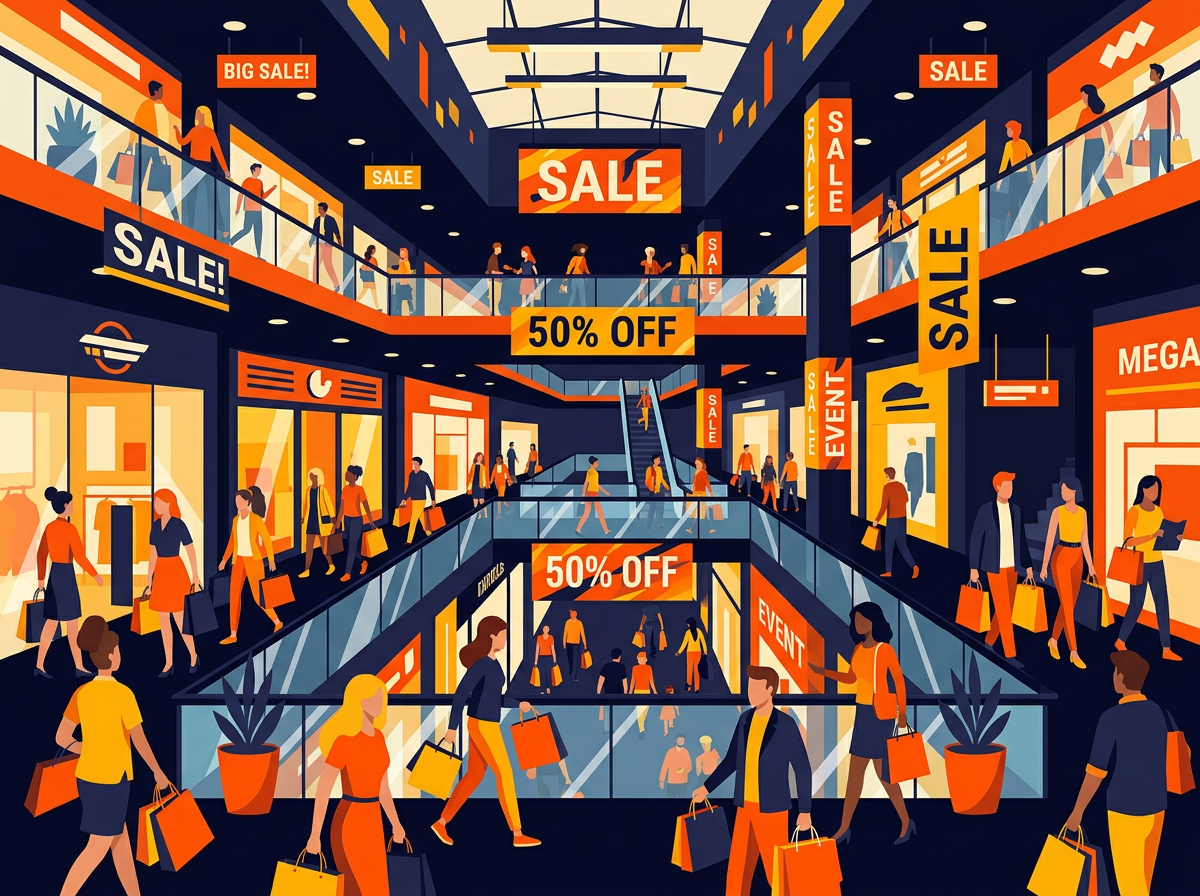
Stores lower prices to increase demand and attract large crowds.
SECTION 1: DEMAND SPIKES
What Is Demand?
Demand =
Willingness & Ability to Buy
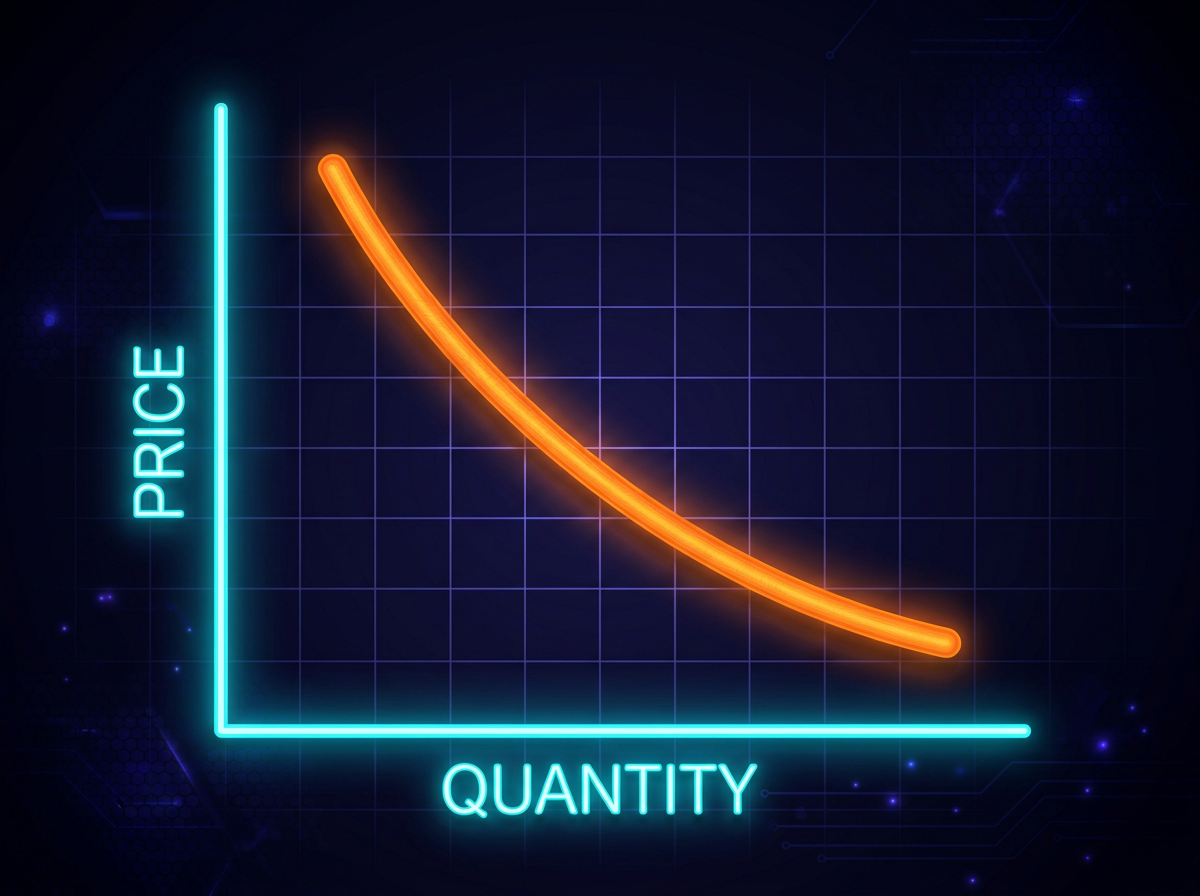
Law of Demand: Price ↓ → Quantity Demanded ↑
Consumers react to price incentives (and marketing!).
Student A
When prices fall, people buy more.
SECTION 1: DEMAND SPIKES
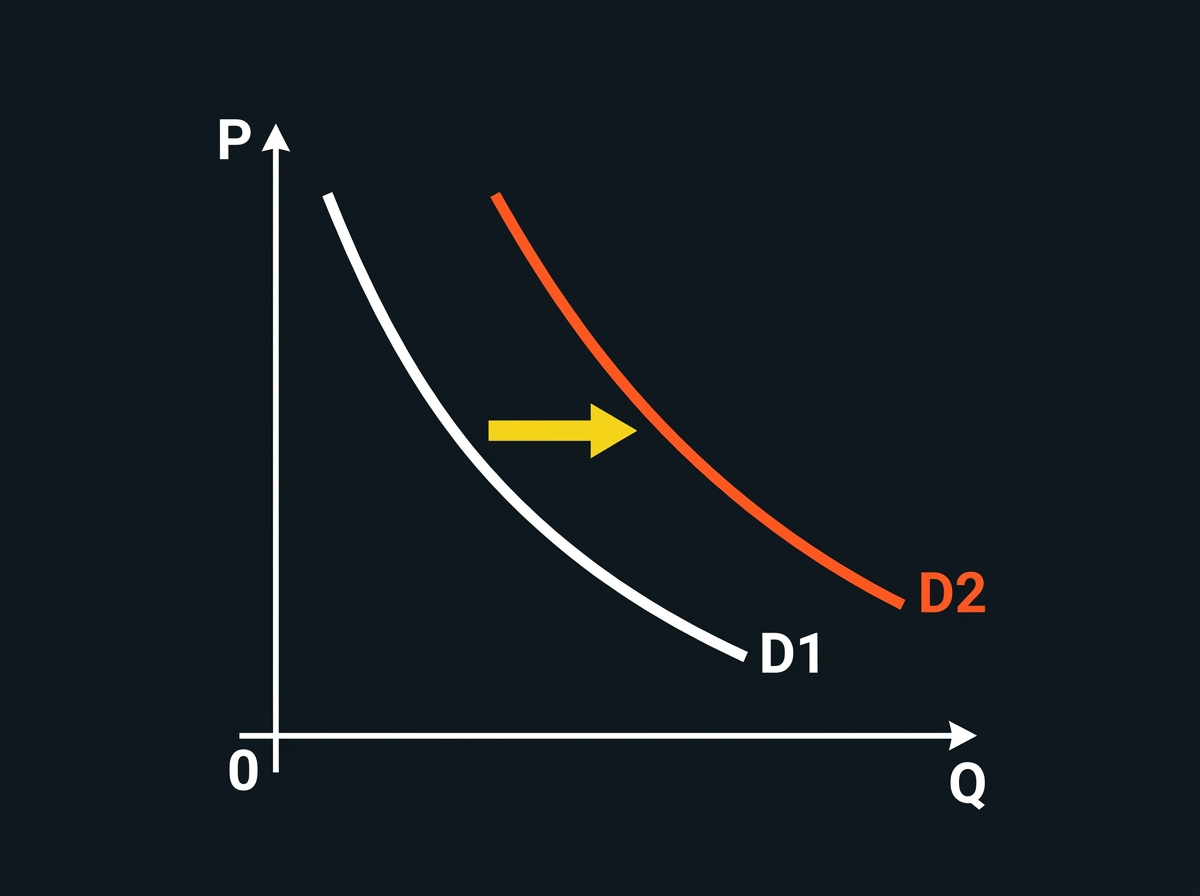
Demand Spike on Black Friday
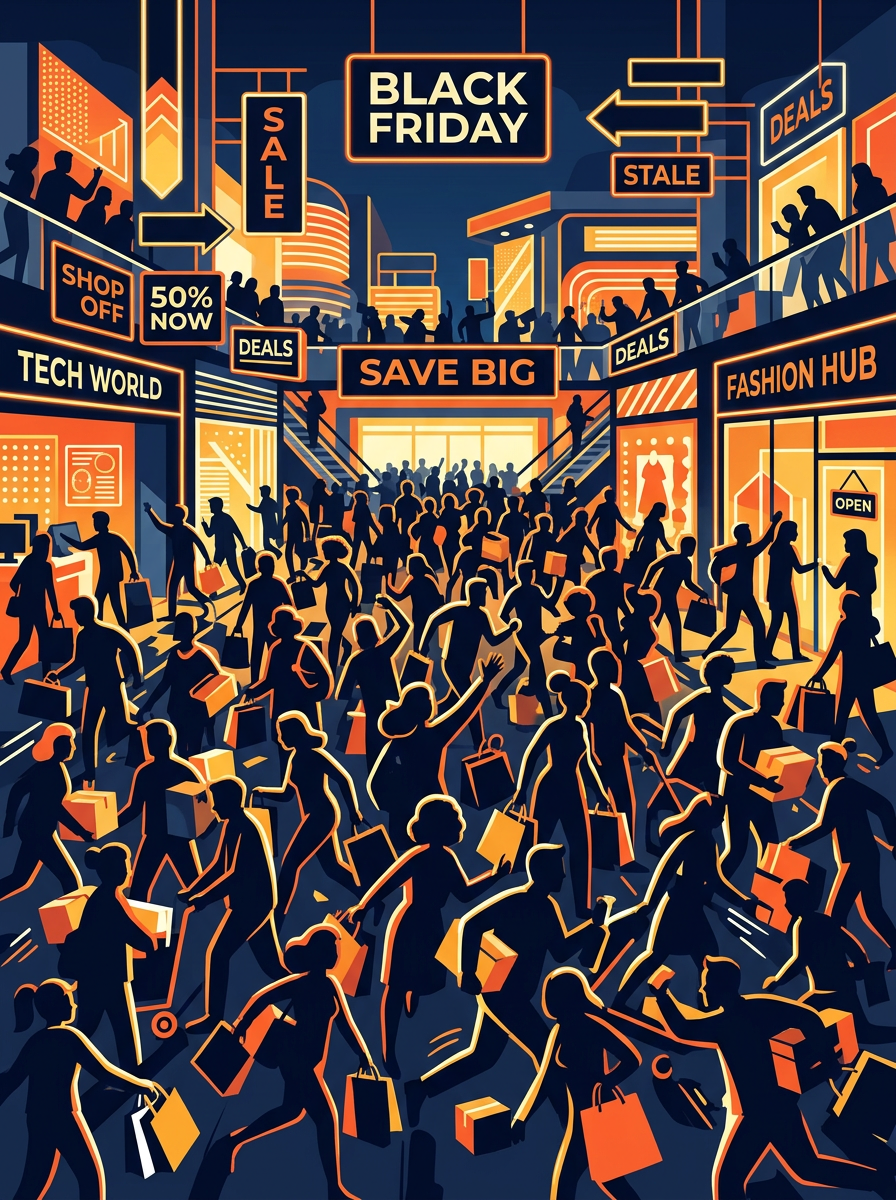
TVs selling out in minutes
Websites crashing from traffic
For Seniors: More retail hours = more stress & more money!
Student C
SECTION 2: PRICE DISCRIMINATION
What Is Price Discrimination?
Charging different prices to different consumers based on their willingness to pay
Early access members get better deals
Student discounts vs. adult prices
Doorbuster deals — limited quantities only
Same product. Different price. Businesses know what you'll pay.
Section 2: Price Discrimination
Black Friday
Examples
First 50 Customers
Deep discounts reserved only for those willing to camp out.
Online-Only Deals
Exclusive pricing tracked by your cookies and device type.
Countdown Timers
Artificial time pressure forces you to buy before checking competitors.
This also happens to YOU as a senior:
College tuition based on family income
Airline tickets fluctuating by date
Concert ticket dynamic pricing
Student A
Businesses know some people will wake up at 5 AM. Others won't. They use that gap to charge different prices.
- economics
- black-friday
- consumer-behavior
- price-discrimination
- marketing-psychology
- education