
Made byBobr AI

History of Hogan's Alley and Little Burgundy - Black Canada

Explore the history for Hogan's Alley in Vancouver and Little Burgundy in Montreal, including their origins, railway heritage, and urban displacement.

#black-history#canadian-history#hogans-alley#little-burgundy#vancouver-history#montreal-history#urban-renewal#railway-porters
Watch
Pitch
African Canadian Communities:
Hogan's Alley & Little Burgundy
A Study of Two Historic Black Canadian Neighbourhoods
Independent Research Assignment | Grade History
Made byBobr AI
HOGAN'S ALLEY — VANCOUVER
Slide 1: Where Was Hogan's Alley?
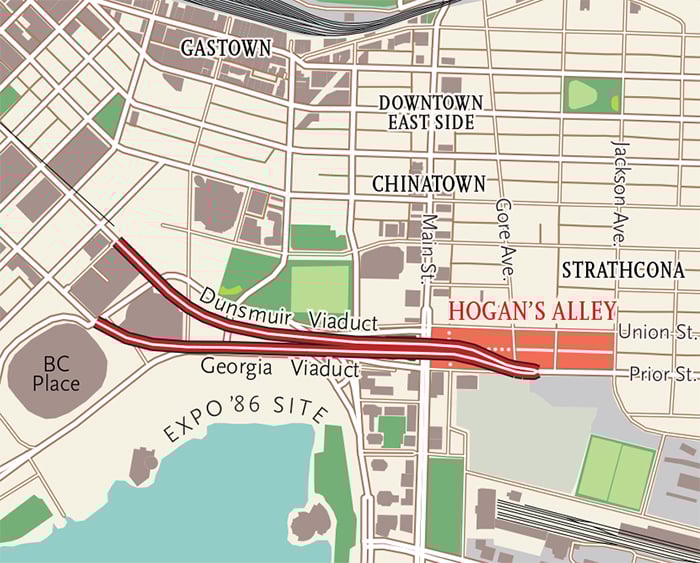
Map of Hogan's Alley
Located in the Strathcona neighbourhood of Vancouver, British Columbia
Informally named "Park Lane" — an alley running between Union Street and Prior Street, from Main Street to Jackson Avenue
Situated just east of Chinatown and south of Gastown
Very close to Great Northern Railway and CPR train stations
Strathcona was one of Vancouver's oldest and most diverse working-class neighbourhoods
Source: Canadian Geographic, "Hogan's Alley Remembered," 2021 | Hogan's Alley Society, hogansalleysociety.org
Made byBobr AI
HOGAN'S ALLEY — VANCOUVER

Slide 2: Origins of the Community

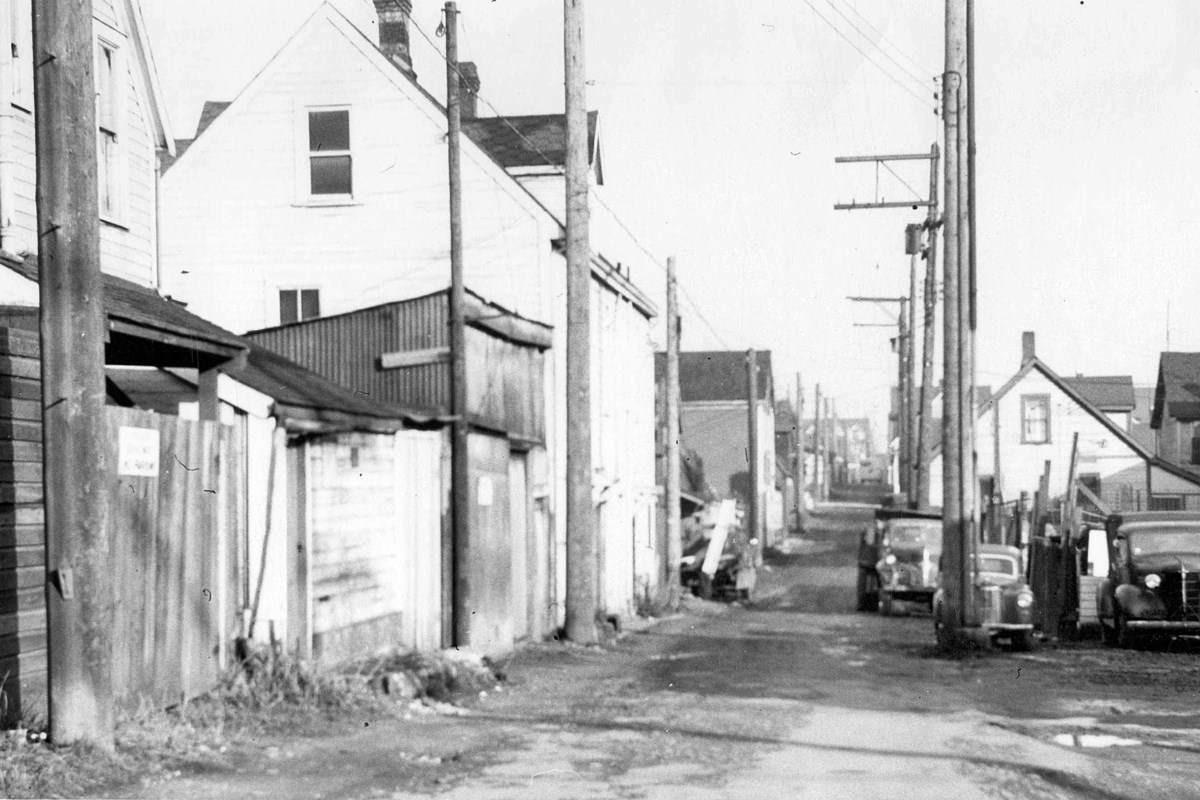
Historic Hogan's Alley

When Did It Begin?

  • Community formed around 1910–1915
  • By 1914, the Black population reached approximately 300 residents
  • Population peaked at around 800 in the 1930s–1940s
  • Likely housed most of Vancouver's Black residents at its peak

Where Did They Come From?

  • Many came from Salt Spring Island, BC (whose Black settlers originally came from California in 1858)
  • Others migrated from Oklahoma via Alberta
  • Some came directly from the United States seeking railway work
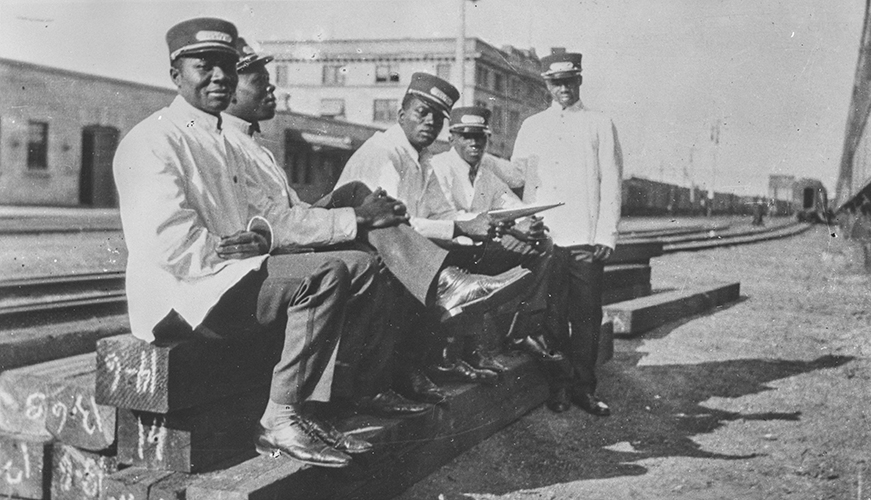
Railway Porters
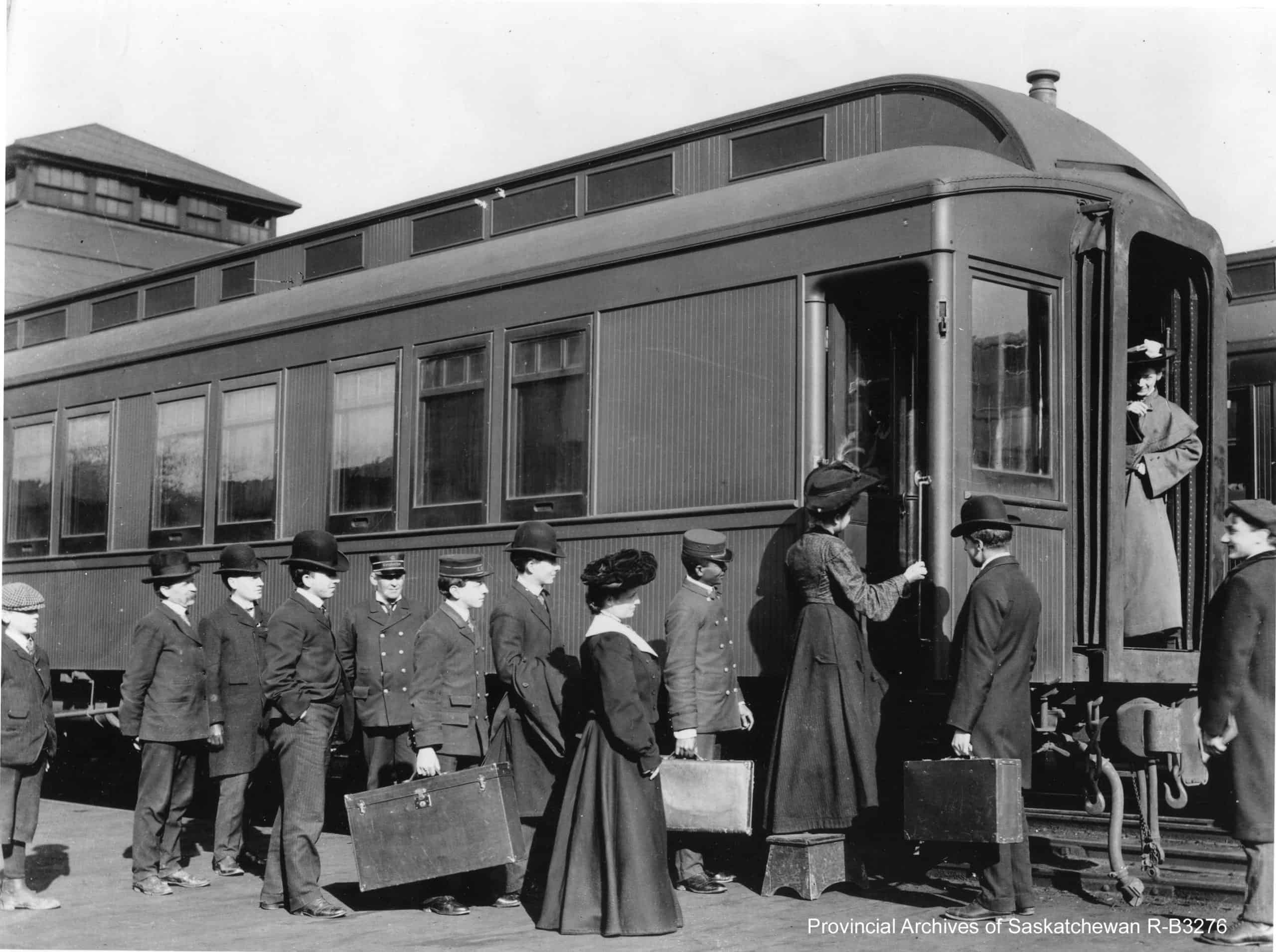
Black Railway Porters, 1920s
Source: Hogan's Alley Society | City of Vancouver Archives | Canadian Geographic, 2021
Made byBobr AI
HOGAN'S ALLEY — VANCOUVER
Slide 3: Why Did They Come?
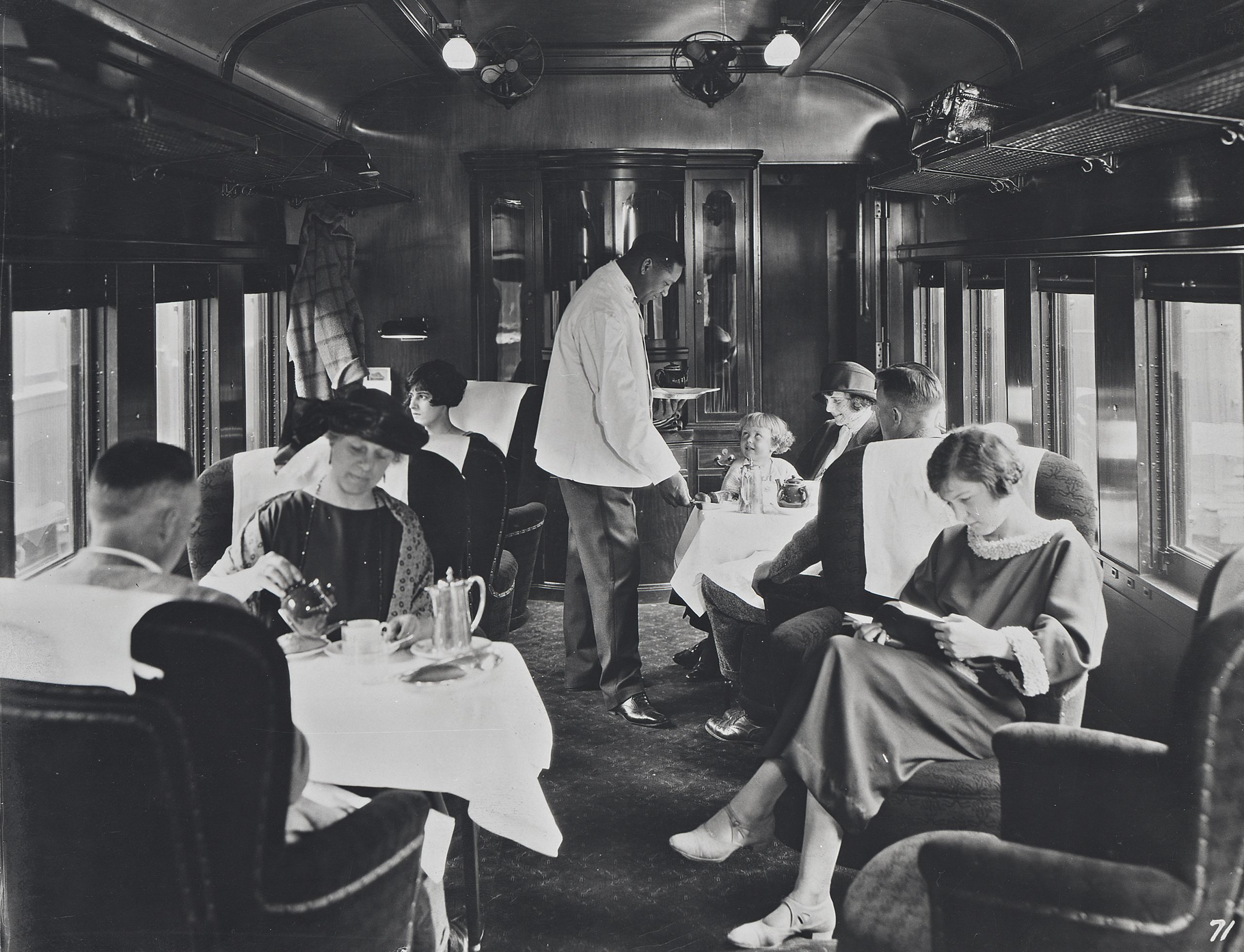
Black porters serving passengers on Canadian railways
🚂 Railway Jobs
Nearby Great Northern Railway and CPR stations offered work as sleeping car porters, cooks, and janitors — one of the few jobs available to Black men at the time.
🏠 Housing Discrimination
Racial discrimination in Vancouver's housing market forced Black residents into specific areas. Hogan's Alley was one of the few places they could rent or own.
👨‍👩‍👧 Community & Safety
Living near other Black families provided safety, cultural connection, and mutual support in a city with widespread racism.
⛪ Fleeing Discrimination in the US & Prairies
Many Black Canadians left Oklahoma and the American South to escape racial violence and Jim Crow laws, seeking better opportunities in Western Canada.
Source: Hogan's Alley Society | Vancouver Heritage Foundation | City of Vancouver Archives
Made byBobr AI
HOGAN'S ALLEY — VANCOUVER
Slide 4: Problems & Difficulties
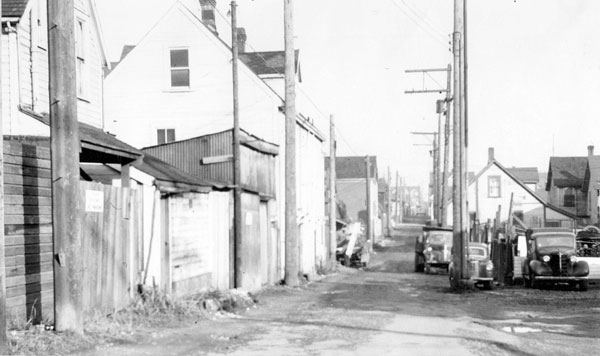
Historic Street Scene
Hogan's Alley, 1940s — modest homes and businesses
Racial Discrimination
Black residents were denied jobs in many industries. Railway porter jobs were among the very few available — despite being highly skilled workers.
Housing Neglect
The city deliberately withheld maintenance and services from the neighbourhood, accelerating its decline.
Rezoned as "Industrial" (1931)
The city rezoned Hogan's Alley as industrial land, freezing property values and discouraging investment, labelling the area a "slum."
Police Harassment
The community faced regular police raids on speakeasies and gambling establishments, despite similar activities in white neighbourhoods being ignored.
Overcrowding & Poverty
Limited job options and housing discrimination led to overcrowding and economic hardship for many families.
Social Exclusion
Black residents were excluded from many downtown venues, restaurants, and social institutions — the neighbourhood was a refuge but also a result of segregation.
Source: Hogan's Alley Society | Bocking, S., "Traces of Hogan's Alley," Society for the Study of Architecture in Canada, 2013 | Vancouver Sun
Made byBobr AI
HOGAN'S ALLEY — VANCOUVER
Slide 5: What Happened to the Community?
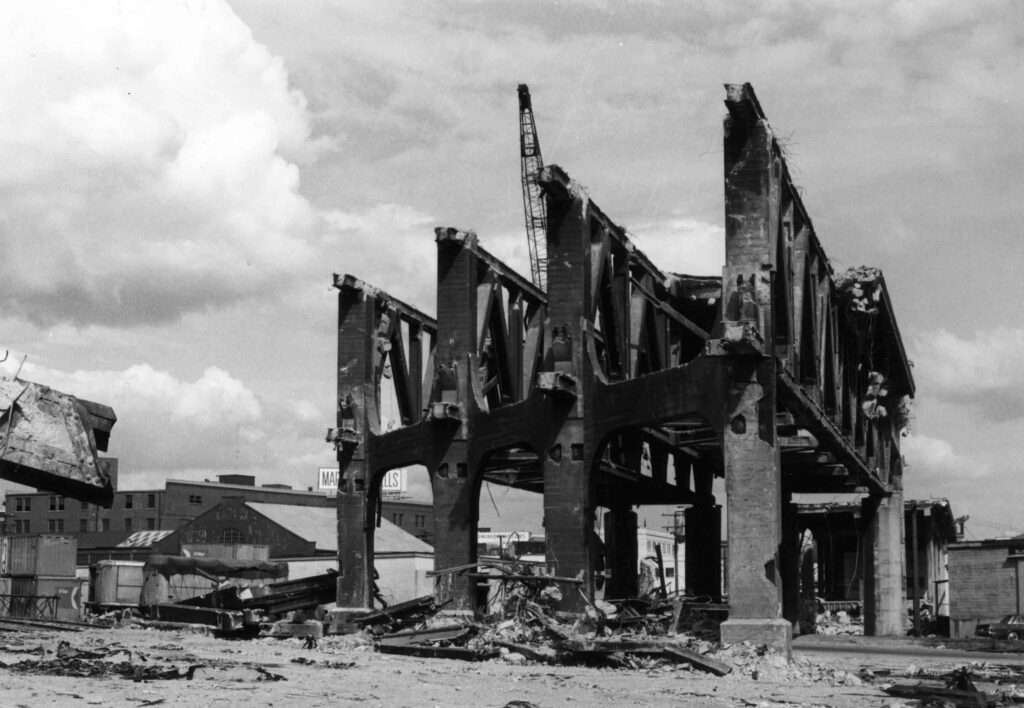
Demolition of Hogan's Alley
Buildings demolished for the Georgia & Dunsmuir Viaducts, late 1960s
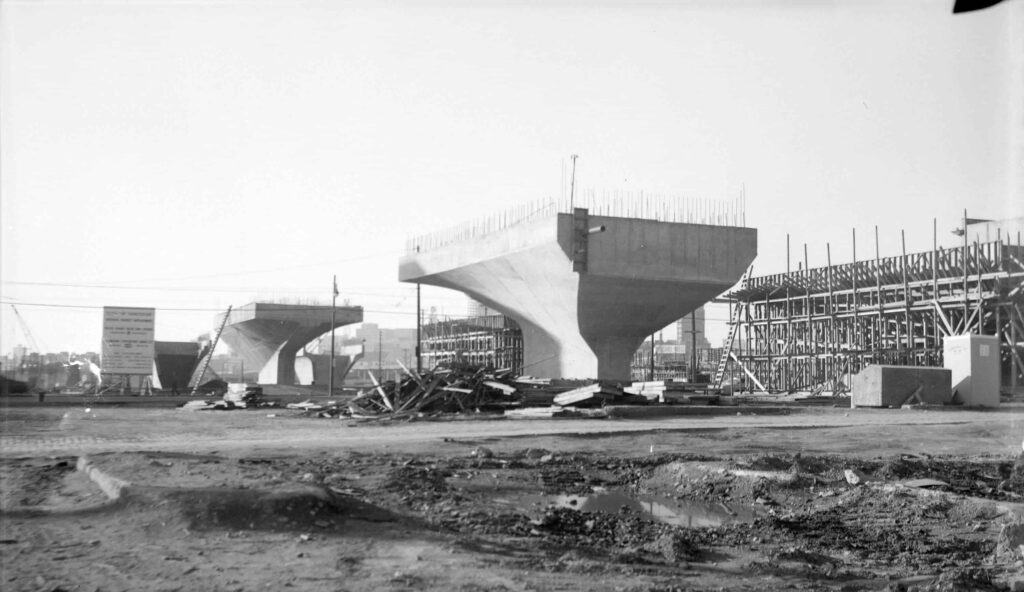
Viaduct Construction
Georgia Street Viaduct under construction, 1970
1931
City rezones Hogan's Alley as industrial to devalue the land
1950s
Strathcona labelled a "slum"; demolition plans begin
1967–72
"Project 200" approved; blocks razed for Georgia/Dunsmuir Viaducts
1967–72
Black families displaced; no alternative housing provided
Post-1972
No concentrated Black neighbourhood reformed in Vancouver
The viaducts were built through the heart of Hogan's Alley — destroying a thriving Black community.
SPOTA protested, but could not save Hogan's Alley.
Source: Hogan's Alley Society | City of Vancouver Archives | Spacing Vancouver, 2012
Made byBobr AI
HOGAN'S ALLEY — VANCOUVER
Slide 6: Hogan's Alley Today
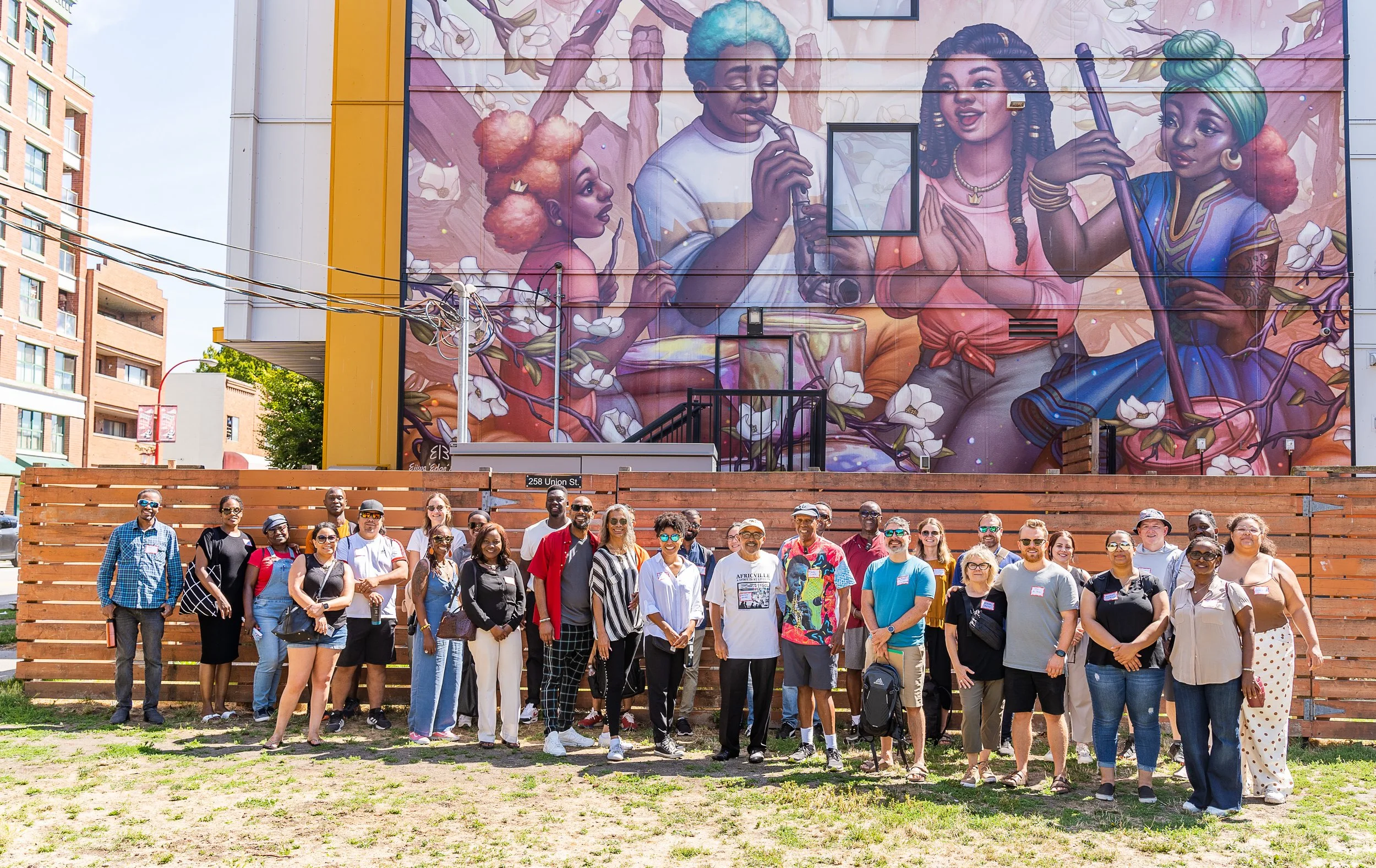
Community present day
Hogan's Alley Society community event, present day
Redevelopment plans
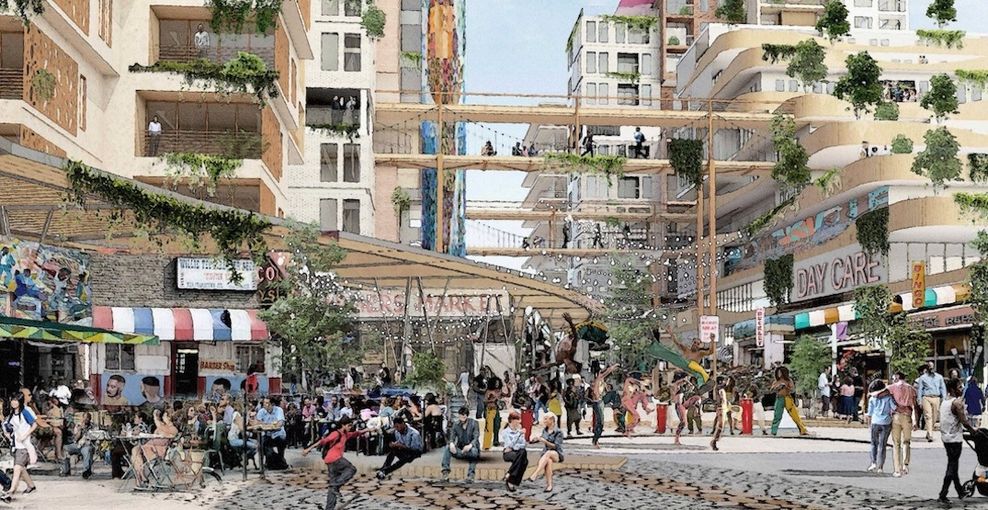
Proposed redevelopment plans for the Hogan's Alley site
TODAY:
  • The Georgia & Dunsmuir Viaducts stand where Hogan's Alley once thrived
  • Vancouver announced viaduct removal in 2015
  • No concentrated Black neighbourhood exists in Vancouver today
  • The area is part of a major redevelopment zone
REVIVAL EFFORTS:
  • The Hogan's Alley Society (HAS), a Black-led non-profit, is working to restore Black presence
  • In 2022, a Memorandum of Understanding was signed with the City of Vancouver
  • Plans include: affordable housing for Black & Indigenous residents, a Black Cultural Centre, childcare, and community enterprises
  • Nora Hendrix Place (modular housing) opened in 2024
  • A 12-storey African-inspired tower proposed at 728–796 Main St.
Source: Hogan's Alley Society, hogansalleysociety.org | Daily Hive, 2023 | The Walrus, 2022
Made byBobr AI
LITTLE BURGUNDY (SAINT-ANTOINE) — MONTREAL

Slide 7: Where Was Little Burgundy?

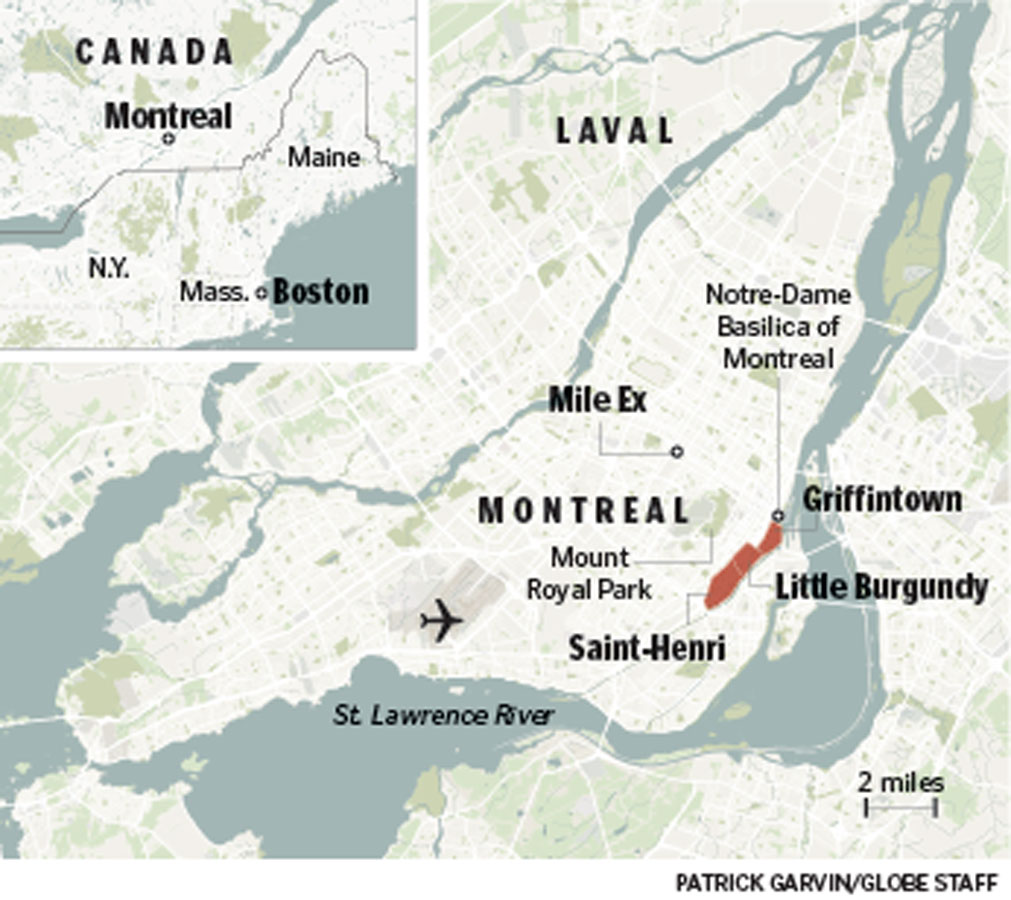
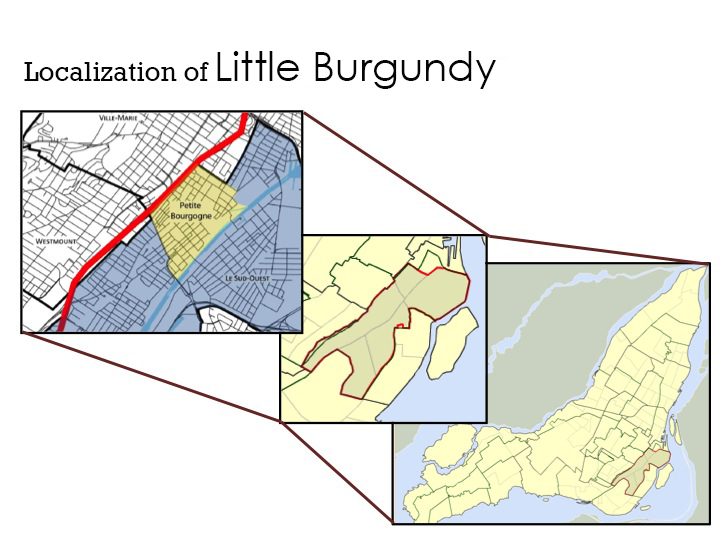
Little Burgundy is located in southwest Montreal, near the St. Lawrence River
  • Located in the southwest area of the Island of Montreal, Quebec
  • Also known historically as "Saint-Antoine" — named after the main street running through it
  • Bordered by the Lachine Canal to the south and the CN/CP rail yards to the north
  • Very close to Windsor Station and Bonaventure Station — the main railway hubs
  • Historically one of Montreal's oldest working-class districts
  • Today it is roughly bounded by Rue Notre-Dame, Rue Atwater, the Lachine Canal, and Rue Guy
Source: The Canadian Encyclopedia | Coalition de la Petite Bourgogne | The Boston Globe, Patrick Garvin
Made byBobr AI
LITTLE BURGUNDY — MONTREAL

Slide 8: Origins of the Community

Black railway workers, early 1900s
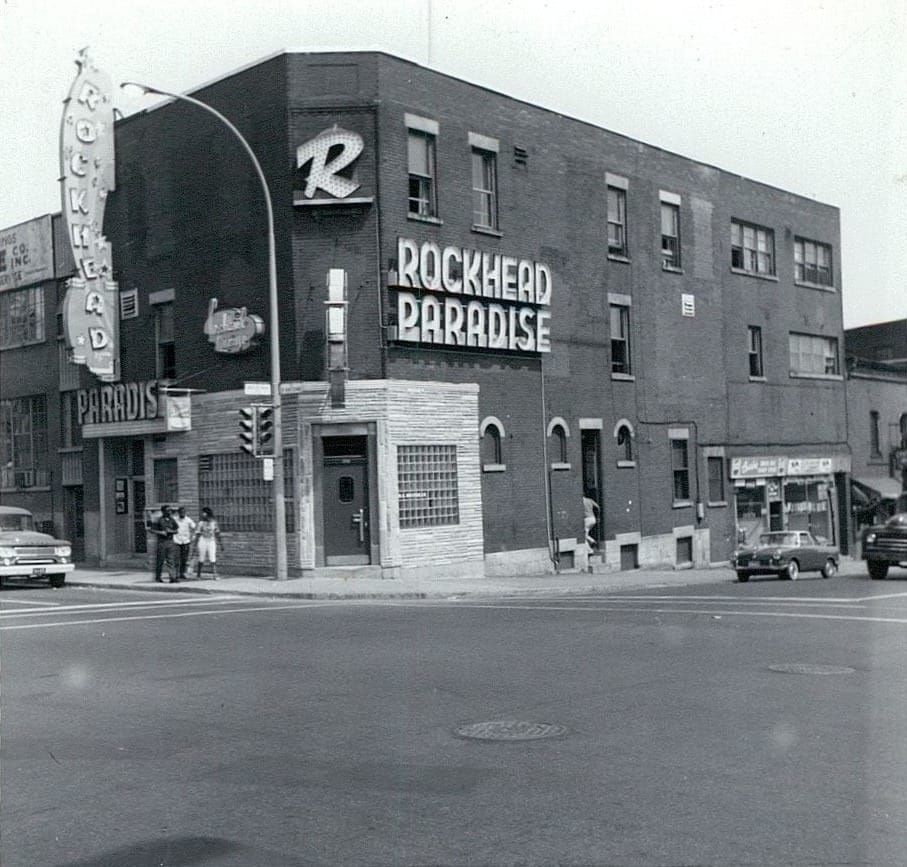
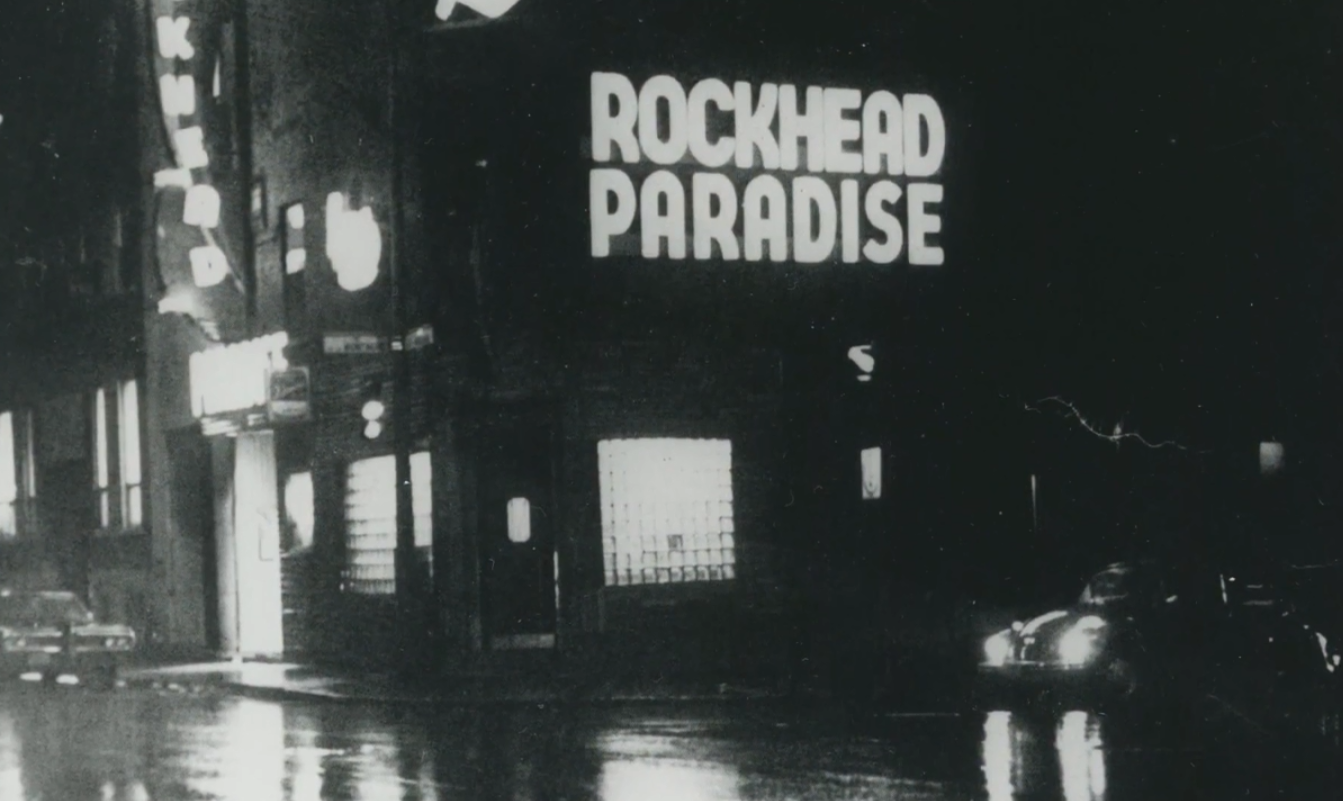
Rockhead's Paradise jazz club, Little Burgundy

WHEN DID IT BEGIN?

  • Community formed in the late 1800s–early 1900s
  • By early 20th century, housed ~90% of Montreal's Black population
  • Institutions built between 1902 and the 1920s

WHERE DID THEY COME FROM?

  • Primarily from the United States (especially the American South)
  • Caribbean immigrants (English-speaking West Indians)
  • Black Nova Scotians migrating west for work
  • Some from other parts of Quebec and Ontario

WHY?

  • Windsor and Bonaventure Stations nearby offered railway porter jobs
  • One of the few areas Black residents could afford/access housing
  • Community safety, cultural connection, and mutual support
Source: The Canadian Encyclopedia | Union United Church Archives | Cooper, A., Black Like Who?, 2002
Made byBobr AI
LITTLE BURGUNDY (SAINT-ANTOINE) — MONTREAL
Slide 9: Why Did They Come? Community Life
Rockhead's Paradise Cafe — "Montreal's Smartest Colored Nite Club"
Sleeping car porters — one of few jobs available to Black men
🚂 Railway Employment
Windsor and Bonaventure Stations nearby offered sleeping car porter and dining car jobs — the most accessible employment for Black men at the time.
✊ Escape from Racism
Many fled Jim Crow laws in the American South and racial violence in the US. Canada represented a chance for a better, safer life.
🎵 Vibrant Culture
Little Burgundy became the heart of Montreal jazz. Rockhead's Paradise (opened 1928 by Rufus Rockhead) was a famous jazz club welcoming both Black and white patrons. Oscar Peterson and Oliver Jones grew up here.
🏛️ Strong Institutions
The community built the Colored Women's Club (1902), UNIA (1919), Union United Church (1907), and the Negro Community Centre (1927) — providing support, education, and social services.
Source: The Canadian Encyclopedia | McCord Stewart Museum, "Little Burgundy – Evolving Montreal," 2025 | Cooper, A., Black Like Who? Writing Black Canada
Made byBobr AI
LITTLE BURGUNDY (SAINT-ANTOINE) — MONTREAL
Slide 10: Problems & Difficulties
Historical Image
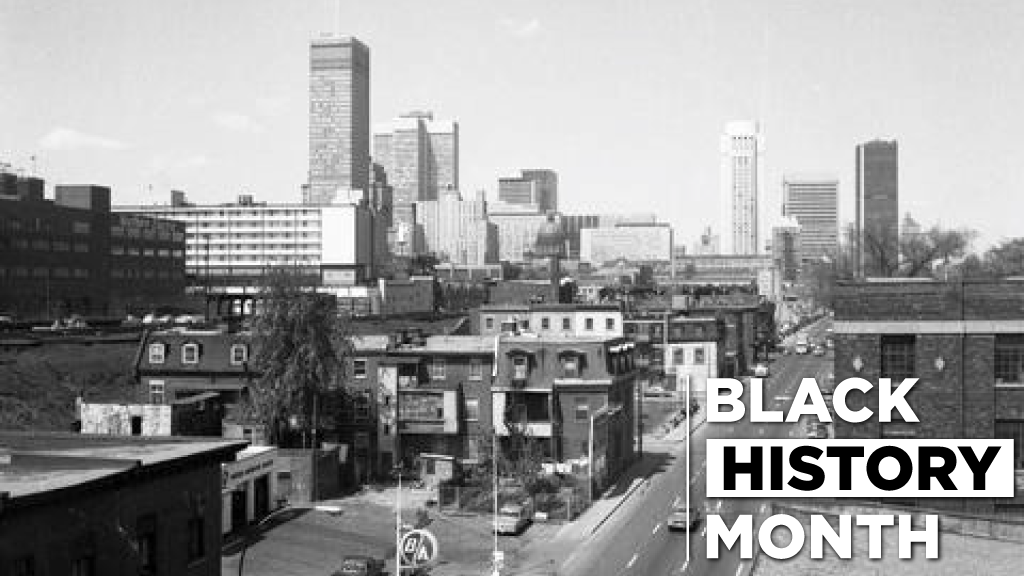
Little Burgundy, mid-20th century
Job Discrimination
Black workers were largely restricted to railway porter jobs despite being highly skilled. They were banned from most other professions and unions.
Language Barriers
The Black Anglophone community faced double discrimination — as Black people AND as English speakers in a French-dominated city.
Segregation
Black Montrealers faced racial segregation in housing, schools, and public spaces. The neighbourhood itself was partly a product of being pushed out of other areas.
Poverty & Limited Services
The city underinvested in the neighbourhood, leading to deteriorating housing stock and lack of adequate public services.
Discrimination from Railway Companies
Despite their essential labour, Black porters were paid far less than white workers and were denied promotions or advancement within railway companies.
Isolation
As English-speaking Blacks in French Quebec, the community was isolated from both the white English community and the growing French Haitian population.
Source: The Canadian Encyclopedia | Williams, D., "Road to Now" Podcast | McCord Museum Archives | ConstructConnect Canada, 2017
Made byBobr AI
LITTLE BURGUNDY (SAINT-ANTOINE) — MONTREAL

Slide 11: What Happened to the Community?

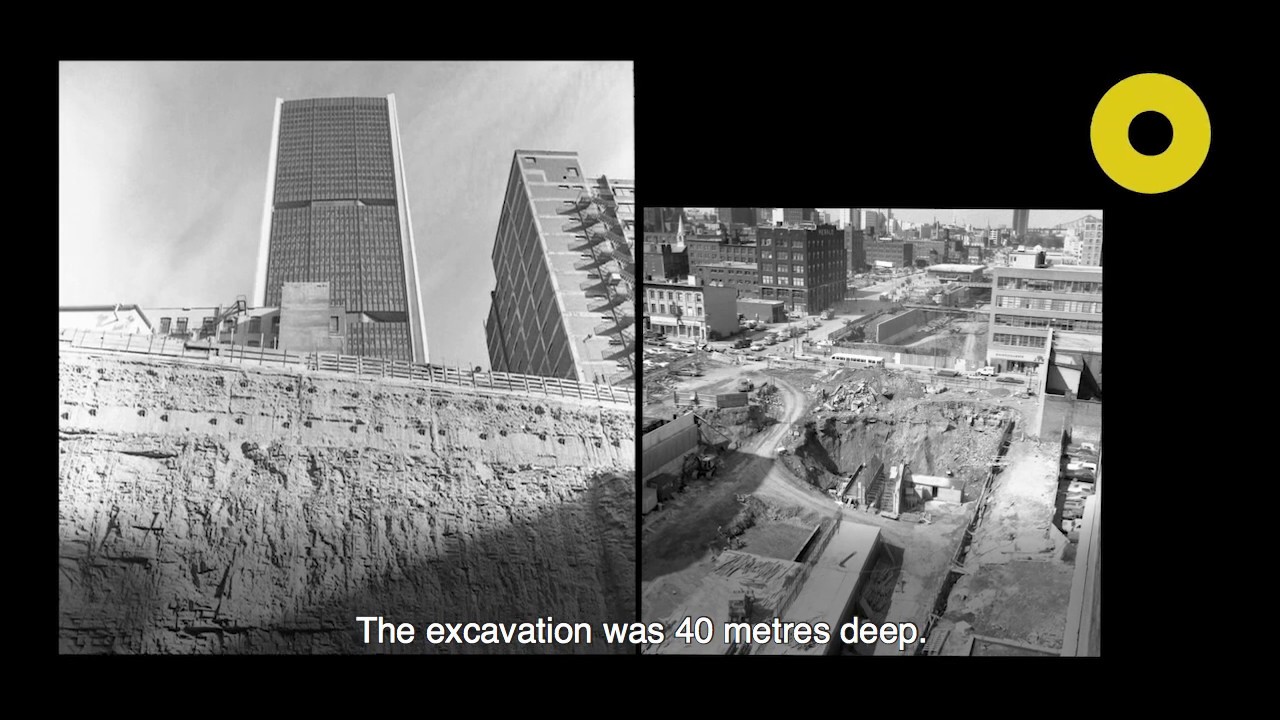
Ville-Marie Expressway construction — excavation 40 metres deep, destroying homes

14,000+
residents displaced
70%
of Black community removed
-52%
population drop from 14,710 ('66) to 7,000 ('73)
2%
of Montreal's Black pop. remained by 1996
1960s

City of Montreal launches aggressive urban renewal initiative, labelling Saint-Antoine as a "slum"

1966

Montreal begins major demolition program; purchases 75% of land and housing in the area

1970

Ville-Marie Expressway construction begins; the section north of Rue Saint-Antoine is demolished, displacing 1,160 households

1968–1977

Thousands of Black residents forcibly removed or flee the neighbourhood; welfare rates skyrocket from 10% to 40%

1980s

Area associated with poverty and crime — a direct result of decades of disinvestment, NOT inherent community characteristics

1989

The Negro Community Centre closes its doors after decades of decline

2014

NCC building demolished — a symbolic end to the physical presence of Black institutional life in Little Burgundy

Source: Williams, D. et al., "Road to Now" | The Canadian Encyclopedia | McCord Stewart Museum, 2025 | ConstructConnect Canada, 2017
Made byBobr AI
LITTLE BURGUNDY — MONTREAL

Slide 12: Little Burgundy Today

Rockhead's Paradise — now a heritage landmark
Little Burgundy today — a changed neighbourhood
TODAY'S NEIGHBOURHOOD
  • Only ~18% of 11,000 residents are Black (down from 90% at peak)
  • Heavy gentrification since the 1980s
  • Lachine Canal converted to recreational park — raised property values
  • Industrial buildings converted to condominiums
  • Notre-Dame Street W. caters to wealthier residents
WHAT REMAINS & REVIVAL
  • Union United Church — oldest Black congregation in Canada still standing
  • Street murals and plaques celebrating Black history
  • In 2022, Montreal purchased former Negro Community Centre site
  • Centre for Canadians of African Descent (CCAD) plans to revive site
  • Oscar Peterson and Oliver Jones celebrated as neighbourhood icons
  • McCord Museum "Little Burgundy – Evolving Montreal" exhibition (2025)
Source: The Canadian Encyclopedia | McCord Stewart Museum, 2025 | Centre for Canadians of African Descent | Coalition de la Petite Bourgogne
Made byBobr AI
Bobr AI

DESIGNER-MADE
PRESENTATION,
GENERATED FROM
YOUR PROMPT

Create your own professional slide deck with real images, data charts, and unique design in under a minute.

Generate For Free

History of Hogan's Alley and Little Burgundy - Black Canada

Explore the history for Hogan's Alley in Vancouver and Little Burgundy in Montreal, including their origins, railway heritage, and urban displacement.

African Canadian Communities:<br>Hogan's Alley & Little Burgundy

A Study of Two Historic Black Canadian Neighbourhoods

Independent Research Assignment | Grade History

HOGAN'S ALLEY — VANCOUVER

Slide 1: Where Was Hogan's Alley?

Located in the Strathcona neighbourhood of Vancouver, British Columbia

Informally named "Park Lane" — an alley running between Union Street and Prior Street, from Main Street to Jackson Avenue

Situated just east of Chinatown and south of Gastown

Very close to Great Northern Railway and CPR train stations

Strathcona was one of Vancouver's oldest and most diverse working-class neighbourhoods

Source: Canadian Geographic, "Hogan's Alley Remembered," 2021 | Hogan's Alley Society, hogansalleysociety.org

HOGAN'S ALLEY — VANCOUVER

Slide 2: Origins of the Community

When Did It Begin?

Community formed around 1910–1915

By 1914, the Black population reached approximately 300 residents

Population peaked at around 800 in the 1930s–1940s

Likely housed most of Vancouver's Black residents at its peak

Where Did They Come From?

Many came from Salt Spring Island, BC (whose Black settlers originally came from California in 1858)

Others migrated from Oklahoma via Alberta

Some came directly from the United States seeking railway work

Black Railway Porters, 1920s

Source: Hogan's Alley Society | City of Vancouver Archives | Canadian Geographic, 2021

HOGAN'S ALLEY — VANCOUVER

Slide 3: Why Did They Come?

Black porters serving passengers on Canadian railways

🚂 Railway Jobs

Nearby Great Northern Railway and CPR stations offered work as sleeping car porters, cooks, and janitors — one of the few jobs available to Black men at the time.

🏠 Housing Discrimination

Racial discrimination in Vancouver's housing market forced Black residents into specific areas. Hogan's Alley was one of the few places they could rent or own.

👨‍👩‍👧 Community & Safety

Living near other Black families provided safety, cultural connection, and mutual support in a city with widespread racism.

⛪ Fleeing Discrimination in the US & Prairies

Many Black Canadians left Oklahoma and the American South to escape racial violence and Jim Crow laws, seeking better opportunities in Western Canada.

Source: Hogan's Alley Society | Vancouver Heritage Foundation | City of Vancouver Archives

HOGAN'S ALLEY — VANCOUVER

Slide 4: Problems & Difficulties

Hogan's Alley, 1940s — modest homes and businesses

Racial Discrimination

Black residents were denied jobs in many industries. Railway porter jobs were among the very few available — despite being highly skilled workers.

Housing Neglect

The city deliberately withheld maintenance and services from the neighbourhood, accelerating its decline.

Rezoned as "Industrial" (1931)

The city rezoned Hogan's Alley as industrial land, freezing property values and discouraging investment, labelling the area a "slum."

Police Harassment

The community faced regular police raids on speakeasies and gambling establishments, despite similar activities in white neighbourhoods being ignored.

Overcrowding & Poverty

Limited job options and housing discrimination led to overcrowding and economic hardship for many families.

Social Exclusion

Black residents were excluded from many downtown venues, restaurants, and social institutions — the neighbourhood was a refuge but also a result of segregation.

Source: Hogan's Alley Society | Bocking, S., "Traces of Hogan's Alley," Society for the Study of Architecture in Canada, 2013 | Vancouver Sun

HOGAN'S ALLEY — VANCOUVER

Slide 5: What Happened to the Community?

Buildings demolished for the Georgia & Dunsmuir Viaducts, late 1960s

Georgia Street Viaduct under construction, 1970

1931

City rezones Hogan's Alley as industrial to devalue the land

1950s

Strathcona labelled a "slum"; demolition plans begin

1967–72

"Project 200" approved; blocks razed for Georgia/Dunsmuir Viaducts

1967–72

Black families displaced; no alternative housing provided

Post-1972

No concentrated Black neighbourhood reformed in Vancouver

The viaducts were built through the heart of Hogan's Alley — destroying a thriving Black community.

SPOTA protested, but could not save Hogan's Alley.

Source: Hogan's Alley Society | City of Vancouver Archives | Spacing Vancouver, 2012

HOGAN'S ALLEY — VANCOUVER

Slide 6: Hogan's Alley Today

Hogan's Alley Society community event, present day

Proposed redevelopment plans for the Hogan's Alley site

TODAY:

The Georgia & Dunsmuir Viaducts stand where Hogan's Alley once thrived

Vancouver announced viaduct removal in 2015

No concentrated Black neighbourhood exists in Vancouver today

The area is part of a major redevelopment zone

REVIVAL EFFORTS:

The Hogan's Alley Society (HAS), a Black-led non-profit, is working to restore Black presence

In 2022, a Memorandum of Understanding was signed with the City of Vancouver

Plans include: affordable housing for Black & Indigenous residents, a Black Cultural Centre, childcare, and community enterprises

Nora Hendrix Place (modular housing) opened in 2024

A 12-storey African-inspired tower proposed at 728–796 Main St.

Source: Hogan's Alley Society, hogansalleysociety.org | Daily Hive, 2023 | The Walrus, 2022

LITTLE BURGUNDY (SAINT-ANTOINE) — MONTREAL

Slide 7: Where Was Little Burgundy?

Little Burgundy is located in southwest Montreal, near the St. Lawrence River

Located in the southwest area of the Island of Montreal, Quebec

Also known historically as "Saint-Antoine" — named after the main street running through it

Bordered by the Lachine Canal to the south and the CN/CP rail yards to the north

Very close to Windsor Station and Bonaventure Station — the main railway hubs

Historically one of Montreal's oldest working-class districts

Today it is roughly bounded by Rue Notre-Dame, Rue Atwater, the Lachine Canal, and Rue Guy

Source: The Canadian Encyclopedia | Coalition de la Petite Bourgogne | The Boston Globe, Patrick Garvin

LITTLE BURGUNDY — MONTREAL

Slide 8: Origins of the Community

Black railway workers, early 1900s

Rockhead's Paradise jazz club, Little Burgundy

WHEN DID IT BEGIN?

Community formed in the late 1800s–early 1900s

By early 20th century, housed ~90% of Montreal's Black population

Institutions built between 1902 and the 1920s

WHERE DID THEY COME FROM?

Primarily from the United States (especially the American South)

Caribbean immigrants (English-speaking West Indians)

Black Nova Scotians migrating west for work

Some from other parts of Quebec and Ontario

WHY?

Windsor and Bonaventure Stations nearby offered railway porter jobs

One of the few areas Black residents could afford/access housing

Community safety, cultural connection, and mutual support

Source: The Canadian Encyclopedia | Union United Church Archives | Cooper, A., Black Like Who?, 2002

LITTLE BURGUNDY (SAINT-ANTOINE) — MONTREAL

Slide 9: Why Did They Come? Community Life

Rockhead's Paradise Cafe — "Montreal's Smartest Colored Nite Club"

Sleeping car porters — one of few jobs available to Black men

🚂 Railway Employment

Windsor and Bonaventure Stations nearby offered sleeping car porter and dining car jobs — the most accessible employment for Black men at the time.

✊ Escape from Racism

Many fled Jim Crow laws in the American South and racial violence in the US. Canada represented a chance for a better, safer life.

🎵 Vibrant Culture

Little Burgundy became the heart of Montreal jazz. Rockhead's Paradise (opened 1928 by Rufus Rockhead) was a famous jazz club welcoming both Black and white patrons. Oscar Peterson and Oliver Jones grew up here.

🏛️ Strong Institutions

The community built the Colored Women's Club (1902), UNIA (1919), Union United Church (1907), and the Negro Community Centre (1927) — providing support, education, and social services.

Source: The Canadian Encyclopedia | McCord Stewart Museum, "Little Burgundy – Evolving Montreal," 2025 | Cooper, A., Black Like Who? Writing Black Canada

LITTLE BURGUNDY (SAINT-ANTOINE) — MONTREAL

Slide 10: Problems & Difficulties

Little Burgundy, mid-20th century

Job Discrimination

Black workers were largely restricted to railway porter jobs despite being highly skilled. They were banned from most other professions and unions.

Language Barriers

The Black Anglophone community faced double discrimination — as Black people AND as English speakers in a French-dominated city.

Segregation

Black Montrealers faced racial segregation in housing, schools, and public spaces. The neighbourhood itself was partly a product of being pushed out of other areas.

Poverty & Limited Services

The city underinvested in the neighbourhood, leading to deteriorating housing stock and lack of adequate public services.

Discrimination from Railway Companies

Despite their essential labour, Black porters were paid far less than white workers and were denied promotions or advancement within railway companies.

Isolation

As English-speaking Blacks in French Quebec, the community was isolated from both the white English community and the growing French Haitian population.

Source: The Canadian Encyclopedia | Williams, D., "Road to Now" Podcast | McCord Museum Archives | ConstructConnect Canada, 2017

LITTLE BURGUNDY (SAINT-ANTOINE) — MONTREAL

Slide 11: What Happened to the Community?

Ville-Marie Expressway construction — excavation 40 metres deep, destroying homes

14,000+

residents displaced

70%

of Black community removed

-52%

population drop from 14,710 ('66) to 7,000 ('73)

2%

of Montreal's Black pop. remained by 1996

1960s

City of Montreal launches aggressive urban renewal initiative, labelling Saint-Antoine as a "slum"

1966

Montreal begins major demolition program; purchases 75% of land and housing in the area

1970

Ville-Marie Expressway construction begins; the section north of Rue Saint-Antoine is demolished, displacing 1,160 households

1968–1977

Thousands of Black residents forcibly removed or flee the neighbourhood; welfare rates skyrocket from 10% to 40%

1980s

Area associated with poverty and crime — a direct result of decades of disinvestment, NOT inherent community characteristics

1989

The Negro Community Centre closes its doors after decades of decline

2014

NCC building demolished — a symbolic end to the physical presence of Black institutional life in Little Burgundy

Source: Williams, D. et al., "Road to Now" | The Canadian Encyclopedia | McCord Stewart Museum, 2025 | ConstructConnect Canada, 2017

LITTLE BURGUNDY — MONTREAL

Slide 12: Little Burgundy Today

Rockhead's Paradise — now a heritage landmark

Little Burgundy today — a changed neighbourhood

TODAY'S NEIGHBOURHOOD

Only ~18% of 11,000 residents are Black (down from 90% at peak)

Heavy gentrification since the 1980s

Lachine Canal converted to recreational park — raised property values

Industrial buildings converted to condominiums

Notre-Dame Street W. caters to wealthier residents

WHAT REMAINS & REVIVAL

Union United Church — oldest Black congregation in Canada still standing

Street murals and plaques celebrating Black history

In 2022, Montreal purchased former Negro Community Centre site

Centre for Canadians of African Descent (CCAD) plans to revive site

Oscar Peterson and Oliver Jones celebrated as neighbourhood icons

McCord Museum "Little Burgundy – Evolving Montreal" exhibition (2025)

Source: The Canadian Encyclopedia | McCord Stewart Museum, 2025 | Centre for Canadians of African Descent | Coalition de la Petite Bourgogne

  • black-history
  • canadian-history
  • hogans-alley
  • little-burgundy
  • vancouver-history
  • montreal-history
  • urban-renewal
  • railway-porters