



Made byBobr AI

History and Psychology of Hello: The Power of Greeting

Explore the origin of 'Hello', its battle with 'Ahoy', the psychology of first impressions, and its universal importance in social connection.

#etymology#social-psychology#history-of-technology#linguistics#communication-skills#hello-world
Watch
Pitch

Hello: More Than Just a Word

The History, Psychology, and Science of Greeting

Made byBobr AI

Etymology & Origins

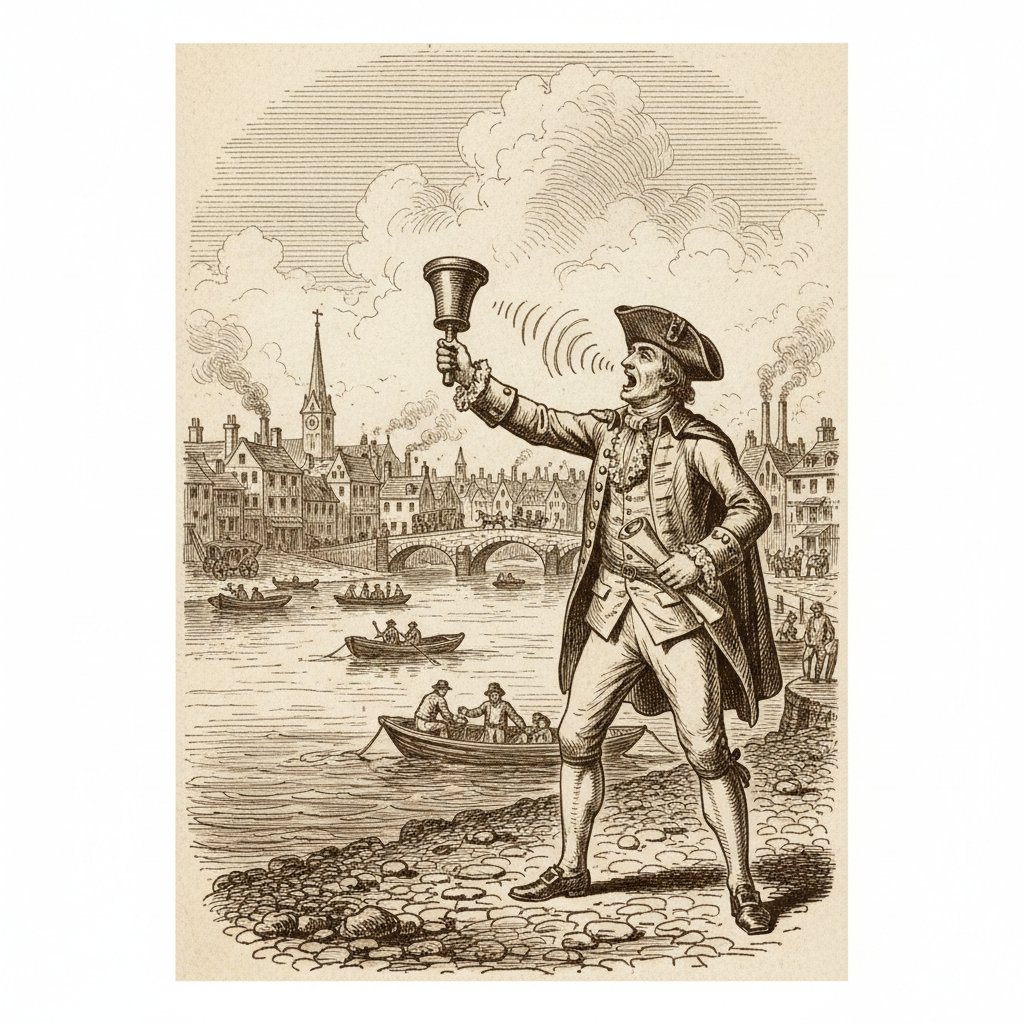
The word 'Hello' is surprisingly modern. It evolved from variations like 'hullo', 'holla', and 'halloo', which were originally used to express surprise or call attention to hunting dogs rather than as a polite greeting.

Made byBobr AI

The Telephone War: Hello vs. Ahoy

  • Alexander Graham Bell, the inventor of the telephone, preferred the nautical greeting 'Ahoy'.
  • Thomas Edison suggested 'Hello' as a distinct, sharp sound that cut through static.
  • Edison's variant won public favor, leading to telephone books advising users to start calls with 'Hello'.
Made byBobr AI

Usage Frequency Over Time

The usage of the word 'Hello' in English literature exploded with the adoption of household technology.

Chart
Made byBobr AI

The Psychology of Greeting

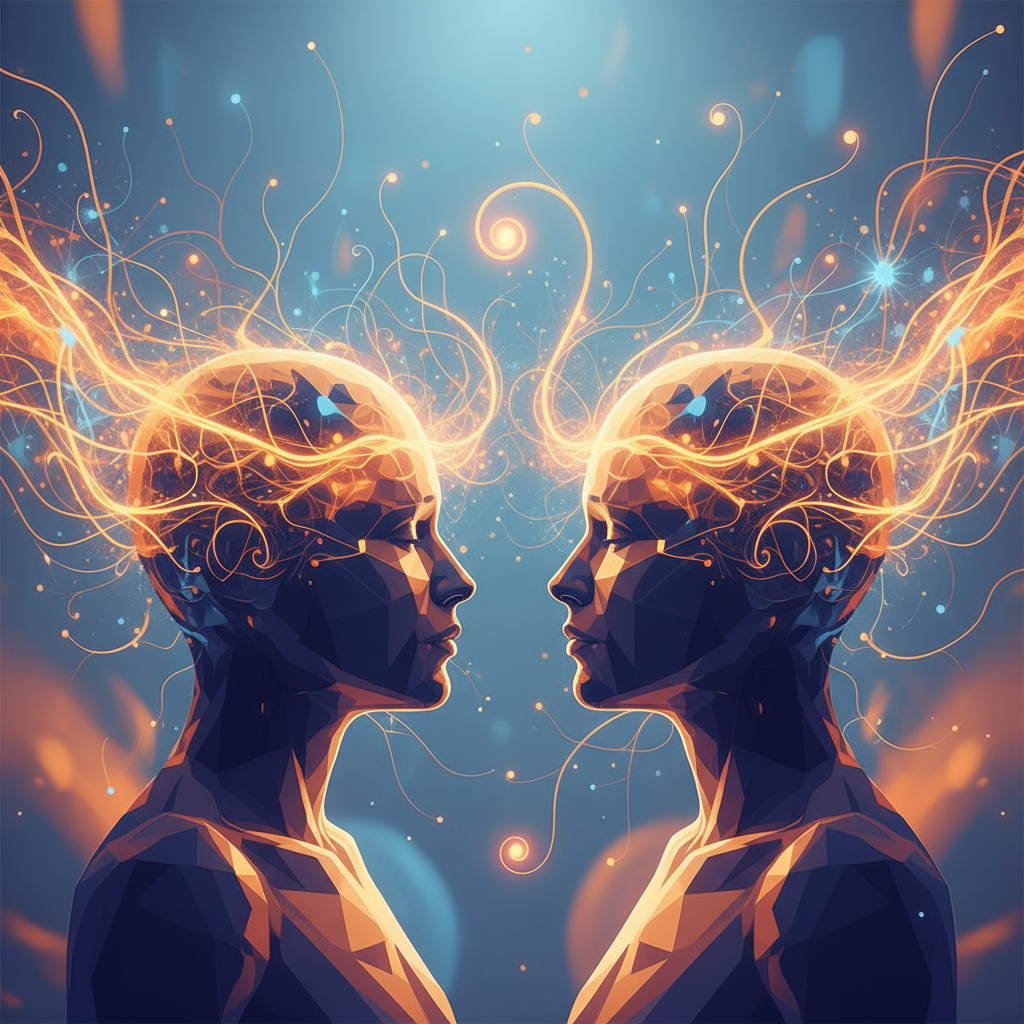
Humans typically form a first impression within 7 seconds of meeting. A warm greeting instantly signals psychological safety, reducing the threat response in the amygdala and opening neural pathways for social connection.

Made byBobr AI

Universal Greetings

Mandarin: Nǐ hǎo (Wishing you well)
Spanish_ Hola (Related to hello/holla)
Arabic: As-salamu alaykum (Peace be upon you)
Hindi: Namaste (I bow to the divine in you)
Zulu: Sawubona (I see you)
Made byBobr AI

Non-Verbal Communication

With 70-93% of communication being non-verbal, physical gestures often precede or replace spoken greetings. Handshakes, bowing, waving, and eye contact are critical components of the 'hello' ritual.

Made byBobr AI

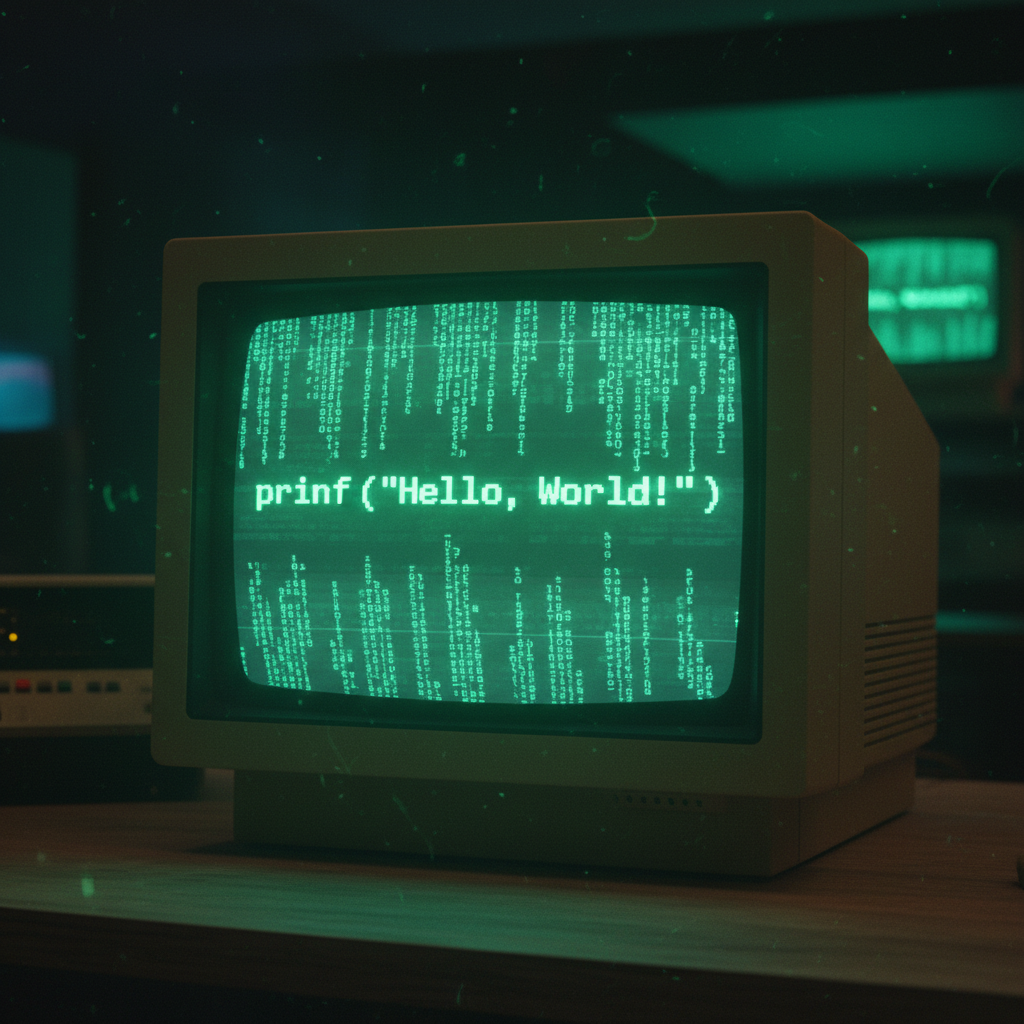
Hello, World!

In computer science, 'Hello, World!' is the standard standardized test for new programmers. Originated in 1978 in documentation for the C programming language, it symbolizes the birth of a new software entity.

Made byBobr AI
“A simple hello could lead to a million things.”
— Unknown
Made byBobr AI

Start a Conversation

Made byBobr AI
Bobr AI

DESIGNER-MADE
PRESENTATION,
GENERATED FROM
YOUR PROMPT

Create your own professional slide deck with real images, data charts, and unique design in under a minute.

Generate For Free

History and Psychology of Hello: The Power of Greeting

Explore the origin of 'Hello', its battle with 'Ahoy', the psychology of first impressions, and its universal importance in social connection.

Hello: More Than Just a Word

The History, Psychology, and Science of Greeting

Etymology & Origins

The word 'Hello' is surprisingly modern. It evolved from variations like 'hullo', 'holla', and 'halloo', which were originally used to express surprise or call attention to hunting dogs rather than as a polite greeting.

The Telephone War: Hello vs. Ahoy

Alexander Graham Bell, the inventor of the telephone, preferred the nautical greeting 'Ahoy'.

Thomas Edison suggested 'Hello' as a distinct, sharp sound that cut through static.

Edison's variant won public favor, leading to telephone books advising users to start calls with 'Hello'.

Usage Frequency Over Time

The usage of the word 'Hello' in English literature exploded with the adoption of household technology.

The Psychology of Greeting

Humans typically form a first impression within 7 seconds of meeting. A warm greeting instantly signals psychological safety, reducing the threat response in the amygdala and opening neural pathways for social connection.

Universal Greetings

Mandarin: Nǐ hǎo (Wishing you well)

Spanish_ Hola (Related to hello/holla)

Arabic: As-salamu alaykum (Peace be upon you)

Hindi: Namaste (I bow to the divine in you)

Zulu: Sawubona (I see you)

Non-Verbal Communication

With 70-93% of communication being non-verbal, physical gestures often precede or replace spoken greetings. Handshakes, bowing, waving, and eye contact are critical components of the 'hello' ritual.

Hello, World!

In computer science, 'Hello, World!' is the standard standardized test for new programmers. Originated in 1978 in documentation for the C programming language, it symbolizes the birth of a new software entity.

A simple hello could lead to a million things.

Unknown

Start a Conversation

  • etymology
  • social-psychology
  • history-of-technology
  • linguistics
  • communication-skills
  • hello-world