


Made byBobr AI

Understanding GMOs vs NGTs: The Future of Food Technology

Explore the differences between classic GMO transgenesis and New Genomic Techniques like CRISPR. Learn about the science, benefits, and debates in agriculture.

#gmo#ngt#crispr#food-technology#agriculture#genomic-techniques#biotechnology
Watch
Pitch

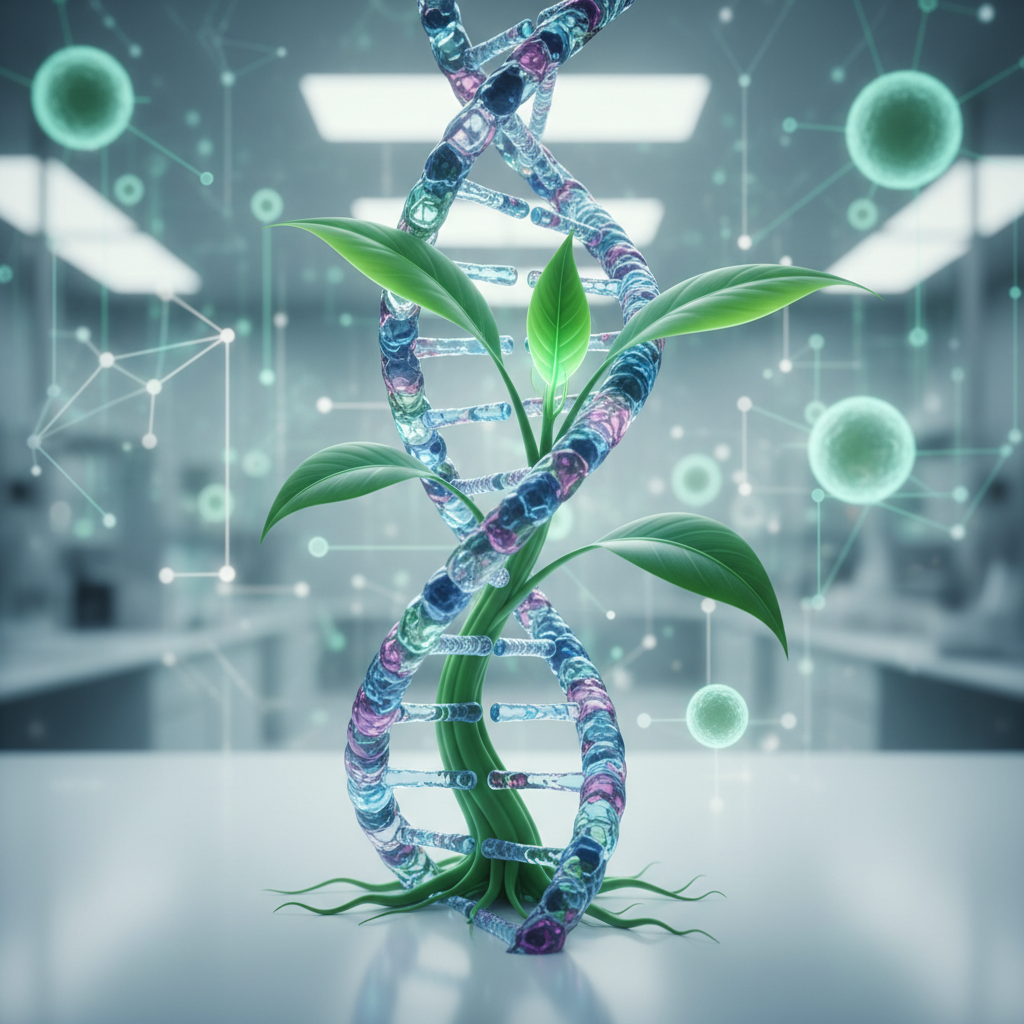
GMOs and NGTs

A Simple Explanation of New Genomic Techniques

2026 Presentation
Made byBobr AI

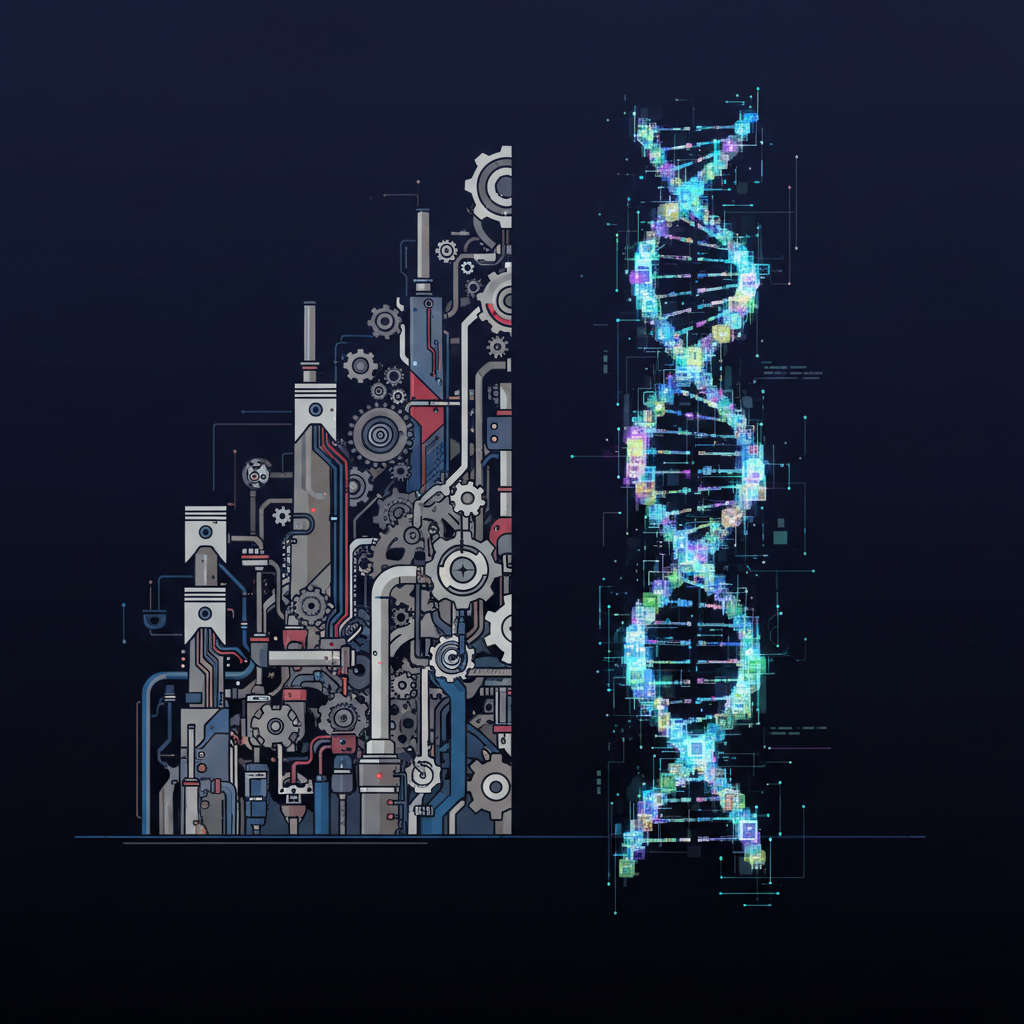
Introduction: Defining the Terms

While 'GMO' is a familiar term, 'NGT' (New Genomic Techniques) represents a new era in science. Though linked, they function differently. Our goal is to explain how they work and why they are debated.

Made byBobr AI

Why They Exist: The Global Challenge

The driving force behind genomic innovation is population growth. We must feed significantly more people by 2050 using existing resources.

Chart
Made byBobr AI

The Threat to Agriculture

Food demand is rising, but production faces severe limitations. Insects and pests alone destroy a massive portion of global crops.

  • Plant diseases spreading faster
  • Climate change causing drought
  • Need for more resilience
Chart
Made byBobr AI

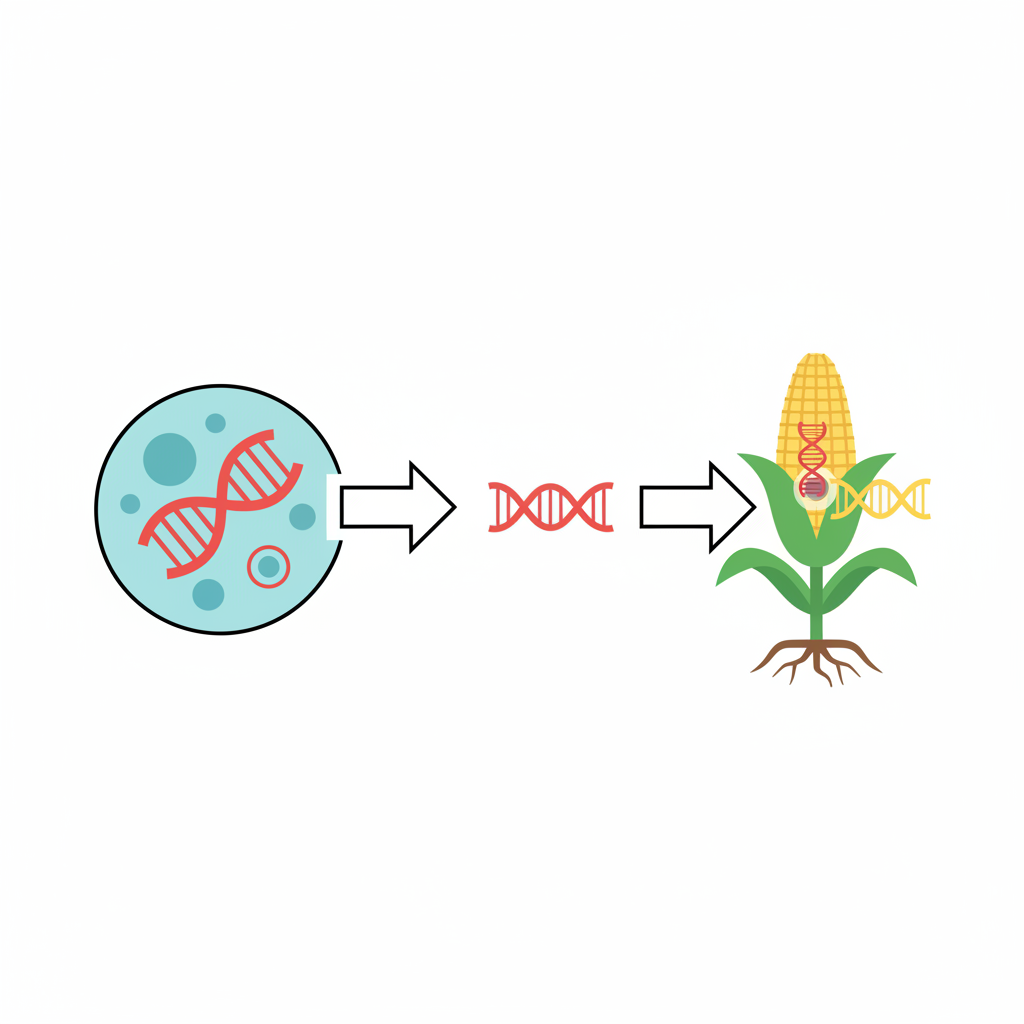
Classic GMOs: Transgenesis

1. Definition: A plant or animal with DNA altered in a way that doesn't occur naturally.

2. Mechanism: 'Copy and Paste'. A gene is taken from one species (e.g., bacteria) and inserted into another (e.g., corn).

3. Result: The plant gains a foreign 'transgene' to protect itself from pests or chemicals.

Made byBobr AI

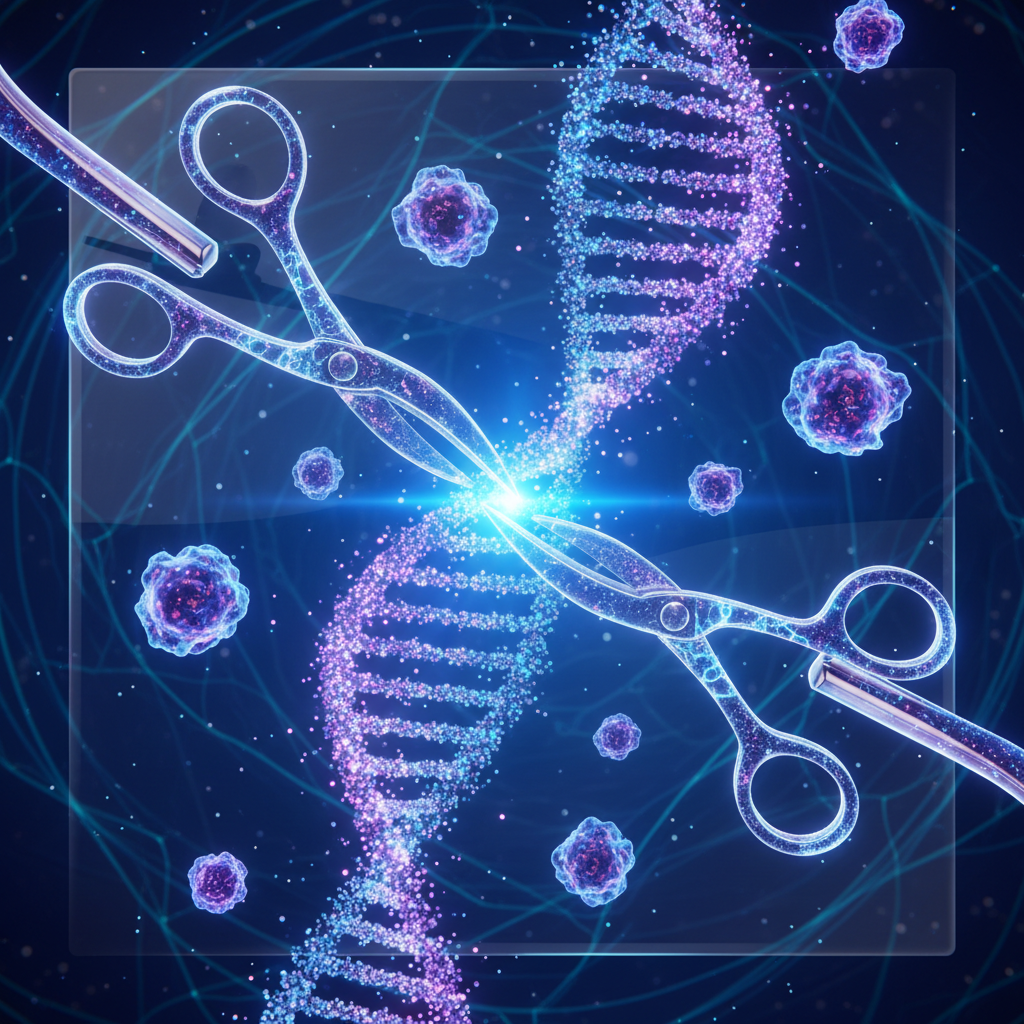
NGTs: The Genetic Scissors

New Genomic Techniques (like CRISPR) act like a 'Word Processor' rather than copy-paste. Scientists can edit the plant's own DNA with extreme precision—correcting mistakes or turning off genes—without adding foreign DNA from other species.

Made byBobr AI

Comparison: Classic vs. NGTs

Technique: Copy & Paste (GMO) vs. Word Processor (NGT)
DNA Source: Foreign species (GMO) vs. Plant's own DNA (NGT)
Precision: Broad insertion vs. extremely precise editing
Outcome: Similar to natural evolution, but much faster
Made byBobr AI

Should we control the method, or the final product?

The Regulatory Debate in Europe
Made byBobr AI

Public Concerns: Safety & Environment

Biodiversity: Critics fear loss of natural variety and insects becoming resistant.

Health: Demand for transparency and long-term safety studies.

Corporate Control: Who owns the seeds? Will small farmers have access?

Made byBobr AI

Conclusion: A Powerful Tool, Not a Miracle

Moving from 'Copy-Paste' to 'Word Processing' for a Sustainable Future

Made byBobr AI
Bobr AI

DESIGNER-MADE
PRESENTATION,
GENERATED FROM
YOUR PROMPT

Create your own professional slide deck with real images, data charts, and unique design in under a minute.

Generate For Free

Understanding GMOs vs NGTs: The Future of Food Technology

Explore the differences between classic GMO transgenesis and New Genomic Techniques like CRISPR. Learn about the science, benefits, and debates in agriculture.

GMOs and NGTs

A Simple Explanation of New Genomic Techniques

Introduction: Defining the Terms

While 'GMO' is a familiar term, 'NGT' (New Genomic Techniques) represents a new era in science. Though linked, they function differently. Our goal is to explain how they work and why they are debated.

Why They Exist: The Global Challenge

The driving force behind genomic innovation is population growth. We must feed significantly more people by 2050 using existing resources.

The Threat to Agriculture

Food demand is rising, but production faces severe limitations. Insects and pests alone destroy a massive portion of global crops.

Classic GMOs: Transgenesis

Definition: A plant or animal with DNA altered in a way that doesn't occur naturally.

Mechanism: 'Copy and Paste'. A gene is taken from one species (e.g., bacteria) and inserted into another (e.g., corn).

Result: The plant gains a foreign 'transgene' to protect itself from pests or chemicals.

NGTs: The Genetic Scissors

New Genomic Techniques (like CRISPR) act like a 'Word Processor' rather than copy-paste. Scientists can edit the plant's own DNA with extreme precision—correcting mistakes or turning off genes—without adding foreign DNA from other species.

Comparison: Classic vs. NGTs

Technique: Copy & Paste (GMO) vs. Word Processor (NGT)

DNA Source: Foreign species (GMO) vs. Plant's own DNA (NGT)

Precision: Broad insertion vs. extremely precise editing

Outcome: Similar to natural evolution, but much faster

Should we control the method, or the final product?

The Regulatory Debate in Europe

Public Concerns: Safety & Environment

Biodiversity: Critics fear loss of natural variety and insects becoming resistant.

Health: Demand for transparency and long-term safety studies.

Corporate Control: Who owns the seeds? Will small farmers have access?

Conclusion: A Powerful Tool, Not a Miracle

Moving from 'Copy-Paste' to 'Word Processing' for a Sustainable Future

  • gmo
  • ngt
  • crispr
  • food-technology
  • agriculture
  • genomic-techniques
  • biotechnology