



Dahanu Botany Field Visit: Grazing, Mulching, and Azolla
Explore a student field report on sustainable agriculture in Dahanu, covering grafting techniques, organic mulching, and Azolla biofertilizers.
Field Visit Report
Dahanu
Department of Botany | TYBSc
Mitali Shinde
Introduction
A field visit to Dahanu was organized by the Botany Department as part of our academic curriculum. The visit aimed to provide practical exposure regarding various agricultural practices and their real-life applications. Dahanu is well known for its agricultural activities and sustainable farming methods, making it an ideal location for a botanical field study.
Aim of the Field Visit
To study important agricultural practices such as grafting, mulching, and Azolla cultivation
To understand sustainable and eco-friendly farming techniques
To correlate theoretical knowledge with practical observations
To gain firsthand experience of Dahanu’s agricultural ecosystem
Location and Context
<b>location:</b> Dahanu, Maharashtra<br><b>Organized by:</b> Department of Botany<br><b>Participants:</b> TYBSc Botany students <br><br>Dahanu is a coastal town known for its fertile soil, adequate rainfall, and favorable climate. The region supports the cultivation of fruits, vegetables, and various crops. Both traditional and modern agricultural practices are commonly followed here.
Grafting Techniques
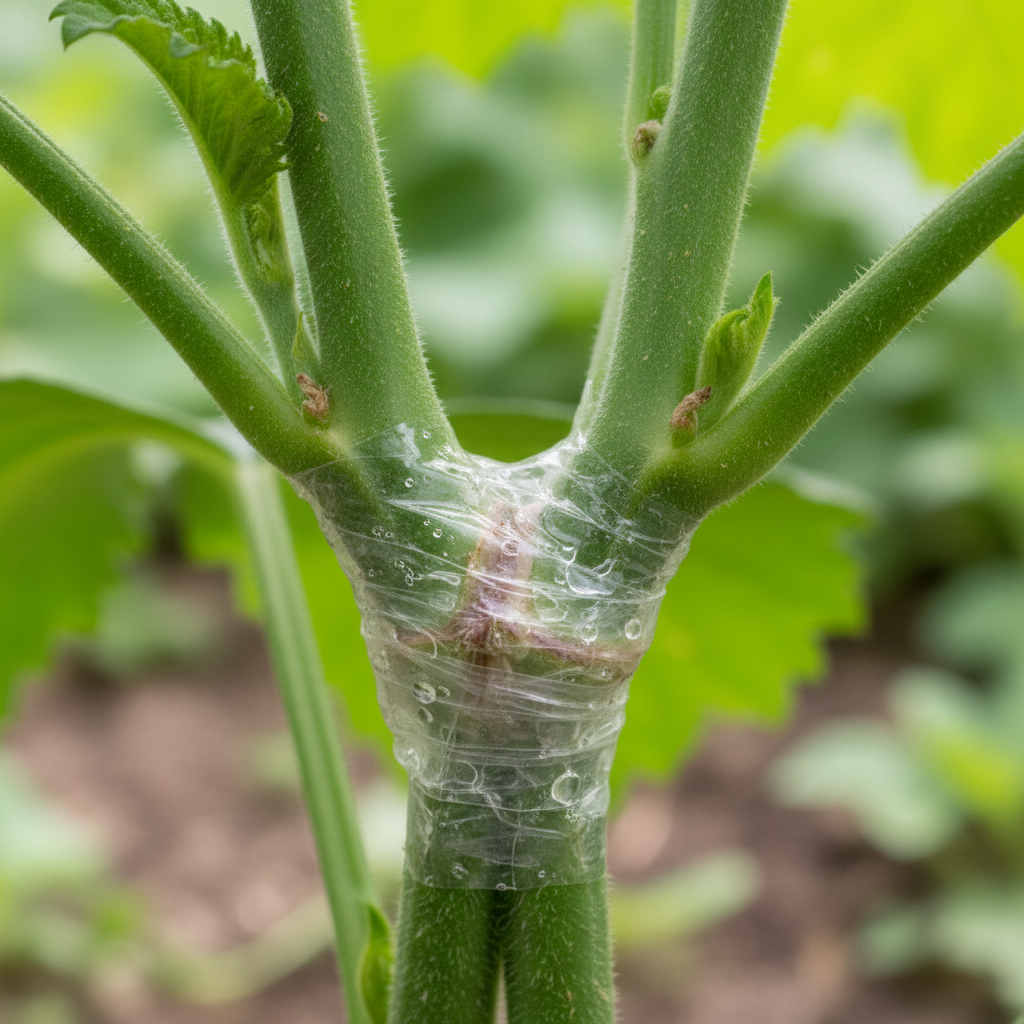
Grafting is a vegetative method where a scion (upper part) is joined to a stock (root system) to grow as a single plant.<br><br><b>Objectives:</b><br>• Improve crop quality<br>• Increase disease resistance<br>• Obtain early flowering and fruiting<br><br><b>Observation:</b> This technique is commonly practiced in fruit plants such as Mango and Citrus in the Dahanu region.
Mulching: Soil Conservation
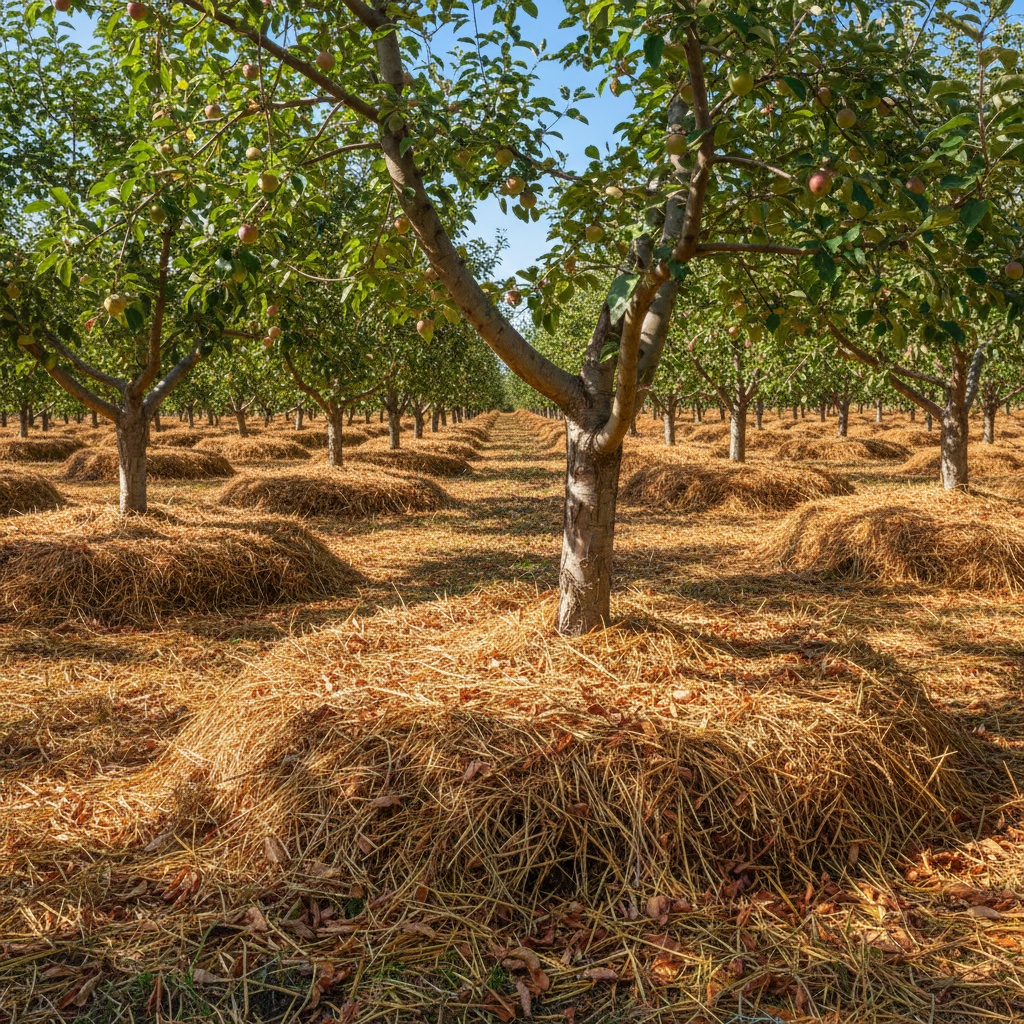
Mulching involves covering the soil surface around plants. Farmers in Dahanu commonly use organic mulch such as dry leaves and straw.<br><br><b>Benefits:</b><br>• Conserves soil moisture<br>• Controls weed growth<br>• Regulates soil temperature<br>• Prevents soil erosion<br>• Improves soil fertility upon decomposition
Azolla Cultivation
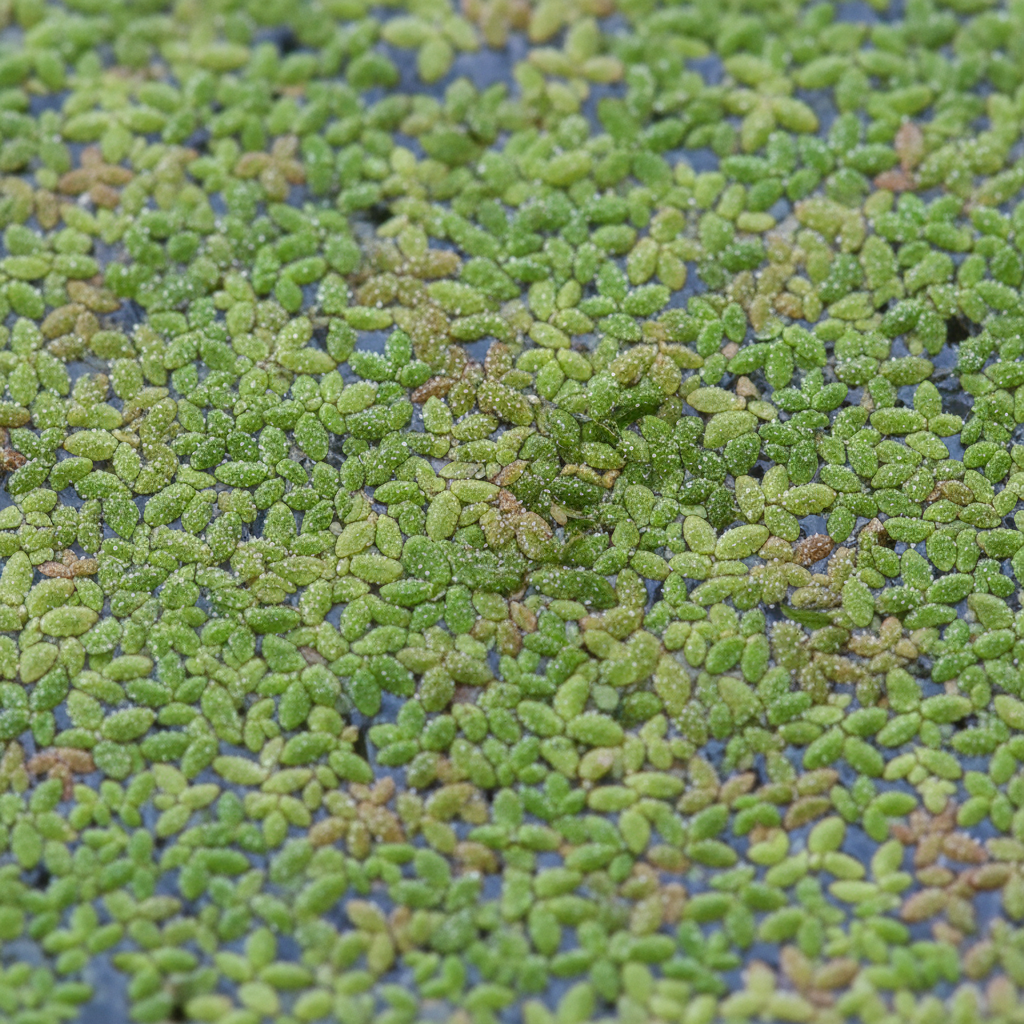
Azolla is a small free-floating aquatic fern used as a biofertilizer, especially in paddy fields.<br><br><b>Mechanism:</b> It has a symbiotic association with the blue-green alga <i>Anabaena azollae</i>, which fixes atmospheric nitrogen.<br><br><b>Impact:</b> Increases soil fertility, reduces the need for chemical fertilizers, and promotes sustainable agriculture.
Interaction and Learning
Interacted with local farmers and guides regarding soil health and crop productivity.
Learned how traditional methods are combined with scientific techniques.
Gained firsthand knowledge of modern agricultural adjustments.
The field visit to Dahanu was highly informative and educational. It enhanced our understanding of grafting, mulching, and Azolla cultivation, helping us relate theoretical concepts to practical applications.
Botany Department Field Report
Acknowledgement
We sincerely thank our Botany faculty, the college authorities, and the local Dahanu farmers for their guidance and cooperation, which made this field visit successful and meaningful.
Thank You
- botany
- agriculture
- sustainable-farming
- grafting
- mulching
- azolla-cultivation
- field-visit-report
- dahanu