




Made byBobr AI

Mastering Flash Fiction: Writing Impactful Short Stories

Learn how to write flash fiction under 1,000 words. Discover tips on character focus, scene selection, and formatting for high-impact storytelling.

#creative-writing#flash-fiction#storytelling-tips#writing-workshop#fiction-writing#short-stories
Watch
Pitch
Cinematic close-up of a vintage fountain pen resting on a stack of aged paper with dramatic lighting, deep shadows, 8k resolution, photorealistic

The Art of Flash Fiction

Writing with Precision and Impact

Made byBobr AI

What is Flash Fiction?

Flash fiction is a specialized category of storytelling defined by strict economy. It compels the author to deliver a complete narrative in a condensed format.

The Golden Rule: 1,000 Words or Less
Minimalist art concept showing a single drop of ink creating a complex ripple, symbolizing small size with big impact, neutral background
Made byBobr AI

How it Makes You a Better Writer

  • Enforces Economy: Forces you to focus ideas and strip away non-essentials.
  • Improves Selection: Teaches you to identify exactly what must be present.
  • Sharpens Editing: Develops crucial revising skills by cutting excess.
Made byBobr AI
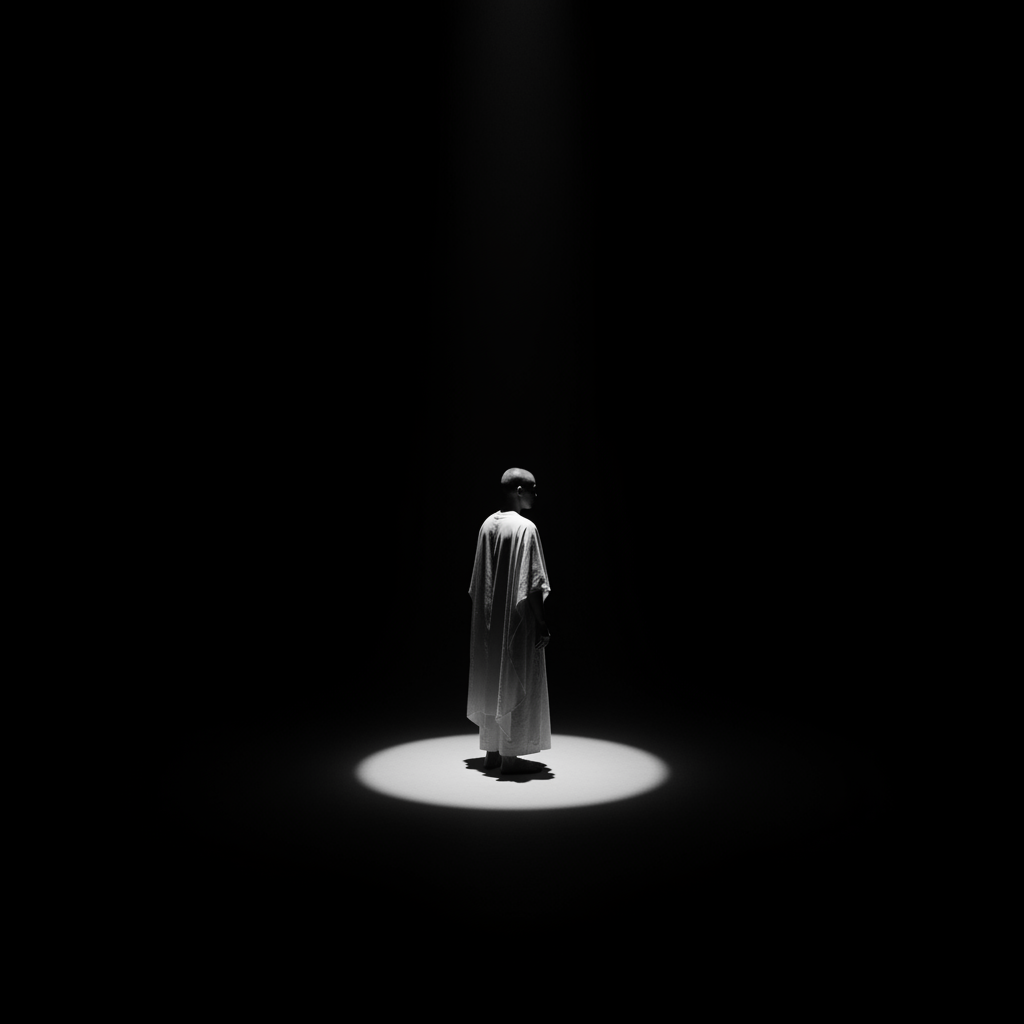
A solitary figure standing in a spotlight surrounded by shadows, minimalist high contrast photography, representing a single character focus

Guideline #1

Focus on One Character

In 1,000 words, there is no room for a full character arc. We see the end of the journey, not the beginning. Focus on a single protagonist. While you may have an antagonist (human or otherwise), adding more than two or three characters dilutes the impact.

Made byBobr AI

Focus on One Scene

Don't try to build a complex world or map a journey. Focus on one significant, life-altering moment.

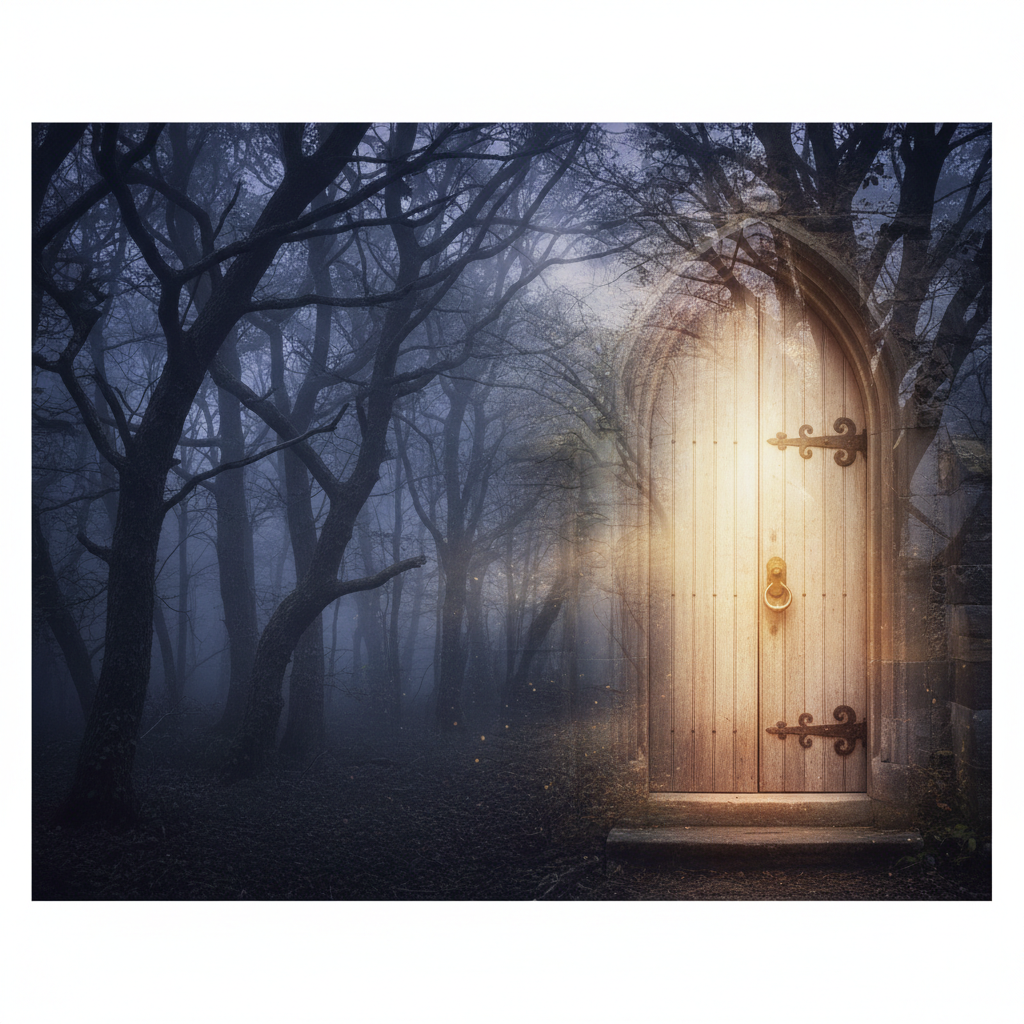
Keep location changes to a minimum unless vital (e.g., running from a forest into a church).

Double exposure artistic image merging a dark forest and a bright church door, symbolizing a transition between locations in a story
Made byBobr AI

Enter a scene as late as possible... start at the point where no vital information will be left out.

Structure Strategy: Late In, Early Out

Made byBobr AI

Focus on One Conflict

A story is incomplete if the character automatically gets what they want. You must answer two questions:

1. What does the character want? (e.g., status, object, idea)

2. Who or what is stopping them? (The Obstacle)

Abstract visual metaphor of an unmovable wall reflecting a person pushing against it, dramatic lighting, concept art
Made byBobr AI
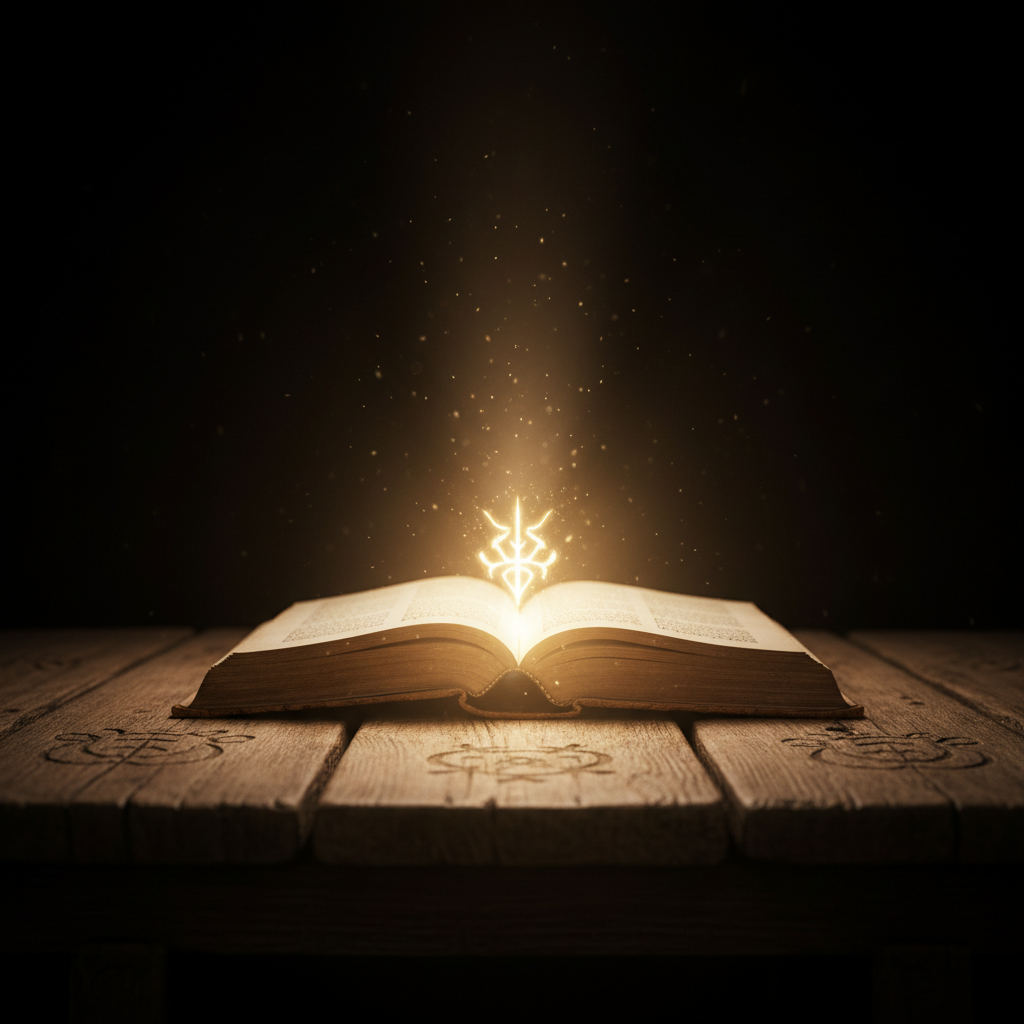
An open book glowing with warm light on a wooden table, illuminating the surrounding darkness, symbolizing theme and truth

Focus on One Theme

The theme is the moral argument of your story. It grounds your characters' decisions and impacts the reader. Rather than being preachy, a solid theme demonstrates a truth—such as 'sacrifice is the ultimate display of love'—through the outcome of the conflict.

Made byBobr AI

Focus on Word Choice

With only 1,000 words, every single word must pull its weight. When you know what actions and ideas you want to communicate, choose the least amount of words to do so effectively.

Macro photography of typewriter keys, focus on the letters, metallic and vintage aesthetic

"Choose words wisely."

Made byBobr AI

Formatting Standards

  • 01 Length: 1 to 1,000 words maximum
  • 02 Pages: Approx. 4 pages (2 sheets front & back)
  • 03 Spacing: Double spaced (skipping lines)
  • 04 Typography: 12 pt font, Times New Roman
Made byBobr AI
Bobr AI

DESIGNER-MADE
PRESENTATION,
GENERATED FROM
YOUR PROMPT

Create your own professional slide deck with real images, data charts, and unique design in under a minute.

Generate For Free

Mastering Flash Fiction: Writing Impactful Short Stories

Learn how to write flash fiction under 1,000 words. Discover tips on character focus, scene selection, and formatting for high-impact storytelling.

The Art of Flash Fiction

Writing with Precision and Impact

What is Flash Fiction?

Flash fiction is a specialized category of storytelling defined by strict economy. It compels the author to deliver a complete narrative in a condensed format.

The Golden Rule: 1,000 Words or Less

How it Makes You a Better Writer

Enforces Economy: Forces you to focus ideas and strip away non-essentials.

Improves Selection: Teaches you to identify exactly what must be present.

Sharpens Editing: Develops crucial revising skills by cutting excess.

Focus on One Character

In 1,000 words, there is no room for a full character arc. We see the end of the journey, not the beginning. Focus on a single protagonist. While you may have an antagonist (human or otherwise), adding more than two or three characters dilutes the impact.

Focus on One Scene

Don't try to build a complex world or map a journey. Focus on one significant, life-altering moment.

Keep location changes to a minimum unless vital (e.g., running from a forest into a church).

Enter a scene as late as possible... start at the point where no vital information will be left out.

Structure Strategy: Late In, Early Out

Focus on One Conflict

A story is incomplete if the character automatically gets what they want. You must answer two questions:

1. What does the character want? (e.g., status, object, idea)

2. Who or what is stopping them? (The Obstacle)

Focus on One Theme

The theme is the moral argument of your story. It grounds your characters' decisions and impacts the reader. Rather than being preachy, a solid theme demonstrates a truth—such as 'sacrifice is the ultimate display of love'—through the outcome of the conflict.

Focus on Word Choice

With only 1,000 words, every single word must pull its weight. When you know what actions and ideas you want to communicate, choose the least amount of words to do so effectively.

"Choose words wisely."

Formatting Standards

Length: 1 to 1,000 words maximum

Pages: Approx. 4 pages (2 sheets front & back)

Spacing: Double spaced (skipping lines)

Typography: 12 pt font, Times New Roman

  • creative-writing
  • flash-fiction
  • storytelling-tips
  • writing-workshop
  • fiction-writing
  • short-stories