

Made byBobr AI

Environmental Protection and Climate Action in Italy

Discover Italy's climate strategies, PNIEC 2030 renewable targets, and the Venice Lagoon case study including the MOSE system and biodiversity protection.

#italy-environment#climate-action#renewable-energy#venice-mose#sustainability#biodiversity#green-economy
Watch
Pitch

Environment Protection in Italy

Strategies, Climate Action, and the Venice Lagoon Case Study

Made byBobr AI

Presentation Roadmap

  • Current Policy Framework (PNIEC & NRRP)
  • Climate & Emissions Trends
  • Renewable Energy Targets 2030
  • Case Study: The Venice Lagoon
  • Challenges & Future Outlook
Made byBobr AI

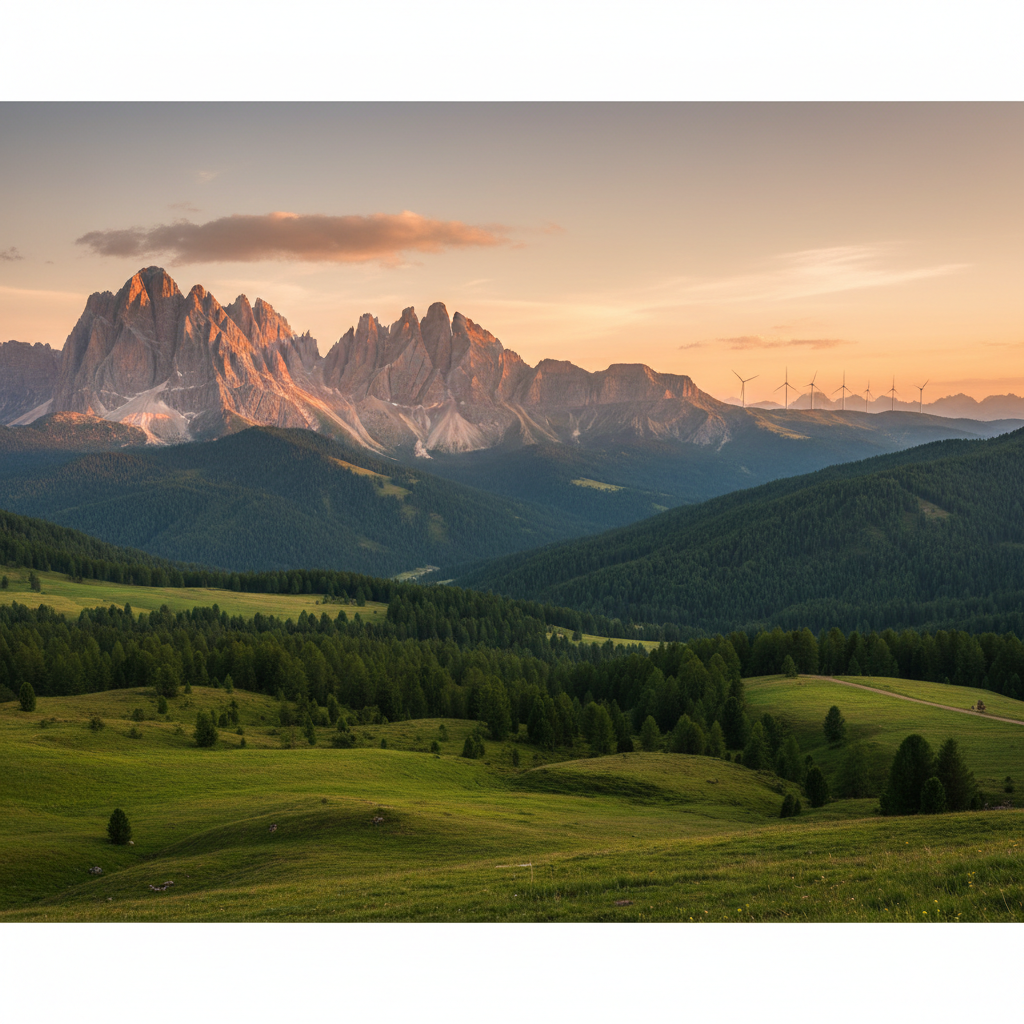
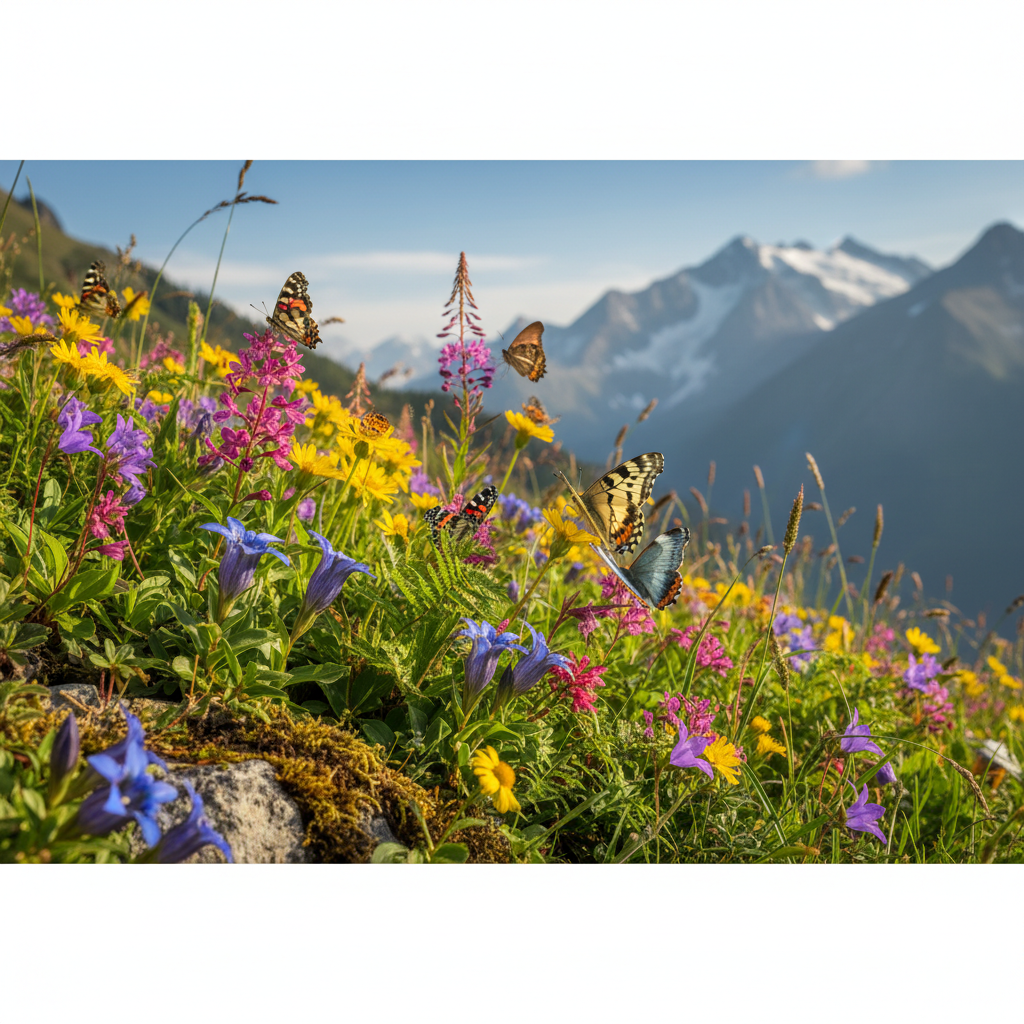
Italy's Unique Biodiversity

Italy hosts the highest rate of biodiversity in Europe due to its geographical variety, ranging from the Alps to the Mediterranean. Protecting this natural heritage is central to national environmental policy, with over 21% of land currently protected.

Made byBobr AI

GHG Emissions Reduction (1990-2022)

Italy has reduced greenhouse gas emissions by 25% compared to 1990 levels. While positive, the pace must accelerate to meet the 2030 targets set by the EU's 'Fit for 55' package.

Chart
Made byBobr AI

Primary Emission Sectors

Transport and Buildings remain the most stubborn sectors to decarbonize.

Chart
Made byBobr AI

The Policy Framework

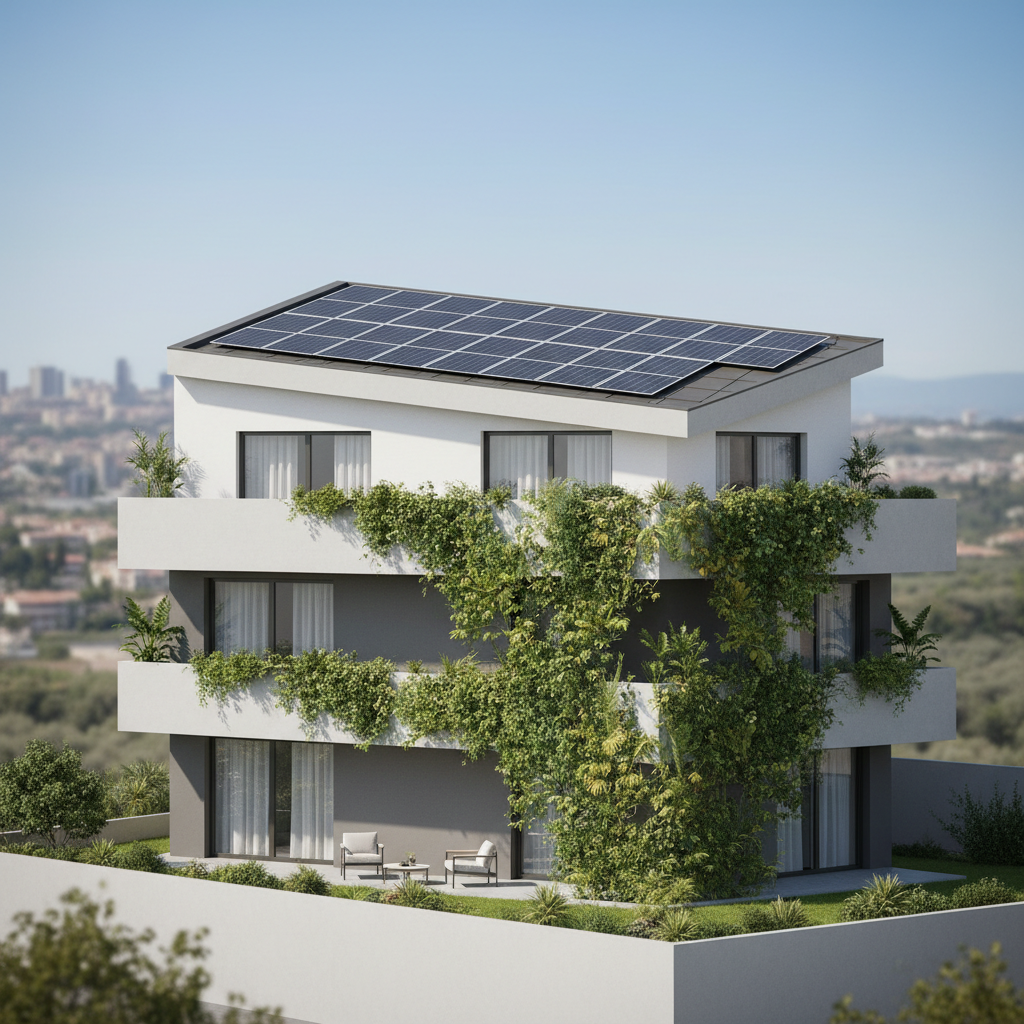
PNIEC (Integrated National Energy Plan)

Updated in June 2024, the plan targets 40.5% renewables in the total energy mix by 2030, emphasizing decarbonization and energy security.

NRRP (Recovery Plan)

Provides €80 million for green urban infrastructure and supports the 'Green Revolution' mission with investments in efficiency and mobility.

Made byBobr AI

Renewable Energy Targets: The 2030 Pushes

Doubling the share of renewables in less than a decade requires massive deployment of Solar PV and Wind infrastructure.

Chart
Made byBobr AI

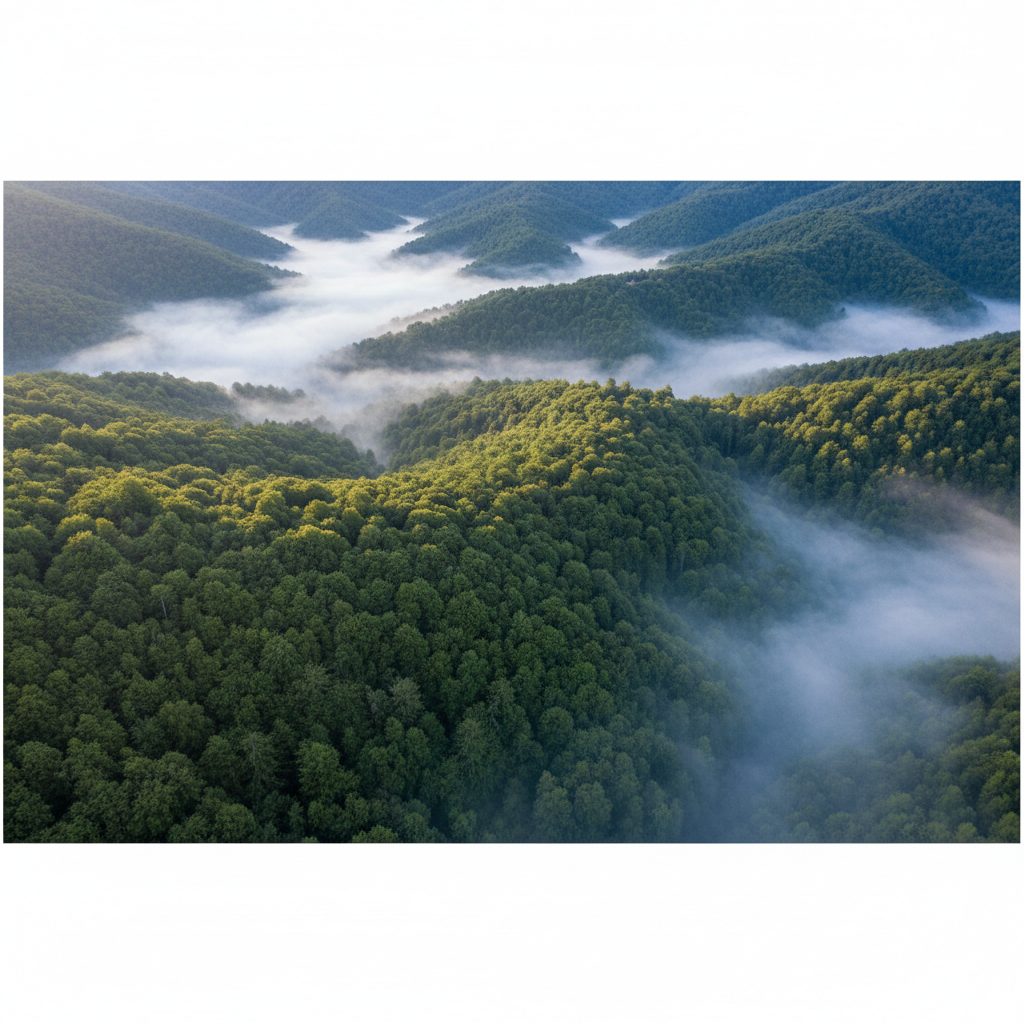
Forest Expansion

Since 1990, forest area in Italy has grown by 23%. This natural expansion acts as a critical carbon sink, absorbing millions of tonnes of CO2 annually.

Made byBobr AI

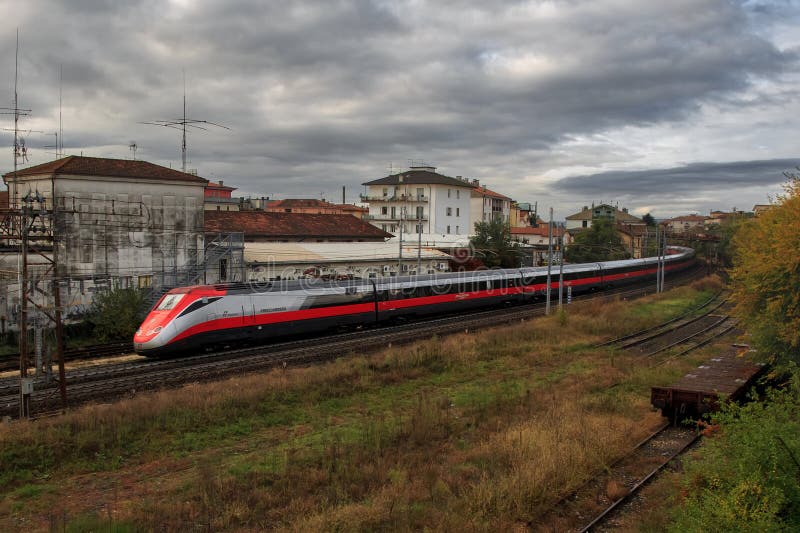
Sustainable Mobility & Rail

Italy is investing heavily in High-Speed Rail to replace domestic flights. The 'Frecciarossa' network is a model for sustainable travel, emitting significantly less CO2 per passenger than air or road travel.

Made byBobr AI

Energy Efficiency: The 'Superbonus'

  • Incentives of 110% tax deduction for renovations.
  • Focus on thermal insulation and heat pumps.
  • Target: Renovate 2% of buildings annually by 2030.
  • Reduced residential energy consumption significantly.
Made byBobr AI

Circular Economy Leadership

Italy is a European leader in recycling and circular economy, recovering a high percentage of industrial and municipal waste.

Chart
Made byBobr AI

Solar & Hydrogen Ambitions

Agrivoltaics

Combining agriculture with solar energy production to maximize land efficiency without harming crops.

SoutH2 Corridor

Developing a hydrogen pipeline from North Africa through Italy to supply clean energy to Europe. Goal: 5GW electrolyzers by 2030.

Made byBobr AI

CASE STUDY: THE VENICE LAGOON

Made byBobr AI

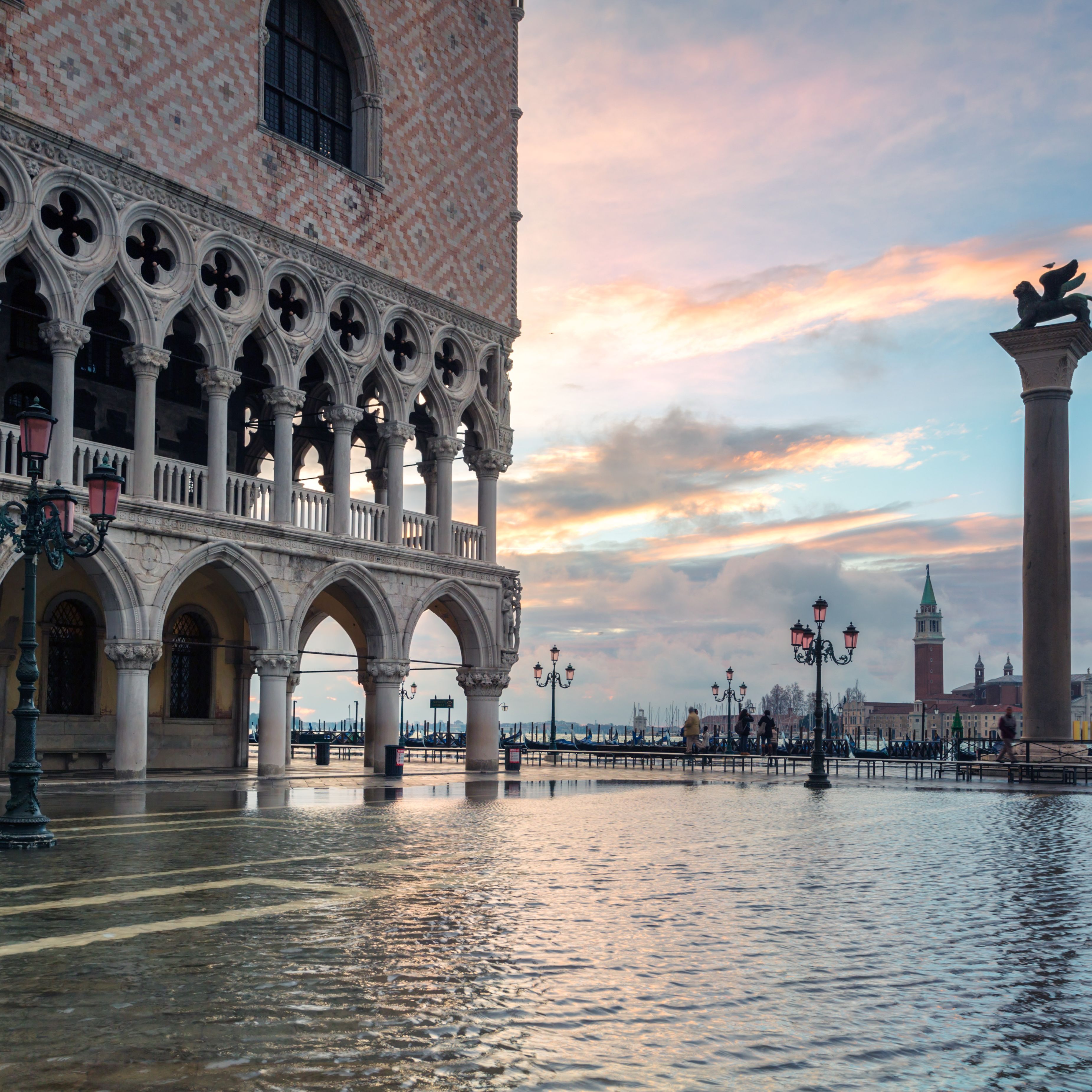
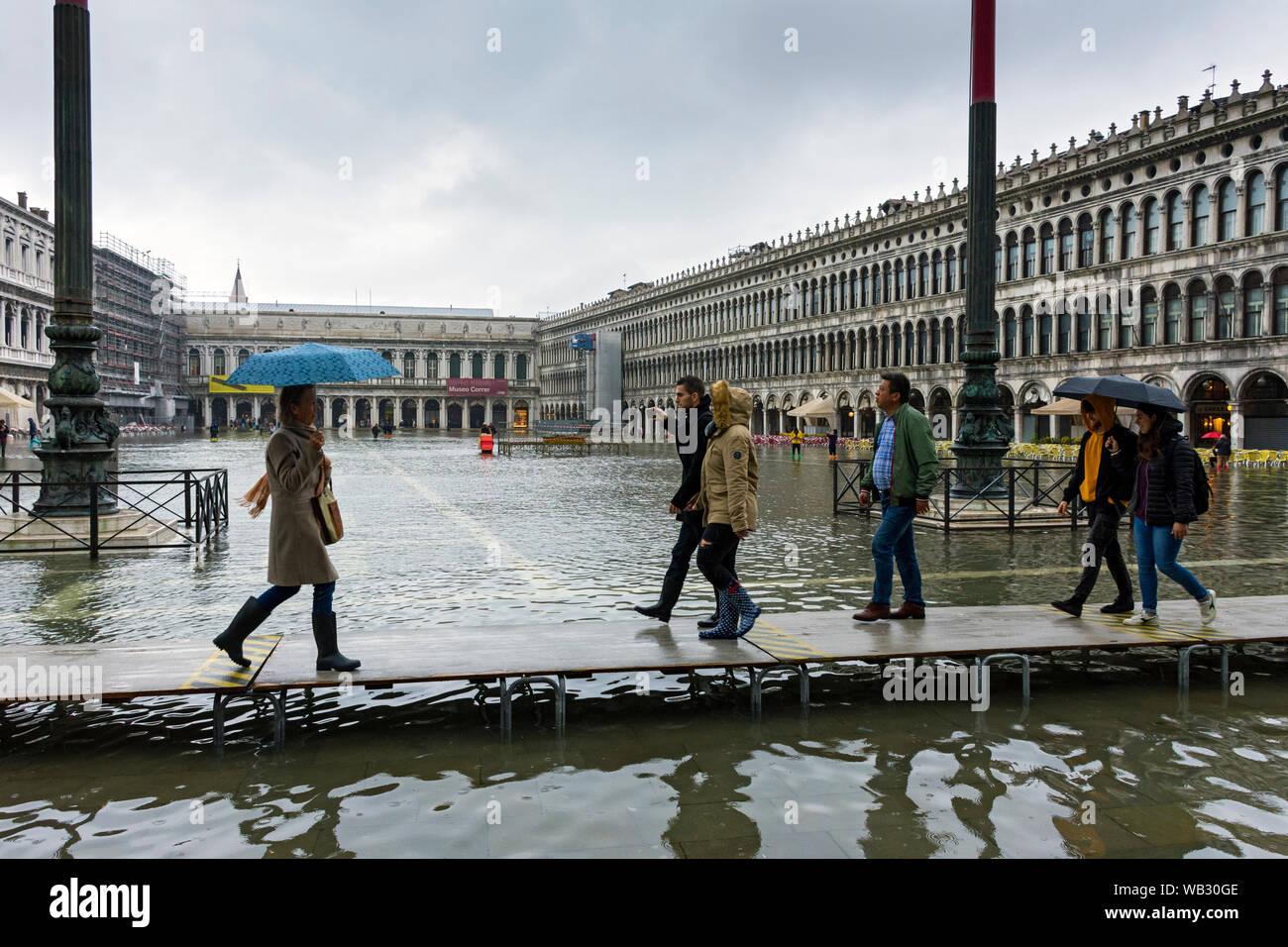
The Challenge: Rising Sea Levels

Venice faces existential threats from 'Acqua Alta' (high tides) intensified by climate change. Without intervention, the city's historic foundation is at risk of permanent submersion.

Made byBobr AI

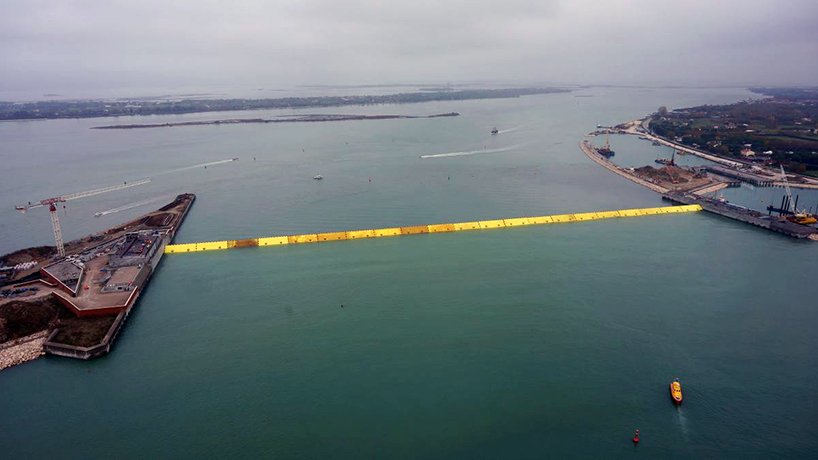
The MOSE System

  • Experimental Electromechanical Module (MOSE).
  • A system of mobile gates located at the three inlets of the lagoon.
  • Fully operational since 2020, it successfully isolates the lagoon from the Adriatic Sea during high tides (>110cm).
Made byBobr AI

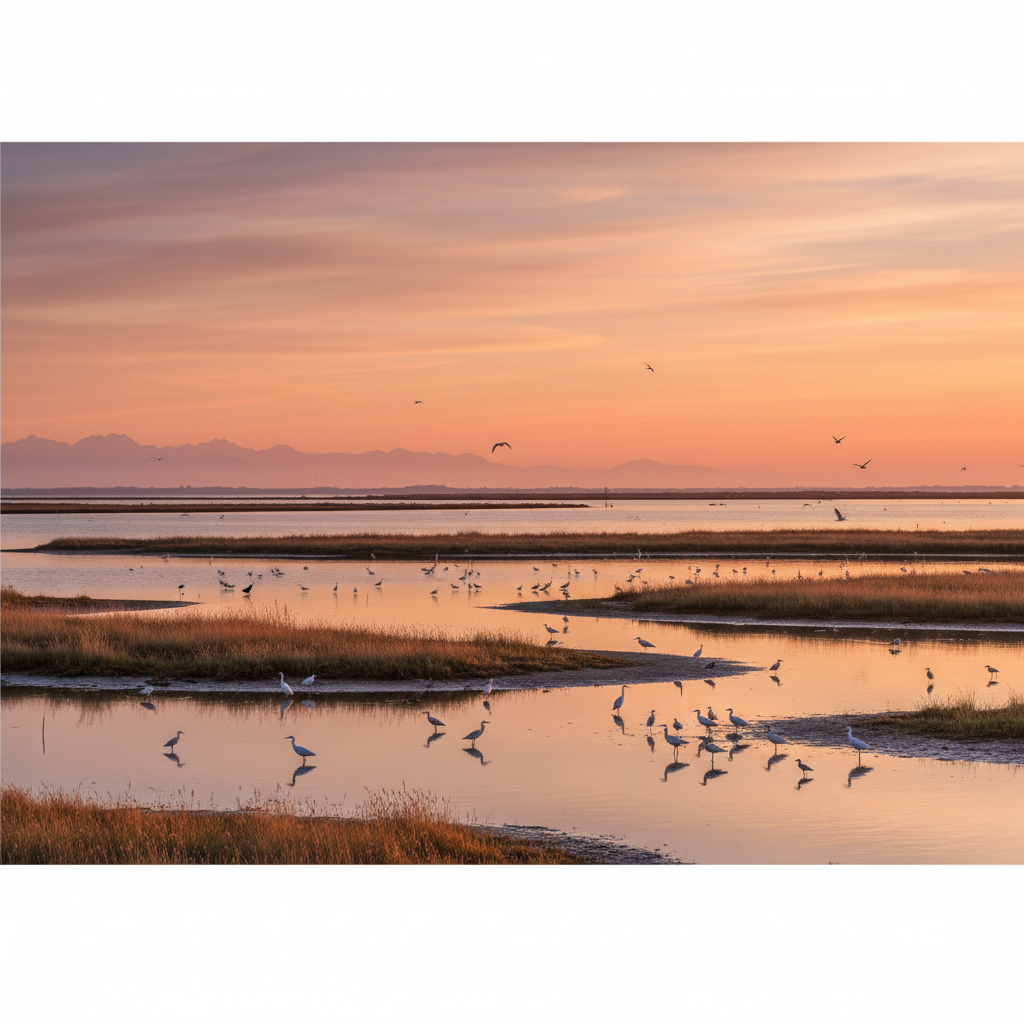
Restoring the Ecosystem

Beyond engineering, protecting Venice involves restoring salt marshes ('barene') which act as natural buffers against tides and absorb carbon. The health of the lagoon's biodiversity is critical for the city's survival.

Made byBobr AI

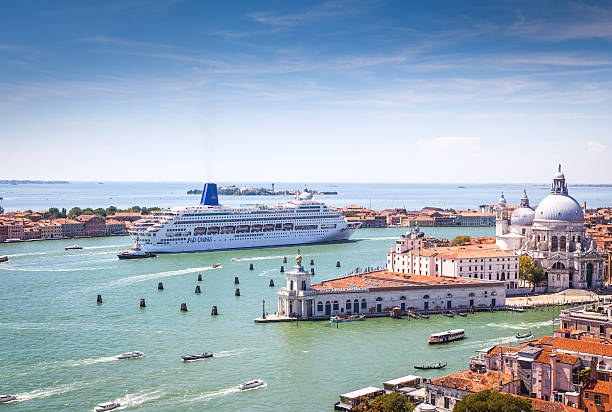
Sustainable Tourism Policy

Ban on large cruise ships entering the Giudecca Canal to prevent erosion and pollution.

Introduction of visitor entry fees for day-trippers to manage overcrowding.

Made byBobr AI

Protected Areas & National Parks

Italy's National Parks (e.g., Gran Paradiso, Abruzzo) are vital for biodiversity. The goal is to reach 30% protected land by 2030 in line with EU Biodiversity Strategy.

Chart
Made byBobr AI

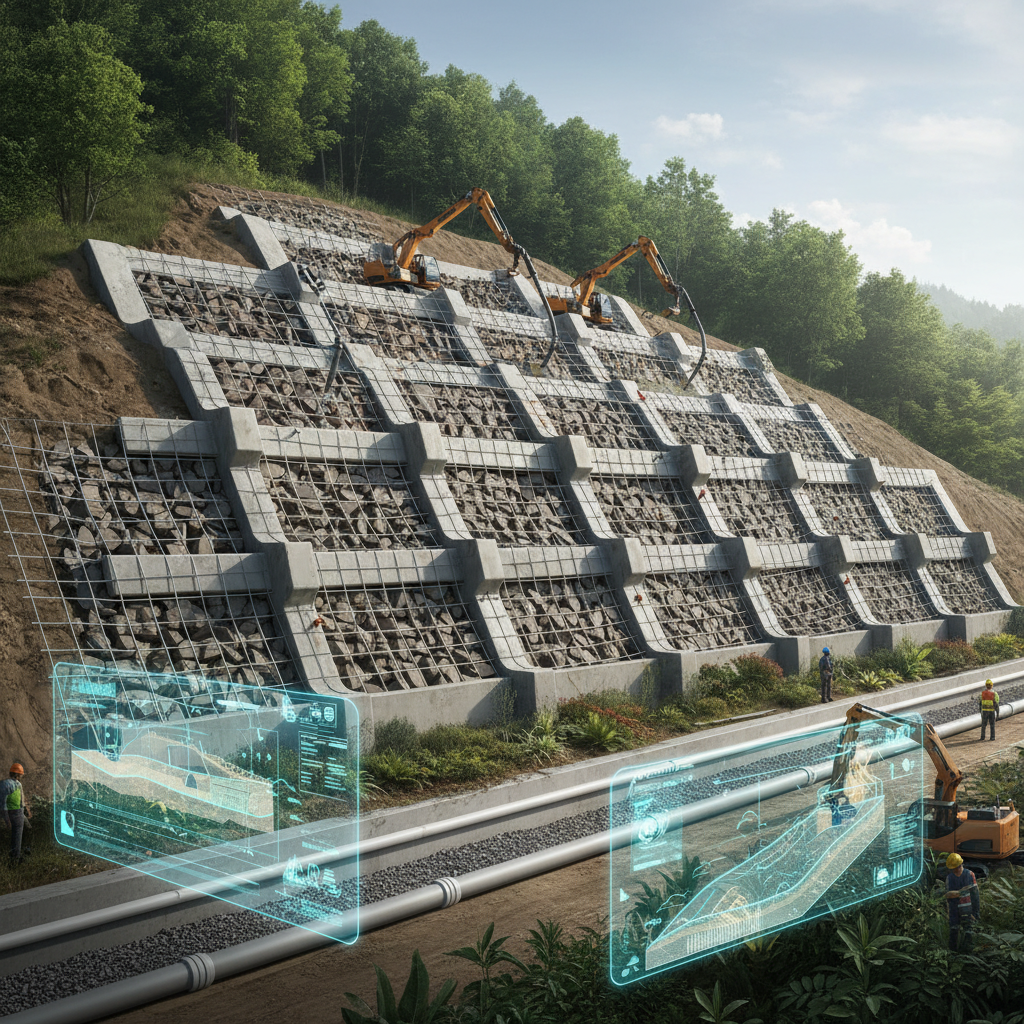
Hydrogeological Risk

Due to its geological makeup and climate change (droughts followed by torrential rain), 91% of Italian municipalities are at risk of landslides or floods. The NRRP allocates funds specifically for 'dissesto idrogeologico' prevention.

Made byBobr AI

Agriculture: Going Organic

  • Italy is a world leader in organic farming ('Biologico').
  • Roughly 17-20% of agricultural land is organic (vs EU average of ~9%).
  • Reduces chemical runoff into rivers and supports pollinators.
Made byBobr AI

Challenges Overview

Fossil Subsidies

Govt still provides subsidies for fossil fuels, slowing transition.

Bureaucracy

Permitting delays for renewable projects (solar/wind).

North-South Divide

Inequality in infrastructure and waste management efficiency.

Illegal Dumping

History of 'Ecomafia' involvement in waste disposal.

Made byBobr AI

Green Jobs & Economy

The ecological transition is a major economic driver. Italy had over 3.1 million 'Green Jobs' in 2020. Skills in renewable energy engineering, environmental law, and sustainable agritech are in high demand.

Chart
Made byBobr AI

The Role of Education & Youth

Italy was the first country to make sustainability and climate change a compulsory subject in schools. Universities are now launching specific degrees in Climate Science and Sustainable Development.

Made byBobr AI

Conclusion: The Path Forward

  • Progress: Emissions are down 25%, renewables are growing.
  • Alert: Climate change effects (Venice, droughts) are accelerating.
  • Action: Implementation of PNIEC and full use of NRRP funds are crucial.
  • Goal: Climate Neutrality by 2050 is the ultimate target.
Made byBobr AI

Thank You

Questions & Discussion

Made byBobr AI
Bobr AI

DESIGNER-MADE
PRESENTATION,
GENERATED FROM
YOUR PROMPT

Create your own professional slide deck with real images, data charts, and unique design in under a minute.

Generate For Free

Environmental Protection and Climate Action in Italy

Discover Italy's climate strategies, PNIEC 2030 renewable targets, and the Venice Lagoon case study including the MOSE system and biodiversity protection.

Environment Protection in Italy

Strategies, Climate Action, and the Venice Lagoon Case Study

Presentation Roadmap

<ul><li>Current Policy Framework (PNIEC & NRRP)</li><li>Climate & Emissions Trends</li><li>Renewable Energy Targets 2030</li><li>Case Study: The Venice Lagoon</li><li>Challenges & Future Outlook</li></ul>

Italy's Unique Biodiversity

Italy hosts the highest rate of biodiversity in Europe due to its geographical variety, ranging from the Alps to the Mediterranean. Protecting this natural heritage is central to national environmental policy, with over 21% of land currently protected.

GHG Emissions Reduction (1990-2022)

Italy has reduced greenhouse gas emissions by 25% compared to 1990 levels. While positive, the pace must accelerate to meet the 2030 targets set by the EU's 'Fit for 55' package.

Primary Emission Sectors

The Policy Framework

PNIEC (Integrated National Energy Plan)

Updated in June 2024, the plan targets 40.5% renewables in the total energy mix by 2030, emphasizing decarbonization and energy security.

NRRP (Recovery Plan)

Provides €80 million for green urban infrastructure and supports the 'Green Revolution' mission with investments in efficiency and mobility.

Renewable Energy Targets: The 2030 Pushes

Doubling the share of renewables in less than a decade requires massive deployment of Solar PV and Wind infrastructure.

Forest Expansion

Since 1990, forest area in Italy has grown by 23%. This natural expansion acts as a critical carbon sink, absorbing millions of tonnes of CO2 annually.

Sustainable Mobility & Rail

Italy is investing heavily in High-Speed Rail to replace domestic flights. The 'Frecciarossa' network is a model for sustainable travel, emitting significantly less CO2 per passenger than air or road travel.

Energy Efficiency: The 'Superbonus'

<ul><li>Incentives of 110% tax deduction for renovations.</li><li>Focus on thermal insulation and heat pumps.</li><li>Target: Renovate 2% of buildings annually by 2030.</li><li>Reduced residential energy consumption significantly.</li></ul>

Circular Economy Leadership

Italy is a European leader in recycling and circular economy, recovering a high percentage of industrial and municipal waste.

Solar & Hydrogen Ambitions

Agrivoltaics

Combining agriculture with solar energy production to maximize land efficiency without harming crops.

SoutH2 Corridor

Developing a hydrogen pipeline from North Africa through Italy to supply clean energy to Europe. Goal: 5GW electrolyzers by 2030.

CASE STUDY: THE VENICE LAGOON

The Challenge: Rising Sea Levels

Venice faces existential threats from 'Acqua Alta' (high tides) intensified by climate change. Without intervention, the city's historic foundation is at risk of permanent submersion.

The MOSE System

Experimental Electromechanical Module (MOSE).

A system of mobile gates located at the three inlets of the lagoon.

Fully operational since 2020, it successfully isolates the lagoon from the Adriatic Sea during high tides (>110cm).

Restoring the Ecosystem

Beyond engineering, protecting Venice involves restoring salt marshes ('barene') which act as natural buffers against tides and absorb carbon. The health of the lagoon's biodiversity is critical for the city's survival.

Sustainable Tourism Policy

Ban on large cruise ships entering the Giudecca Canal to prevent erosion and pollution.

Introduction of visitor entry fees for day-trippers to manage overcrowding.

Protected Areas & National Parks

Italy's National Parks (e.g., Gran Paradiso, Abruzzo) are vital for biodiversity. The goal is to reach 30% protected land by 2030 in line with EU Biodiversity Strategy.

Hydrogeological Risk

Due to its geological makeup and climate change (droughts followed by torrential rain), 91% of Italian municipalities are at risk of landslides or floods. The NRRP allocates funds specifically for 'dissesto idrogeologico' prevention.

Agriculture: Going Organic

Italy is a world leader in organic farming ('Biologico').

Roughly 17-20% of agricultural land is organic (vs EU average of ~9%).

Reduces chemical runoff into rivers and supports pollinators.

Challenges Overview

<div style="display:grid; grid-template-columns:1fr 1fr; gap:40px;"><div style="background:#FFEBEE; padding:30px; border-radius:10px;"><h3 style="color:#C62828; font-size:30px;">Fossil Subsidies</h3><p style="font-size:24px;">Govt still provides subsidies for fossil fuels, slowing transition.</p></div><div style="background:#FFF3E0; padding:30px; border-radius:10px;"><h3 style="color:#EF6C00; font-size:30px;">Bureaucracy</h3><p style="font-size:24px;">Permitting delays for renewable projects (solar/wind).</p></div><div style="background:#E3F2FD; padding:30px; border-radius:10px;"><h3 style="color:#1565C0; font-size:30px;">North-South Divide</h3><p style="font-size:24px;">Inequality in infrastructure and waste management efficiency.</p></div><div style="background:#F3E5F5; padding:30px; border-radius:10px;"><h3 style="color:#6A1B9A; font-size:30px;">Illegal Dumping</h3><p style="font-size:24px;">History of 'Ecomafia' involvement in waste disposal.</p></div></div>

Green Jobs & Economy

The ecological transition is a major economic driver. Italy had over 3.1 million 'Green Jobs' in 2020. Skills in renewable energy engineering, environmental law, and sustainable agritech are in high demand.

The Role of Education & Youth

Italy was the first country to make sustainability and climate change a compulsory subject in schools. Universities are now launching specific degrees in Climate Science and Sustainable Development.

Conclusion: The Path Forward

<ul><li><strong>Progress:</strong> Emissions are down 25%, renewables are growing.</li><li><strong>Alert:</strong> Climate change effects (Venice, droughts) are accelerating.</li><li><strong>Action:</strong> Implementation of PNIEC and full use of NRRP funds are crucial.</li><li><strong>Goal:</strong> Climate Neutrality by 2050 is the ultimate target.</li></ul>

Thank You

Questions & Discussion

  • italy-environment
  • climate-action
  • renewable-energy
  • venice-mose
  • sustainability
  • biodiversity
  • green-economy