



Case Study: Maxima LT Private Label "Well Done" Development
Explore the business model, SWOT, and PEST analysis of Maxima LT's "Well Done" private label in the Baltics. Learn about retail innovation and supply chain.
Development of Private Label "Well Done" Case Study: Maxima LT (UAB)
Team Members:
Gurleen Kaur | Zohaib Hussain | Shahid Ameen | Ezan Ullah | Yakimov Dmytro | Edonis Duraj
Mentor: Linas Starselskis
Academic Year: 2025–2026
Introduction
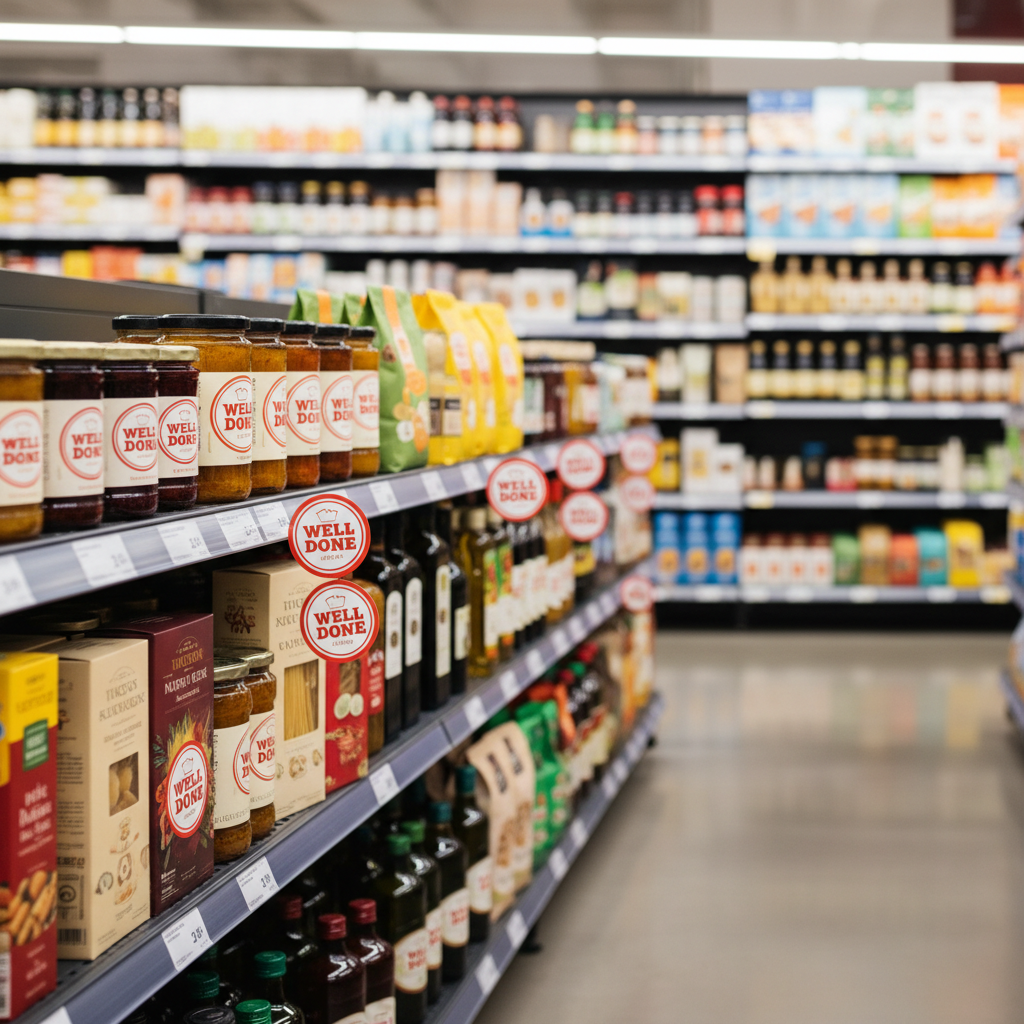
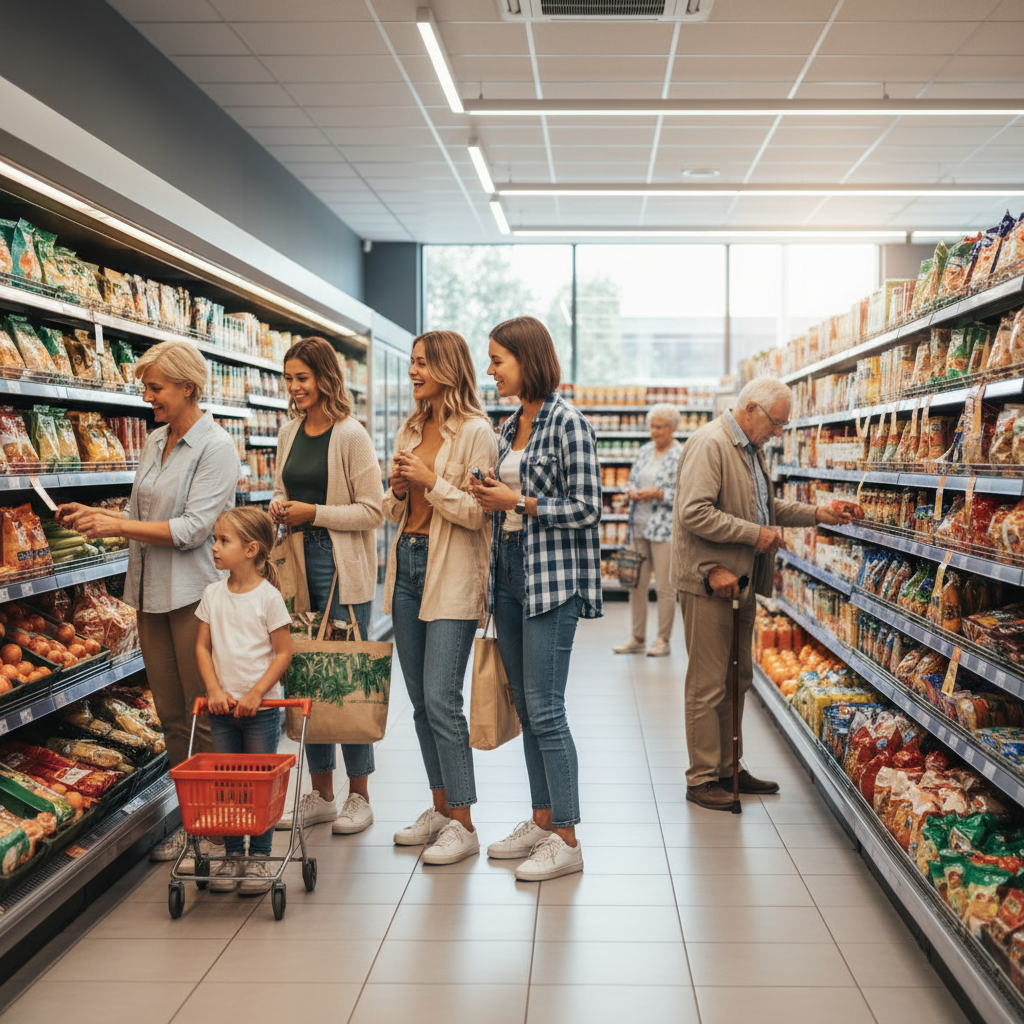
Maxima LT is the largest retail chain in the Baltic region. “Well Done” is Maxima’s private label created to offer: Affordable everyday products, Consistent quality, Eco-friendly packaging, Healthy options.
<h3>Market competition increased due to:</h3><ul><li>Lidl (strong low-price competitor)</li><li>Rimi (high-quality strategy)</li><li>Iki & Norfa (strong local chains)</li></ul>
<h3>Private labels help Maxima gain:</h3><ul><li>Higher profit margins</li><li>Better price control</li><li>Stronger customer loyalty</li></ul>
Company Overview & Achievements
PART 1 — CURRENT SITUATION ANALYSIS
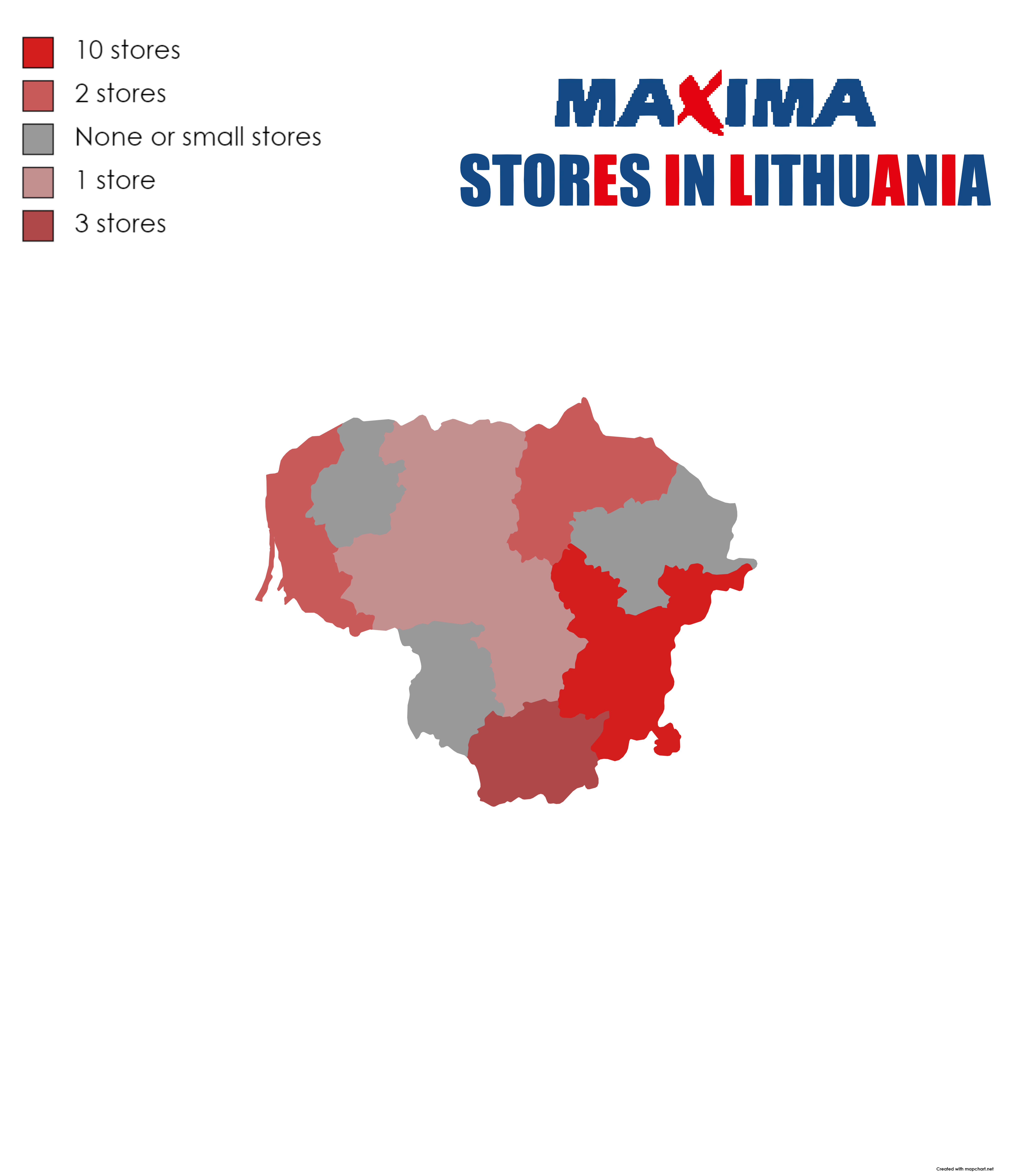
<ul><li>Over 1,300 stores in the Baltic region</li><li>Known for food retail, household items, and fresh produce</li><li>Mission: “To provide quality products at low prices, daily.”</li><li>Leader in Lithuania for market share</li><li>Strong logistics system</li><li>Wide store network (X, XX, XXX formats)</li></ul>
Challenges & PEST (Political + Economic)
<b>Challenges</b><br>• High competition from Lidl<br>• Economic inflation affecting consumer spending<br>• Need for digital transformation
<b>Political</b><br>• EU food safety standards<br>• Trade regulations affecting imported goods
<b>Economic</b><br>• Rising inflation<br>• Cost-sensitive customers
PEST Analysis (Social + Technological)
<h3>Social Factors</h3><ul><li>Preference for healthy & organic foods</li><li>Population aging → demand for essentials</li></ul>
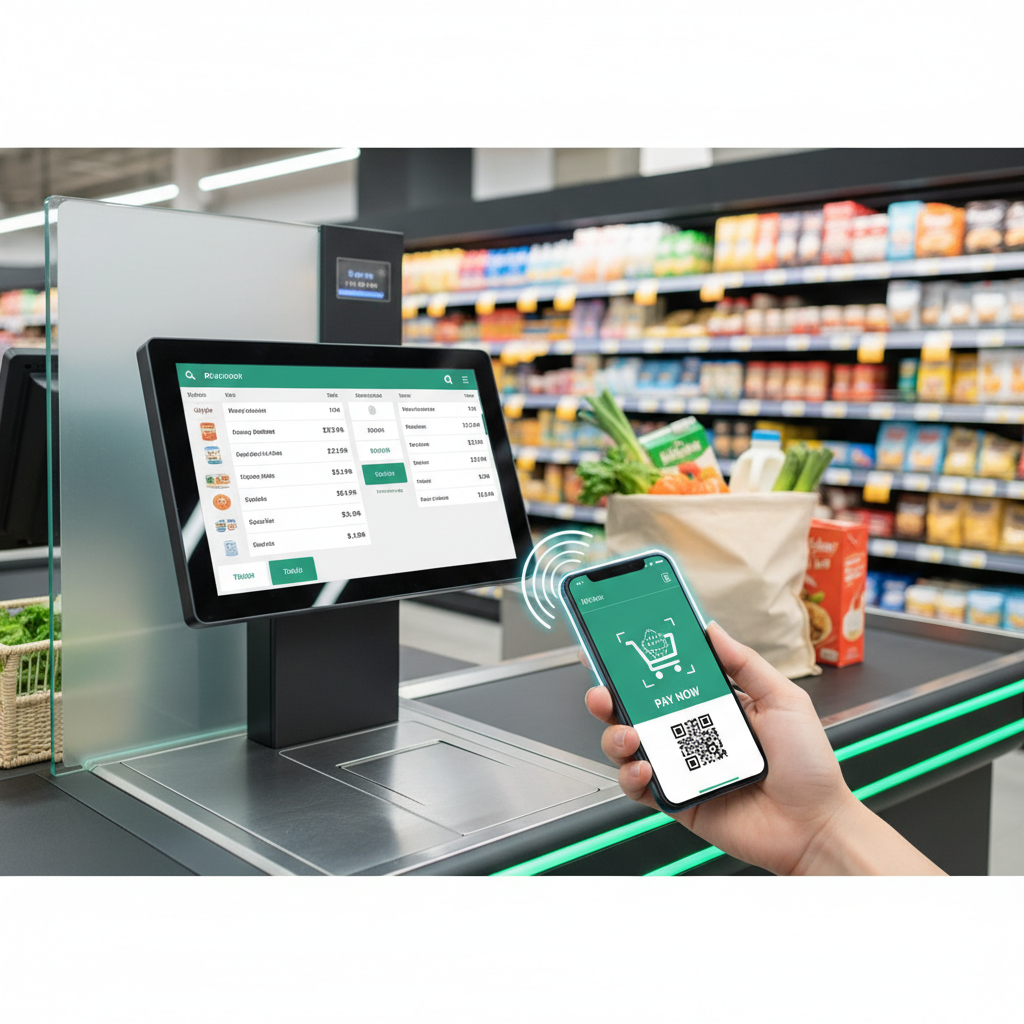
<h3>Technological Factors</h3><ul><li>Growth in e-commerce</li><li>Self-checkout systems, digital loyalty apps</li></ul>
Creative Products & Innovation (Business)
PART 2 — INNOVATIVENESS ASSESSMENT
<h3>Creative Product Examples</h3><ul><li>Healthy snacks, low-sugar items</li><li>Eco-friendly household products</li><li>Recyclable packaging innovations</li></ul>
<h3>Innovation Opportunities – Business</h3><ul><li>Automated warehouses</li><li>AI-based demand forecasting</li></ul>
Innovation (Marketing + Product)
MARKETING<br>Influencer cooking videos<br>QR-code packaging with recipes
PRODUCT<br>Plant-based food line<br>Zero-waste packaging items
Kotter Model Key Points
Urgency is high due to market pressure
Vision is clear: affordable, high quality, sustainable
Needs more staff training & empowerment
Short-term wins visible in increased private label sales
Justification & Target Audience
PART 3 — PROJECT ISSUE / IDEA ANALYSIS
<h3>Justification of the Problem</h3><ul><li>Prices are rising → customers want cheap but good products</li><li>Competitors’ private labels gaining strong trust</li><li>Customers prefer locally produced items</li></ul>
<h3>Target Audience Deep Data</h3><ul><li>Families aged 25–55 with stable income</li><li>Students looking for cheap options</li><li>Elderly who shop regularly</li></ul>
Competitors & SWOT (Strengths / Weaknesses)
<h3 style='color:#003366;'>Competitor Highlights</h3><ul style='list-style:none; padding:0;'><li><b>Lidl:</b> best low prices</li><li><b>Rimi:</b> best quality private label</li><li><b>Iki:</b> strong in fresh foods</li><li><b>Norfa:</b> local brand loyalty</li></ul>
<h3 style='color:#2e7d32;'>Strengths</h3><ul><li>Strong brand trust</li><li>Wide store network</li><li>Efficient logistics</li></ul>
<h3 style='color:#c62828;'>Weaknesses</h3><ul><li>Some customers still prefer branded products</li></ul>
SWOT (Opportunities / Threats)
<h3>Opportunities</h3><ul><li>Growing eco-friendly market</li><li>More demand for private labels</li></ul>
<h3>Threats</h3><ul><li>Economic downturn</li><li>High competition</li></ul>
Value Proposition & Cost Structure
PART 4 — BUSINESS MODEL
<h3>Value Proposition Add-ons</h3><ul><li>Reliable quality control</li><li>Large variety of categories (snacks, dairy, household, drinks)</li><li>Affordable pricing strategies</li></ul>
<h3>Cost Structure</h3><ul><li>Raw materials</li><li>Packaging costs</li><li>Supplier contracts</li><li>Transportation & warehousing</li><li>Marketing campaigns</li></ul>
Revenue Streams
In-store sales
Online orders through Maxima app
Seasonal promotions
Project Scope & Stakeholders
PART 5 — PROJECT MANAGEMENT
<h3>Project Scope (Expanded)</h3><ul><li>Product development</li><li>Packaging design</li><li>Supplier selection & contract negotiation</li><li>Quality testing</li><li>Marketing & branding</li><li>Full rollout plan</li></ul>
<h3>Stakeholders (Extra List)</h3><ul><li>Procurement managers</li><li>Designers & branding teams</li><li>Logistics supervisors</li><li>Marketing agencies</li><li>Store managers</li><li>Quality inspection teams</li></ul>
Work Plan Details
Month 1–3<br>Research + supplier selection
Month 4–6<br>Product development + test batches
Month 7–9<br>Packaging & branding
Month 10–12<br>Pilot launch + final rollout
International Risks, Trade Forms & Regulations
PART 6 — INTERNATIONAL IMPLEMENTATION
<h3>International Risks</h3><ul><li>EU import taxes</li><li>Currency exchange fluctuations</li><li>Supplier delays due to global shipping issues</li><li>Political instability in exporting countries</li></ul>
<h3>Trade Forms</h3><ul><li>Direct import from manufacturers</li><li>Long-term supplier contracts</li><li>Regional sourcing to reduce costs</li></ul>
<h3>Regulations</h3><ul><li>Must follow EU hygiene, packaging, and labeling rules</li><li>Must meet sustainability standards</li></ul>
Supply Chain Management
PART 7 — SUPPLY CHAIN MANAGEMENT
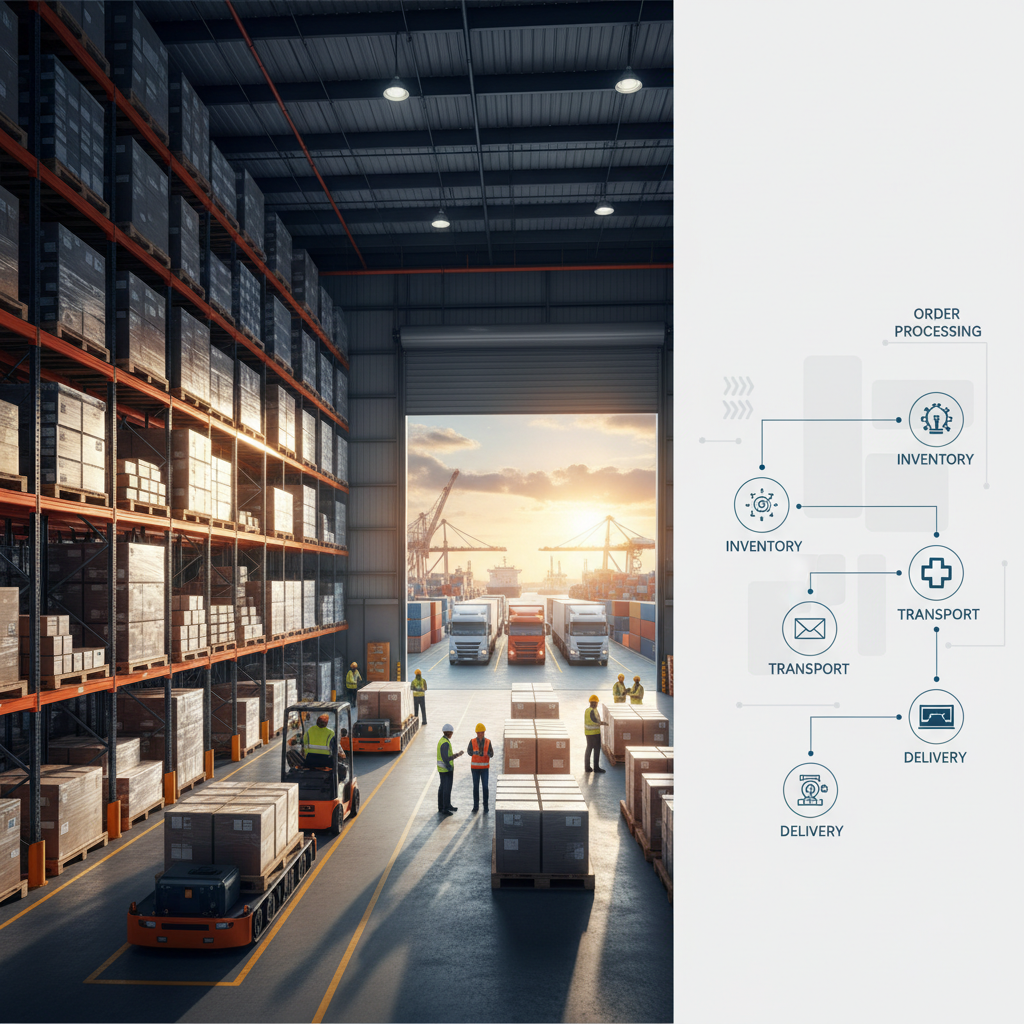
<div style='margin-bottom:30px;'><h3>SCM Weak Points</h3><ul><li>Over-reliance on foreign suppliers</li><li>Seasonal demand uncertainty</li></ul></div><div style='margin-bottom:30px;'><h3>LEAN Improvements</h3><ul><li>Reducing unnecessary packaging</li><li>Faster shelf replenishment</li><li>Cutting redundant warehouse steps</li></ul></div><div><h3>KPIs Expanded</h3><ul><li>Inventory turnover rate</li><li>Stockout frequency</li><li>Supplier on-time delivery percentage</li><li>Warehouse accuracy</li></ul></div>
Costs, Break-even & Scenarios
PART 8 — FINANCE & INVESTMENT
<h3>Cost Structure</h3><ul><li>Fixed costs: equipment, salaries</li><li>Variable costs: raw materials, packaging</li><li>Promotion budget</li><li>Store placement cost</li></ul><h3>Break-even Data</h3><ul><li>High volume = lower per-unit cost</li><li>Private labels usually break even faster</li></ul>
<div style='background:#e8f5e9; padding:20px; border-radius:10px; margin-bottom:30px; border-left:8px solid green;'><h3>Optimistic Scenario</h3><ul><li>Strong sales growth</li><li>High customer acceptance</li><li>Efficient supply chain → higher margins</li></ul></div><div style='background:#ffebee; padding:20px; border-radius:10px; border-left:8px solid red;'><h3>Negative Scenario</h3><ul><li>Low acceptance → higher waste</li><li>Inflation raising production costs</li></ul></div>
Financial Crisis Case Study Lessons
Diversify suppliers
Maintain financial reserves
Avoid over-reliance on single currency
Conclusion
In conclusion, the Well Done private label is a strong and promising project for Maxima. It helps the company offer good quality products at affordable prices while staying competitive in the market. Through innovation, good project planning, an efficient supply chain, and careful financial management, the brand has the potential to grow and become one of the most trusted choices for customers. If Maxima continues improving and adapting to customer needs, Well Done can achieve long-term success.
- case-study
- retail-strategy
- private-label
- business-analysis
- swot-analysis
- maxima-lt
- supply-chain
- marketing-innovation