



Made byBobr AI

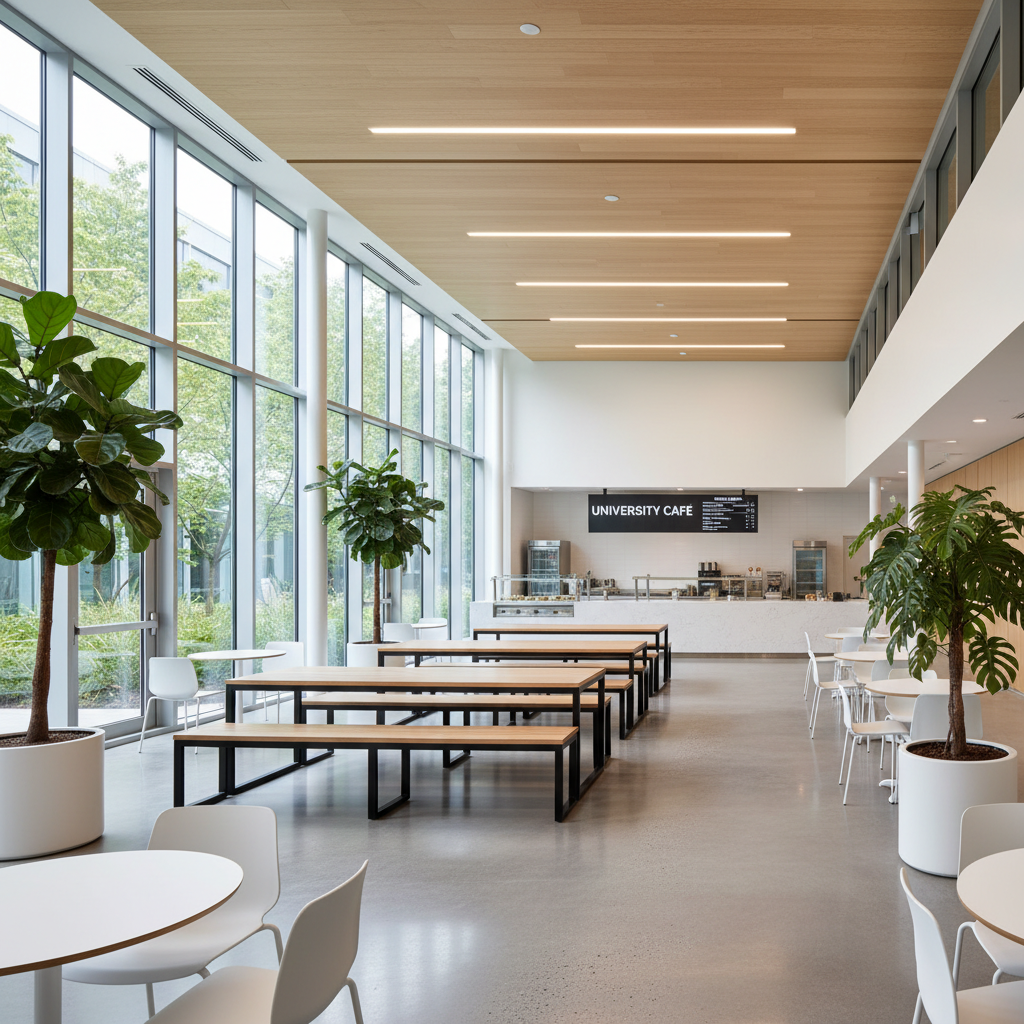
Green Cafeteria Solutions: Sustainability & Campus Savings

Learn how psychological shifts like gratitude and behavioral nudges can reduce campus food waste and save universities up to $100k annually.

#sustainability#food-waste#campus-life#green-initiatives#behavioral-economics#cost-savings#higher-education
Watch
Pitch

Green Dining: Sustainability & Savings

From Psychology to Economics in the Campus Cafeteria

Made byBobr AI

Introduction & Purpose

I am a student researcher exploring the intersection of environmental responsibility and fiscal efficiency. The purpose of this presentation is to demonstrate how psychological shifts—specifically gratitude—and structural nudges can transform our campus cafeteria. We will look at reducing our ecological footprint while simultaneously generating significant cost savings for the university.

Made byBobr AI

The Sustainability Imperative

  • Climate change and resource scarcity threaten future crop yields and water stores.
  • Universities are microcosms of society; sustainable habits formed here last a lifetime.
  • Financial incentives: 'Green' operations are increasingly synonymous with 'Lean' budgets.
Made byBobr AI

The Campus Problem: Waste & Cost

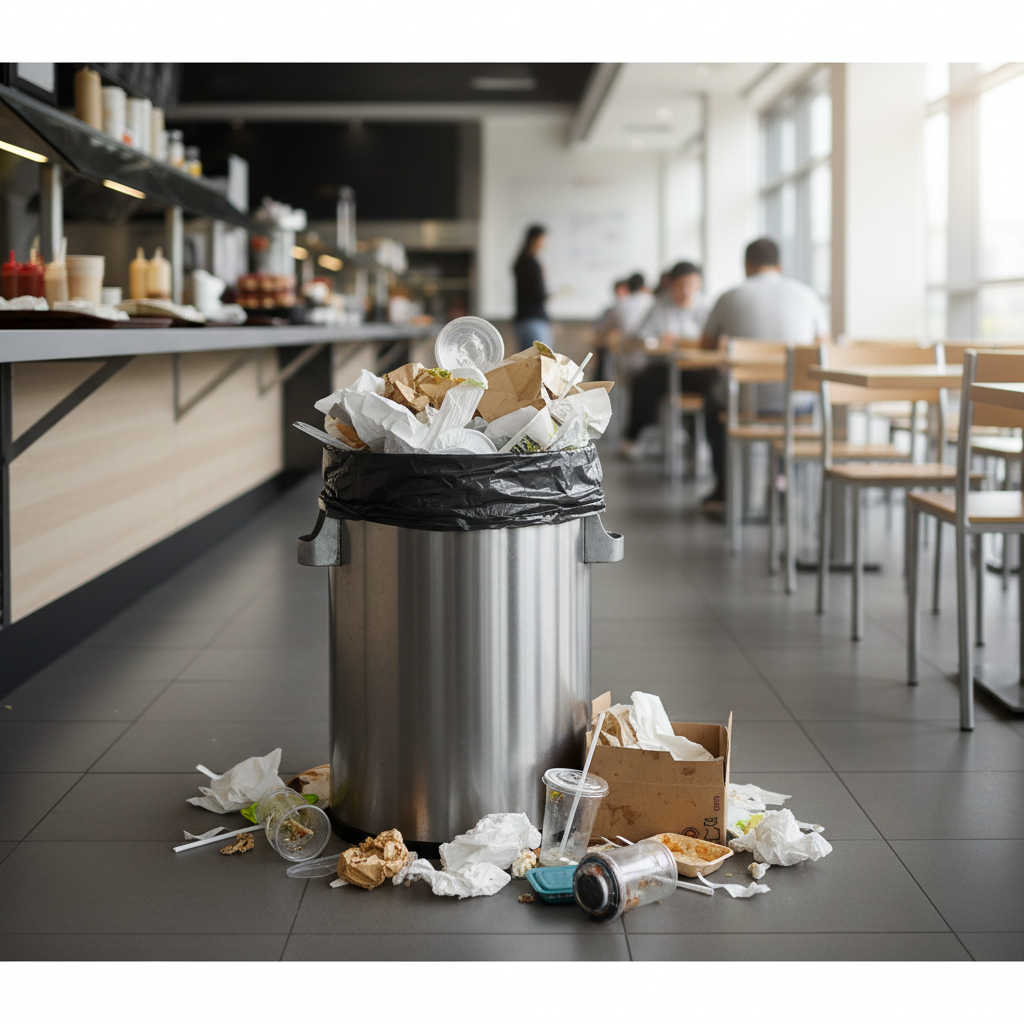
A single college campus generates 1,000–1,500 lbs of food waste daily.

Our cafeteria struggles with excessive single-use packaging and post-consumer food waste. This isn't just an environmental failure; it costs institutions $50,000 to $100,000 annually in lost resources and disposal fees.

Made byBobr AI

Can Gratitude Promote Sustainability?

Based on 'Can Gratitude Help You Live More Sustainably? by Elizabeth Svoboda'

Researchers Kates and DeSteno explored the 'Tragedy of the Commons'—the tendency to hoard resources when scarcity looms. The study found that while happiness can sometimes lead to selfishness, gratitude acts as a buffer against greed. Grateful participants took fewer resources from a shared pool, even when they saw the pool depleting rapidly.

Chart
Made byBobr AI

Practical Application: Calculated Appreciation

The Exercise

Instead of a generic gratitude list, pause before your first meal in the cafeteria. Acknowledge one specific resource required to bring that food to you (e.g., the water for the crops, the fuel for transport). This micro-moment of thanks disrupts the impulse to over-take or waste.

Made byBobr AI

Solution 2: Behavioral Nudges

We don't always need to change minds to change actions. 'Nudges' are subtle design changes that alter behavior without forbidding options.

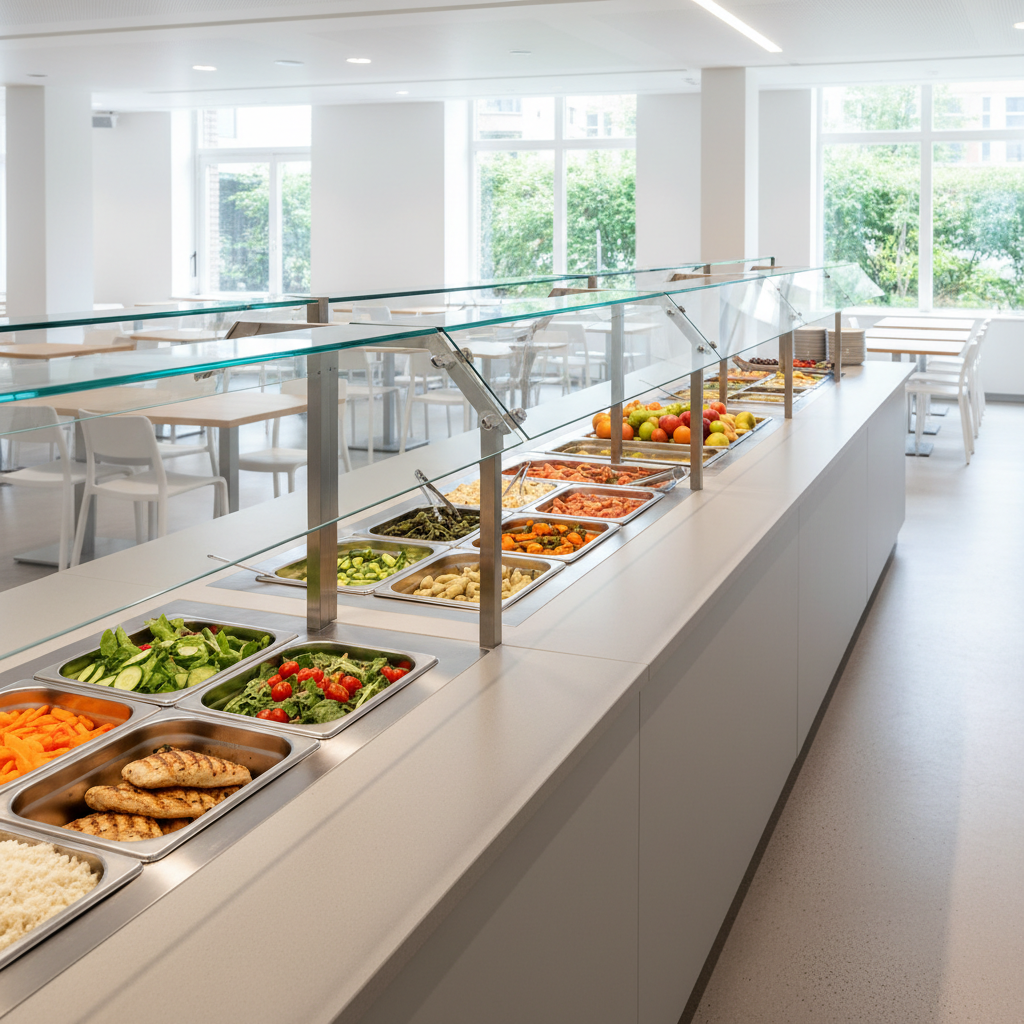
Nudge 1: Trayless Dining. Removing trays forces students to carry only what they can eat, reducing food waste by limiting capacity.

Nudge 2: Default Bias. Making plant-based meals the default option (with meat as an add-on) normalizes lower-carbon choices.

Made byBobr AI

The Financial Argument

Implementing nudges and waste reduction strategies leads to direct financial benefits. Calculations based on potential annual savings for a medium-sized campus.

Chart
Made byBobr AI

Vision for the Future

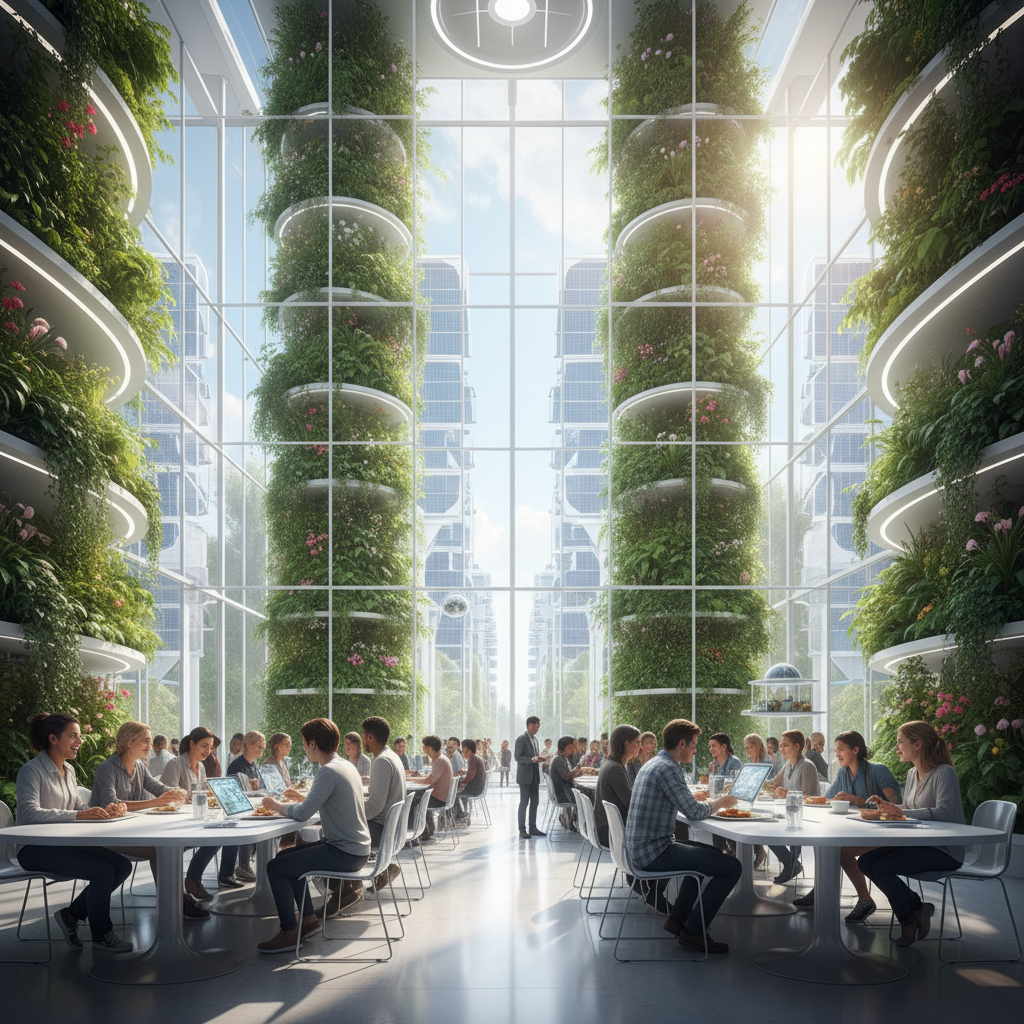
Our goal is to reach an 'Immunity Threshold'—a tipping point where sustainable behavior becomes the social norm. By combining the internal practice of gratitude with external environmental nudges, we create a system where sustainability is automatic.

Next Steps: 1. Survey students on plant-based preferences. 2. Pilot a trayless Tuesday. 3. Launch gratitude prompts in napkin holders.

Made byBobr AI

Sustainability isn't just about saving the planet. It's about being grateful for what it gives us.

Thank you.

Made byBobr AI
Bobr AI

DESIGNER-MADE
PRESENTATION,
GENERATED FROM
YOUR PROMPT

Create your own professional slide deck with real images, data charts, and unique design in under a minute.

Generate For Free

Green Cafeteria Solutions: Sustainability & Campus Savings

Learn how psychological shifts like gratitude and behavioral nudges can reduce campus food waste and save universities up to $100k annually.

Green Dining: Sustainability & Savings

From Psychology to Economics in the Campus Cafeteria

Introduction & Purpose

I am a student researcher exploring the intersection of environmental responsibility and fiscal efficiency. The purpose of this presentation is to demonstrate how psychological shifts—specifically gratitude—and structural nudges can transform our campus cafeteria. We will look at reducing our ecological footprint while simultaneously generating significant cost savings for the university.

The Sustainability Imperative

Climate change and resource scarcity threaten future crop yields and water stores.

Universities are microcosms of society; sustainable habits formed here last a lifetime.

Financial incentives: 'Green' operations are increasingly synonymous with 'Lean' budgets.

The Campus Problem: Waste & Cost

A single college campus generates 1,000–1,500 lbs of food waste daily.

Our cafeteria struggles with excessive single-use packaging and post-consumer food waste. This isn't just an environmental failure; it costs institutions $50,000 to $100,000 annually in lost resources and disposal fees.

Can Gratitude Promote Sustainability?

Based on 'Can Gratitude Help You Live More Sustainably? by Elizabeth Svoboda'

Researchers Kates and DeSteno explored the 'Tragedy of the Commons'—the tendency to hoard resources when scarcity looms. The study found that while happiness can sometimes lead to selfishness, gratitude acts as a buffer against greed. Grateful participants took fewer resources from a shared pool, even when they saw the pool depleting rapidly.

Practical Application: Calculated Appreciation

The Exercise

Instead of a generic gratitude list, pause before your first meal in the cafeteria. Acknowledge one specific resource required to bring that food to you (e.g., the water for the crops, the fuel for transport). This micro-moment of thanks disrupts the impulse to over-take or waste.

Solution 2: Behavioral Nudges

We don't always need to change minds to change actions. 'Nudges' are subtle design changes that alter behavior without forbidding options.

Nudge 1: Trayless Dining. Removing trays forces students to carry only what they can eat, reducing food waste by limiting capacity.

Nudge 2: Default Bias. Making plant-based meals the default option (with meat as an add-on) normalizes lower-carbon choices.

The Financial Argument

Implementing nudges and waste reduction strategies leads to direct financial benefits. Calculations based on potential annual savings for a medium-sized campus.

Vision for the Future

Our goal is to reach an 'Immunity Threshold'—a tipping point where sustainable behavior becomes the social norm. By combining the internal practice of gratitude with external environmental nudges, we create a system where sustainability is automatic.

Next Steps: 1. Survey students on plant-based preferences. 2. Pilot a trayless Tuesday. 3. Launch gratitude prompts in napkin holders.

Sustainability isn't just about saving the planet. It's about being grateful for what it gives us.

Thank you.

  • sustainability
  • food-waste
  • campus-life
  • green-initiatives
  • behavioral-economics
  • cost-savings
  • higher-education