



Mastering eInvoicing: The 5-Corner Model Workflow
Learn about the 5-corner model for e-invoicing, including the role of central authorities, tax compliance, and comparisons with the Peppol 4-corner network.
The E-invoicing 5-Corner Model
Workflow, Compliance, and the Role of the Central Authority
Why E-invoicing Models Matter
Standardizing how invoices are exchanged is critical for global trade. Without a model, businesses rely on fragmented peer-to-peer connections. The evolution from direct exchange to network models ensures interoperability.
Global Standardization
Tax Compliance
Process Automation
Context: The 4-Corner Model
The 5-corner model builds upon the 4-corner foundation used in networks like Peppol. In the 4-corner model, there is no central clearinghouse.
Corner 1: Supplier
Corner 2: Provider (Sender)
Corner 3: Provider (Receiver)
Corner 4: Buyer
Enter Corner 5: The Central Authority
The '5th Corner' represents a centralized entity—often a Tax Authority, Government Platform, or Directory Service—that oversees, validates, or routes the transaction information.
Adoption of Government Clearance Models (Est.)
1. Supplier
Generates the invoice in their ERP system. The format is usually proprietary or basic XML/PDF.
2. Service Provider (Sender AP)
Converts the invoice to the mandated standard (e.g., UBL) and validates it against the network rules. In the 5-corner model, this provider often communicates with C5.
Corner 5: The Regulator
Identity Registry: Verifies the receiver exists (SML/SMP functions).
Fiscal Control: Receives a copy or hash of the invoice for tax clearance.
Routing: Directs Corner 2 on how to reach Corner 3.
3. Service Provider (Receiver AP)
Receives the validated invoice from Corner 2. It translates the standardized XML back into a format the Buyer's ERP can ingest.
4. Buyer (Receiver)
The invoice appears in Accounts Payable, ready for approval and payment. Tax data has already been logged by C5.
Complete Workflow Sequence
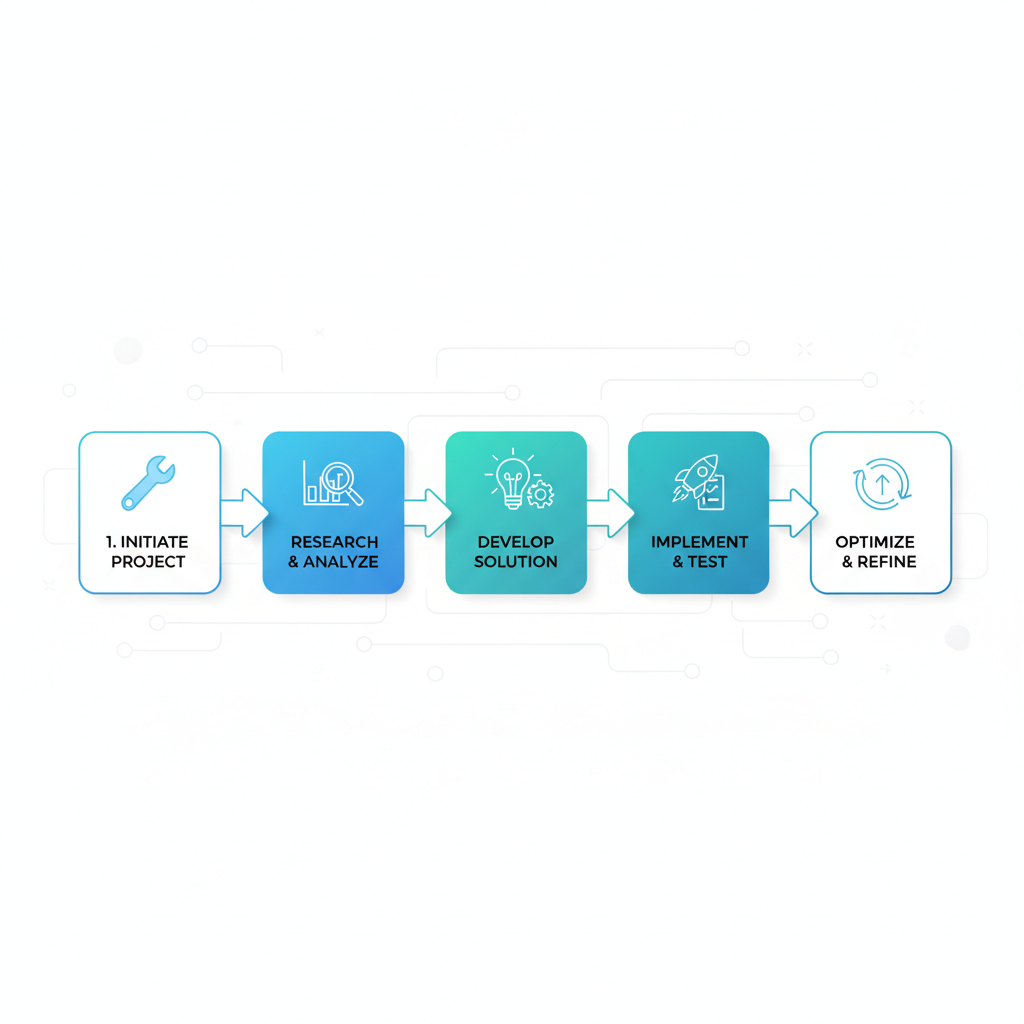
C1 creates invoice
C2 validates & converts
C2 reports to/checks C5 (Central)
C2 sends to C3 via Network
C3 extracts & delivers to C4
Cost Efficiency of E-Invoicing
Optimized models reduce costs by reducing errors and audit triggers. The 5-corner model automates compliance, removing the need for post-audit corrections.
Comparison: 4-Corner vs 5-Corner
Interoperability
High (via separate APs)
High + Govt Controlled
Tax Reporting
Post-Audit (Periodic)
Real-time / Clearance
Primary Goal
Business Efficiency
Fiscal Visibility
Adoption Example: Peppol & CTC
Peppol Network: Uses a 4-corner model fundamentally, but the SML (Service Metadata Locator) acts as a centralized 5th component for addressing.
France (2026+): Implementing a 'Y-Model' where a Public Portal acts as the 5th corner aggregating data from private platforms (PDPs).
Italy (SdI): A strict clearance model where the government platform sits squarely in the middle.
Summary
The 5-Corner Model represents the convergence of business automation and fiscal control. By introducing a Regulatory Corner, governments ensure compliance while businesses benefit from standardized, interoperable networks.
Thank You
- e-invoicing
- peppol
- tax-compliance
- fintech
- 5-corner-model
- business-automation
- clearance-model