
Made byBobr AI

Residential Design: Ventilation, Parking & Safety Guidelines

A regulatory guide for Singapore residential projects covering ventilation requirements, parking dimensions, fire safety egress, and BCA accessibility codes.

#architecture#building-codes#singapore-property#ventilation-design#parking-specs#fire-safety#accessibility-code#bca-compliance
Watch
Pitch

Residential Project Requirements: Ventilation, Parking & Safety

Regulatory Guidelines for Landed & Terrace Developments (BCA, SCDF, URA)

Made byBobr AI

Key Regulatory Authorities

Compliance requires coordination between multiple agencies. Primary references include the Fire Code (SCDF), Approved Document (BCA), and Development Control specific to Landed Housing (URA).

  • BCA (Building & Construction Authority): Ventilation, Accessibility, Structure
  • SCDF/FSSD (Singapore Civil Defence Force): Fire Safety, Shelters, Egress
  • URA (Urban Redevelopment Authority): Setbacks, Land Size, Parking Quantity
Made byBobr AI

Natural Ventilation: Habitable Rooms

For residential habitable rooms (bedrooms, living rooms) utilizing natural ventilation:

Minimum Opening Area: 10% of the floor area of the room.
Position: Openings must face an external space (sky terrace, balcony with open sides, or exterior).
Chart
Made byBobr AI

Ventilation: Wet Areas & Facilities

Toilets & Bathrooms

Bathrooms/Toilets: Must have natural ventilation independent of habitable areas, or Mechanical Ventilation (MV) proving adequate air changes.

Car Parks

Basement Car Parks: Often require Mechanical Ventilation + CO sensors unless sufficient cross-ventilation openings are present (rare in basements).

Civil Defence Shelters

Household Shelter (HS): Ventilation sleeves required at specific heights for peacetime ventilation.

Made byBobr AI

Parking Quantity Guidelines

For private residential landed housing, the standard provision is typically 1 lot per dwelling unit. However, cluster housing projects have aggregated requirements.

Chart

Cars

Car: 1 lot per dwelling unit (Lower Bound).

Accessible (PWD)

Accessible (PWD): Min 1 lot for developments with >10 lots (or shared basement).

Made byBobr AI

Parking Layout Dimensions

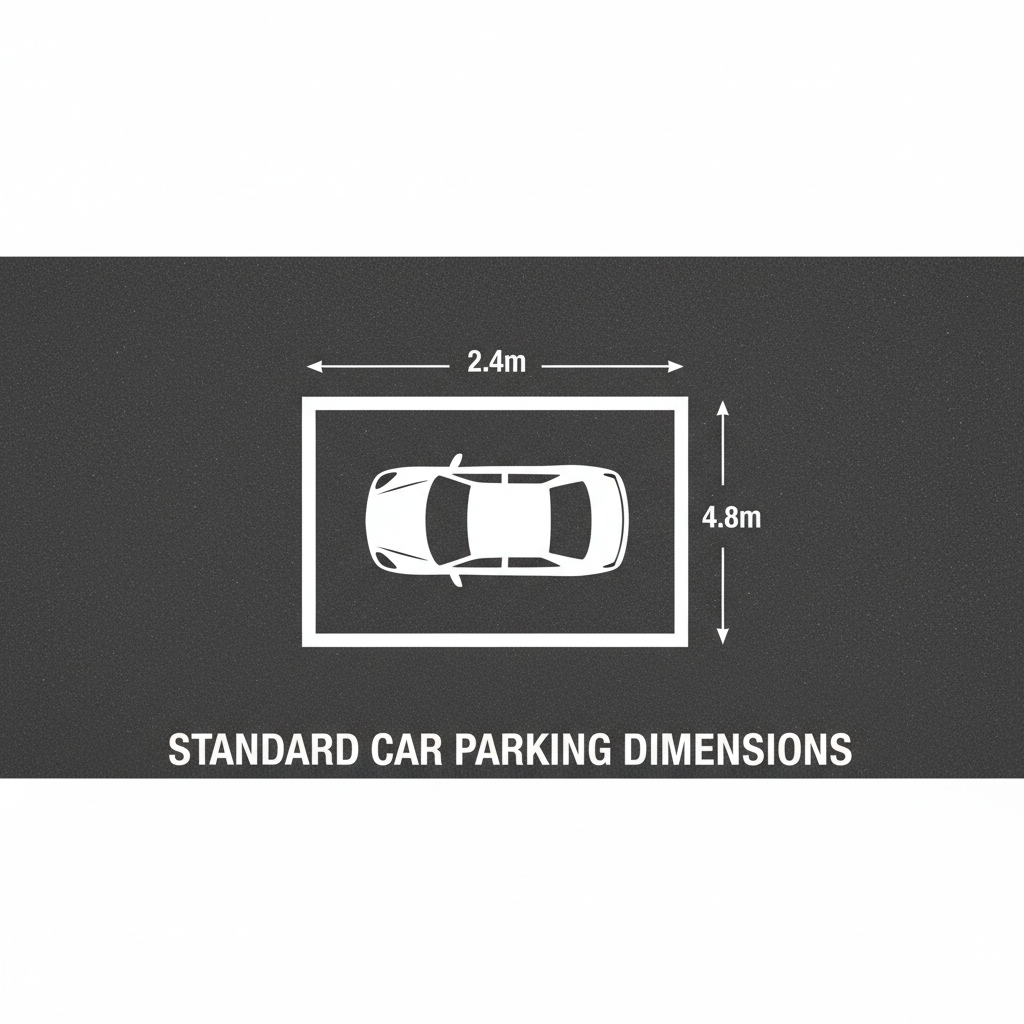
  • Standard Car Lot: 2.4m (W) x 4.8m (L)
  • Accessible Lot: 3.6m (W) x 4.8m (L) **
  • Motorcycle Lot: 0.8m (W) x 2.4m (L)

** Note: Accessible width includes usually a 1.2m demarcated buffer zone for wheelchair transfer.

Made byBobr AI

Staircase Storey Shelter (S/C SS) Setback

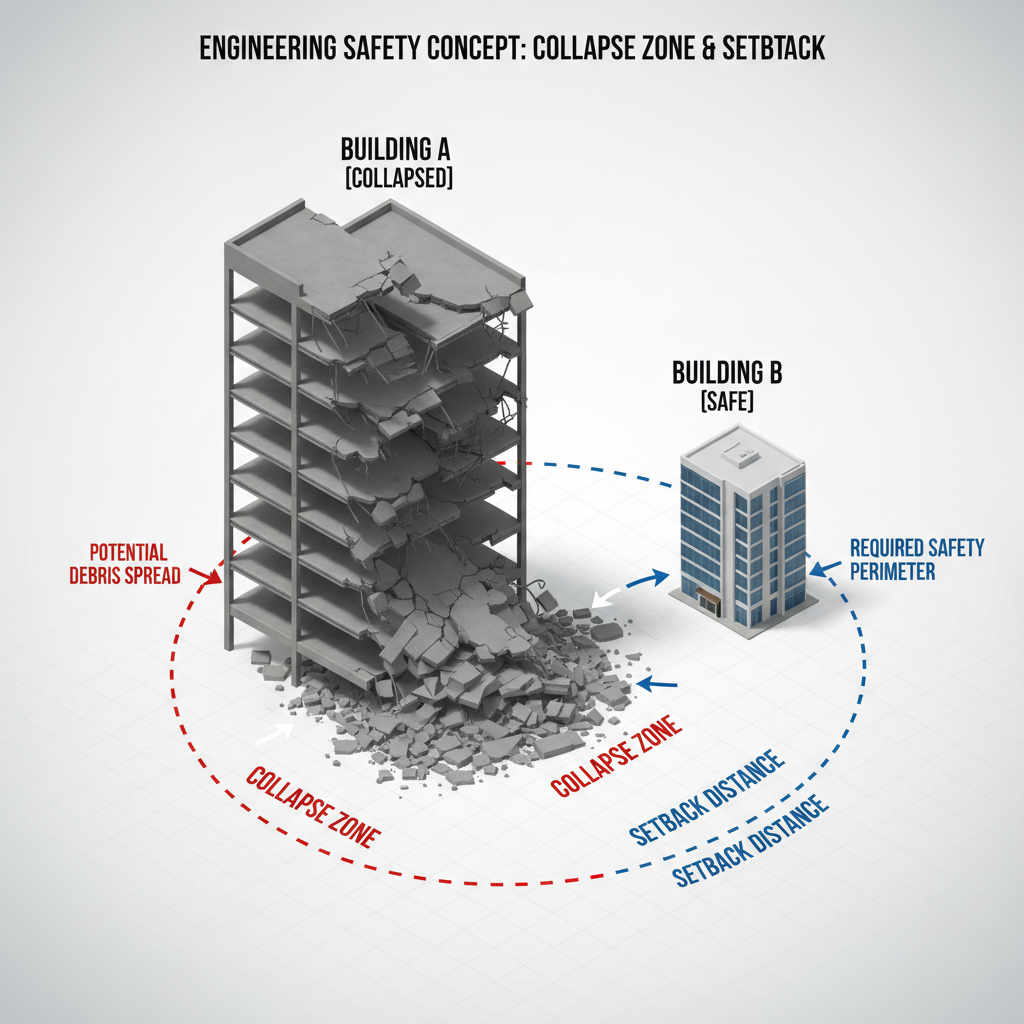
Reference: SCDF Technical Requirements for Storey Shelters. The Setback Distance refers to the minimum distance between the Shelter Tower and the property boundary or other non-shelter buildings.

Structural Integrity

Collapse Zone Requirement: The shelter must be set back to ensure that if adjacent non-shelter structures collapse, they do not compromise the shelter's structural integrity or exit.

Measurement

Minimum Setback: Often correlates with the height of the adjacent building envelope (or a specified minimum like 6m depending on the shelter category).

Made byBobr AI

Travel Distance: Roof Terrace to Exit

Fire Code Compliance for Open-to-Sky Areas

How to Measure

Measurement: Taken along the natural path of travel (avoiding furniture/obstructions) from the most remote point of the roof terrace to the relevant exit staircase door.

Distance Limits

Requirement: Typically Max 15m (for single exit scenarios) or 30m-60m (if multiple exits exist), depending on Fire Code classification.

Made byBobr AI

Travel Distance: Residential Unit to Access Door

Chart

Measurement Points:

  • Start: Point A: The most remote point within the bedroom/living area.
  • End: Point B: The main entrance door of the residential unit (leading to the external corridor or lobby).

Note: In terrace houses, this measurement often dictates the placement of the internal staircase relative to the furthest bedroom corner.

Made byBobr AI

Accessibility: Unit Entrances

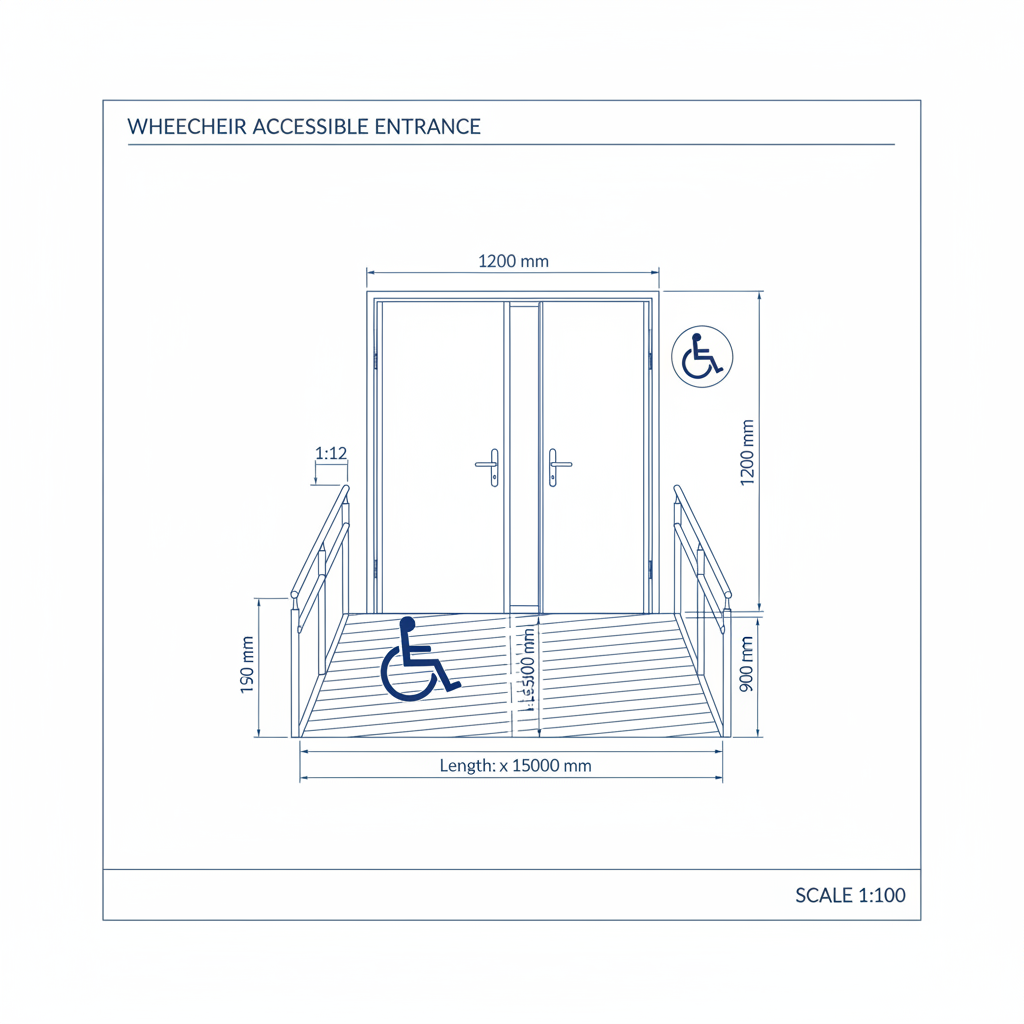
To comply with the Code on Accessibility (BCA), entrances to residential units must be 'Barrier-Free'.

Level Changes

Thresholds: No steps at the entrance. Maximum vertical level change of 25mm (with beveled edge) permitted.

Ramps

Use of Ramps: If level difference >25mm, a ramp must be provided. Gradient Max 1:12.

Door Width

Clear Width: Minimum 850mm clear opening width for the door.

Made byBobr AI

Summary of Requirements

  • 1. Ventilation: 10% floor area for rooms; separate natural/mechanical provision for toilets/shelters.
  • 2. Parking: 1 lot/unit (Landed); 2.4x4.8m (Std) & 3.6x4.8m (Access) dimensions.
  • 3. Safety: Storey Shelter setbacks (structural collapse zone) and strict 1-way travel distances (15-25m).
  • 4. Accessibility: Barrier-free entrances with ramps (1:12) and wide doors (>850mm).
Made byBobr AI
Bobr AI

DESIGNER-MADE
PRESENTATION,
GENERATED FROM
YOUR PROMPT

Create your own professional slide deck with real images, data charts, and unique design in under a minute.

Generate For Free

Residential Design: Ventilation, Parking & Safety Guidelines

A regulatory guide for Singapore residential projects covering ventilation requirements, parking dimensions, fire safety egress, and BCA accessibility codes.

Residential Project Requirements: Ventilation, Parking & Safety

Regulatory Guidelines for Landed & Terrace Developments (BCA, SCDF, URA)

Key Regulatory Authorities

Compliance requires coordination between multiple agencies. Primary references include the Fire Code (SCDF), Approved Document (BCA), and Development Control specific to Landed Housing (URA).

BCA (Building & Construction Authority): Ventilation, Accessibility, Structure

SCDF/FSSD (Singapore Civil Defence Force): Fire Safety, Shelters, Egress

URA (Urban Redevelopment Authority): Setbacks, Land Size, Parking Quantity

Natural Ventilation: Habitable Rooms

For residential habitable rooms (bedrooms, living rooms) utilizing natural ventilation:

Minimum Opening Area: 10% of the floor area of the room.

Position: Openings must face an external space (sky terrace, balcony with open sides, or exterior).

Ventilation: Wet Areas & Facilities

Bathrooms/Toilets: Must have natural ventilation independent of habitable areas, or Mechanical Ventilation (MV) proving adequate air changes.

Basement Car Parks: Often require Mechanical Ventilation + CO sensors unless sufficient cross-ventilation openings are present (rare in basements).

Household Shelter (HS): Ventilation sleeves required at specific heights for peacetime ventilation.

Parking Quantity Guidelines

For private residential landed housing, the standard provision is typically 1 lot per dwelling unit. However, cluster housing projects have aggregated requirements.

Car: 1 lot per dwelling unit (Lower Bound).

Accessible (PWD): Min 1 lot for developments with >10 lots (or shared basement).

Parking Layout Dimensions

Standard Car Lot: 2.4m (W) x 4.8m (L)

Accessible Lot: 3.6m (W) x 4.8m (L) **

Motorcycle Lot: 0.8m (W) x 2.4m (L)

** Note: Accessible width includes usually a 1.2m demarcated buffer zone for wheelchair transfer.

Staircase Storey Shelter (S/C SS) Setback

Reference: SCDF Technical Requirements for Storey Shelters. The Setback Distance refers to the minimum distance between the Shelter Tower and the property boundary or other non-shelter buildings.

Collapse Zone Requirement: The shelter must be set back to ensure that if adjacent non-shelter structures collapse, they do not compromise the shelter's structural integrity or exit.

Minimum Setback: Often correlates with the height of the adjacent building envelope (or a specified minimum like 6m depending on the shelter category).

Travel Distance: Roof Terrace to Exit

Measurement: Taken along the natural path of travel (avoiding furniture/obstructions) from the most remote point of the roof terrace to the relevant exit staircase door.

Requirement: Typically Max 15m (for single exit scenarios) or 30m-60m (if multiple exits exist), depending on Fire Code classification.

Travel Distance: Residential Unit to Access Door

Point A: The most remote point within the bedroom/living area.

Point B: The main entrance door of the residential unit (leading to the external corridor or lobby).

Note: In terrace houses, this measurement often dictates the placement of the internal staircase relative to the furthest bedroom corner.

Accessibility: Unit Entrances

To comply with the Code on Accessibility (BCA), entrances to residential units must be 'Barrier-Free'.

Thresholds: No steps at the entrance. Maximum vertical level change of 25mm (with beveled edge) permitted.

Use of Ramps: If level difference >25mm, a ramp must be provided. Gradient Max 1:12.

Clear Width: Minimum 850mm clear opening width for the door.

Summary of Requirements

Ventilation: 10% floor area for rooms; separate natural/mechanical provision for toilets/shelters.

Parking: 1 lot/unit (Landed); 2.4x4.8m (Std) & 3.6x4.8m (Access) dimensions.

Safety: Storey Shelter setbacks (structural collapse zone) and strict 1-way travel distances (15-25m).

Accessibility: Barrier-free entrances with ramps (1:12) and wide doors (>850mm).

  • architecture
  • building-codes
  • singapore-property
  • ventilation-design
  • parking-specs
  • fire-safety
  • accessibility-code
  • bca-compliance