







Made byBobr AI

Common Phobias: Clinical Guide for Psychology Students

Explore a clinical analysis of common phobias like Arachnophobia, Acrophobia, and Trypophobia, including prevalence rates, physiology, and treatments.

#psychology#phobias#anxiety-disorders#cbt#exposure-therapy#mental-health
Watch
Pitch

Common Phobias: Clinical Overview

An analysis of Arachnophobia, Acrophobia, and Trypophobia for Psychology Students

Made byBobr AI

Defining Specific Phobias

  • Marked fear or anxiety about a specific object or situation (e.g., flying, heights, animals).
  • The fear is out of proportion to the actual danger posed by the specific object.
  • Duration typically lasts for 6 months or more, causing significant distress or impairment.
Made byBobr AI

Diagnostic Prevalence Rates

Specific phobias are among the most common anxiety disorders worldwide. The following data represents the estimated lifetime prevalence among adults.

Chart
Made byBobr AI
Clinical Focus: Animal Type

1. Arachnophobia (Spiders)

One of the most frequent animal subtypes. Fear often extends to webs or realistic depictions.

Key Symptoms:

Immediate freezing or flight response
Obsessive search of rooms before entering
Sense of phantom crawling symptoms
Made byBobr AI

2. Acrophobia (Heights)

Unlike simple nervousness, acrophobia induces panic even when safe (e.g., behind glass windows). Differentiate from physiological vertigo.

Triggers include glass elevators, balcony edges, bridges, and driving on overpasses.

Made byBobr AI

3. Trypophobia (Holes)

Aversion to the sight of irregular patterns or clusters of small holes or bumps. While not fully recognized in DSM-5 as a distinct diagnosis, it is clinically significant.

Evolutionary Theory: The pattern resembles skin lesions from parasites or infectious diseases, triggering a disgust-based avoidance rather than fear.

Made byBobr AI

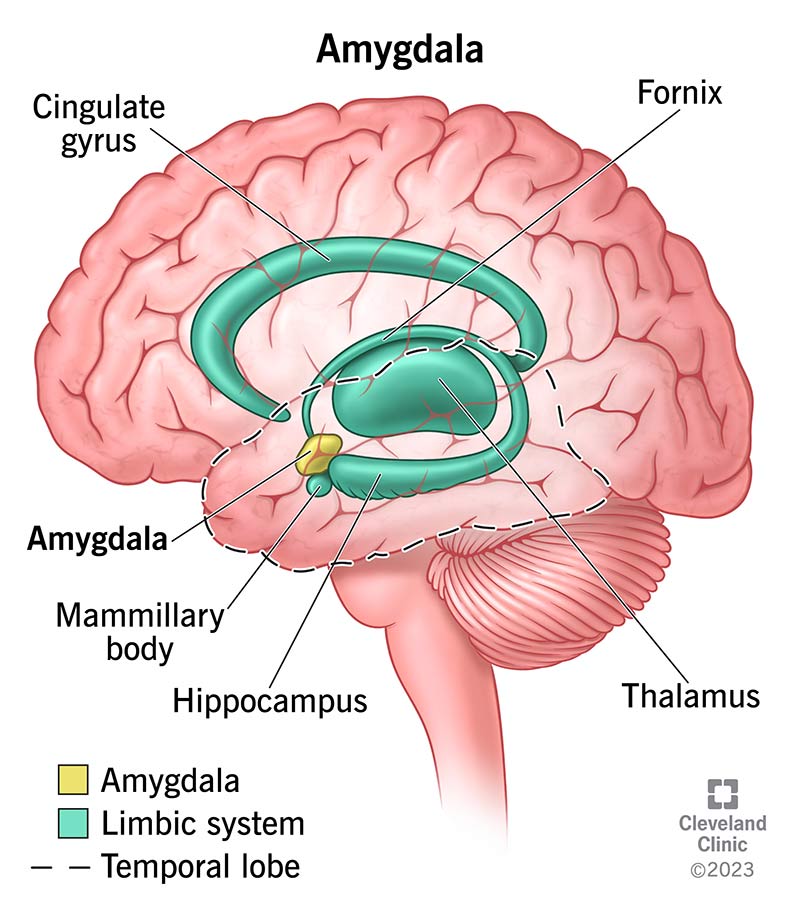
The Physiology of Fear Response

1 Amygdala detects threat (visual/auditory input).
2 Hypothalamus activates the sympathetic nervous system.
3 Adrenal glands release adrenaline (fight or flight).
Made byBobr AI

Clinical Symptoms & Impact

Physical

Palpitations (Tachycardia)
Shortness of breath
Trembling or shaking
Sweating (Diaphoresis)
Nausea

Psychological

Feeling of imminent doom
Loss of control
Depersonalization
Active avoidance of triggers
Made byBobr AI

Treatment Modalities

Systematic Desensitization

Exposure Therapy: Gradual confrontation of the feared object in a safe environment. Considered the 'Gold Standard'.

Cognitive Restructuring

CBT (Cognitive Behavioral Therapy): Identifies and challenges irrational thoughts surrounding the phobia.

Chart
Made byBobr AI

Summary & Coping

Specific phobias are highly treatable anxiety disorders.
Arachnophobia, Acrophobia, and Trypophobia affect millions globally.
Early intervention leads to better prognosis.
Coping Strategies:
- Deep breathing (4-7-8 method)
- Grounding techniques
- Professional support
Made byBobr AI
Bobr AI

DESIGNER-MADE
PRESENTATION,
GENERATED FROM
YOUR PROMPT

Create your own professional slide deck with real images, data charts, and unique design in under a minute.

Generate For Free

Common Phobias: Clinical Guide for Psychology Students

Explore a clinical analysis of common phobias like Arachnophobia, Acrophobia, and Trypophobia, including prevalence rates, physiology, and treatments.

Common Phobias: Clinical Overview

An analysis of Arachnophobia, Acrophobia, and Trypophobia for Psychology Students

Defining Specific Phobias

Marked fear or anxiety about a specific object or situation (e.g., flying, heights, animals).

The fear is out of proportion to the actual danger posed by the specific object.

Duration typically lasts for 6 months or more, causing significant distress or impairment.

Diagnostic Prevalence Rates

Specific phobias are among the most common anxiety disorders worldwide. The following data represents the estimated lifetime prevalence among adults.

1. Arachnophobia (Spiders)

One of the most frequent animal subtypes. Fear often extends to webs or realistic depictions.

Immediate freezing or flight response Obsessive search of rooms before entering Sense of phantom crawling symptoms

2. Acrophobia (Heights)

Unlike simple nervousness, acrophobia induces panic even when safe (e.g., behind glass windows). Differentiate from physiological vertigo.

Triggers include glass elevators, balcony edges, bridges, and driving on overpasses.

3. Trypophobia (Holes)

Aversion to the sight of irregular patterns or clusters of small holes or bumps. While not fully recognized in DSM-5 as a distinct diagnosis, it is clinically significant.

Evolutionary Theory: The pattern resembles skin lesions from parasites or infectious diseases, triggering a disgust-based avoidance rather than fear.

The Physiology of Fear Response

Amygdala detects threat (visual/auditory input).

Hypothalamus activates the sympathetic nervous system.

Adrenal glands release adrenaline (fight or flight).

Clinical Symptoms & Impact

Physical

Palpitations (Tachycardia) Shortness of breath Trembling or shaking Sweating (Diaphoresis) Nausea

Psychological

Feeling of imminent doom Loss of control Depersonalization Active avoidance of triggers

Treatment Modalities

Exposure Therapy: Gradual confrontation of the feared object in a safe environment. Considered the 'Gold Standard'.

CBT (Cognitive Behavioral Therapy): Identifies and challenges irrational thoughts surrounding the phobia.

Summary & Coping

Specific phobias are highly treatable anxiety disorders. Arachnophobia, Acrophobia, and Trypophobia affect millions globally. Early intervention leads to better prognosis.

Coping Strategies: - Deep breathing (4-7-8 method) - Grounding techniques - Professional support

  • psychology
  • phobias
  • anxiety-disorders
  • cbt
  • exposure-therapy
  • mental-health