





Impact of Self-Experience on Risk Preferences | Study
Explore how personal vs. vicarious experience affects decision-making in rare events. A behavioral economics study from Technion University.
Self-Experience Amplifies the Impact of Rare Events on Risk Preferences
Final Project: Behavioral Economics in Technological Environments (2026)
Omer-Shai Becker & Lior Malachi | Technion – Israel Institute of Technology
The Experience-Description Gap
A robust finding in behavioral economics: People learn differently from statistics (description) versus personal history (experience).
The Gap: Individuals tend to underweight rare events when learning from experience (e.g., assuming a crash won't happen because it hasn't lately).
Real-World Motivation
Real-world learning involves both personal and vicarious (observed) experiences. Often, descriptive warnings are ignored until a personal event occurs.
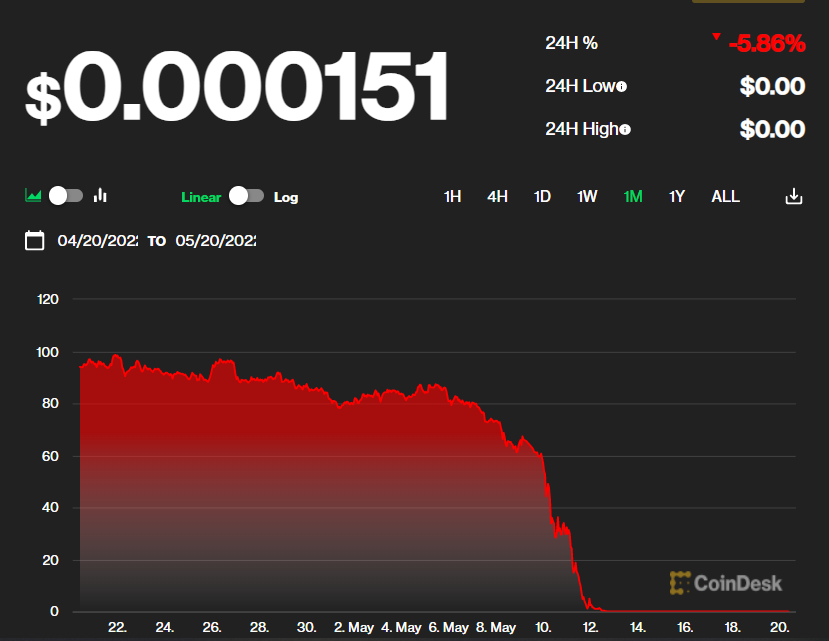
Terra-Luna Crash (2022): Investors held positions despite warnings, only reacting after personal losses.
Micro-mobility Safety: Riders ignore risks until they crash personally or see a vivid accident.
The Core Research Question
Does the source of experience—personal versus vicarious—systematically affect how individuals update risk preferences following rare gains or losses?
Key Requirement: Informational content, outcome sequences, and expected values are held constant.
Hypothesis 0: Limited-Sampling Error
Theory: Learning is driven by statistical inference. Since both personal and vicarious experiences offer identical data, there should be NO difference in behavior.
Hypothesis 1: Affective Salience
Theory: Personal experience evokes stronger emotions (fear/excitement) than observation. This amplifies reaction to rare events in a domain-specific way.
Hypothesis 2: Surprise-Triggered Change
Theory: Rare outcomes disrupt inertia regardless of valence. Surprise triggers exploration, reducing the repetition of the previous choice.
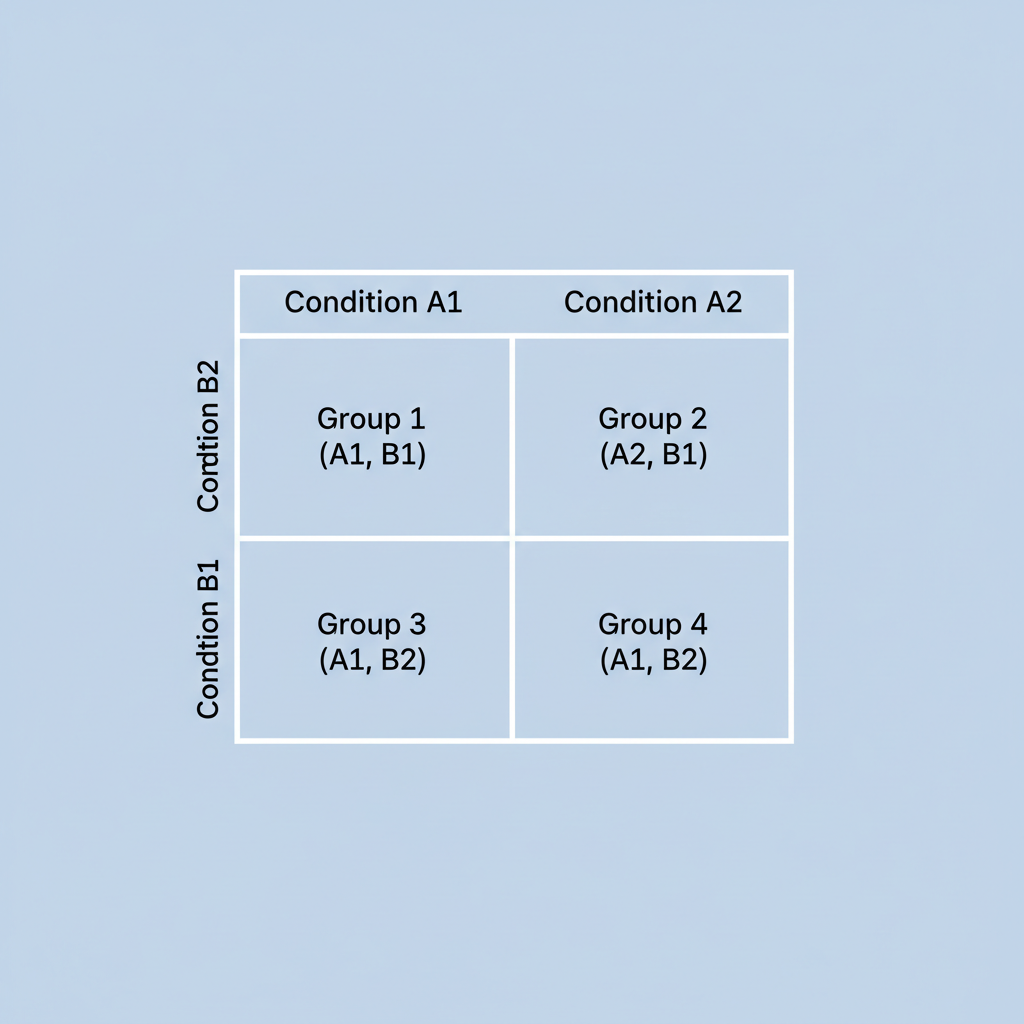
Methodology: 2x2 Experimental Design
N ≈ 260 Participants (Adults, Online)
Factors: Experience Source (Personal vs. Vicarious) × Outcome Domain (Rare Gain vs. Rare Loss).
1. Instructions & Quiz 2. Experience Phase: 20 binary risky-choice trials (Active or Observed). 3. Critical Choice Measurement: Incentivized decision.
Analysis Plan
Logistic Regression: Examines Risky Choice as a function of Source, Domain, and Interaction.
Behavioral Inertia Test: Models probability of repeating a choice to test the Surprise-Triggered hypothesis.
Goal: Distinguish between the three mechanisms (Sampling Error vs. Emotional Amplification vs. Surprise).
Conclusion & Implications
Theoretical Contribution: Isolates the 'experiential' source from the 'statistical' information. Validates if emotion drives the gap.
Practical Application: Design of interventions in finance and safety. If vicarious experience is weaker, safety training must simulate personal emotional impact (e.g., VR simulations) rather than just observation.
- behavioral-economics
- risk-management
- experience-description-gap
- decision-science
- risk-preferences
- technion
- research-project