


Made byBobr AI

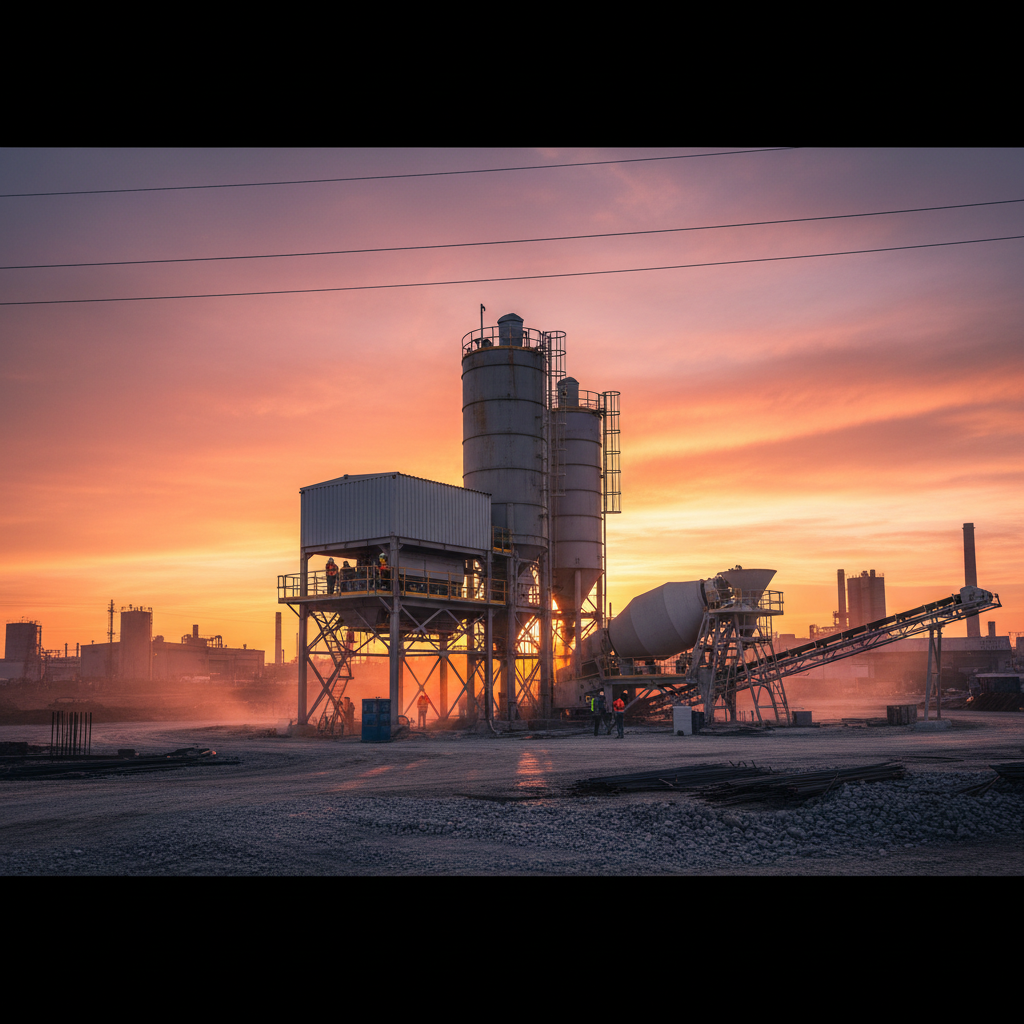
High Voltage Safety for Batching Plant Installation

Expert HSE guidelines for handling >110V electrical tools and 3-phase machinery during concrete batching plant setup and installation.

#electrical-safety#batching-plant#hse-guidelines#industrial-equipment#3-phase-power#construction-safety#loto
Watch
Pitch

High Voltage Equipment (>110V) in Batching Plant Installation

Inventory, Risks, and HSE Guidelines

Made byBobr AI

Scope & Safety Objectives

Standard construction sites typically mandate 110V tools to reduce shock severity. However, batching plant installation requires heavy industrial equipment operating at 220V, 400V, or 480V (3-Phase). This presentation outlines these specific tools and their inherent downsides/risks.

  • Identify all >110V equipment employed during installation.
  • Highlight specific electrical downsides (risks) for HSE awareness.
  • Establish strict controls for 3-phase machinery.
Made byBobr AI

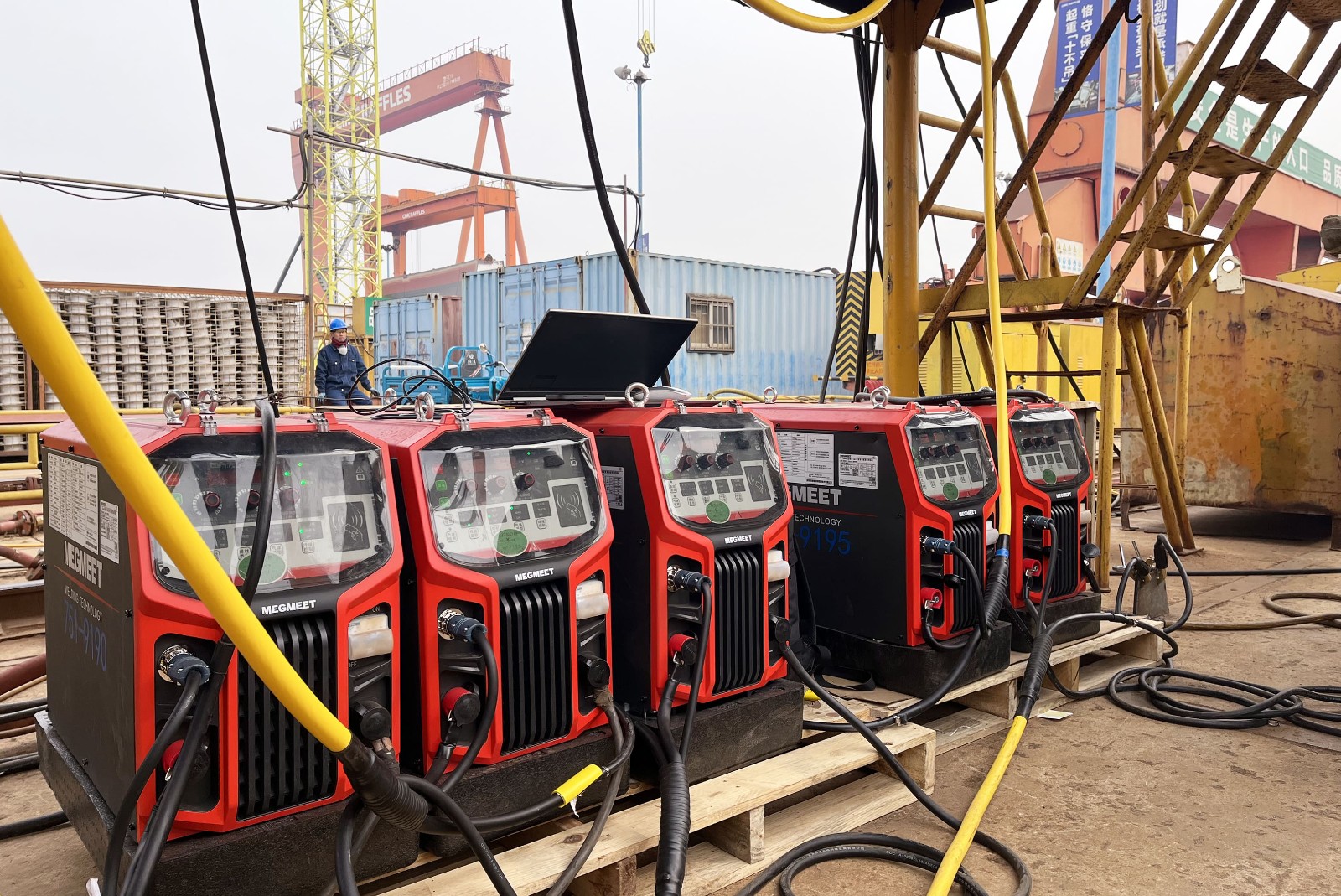
01. Industrial Static Welding Machines

Voltage: 400V / 415V (3-Phase)

Description

Stationary heavy-duty transformers or inverters used for structural steel assembly of the batching plant silos and mixers.

Downsides & Risks

  • Downside: Fatal shock hazard on primary side due to high voltage input.
  • Downside: Requires heavy gauge armored cabling which creates significant trip hazards.
Made byBobr AI

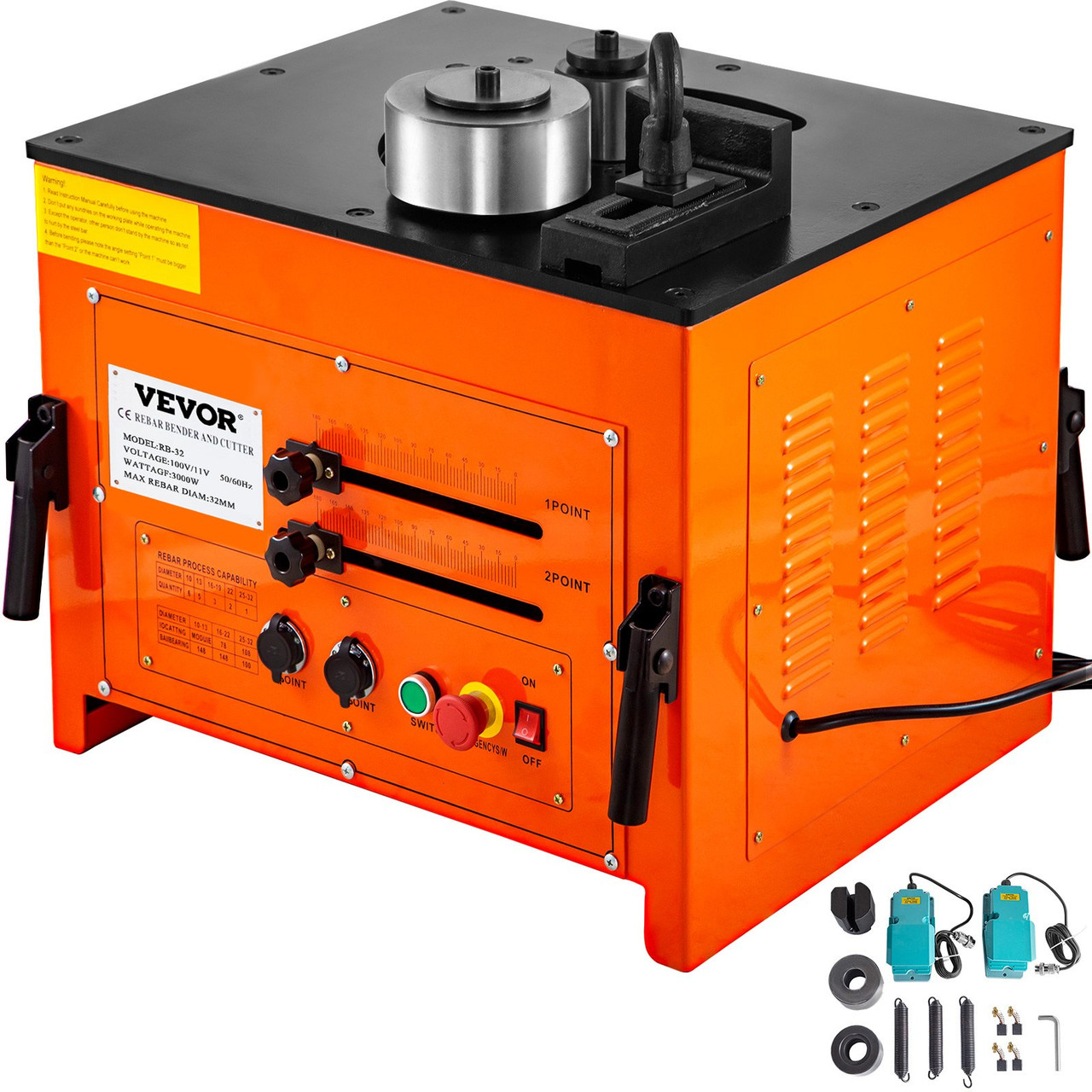
02. Rebar Bending & Cutting Machines

Voltage: 400V (3-Phase) or 220V

Description

Heavy machinery used for fabricating reinforcement steel for the batching plant foundations and ramps.

Downsides & Risks

  • Downside: High torque crushing/amputation hazard combined with electrical risk.
  • Downside: Emergency stops are often mechanical, but electrical control failures can prevent stopping.
Made byBobr AI

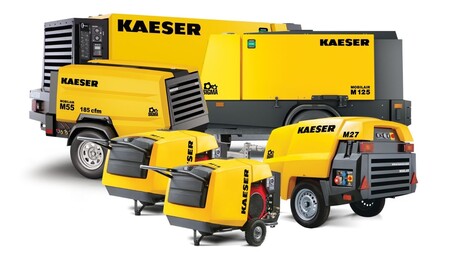
03. Industrial Air Compressors

Voltage: 400V (3-Phase)

Description

Large capacity compressors required for pneumatic tools, cleaning, and testing pneumatic gates during installation.

Downsides & Risks

  • Downside: Automatic start/stop creates unexpected risk during maintenance if not isolated.
  • Downside: High voltage motors generate significant heat and noise; weatherproof connections crucial outdoors.
Made byBobr AI

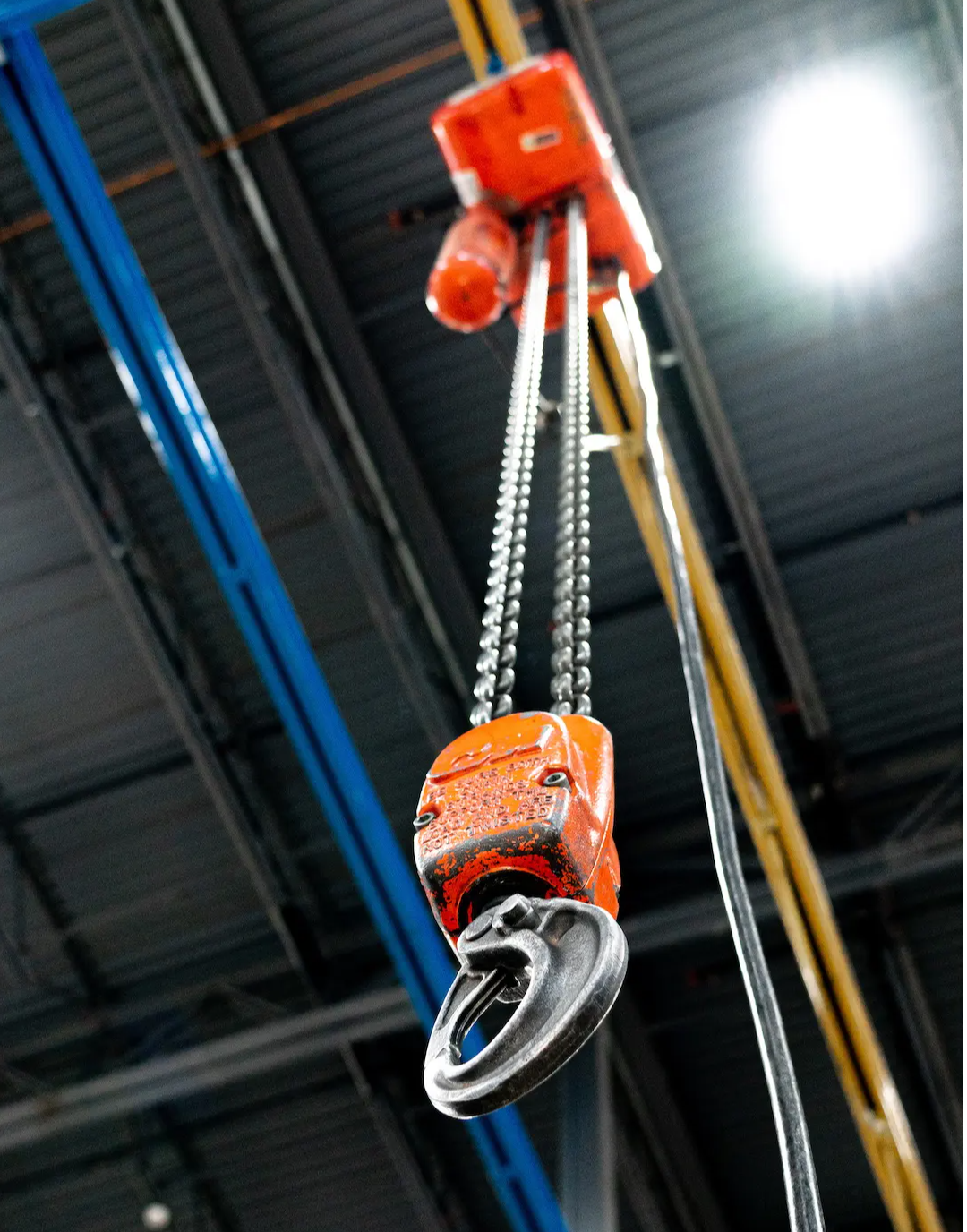
04. Heavy Lifting Winches & Hoists

Voltage: 400V (3-Phase)

Description

Electric chain hoists and winches used to position heavy conveyor belts, motors, and structural steel.

Downsides & Risks

  • Downside: Dependent on long trailing cables which are prone to damage during lifting operations.
  • Downside: Phase reversal can cause limit switches to fail, leading to catastrophic load drops.
Made byBobr AI

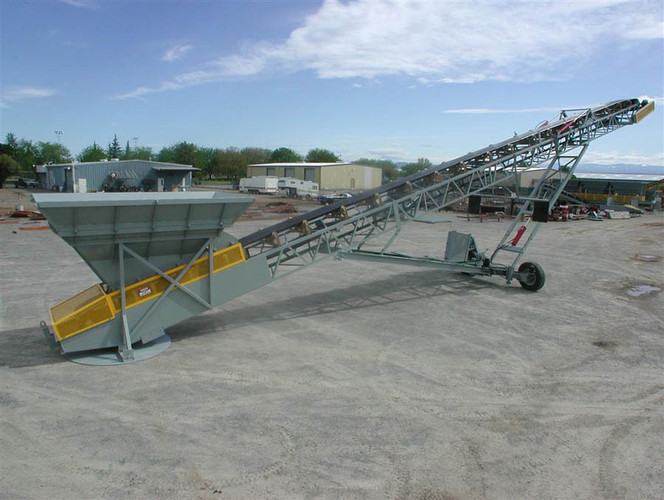
05. Mixer Motors & Conveyor Drives

Voltage: 400V - 600V (3-Phase)

Description

The primary drive units for the Twin Shaft Mixer and Aggregate Conveyors, often temporarily powered for testing during installation.

Downsides & Risks

  • Downside: High inrush current; often accessed before permanent guards are installed.
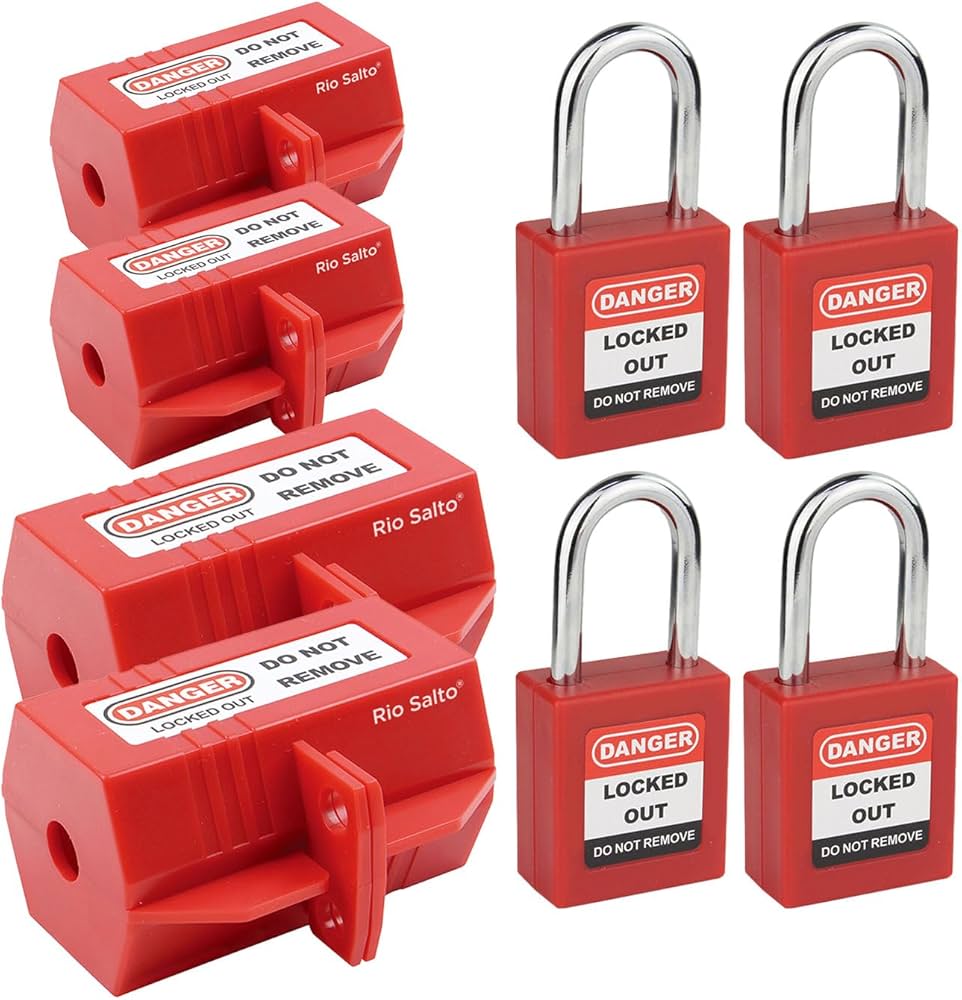
  • Downside: Remote start capability makes LOTO (Lock Out Tag Out) critical to prevent fatal entanglement.
Made byBobr AI

Common Causes of Electrical Incidents (High Voltage)

Chart

Data indicates that procedural failures (Lock Out Tag Out) and grounding issues account for the majority of accidents involving >110V equipment.

Made byBobr AI

Summary of Operational Downsides

Fatal Shock Potential

Unlike 110V (which is center-tapped to earth at 55V), 400V/415V systems deliver full voltage to ground, significantly increasing fatality risk.

Arc Flash

High energy levels in distribution boards can cause explosive arc flashes if shorted by tools or dust.

Cable Management

Heavier cables are harder to route safely, leading to damage from site vehicles (forklifts/trucks) and tripping hazards.

Made byBobr AI

Required Controls & Protections

  • 01. Protection:
    RCD / GFCI Protection: All >110V circuits must have 30mA Residual Current Devices.
  • 02. Physical Safety:
    Cable Armoring: Mechanical protection for all cables running across floors or traffic areas.
  • 03. Hardware:
    Industrial Plugs: Use only IP67 rated (waterproof) IEC 60309 connectors (Red for 400V, Blue for 220V).
  • 04. Administration:
    Permit to Work: Required for any live connection or maintenance work.
Made byBobr AI

Safety First

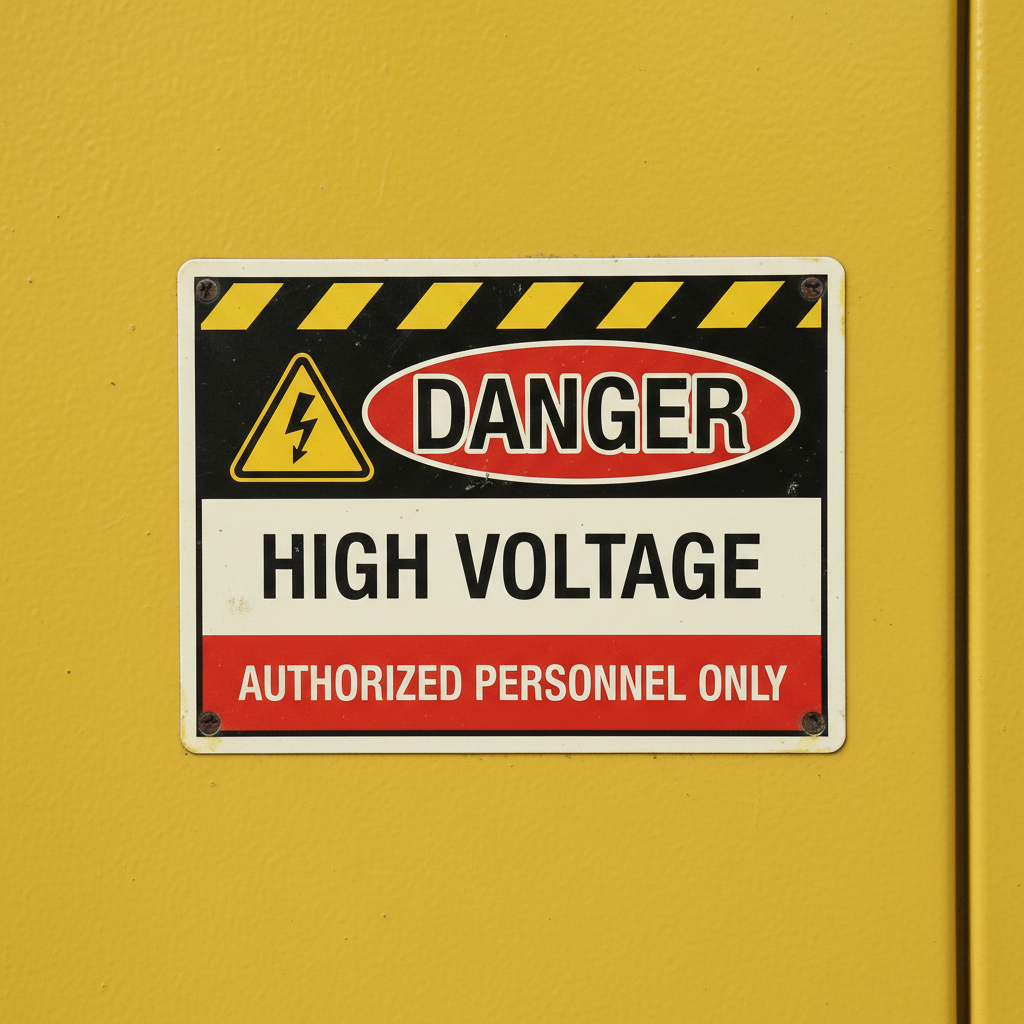
Ensure all High Voltage equipment is tagged, inspected, and operated only by certified personnel.

HSE Department | Batching Plant Installation Project

Made byBobr AI
Bobr AI

DESIGNER-MADE
PRESENTATION,
GENERATED FROM
YOUR PROMPT

Create your own professional slide deck with real images, data charts, and unique design in under a minute.

Generate For Free

High Voltage Safety for Batching Plant Installation

Expert HSE guidelines for handling >110V electrical tools and 3-phase machinery during concrete batching plant setup and installation.

High Voltage Equipment (>110V) in Batching Plant Installation

Inventory, Risks, and HSE Guidelines

Scope & Safety Objectives

Standard construction sites typically mandate 110V tools to reduce shock severity. However, batching plant installation requires heavy industrial equipment operating at 220V, 400V, or 480V (3-Phase). This presentation outlines these specific tools and their inherent downsides/risks.

Identify all >110V equipment employed during installation.

Highlight specific electrical downsides (risks) for HSE awareness.

Establish strict controls for 3-phase machinery.

01. Industrial Static Welding Machines

Voltage: 400V / 415V (3-Phase)

Stationary heavy-duty transformers or inverters used for structural steel assembly of the batching plant silos and mixers.

Downside: Fatal shock hazard on primary side due to high voltage input.

Downside: Requires heavy gauge armored cabling which creates significant trip hazards.

02. Rebar Bending & Cutting Machines

Voltage: 400V (3-Phase) or 220V

Heavy machinery used for fabricating reinforcement steel for the batching plant foundations and ramps.

Downside: High torque crushing/amputation hazard combined with electrical risk.

Downside: Emergency stops are often mechanical, but electrical control failures can prevent stopping.

03. Industrial Air Compressors

Voltage: 400V (3-Phase)

Large capacity compressors required for pneumatic tools, cleaning, and testing pneumatic gates during installation.

Downside: Automatic start/stop creates unexpected risk during maintenance if not isolated.

Downside: High voltage motors generate significant heat and noise; weatherproof connections crucial outdoors.

04. Heavy Lifting Winches & Hoists

Voltage: 400V (3-Phase)

Electric chain hoists and winches used to position heavy conveyor belts, motors, and structural steel.

Downside: Dependent on long trailing cables which are prone to damage during lifting operations.

Downside: Phase reversal can cause limit switches to fail, leading to catastrophic load drops.

05. Mixer Motors & Conveyor Drives

Voltage: 400V - 600V (3-Phase)

The primary drive units for the Twin Shaft Mixer and Aggregate Conveyors, often temporarily powered for testing during installation.

Downside: High inrush current; often accessed before permanent guards are installed.

Downside: Remote start capability makes LOTO (Lock Out Tag Out) critical to prevent fatal entanglement.

Common Causes of Electrical Incidents (High Voltage)

Data indicates that procedural failures (Lock Out Tag Out) and grounding issues account for the majority of accidents involving >110V equipment.

Summary of Operational Downsides

Fatal Shock Potential

Unlike 110V (which is center-tapped to earth at 55V), 400V/415V systems deliver full voltage to ground, significantly increasing fatality risk.

Arc Flash

High energy levels in distribution boards can cause explosive arc flashes if shorted by tools or dust.

Cable Management

Heavier cables are harder to route safely, leading to damage from site vehicles (forklifts/trucks) and tripping hazards.

Required Controls & Protections

RCD / GFCI Protection: All >110V circuits must have 30mA Residual Current Devices.

Cable Armoring: Mechanical protection for all cables running across floors or traffic areas.

Industrial Plugs: Use only IP67 rated (waterproof) IEC 60309 connectors (Red for 400V, Blue for 220V).

Permit to Work: Required for any live connection or maintenance work.

Safety First

Ensure all High Voltage equipment is tagged, inspected, and operated only by certified personnel.

HSE Department | Batching Plant Installation Project

  • electrical-safety
  • batching-plant
  • hse-guidelines
  • industrial-equipment
  • 3-phase-power
  • construction-safety
  • loto