






Understanding the Greenhouse Effect and Climate Change
Learn about the greenhouse effect, rising CO2 levels, human impacts on climate, and renewable energy solutions in this comprehensive guide.
The Greenhouse Effect
Understanding Our Atmosphere's Delicate Balance
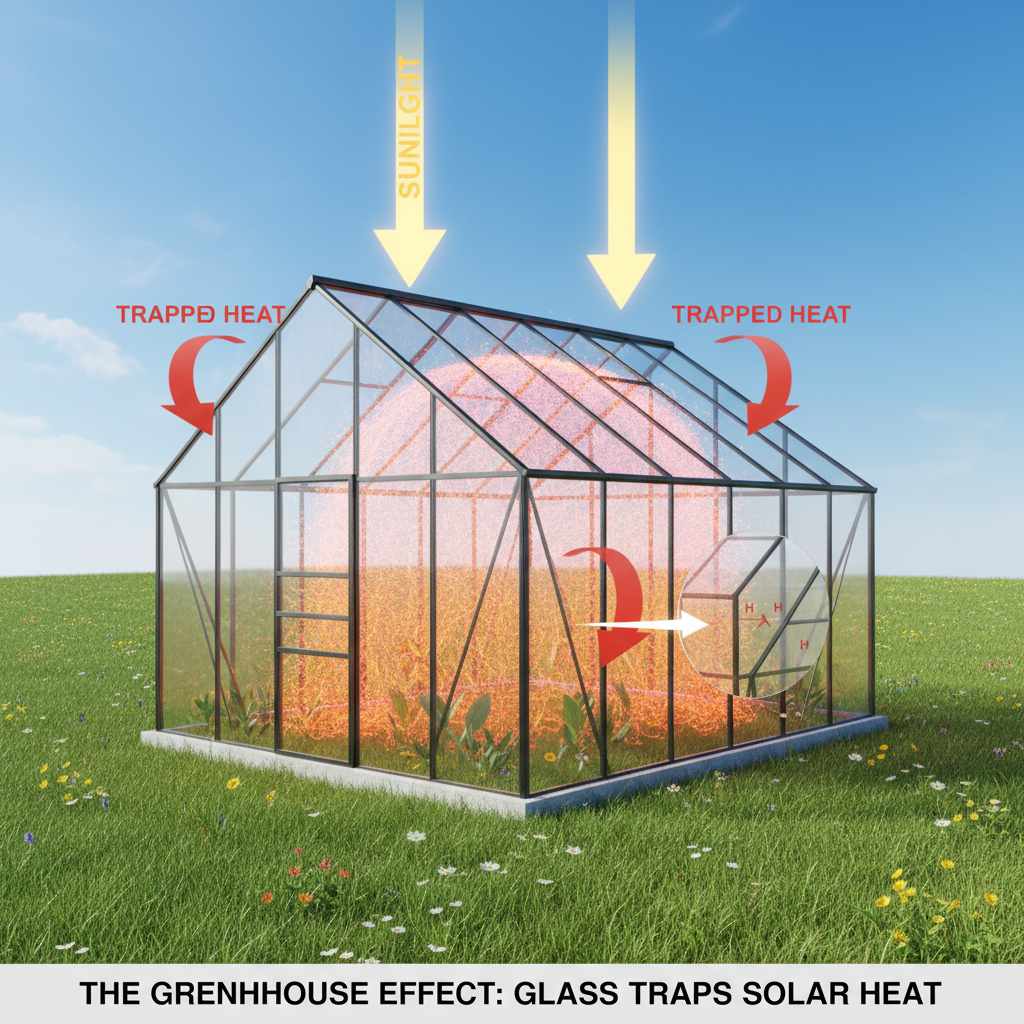
What is the Greenhouse Effect?
A natural process that maintains Earth's temperature for life.
Atmospheric gases trap reflected heat from the surface.
Without it, Earth would be too cold to support existing ecosystems.
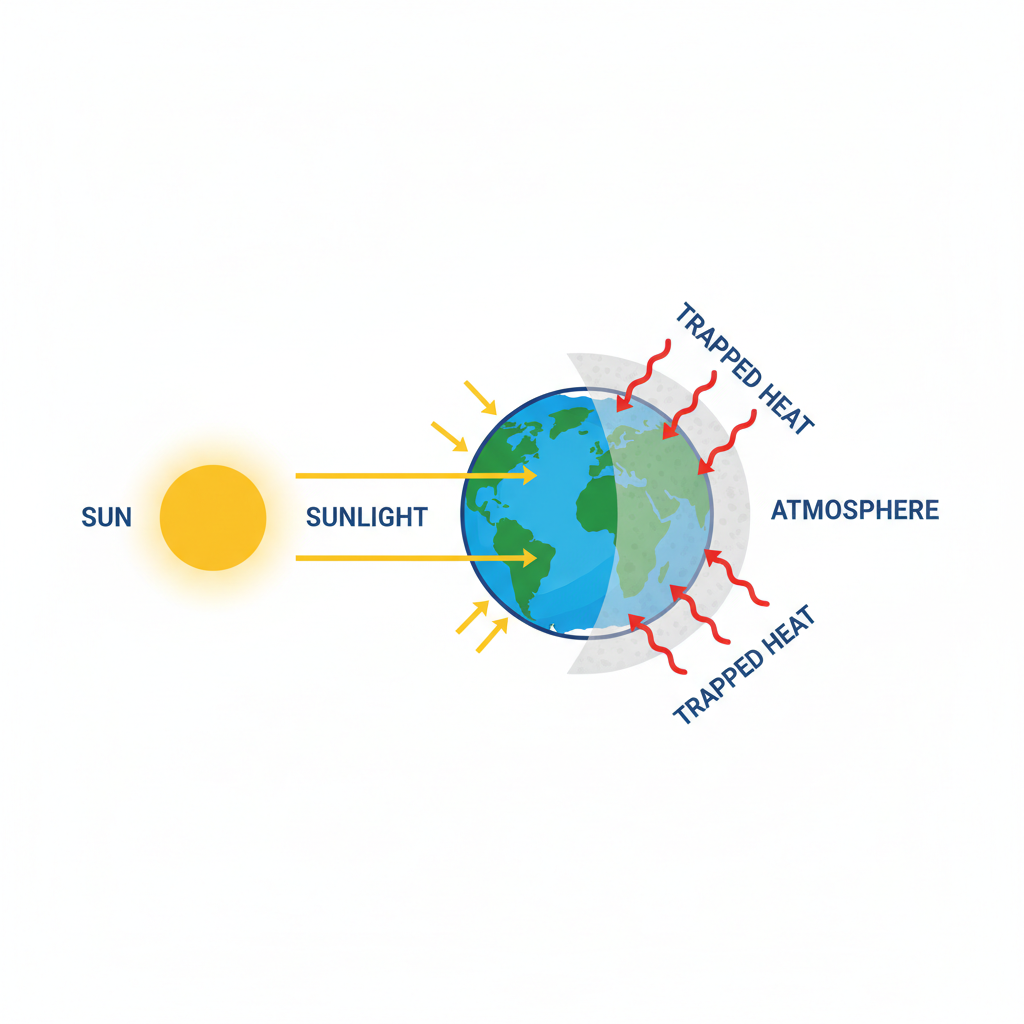
How It Works: The Energy Balance
1. Sunlight enters the atmosphere and warms Earth's surface.
2. The surface releases energy back as heat (infrared).
3. Greenhouse gases (GHGs) absorb and re-radiate this heat.
The Keeling Curve (1960 - 2024)
Atmospheric CO₂ has risen from ~316 ppm to ~425 ppm since measurements began. This acceleration correlates with industrialization.
Human Causes of Enhanced Warming
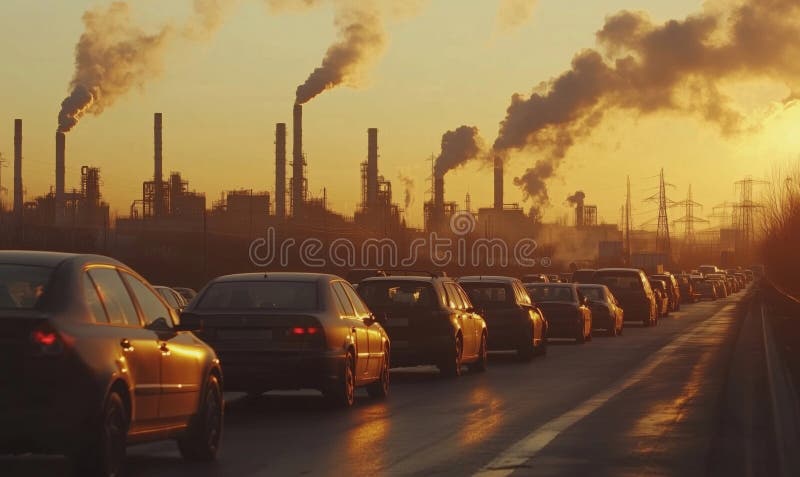
Fossil Fuels
Coal, oil, and gas for electricity and transport release massive CO₂.
Deforestation
Removing trees reduces nature's ability to absorb CO₂.
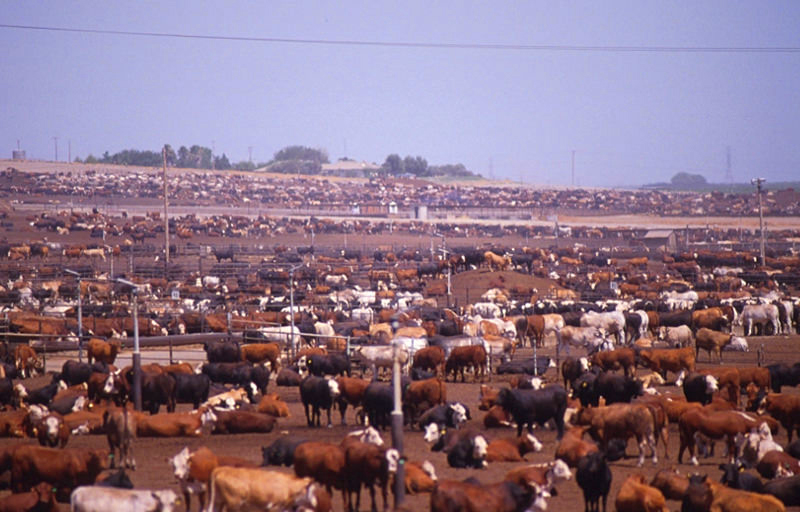
Agriculture
Livestock and fertilizers produce Methane (CH₄) and Nitrous Oxide.
Environmental Impacts
As global temperatures rise, we observe rapid changes in our cryosphere and oceans. Glaciers are retreating at unprecedented rates, contributing to sea-level rise that threatens coastal communities.
Extreme Weather Events
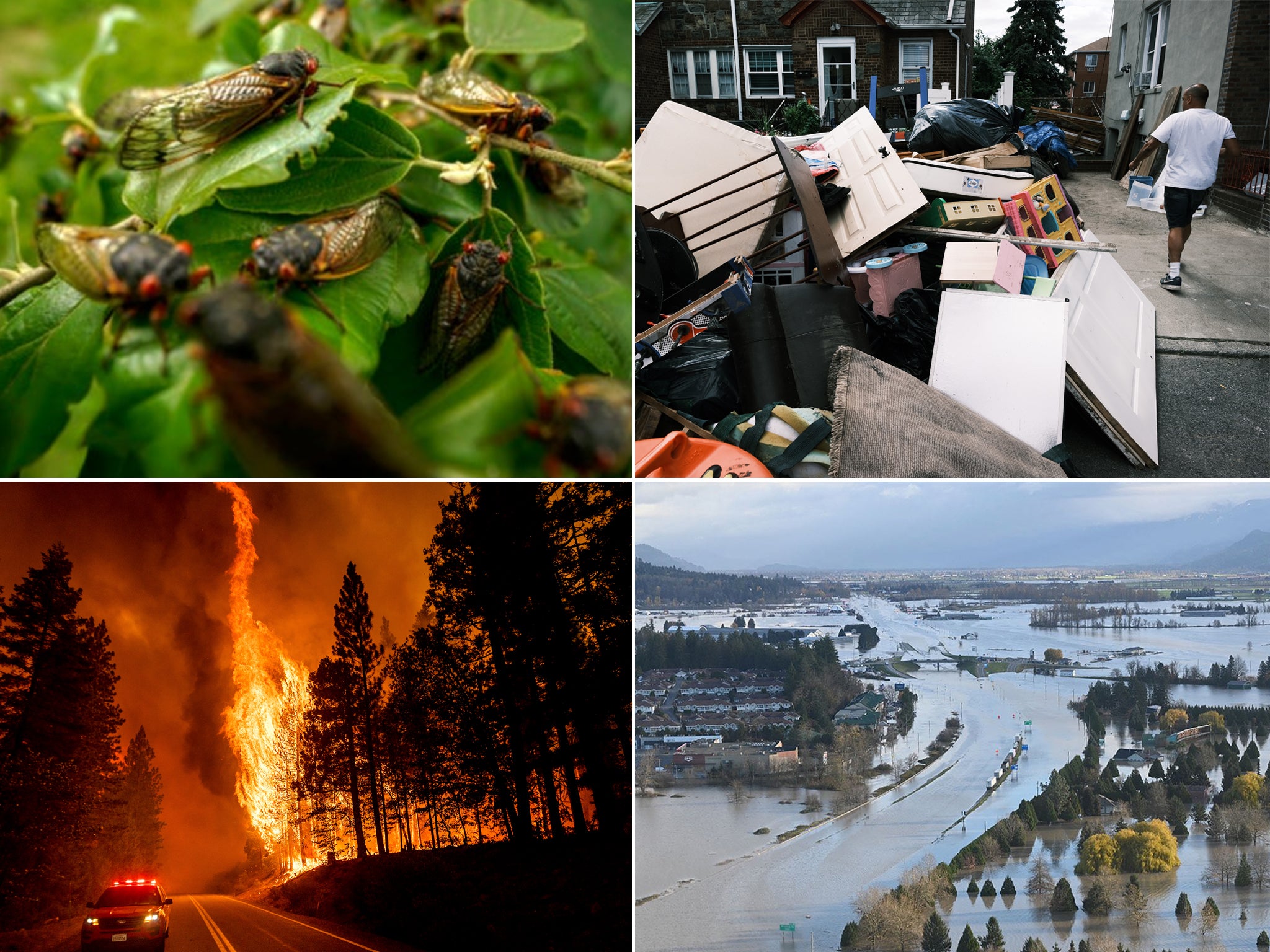
A warmer atmosphere holds more moisture and energy, leading to more frequent and intense disasters.
Solution: Transition to Renewables
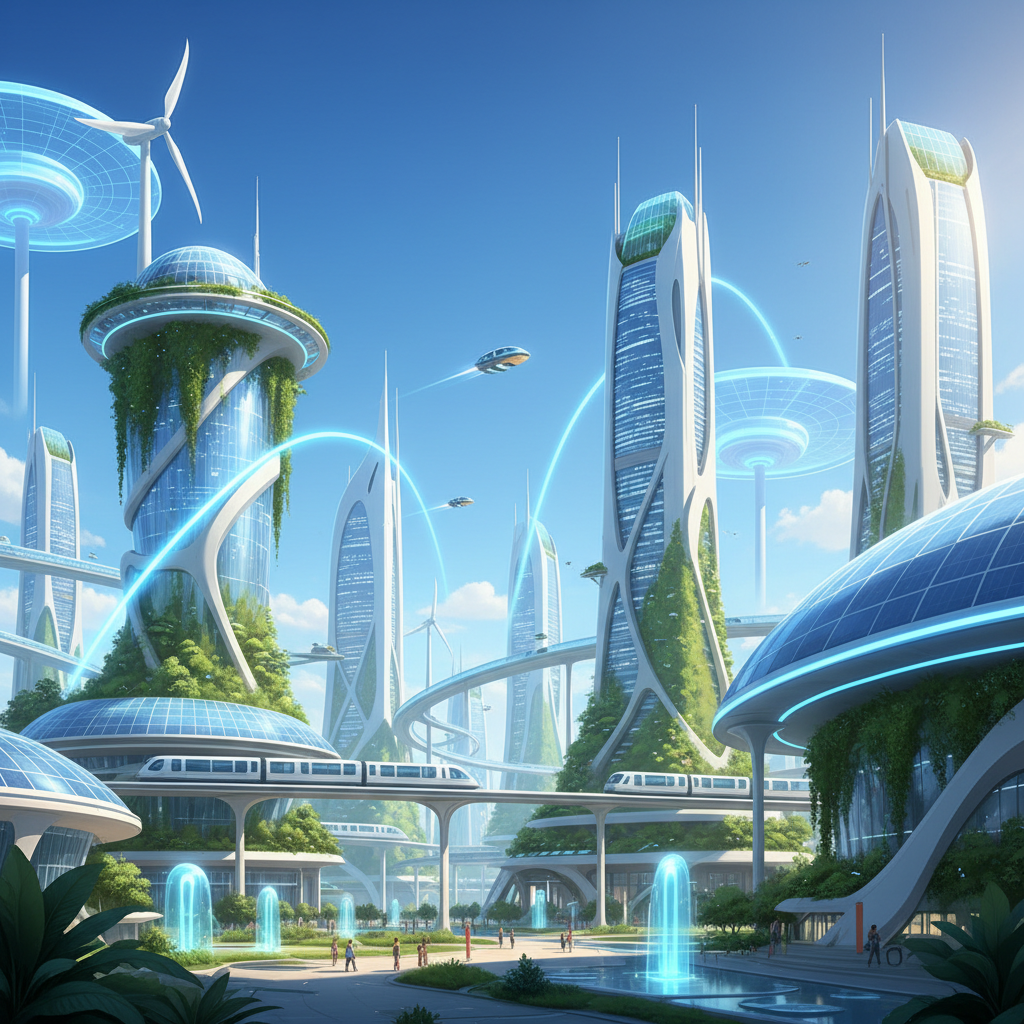
Solar & Wind: Clean energy sources that emit zero greenhouse gases during operation.
Electrification: Switching cars and heating systems to electric reduces reliance on oil and gas.
Solution: Nature-Based Action
Forests and oceans are natural 'carbon sinks'. Protecting them is crucial.
Reforestation
Conservation
A Sustainable Future is Possible
Reducing emissions today leads to a stable climate tomorrow. Every action counts.
- climate-change
- greenhouse-effect
- sustainability
- renewable-energy
- co2-emissions
- environmental-science