

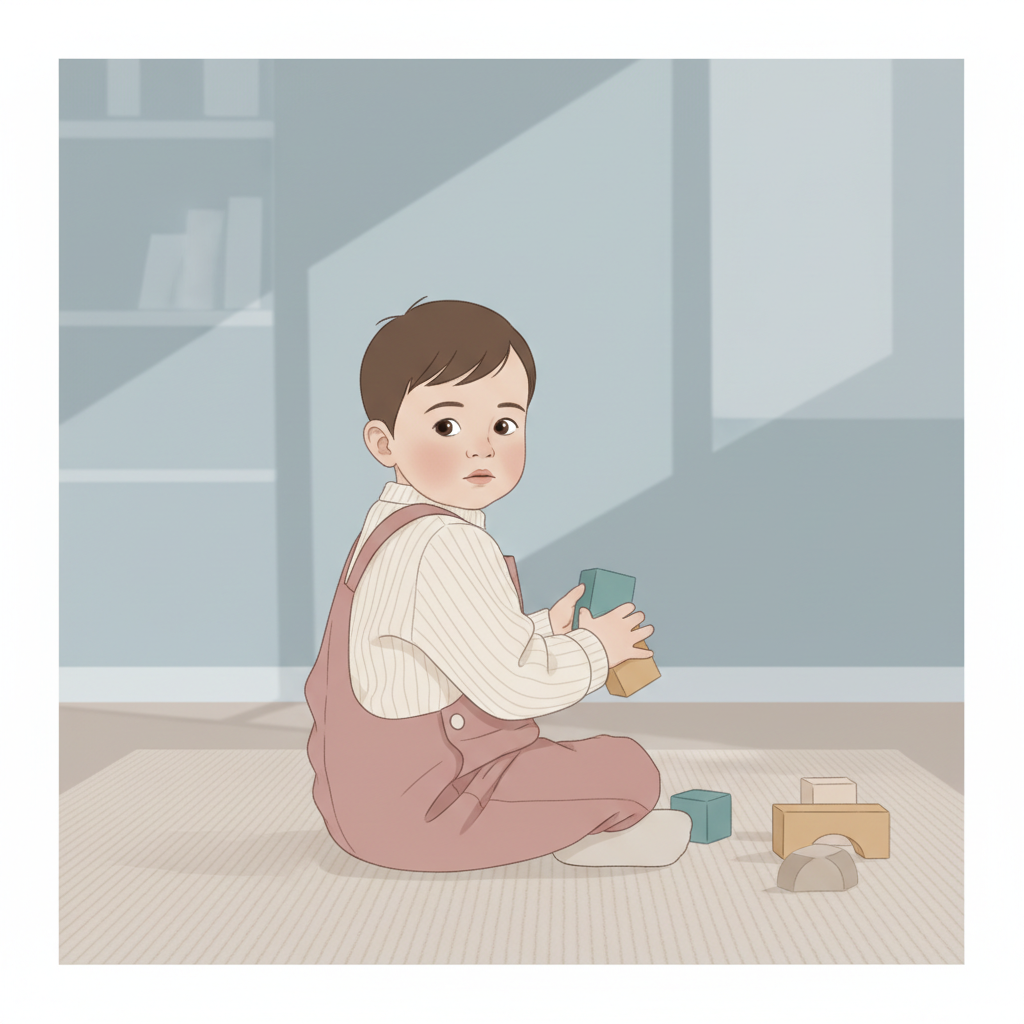


Impact of Divorce on Child Development and Mental Health
Explore how developmental stages and conflict levels shape a child's response to divorce, featuring research data on academic and psychological outcomes.
Divorce: Separate Risks, Distinct Drivers
Thesis: Developmental Stage dictates the Struggle; Conflict Level dictates the Recovery.
The Dual-Driver Model
IMMEDIATE IMPACT
Determined by DEVELOPMENTAL STAGE at the time of separation.
LONG-TERM RECOVERY
Determined by the INTENSITY & DURATION OF CONFLICT.
The Baseline: Effect Sizes Across Domains
Meta-analyses (Amato, 2001; 2010) show persistent but variable gaps between children of divorce vs. intact families. Note that while effect sizes (d) are 'small to moderate', they represent significant population-level shifts.
Early Childhood (0-5 Years)
Mechanism: Regression & Attachment Security
Cognitive Limit: Cannot understand causality; often internalize 'badness'.
Symptom: Developmental regression (toileting, sleep, language).
School Impact: Higher separation anxiety at drop-off.
School Age (6-12 Years): The Academic Dip
While most effects plateau, reading comprehension shows a specific vulnerability. Data indicates gaps can widen over time rather than close, likely due to cumulative loss of home enrichment/monitoring.
Adolescence (13-18): Independence vs. Acting Out
Accelerated Independence
Teens may disengage from the family unit entirely ('pseudo-maturity') to avoid home conflict.
Externalizing Behaviors
Higher risk of substance use and lowered academic monitoring. Gender split: Boys tend to act out; Girls tend to internalize.
The Long-Term Driver: Conflict
It is not the separation that predicts long-term pathology; it is the sustained exposure to hostility.
Overt Conflict
Verbal aggression, physical fighting, legal battles visible to the child. Creates acute 'fight or flight' stress response.
Covert Conflict
Triangulation ('Tell your father...'), disparagement, using the child as a spy. Creates loyalty binds and deep confusion.
Long-Term Outcomes: Depression Risks
Adults who experienced parental divorce exhibit higher odds of depressive episodes. However, when controlling for conflict, 'Low Conflict Divorce' outcomes improve significantly.
The Role of Schools: The Buffer Zone
Provide Neutrality
School is the one place where they are not 'Mom's Child' or 'Dad's Child'—they are simply a student.
Ensure Consistency
When home rules are in flux or contradictory, classroom structure provides necessary psychological safety.
Monitor Academic Shift
Early intervention in reading/homework completion prevents the 'Matthew Effect' (gaps widening).
Final Advocacy
Address the Stage. Mitigate the Conflict.
Our goal is not to prevent divorce, but to prevent the toxicity that surrounds it. Teachers and counselors are the frontline defense against long-term scars.
- child-development
- divorce-impact
- mental-health
- educational-psychology
- parenting-conflict
- academic-achievement