


Made byBobr AI

Engineering Lifecycle: Installation, Maintenance & Repair

Learn engineering best practices for system installation, fault diagnosis, and lifecycle management. A technical guide to industrial maintenance strategies.

#engineering#maintenance-management#fault-finding#system-optimization#industrial-engineering#oem-standards#preventive-maintenance
Watch
Pitch

Engineering Lifecycle Operations

A Technical Analysis of Installation, Maintenance, Configuration, and Repair

Assessment & Methodology Overview

Made byBobr AI

Scope & Requirements Definition

  • Defining Scope: Explicitly stating system boundaries, exclusions, and deliverables before engineering work begins.
  • Functional Requirements: The system must perform specific tasks (e.g., 'Pump flow rate of 500L/min').
  • Non-Functional Requirements: Constraints such as safety standards (ISO), environmental limits, and power consumption.
Made byBobr AI

Assembly & Disassembly Protocols

Assembly and disassembly require strict adherence to manufacturer specifications (OEM) to prevent component fatigue or failure. Key engineering considerations include torque settings, sequence patterns, and clean environments.

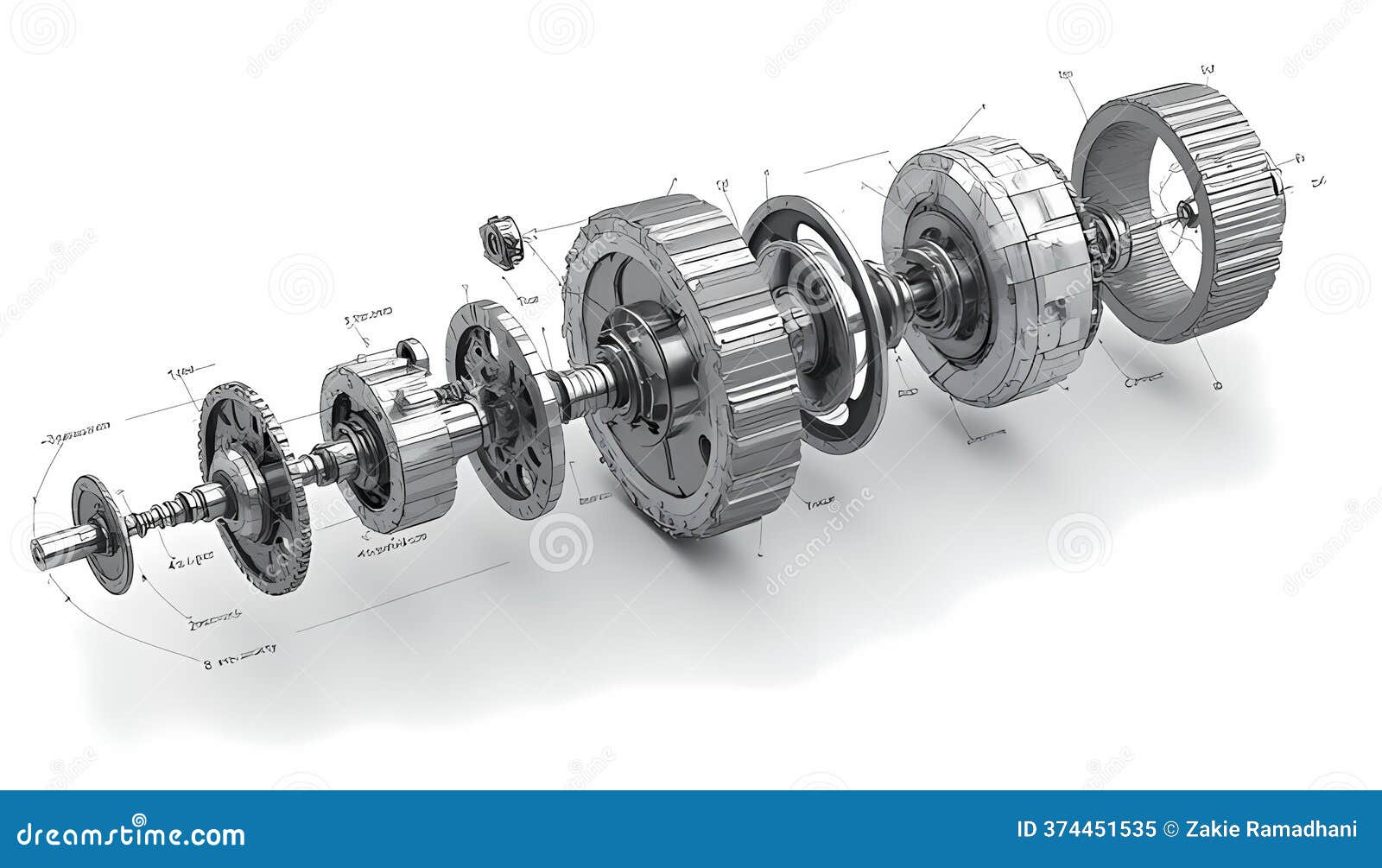
Exploded Views: Understanding component hierarchy.
Tolerance Checks: Verifying interference vs. clearance fits.
Tooling: Using specialized extractors or presses to avoid damage.
Made byBobr AI
Installation & Re-Installation

Initial Installation

Involves site preparation, leveling, alignment (e.g., laser shaft alignment), and anchoring. It requires validation of power sources and environmental conditions (temperature/humidity control).

Re-Installation

Occurs after major off-site repair or relocation. Critical step: Inspecting mating surfaces for wear and ensuring new gaskets/seals are used. The 'As-Left' condition must match original OEM specs.

Made byBobr AI

Configuration vs. Modification

Configuration

Adjusting variable parameters within the system's design capabilities.

Ex: PID loop tuning, IP address setup.

Modification

Altering the physical makeup or core logic, changing the system's nature.

Ex: Drilling new ports, retrofitting larger motors.
Changes must be documented via 'Management of Change' (MOC) procedures.
Chart
Made byBobr AI

Fault Finding Strategies

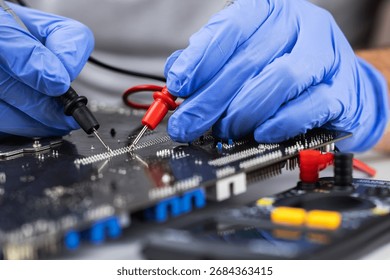
Half-Split Method: Dividing the system flow in half to isolate the error to an upstream or downstream section.
Input/Output Verification: Validating that the signal entering a module produces the expected output. If Input=Good and Output=Bad, the unit is faulty.
Substitution: Replacing a suspected component with a known good part to observe system behavior.
Made byBobr AI

Repairs: Corrective Maintenance

Standard Repair Procedure

1. Isolation & Safety (Lock Out Tag Out)
2. Damage Assessment & Parts Procurement
3. Component Replacement/Refurbishment
4. Testing & Validation (Return to Service)
Made byBobr AI

Lifecycle Management: Upgrades & Downgrades

▲ UPGRADE

Improving system performance or efficiency.
Drivers: Obsolescence, energy efficiency regulatory changes, throughput demands.

▼ DOWNGRADE

Reverting to a previous state or simplifying specs.
Drivers: Compatibility issues with legacy systems, budget cuts, or stability problems in 'bleeding edge' updates.

Made byBobr AI

Identifying Issues & Good Practices

Documentation: Always update schematics and logs immediately after changes.
Cleanliness: Contamination is the #1 cause of mechanical failure (e.g., dust in bearings).
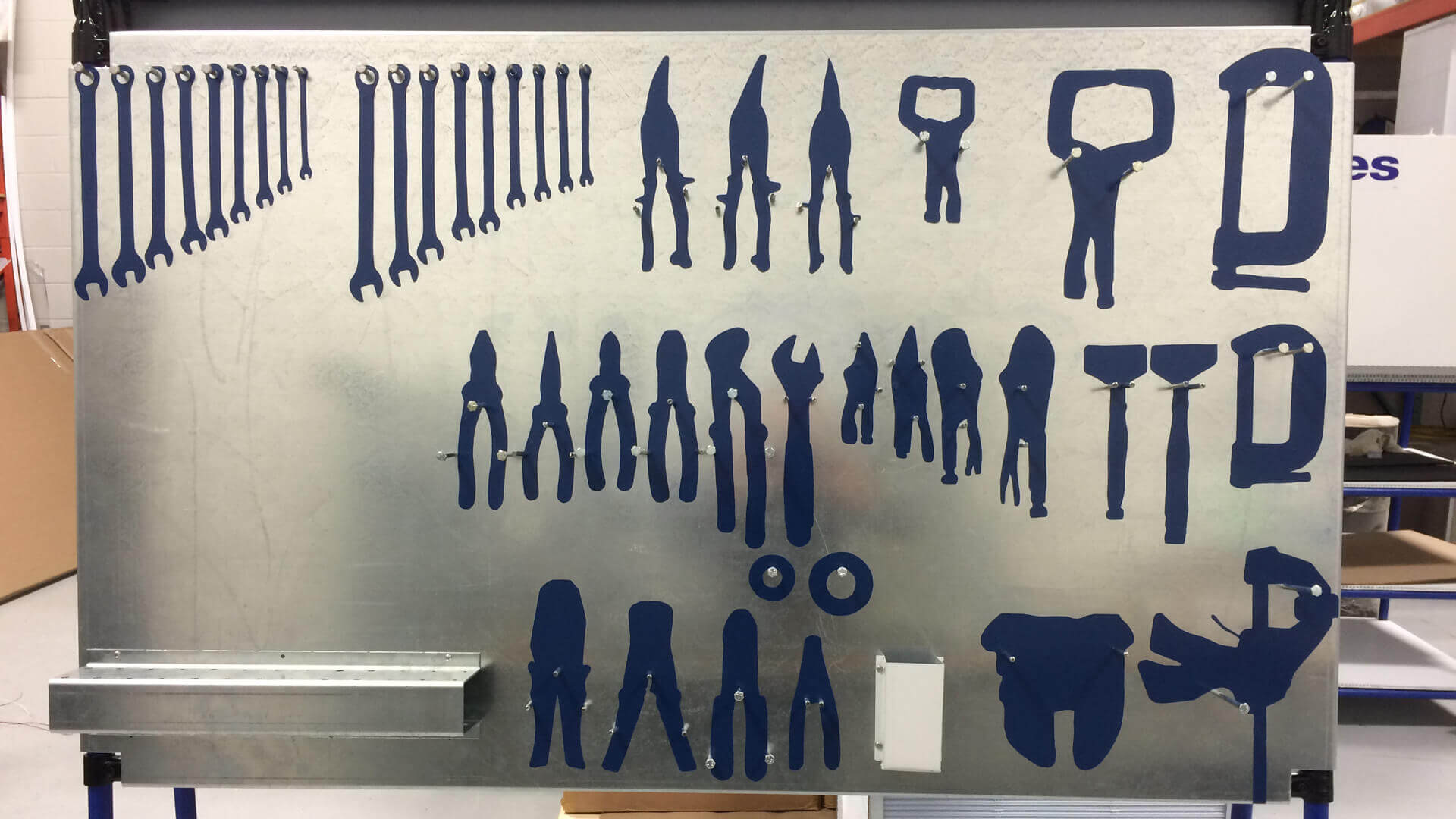
Tool Control: Use calibrated tools and shadow boards to prevent Foreign Object Debris (FOD).
Made byBobr AI

Real World Relevance: The Cost of Inaction

Maintenance strategies directly impact operational expenditure. Reactive maintenance often costs 2-3x more than planned strategies due to emergency overtime, expedited shipping, and lost production.

Chart
Made byBobr AI

Assessment Summary

Engineering proficiency requires a holistic understanding of the equipment lifecycle. From interpreting Requirements to executing precise Repairs and Configurations, every step minimizes risk and maximizes efficiency.

★ Diagnosis before disassembly saves time.

★ Documentation is as critical as the repair itself.

Made byBobr AI
Bobr AI

DESIGNER-MADE
PRESENTATION,
GENERATED FROM
YOUR PROMPT

Create your own professional slide deck with real images, data charts, and unique design in under a minute.

Generate For Free

Engineering Lifecycle: Installation, Maintenance & Repair

Learn engineering best practices for system installation, fault diagnosis, and lifecycle management. A technical guide to industrial maintenance strategies.

Engineering Lifecycle Operations

A Technical Analysis of Installation, Maintenance, Configuration, and Repair

Assessment & Methodology Overview

Scope & Requirements Definition

<strong>Defining Scope:</strong> Explicitly stating system boundaries, exclusions, and deliverables before engineering work begins.

<strong>Functional Requirements:</strong> The system must perform specific tasks (e.g., 'Pump flow rate of 500L/min').

<strong>Non-Functional Requirements:</strong> Constraints such as safety standards (ISO), environmental limits, and power consumption.

Assembly & Disassembly Protocols

Assembly and disassembly require strict adherence to manufacturer specifications (OEM) to prevent component fatigue or failure. Key engineering considerations include torque settings, sequence patterns, and clean environments.

<strong>Exploded Views:</strong> Understanding component hierarchy.

<strong>Tolerance Checks:</strong> Verifying interference vs. clearance fits.

<strong>Tooling:</strong> Using specialized extractors or presses to avoid damage.

Installation & Re-Installation

Initial Installation

Involves site preparation, leveling, alignment (e.g., laser shaft alignment), and anchoring. It requires validation of power sources and environmental conditions (temperature/humidity control).

Re-Installation

Occurs after major off-site repair or relocation. Critical step: Inspecting mating surfaces for wear and ensuring new gaskets/seals are used. The 'As-Left' condition must match original OEM specs.

Configuration vs. Modification

Adjusting variable parameters within the system's design capabilities.

Altering the physical makeup or core logic, changing the system's nature.

Changes must be documented via 'Management of Change' (MOC) procedures.

Fault Finding Strategies

<strong>Half-Split Method:</strong> Dividing the system flow in half to isolate the error to an upstream or downstream section.

<strong>Input/Output Verification:</strong> Validating that the signal entering a module produces the expected output. If Input=Good and Output=Bad, the unit is faulty.

<strong>Substitution:</strong> Replacing a suspected component with a known good part to observe system behavior.

Repairs: Corrective Maintenance

Standard Repair Procedure

1. Isolation & Safety (Lock Out Tag Out)

2. Damage Assessment & Parts Procurement

3. Component Replacement/Refurbishment

4. Testing & Validation (Return to Service)

Lifecycle Management: Upgrades & Downgrades

Improving system performance or efficiency.<br><strong>Drivers:</strong> Obsolescence, energy efficiency regulatory changes, throughput demands.

Reverting to a previous state or simplifying specs.<br><strong>Drivers:</strong> Compatibility issues with legacy systems, budget cuts, or stability problems in 'bleeding edge' updates.

▲ UPGRADE

▼ DOWNGRADE

Identifying Issues & Good Practices

<strong>Documentation:</strong> Always update schematics and logs immediately after changes.

<strong>Cleanliness:</strong> Contamination is the #1 cause of mechanical failure (e.g., dust in bearings).

<strong>Tool Control:</strong> Use calibrated tools and shadow boards to prevent Foreign Object Debris (FOD).

Real World Relevance: The Cost of Inaction

Maintenance strategies directly impact operational expenditure. Reactive maintenance often costs 2-3x more than planned strategies due to emergency overtime, expedited shipping, and lost production.

Assessment Summary

Engineering proficiency requires a holistic understanding of the equipment lifecycle. From interpreting <strong>Requirements</strong> to executing precise <strong>Repairs</strong> and <strong>Configurations</strong>, every step minimizes risk and maximizes efficiency.

Diagnosis before disassembly saves time.

Documentation is as critical as the repair itself.

  • engineering
  • maintenance-management
  • fault-finding
  • system-optimization
  • industrial-engineering
  • oem-standards
  • preventive-maintenance