

Made byBobr AI

Life Science: Exploring Creation and the Scientific Method

Learn about the diversity of life, the scientific method, and biological classification through a blend of faith and science.

#life-science#biology#scientific-method#creation#taxonomy#living-things#education#science-and-faith
Watch
Pitch

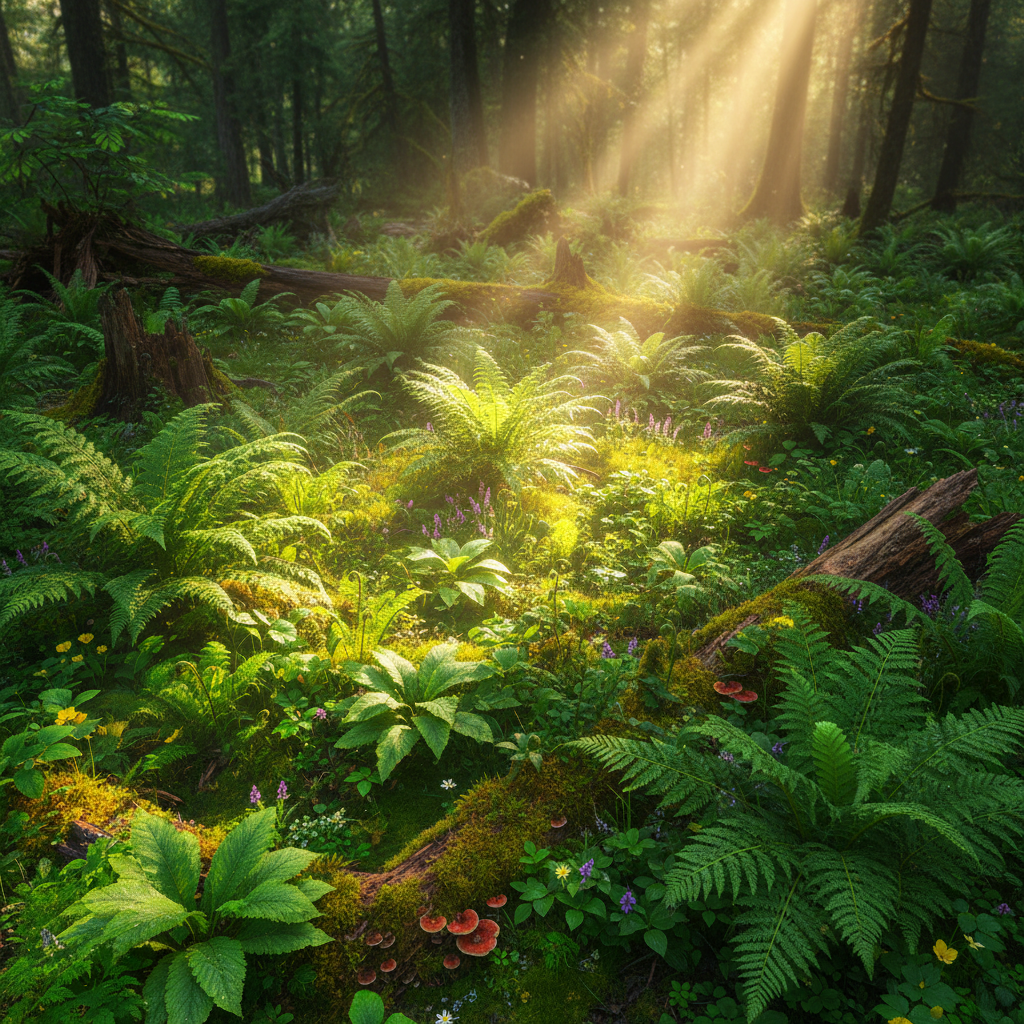
Life Science: Exploring God's World

Creation, The Scientific Method, and the Diversity of Life

Made byBobr AI

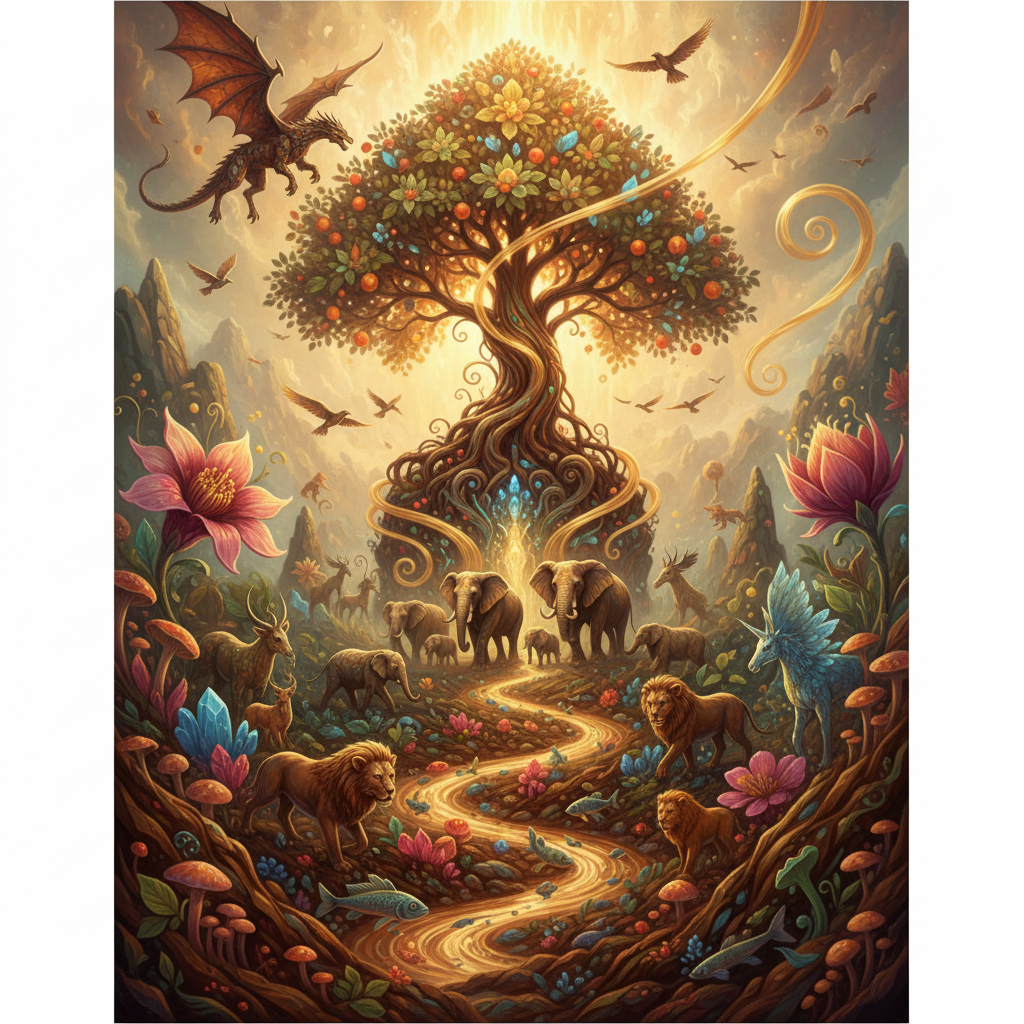
The Origin of Life: A Biblical Foundation

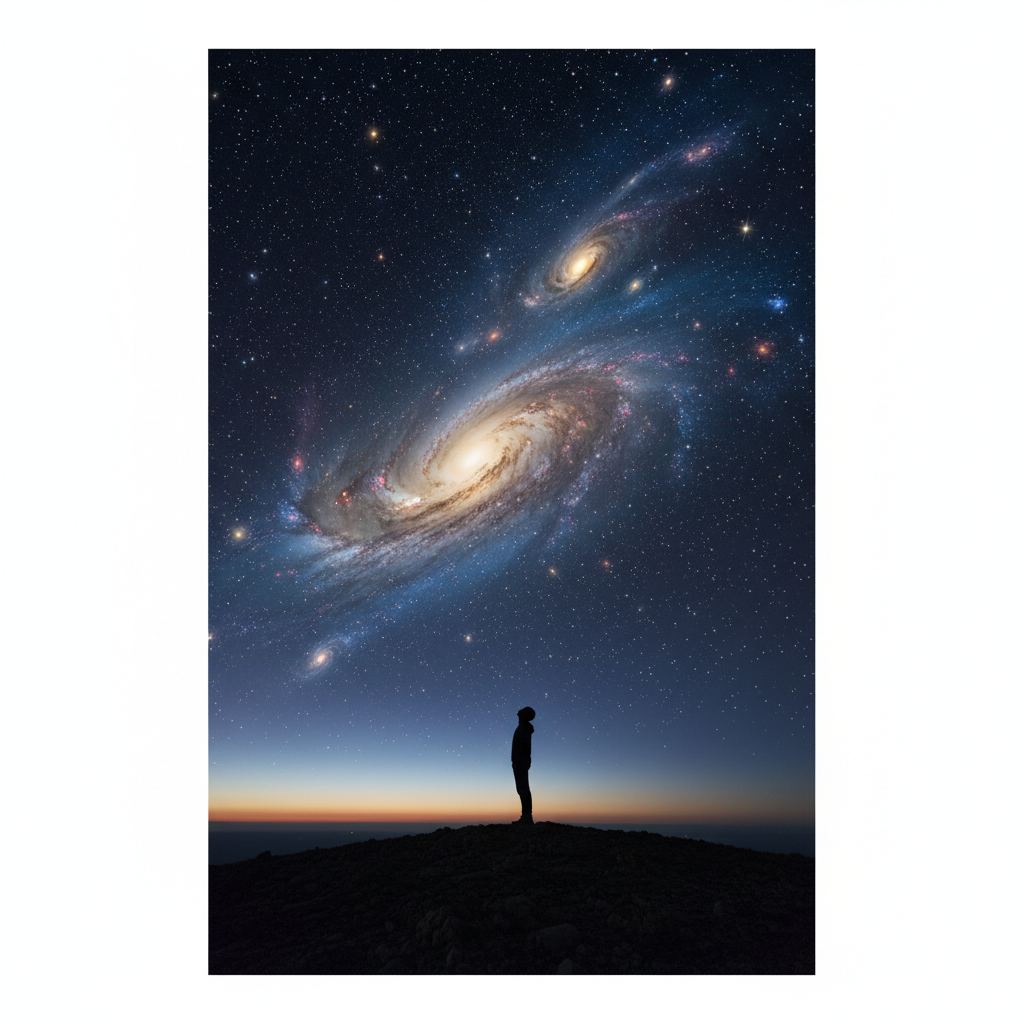
"And God said, Let the earth bring forth living creatures according to their kinds... And it was so." - Genesis 1:24

  • Life is not an accident; it is the purposeful work of a Creator.
  • Biological complexity reflects intelligent design.
Made byBobr AI

Studying God's Creation: The Scientific Method

What is it?
A systematic way of learning about the world through observation and experimentation.

Faith Connection:
Early scientists like Kepler and Newton believed that doing science was 'thinking God's thoughts after Him'. They studied the natural laws God established.

Made byBobr AI

Steps of the Scientific Method

1. Ask a Question

Based on observation of the natural world.

💡

2. Form a Hypothesis

An educated prediction (If... then...)

⚗️

3. Experiment

Test the hypothesis with controlled variables.

📊

4. Analyze & Conclude

Look at the data. Was the hypothesis correct?

Made byBobr AI

Example: Plant Growth Experiment

Hypothesis: Plants grow taller with more sunlight hours. We measured growth over 2 weeks.

Chart
Made byBobr AI

Characteristics of Living Things

Biologists use a set of criteria to determine if something is alive. We often use the acronym MRS GREN:

• Movement
• Respiration
• Sensitivity (Response)
• Growth
• Reproduction
• Excretion
• Nutrition
Made byBobr AI

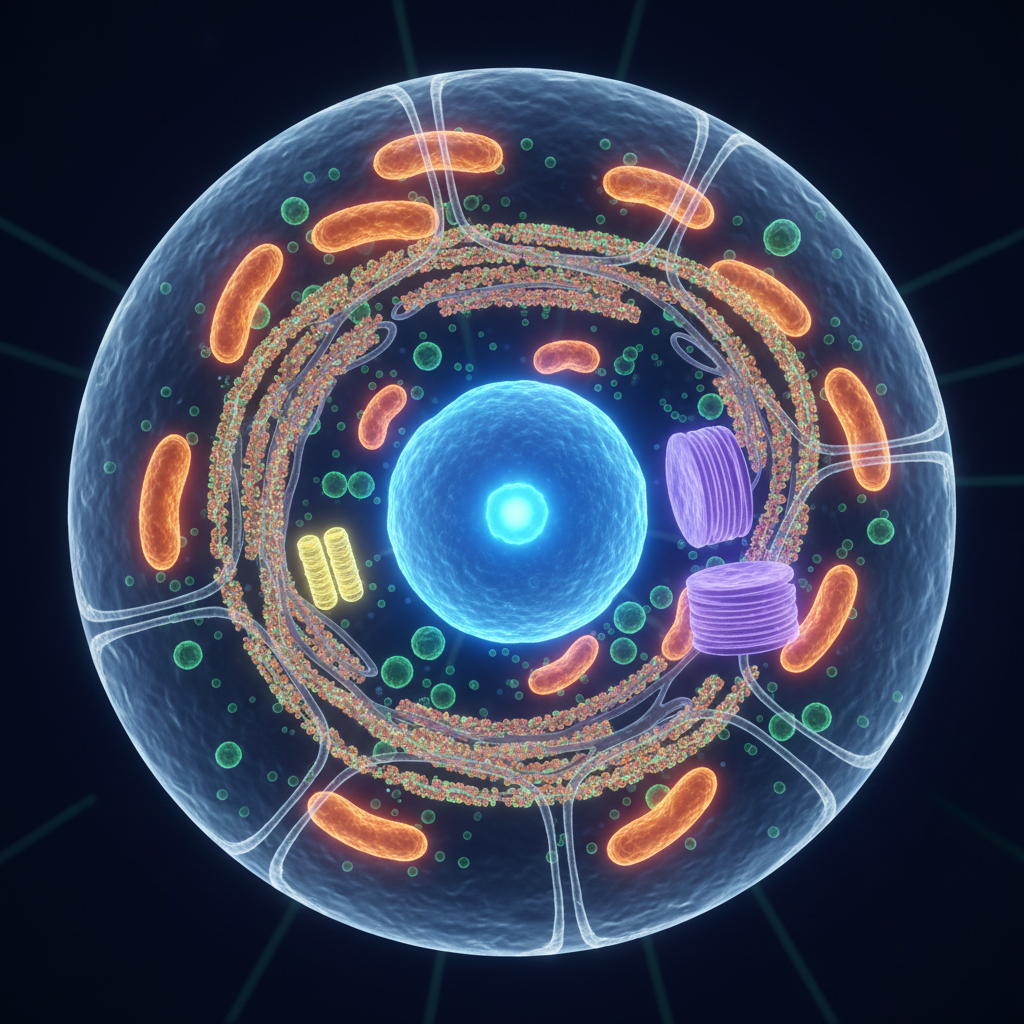
The Basic Unit of Life: Cells

  • All living things are made of cells.
  • Cells are the building blocks of life.

Even a single cell is incredibly complex, acting like a miniature factory. This complexity points to an intelligent Architect.

Made byBobr AI

Classifying God's Creatures

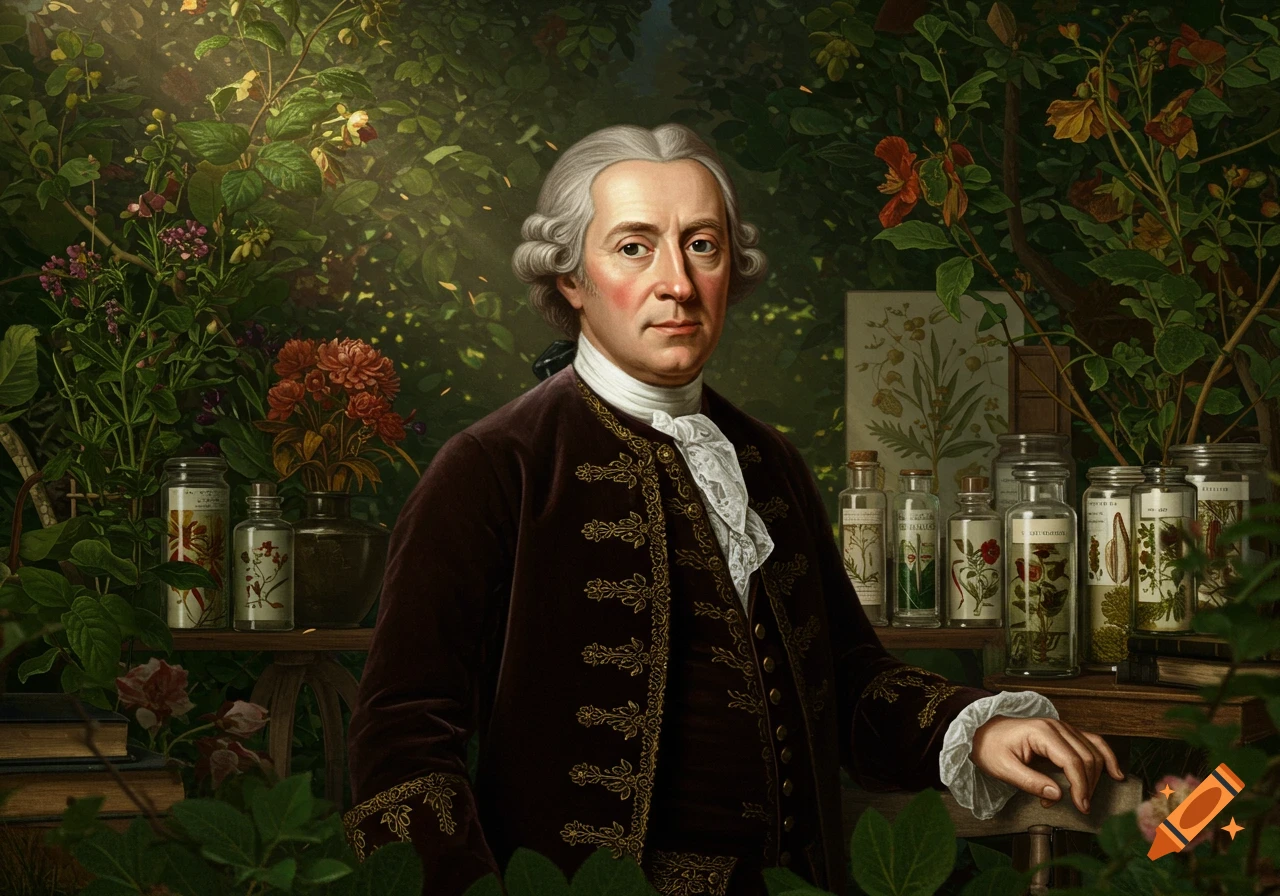
Taxonomy is the science of naming and classifying organisms. This system was popularized by Carl Linnaeus, a devout Christian who sought to organize the 'System of Nature' to reveal God's order.

Carl Linnaeus (1707–1778)

Made byBobr AI

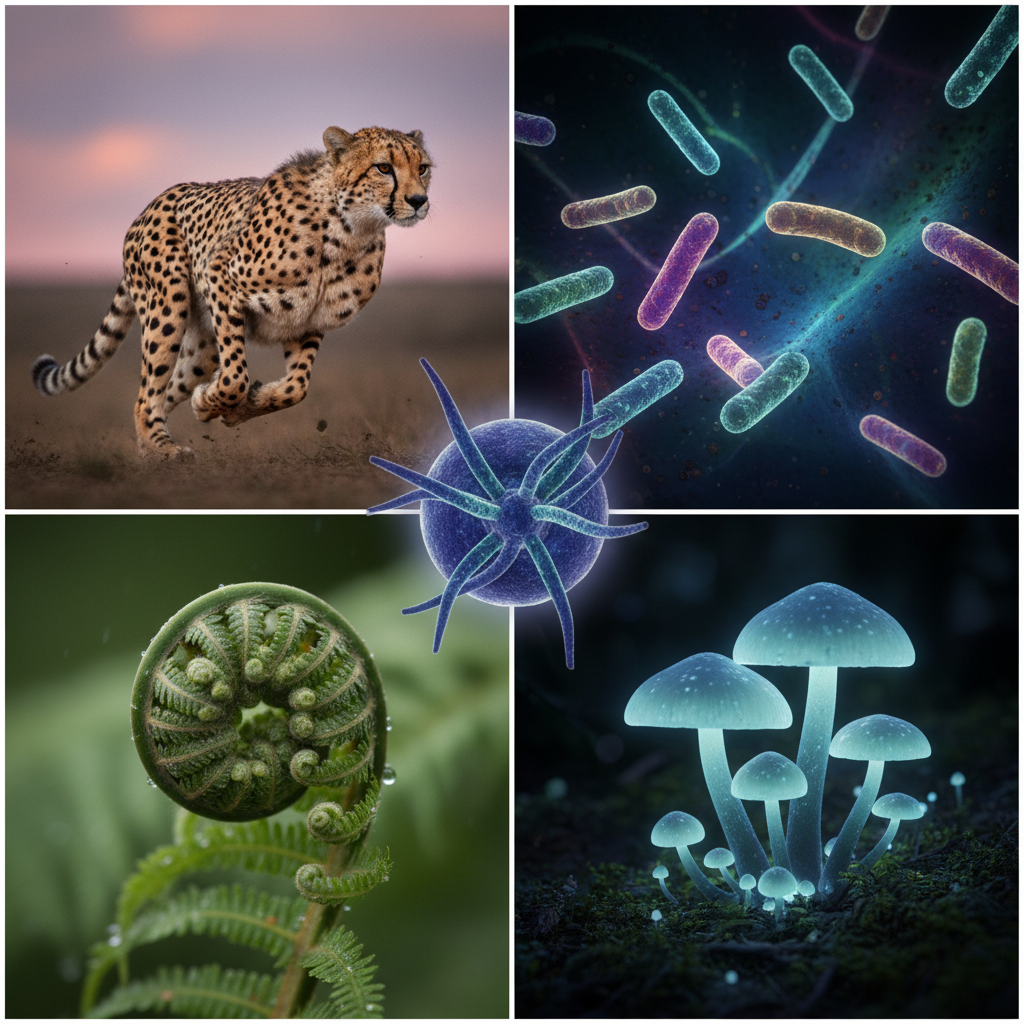
The 6 Kingdoms of Life

Archaebacteria
Eubacteria
Protista
Fungi
Plantae
Animalia
Chart
Made byBobr AI

Are Humans Just Animals?

Biologically: Humans are classified in Kingdom Animalia (Mammals).

Biblically: Humans are unique. We are made in the 'Image of God' (Imago Dei).

We have a spiritual nature, moral conscience, and the capacity for a relationship with God.

Made byBobr AI

Science as Stewardship

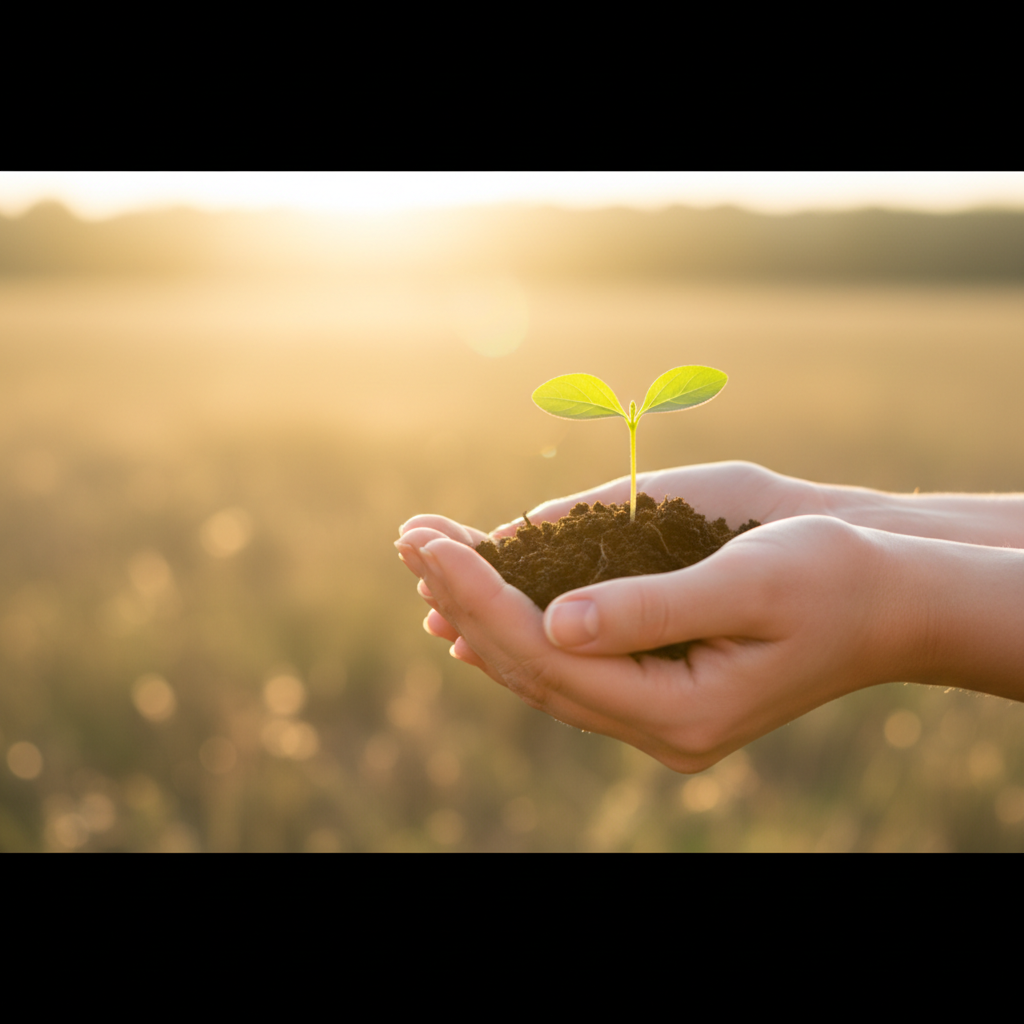
Learning about life science isn't just about passing a test. It's about learning how to care for God's creation.

To 'tend and keep' the garden. (Genesis 2:15)

When we study living things, we honor the Artist who made them.

Made byBobr AI
Bobr AI

DESIGNER-MADE
PRESENTATION,
GENERATED FROM
YOUR PROMPT

Create your own professional slide deck with real images, data charts, and unique design in under a minute.

Generate For Free

Life Science: Exploring Creation and the Scientific Method

Learn about the diversity of life, the scientific method, and biological classification through a blend of faith and science.

Life Science: Exploring God's World

Creation, The Scientific Method, and the Diversity of Life

The Origin of Life: A Biblical Foundation

"And God said, Let the earth bring forth living creatures according to their kinds... And it was so." - Genesis 1:24

Life is not an accident; it is the purposeful work of a Creator.

Biological complexity reflects intelligent design.

Studying God's Creation: The Scientific Method

A systematic way of learning about the world through observation and experimentation.

Early scientists like Kepler and Newton believed that doing science was 'thinking God's thoughts after Him'. They studied the natural laws God established.

Steps of the Scientific Method

1. Ask a Question

Based on observation of the natural world.

2. Form a Hypothesis

An educated prediction (If... then...)

3. Experiment

Test the hypothesis with controlled variables.

4. Analyze & Conclude

Look at the data. Was the hypothesis correct?

Example: Plant Growth Experiment

Hypothesis: Plants grow taller with more sunlight hours. We measured growth over 2 weeks.

Characteristics of Living Things

Biologists use a set of criteria to determine if something is alive. We often use the acronym MRS GREN:

• Movement<br>• Respiration<br>• Sensitivity (Response)<br>• Growth

• Reproduction<br>• Excretion<br>• Nutrition

The Basic Unit of Life: Cells

All living things are made of cells.

Cells are the building blocks of life.

Even a single cell is incredibly complex, acting like a miniature factory. This complexity points to an intelligent Architect.

Classifying God's Creatures

Taxonomy is the science of naming and classifying organisms. This system was popularized by Carl Linnaeus, a devout Christian who sought to organize the 'System of Nature' to reveal God's order.

The 6 Kingdoms of Life

Archaebacteria

Eubacteria

Protista

Fungi

Plantae

Animalia

Are Humans Just Animals?

Biologically: Humans are classified in Kingdom Animalia (Mammals).

Biblically: Humans are unique. We are made in the 'Image of God' (Imago Dei).

We have a spiritual nature, moral conscience, and the capacity for a relationship with God.

Science as Stewardship

Learning about life science isn't just about passing a test. It's about learning how to care for God's creation.

To 'tend and keep' the garden. (Genesis 2:15)

When we study living things, we honor the Artist who made them.

  • life-science
  • biology
  • scientific-method
  • creation
  • taxonomy
  • living-things
  • education
  • science-and-faith