


Doing Business in the Netherlands: Cultural Etiquette Guide
Learn key Dutch business culture insights: from direct communication styles and flat hierarchies to 'Poldermodel' consensus and Hofstede dimensions.
Doing Business in the Netherlands
International Business (BBB4M1) – Culture Assignment Student: Caleb
Country Overview
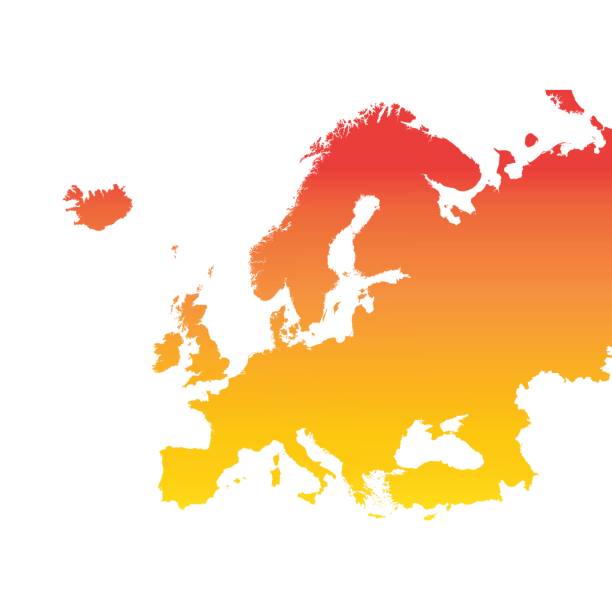
<li style='margin-bottom:20px;'><strong>Capital:</strong> Amsterdam</li><li style='margin-bottom:20px;'><strong>Location:</strong> Western Europe</li><li style='margin-bottom:20px;'><strong>Borders:</strong> Germany & Belgium</li><li style='margin-bottom:20px;'><strong>Coastline:</strong> North Sea (Major Trade Route)</li>
Basic Facts
Dutch (English widely spoken)
~17.5 Million
Christianity & Secular
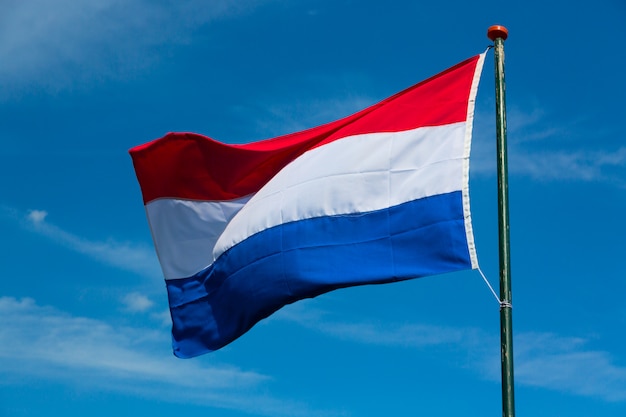
Flag Meaning
Bravery & Strength
Peace & Honesty
Loyalty & Justice
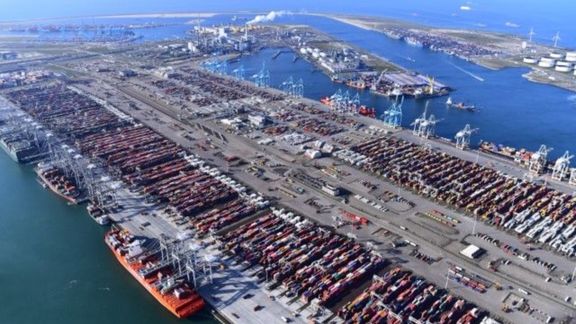
Economic Powerhouse
Major Global Trading Nation
Shell • Philips • Heineken
Communication Style
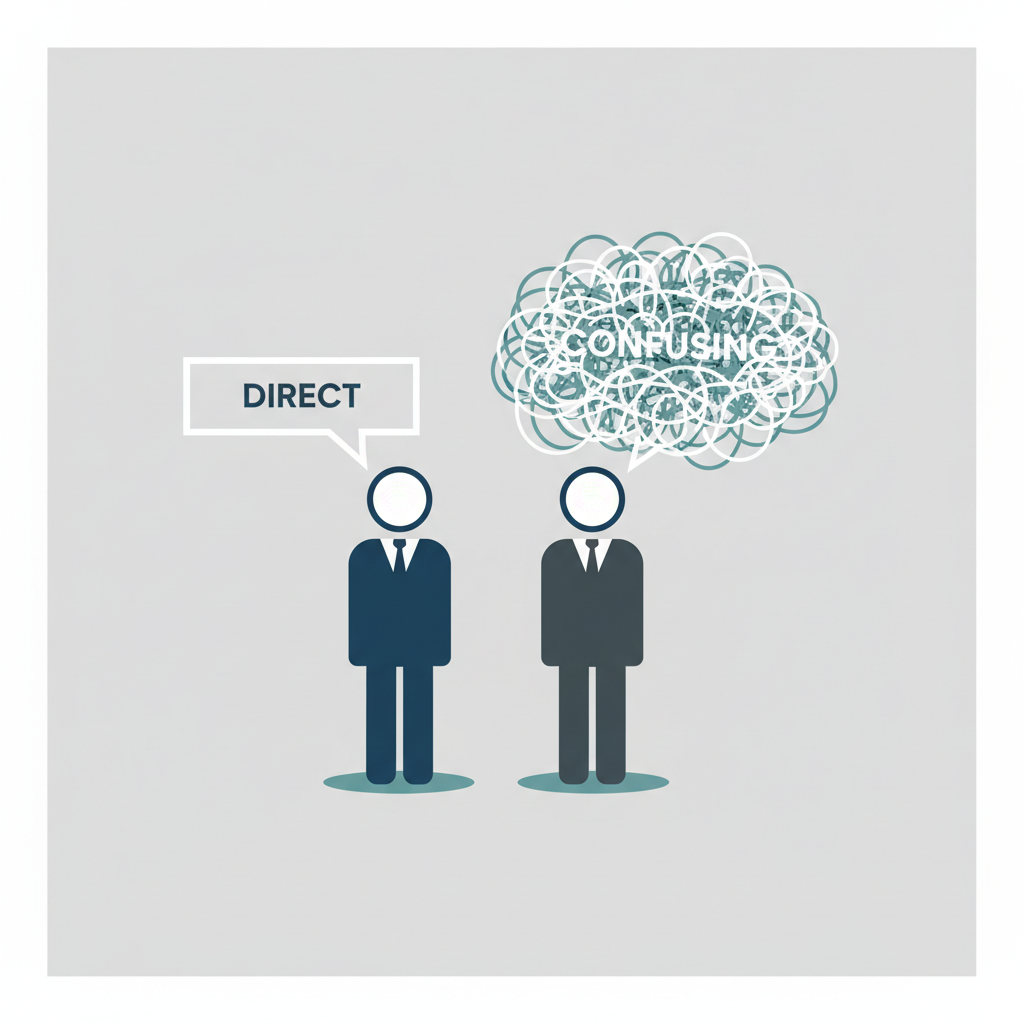
Very Direct
Honesty > Politeness
Clear opinions valued
Business Communication in Practice
• Direct feedback is normal<br>• Open disagreement in meetings<br>• Vagueness is seen as dishonest
Significant Person
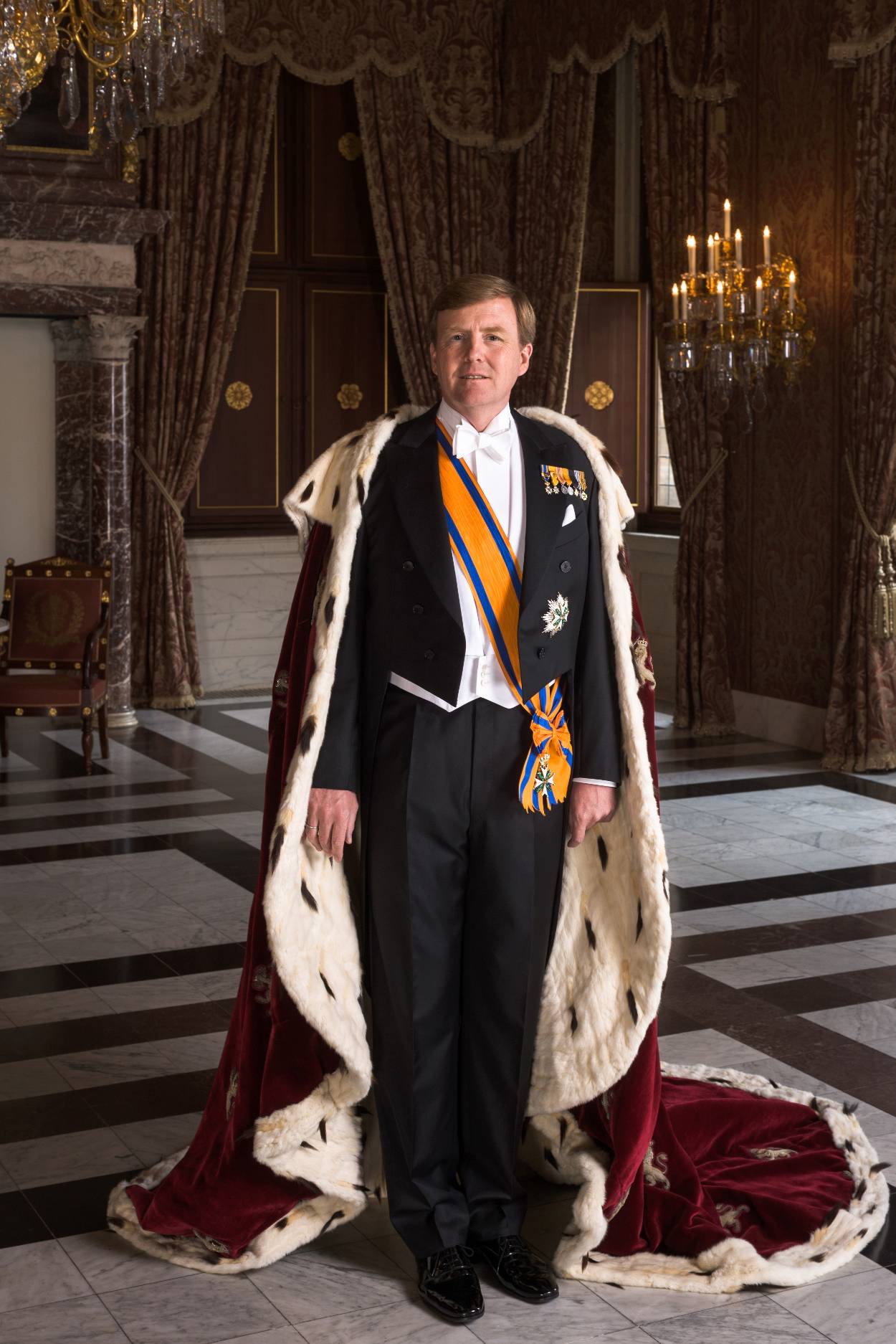
King Willem-Alexander
Head of State • Symbol of Unity & Leadership
Hofstede Dimension: Power Distance
Very low hierarchy. Managers and employees are often considered equals.
Additional Dimension: Femininity
The Netherlands is a 'Feminine' society. Focus is on work-life balance, consensus, and quality of life rather than competition and status.
Comparison: Canada vs. Netherlands
<strong>Similarity:</strong> Both scores are low.<br><br><strong>Difference:</strong> In the Netherlands, this translates to 'egalitarianism' in the extreme. Challenging managers is more common and expected than in Canada.
Business Challenges
Leadership Equality
Employee Consultation Expected
Foreign managers often struggle because they cannot just 'give orders'. Decisions made without team input are often rejected or ignored.
Business Solutions
Flat Management
Open Discussion
Case Study: The Tech Meeting
A Canadian Manager sets a strict deadline without asking the team.
DUTCH REACTION: The team ignores the deadline or argues against it publicly.
CORRECTION: The manager should have held a 'consensus meeting' first to agree on a feasible timeline.
DOs
<div style='display:flex; align-items:center; margin-bottom:40px;'><div style='font-size:50px; color:#00AA00; margin-right:30px;'>✔</div><div><strong>Be Punctual</strong><br>Time is money.</div></div><div style='display:flex; align-items:center; margin-bottom:40px;'><div style='font-size:50px; color:#00AA00; margin-right:30px;'>✔</div><div><strong>Be Honest</strong><br>Directness builds trust.</div></div><div style='display:flex; align-items:center; margin-bottom:40px;'><div style='font-size:50px; color:#00AA00; margin-right:30px;'>✔</div><div><strong>Use Data</strong><br>Facts > Emotions.</div></div>
DON'Ts
<div style='display:flex; align-items:center; margin-bottom:40px;'><div style='font-size:50px; color:#AE1C28; margin-right:30px;'>✖</div><div><strong>Don't Exaggerate</strong><br>It is seen as untrustworthy.</div></div><div style='display:flex; align-items:center; margin-bottom:40px;'><div style='font-size:50px; color:#AE1C28; margin-right:30px;'>✖</div><div><strong>Don't Rely on Status</strong><br>Titles don't equal authority here.</div></div>
Language Extras
Hallo = Hello
Dank je = Thank you
Business Etiquette: Food
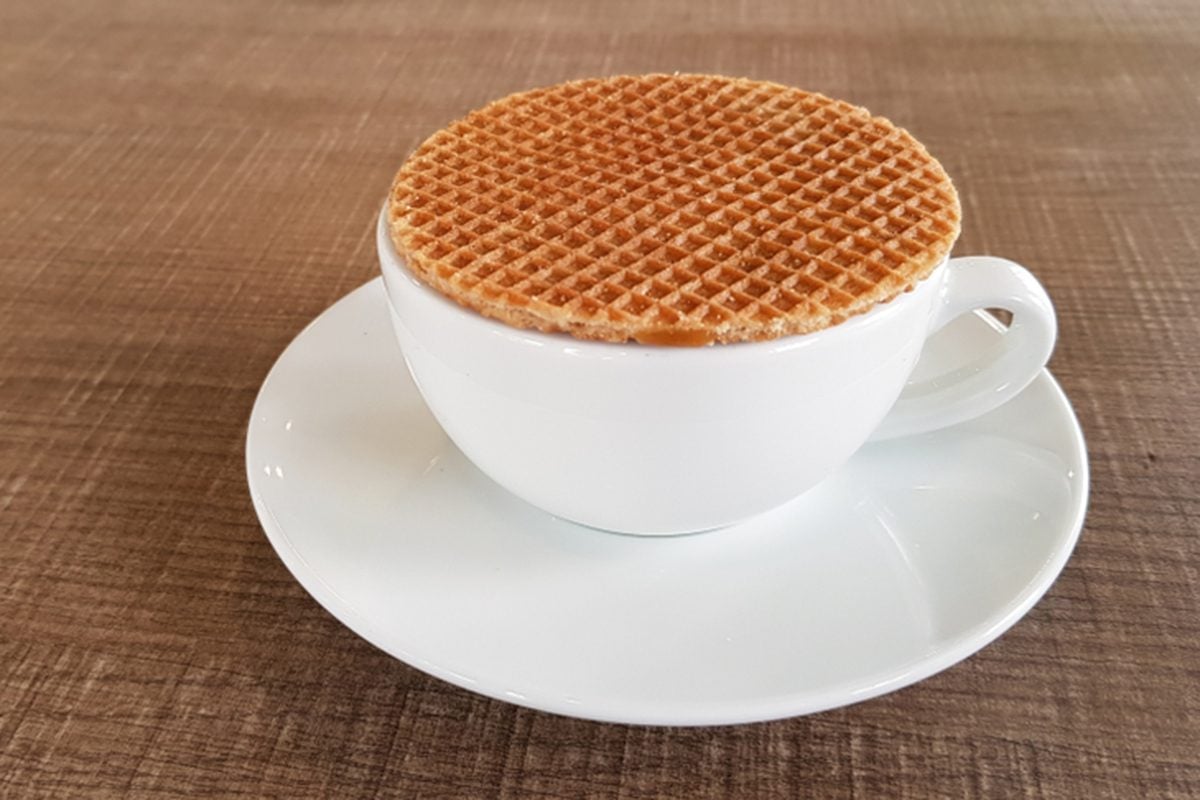
<strong>Stroopwafels</strong> & Coffee<br><br>Coffee breaks are a vital social moment. Joining them is good for relationship building.
References
<li>Hofstede Insights</li><li>CIA World Factbook</li><li>Government of the Netherlands</li>
- international-business
- netherlands-culture
- business-etiquette
- hofstede-dimensions
- management-style
- cross-cultural-communication