


Made byBobr AI

Solar-Electric Bus Depots: Case Studies & Lessons

Explore global case studies of solar-powered electric bus depots including Stagecoach and National Express. Learn about battery storage and smart charging.

#electric-bus#solar-energy#renewable-energy#bus-depot#sustainability#battery-storage#smart-charging#transportation
Watch
Pitch

Successful Companies with Similar Projects

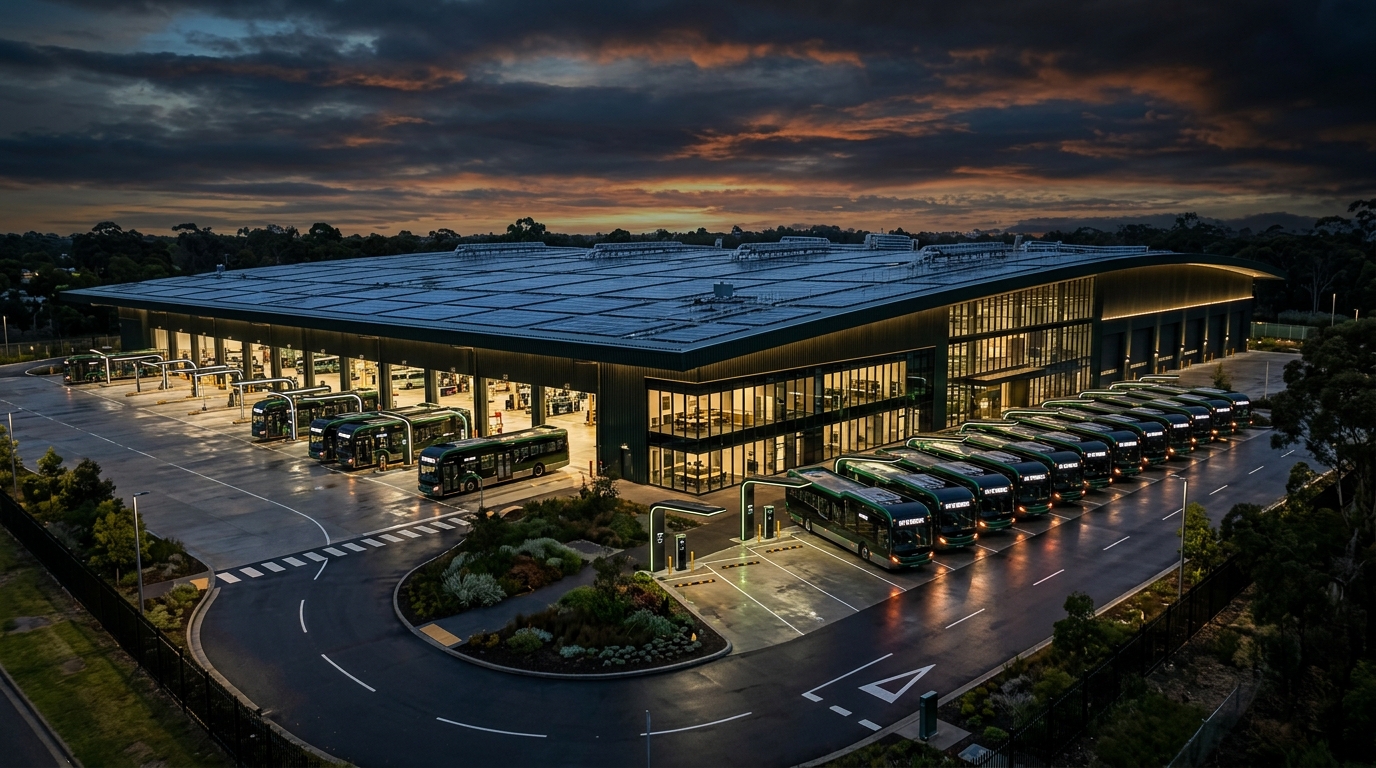
Solar-Powered Electric Bus Depots β€” UK & Global Case Studies

Lessons for the Plymouth Project

Case Studies: Stagecoach + VEV | National Express + ZenobΔ“ | Adelaide Tindo Solar Bus

Made byBobr AI
1

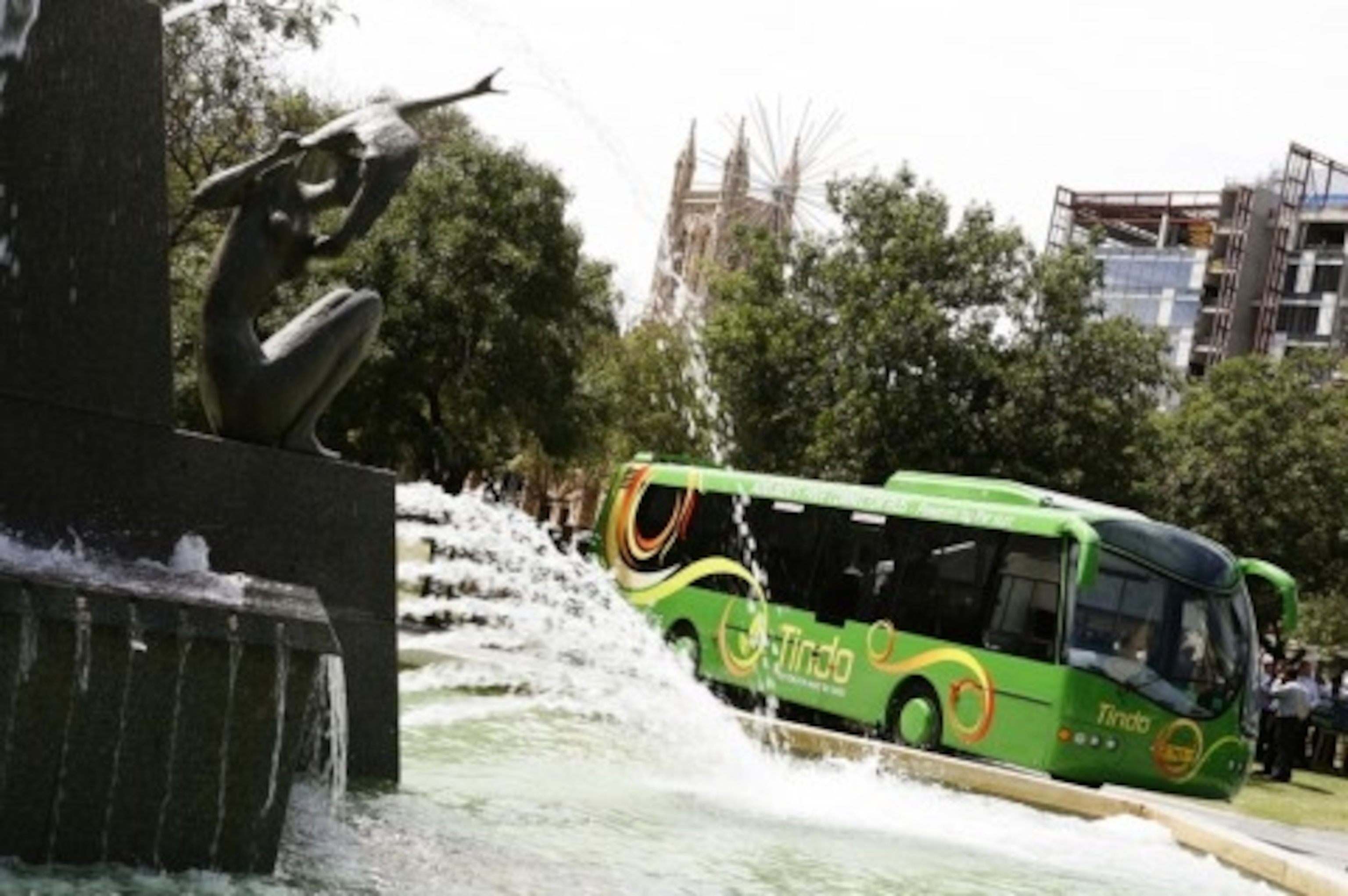
🌏 Adelaide "Tindo"

Australia β€” World's first 100% solar-powered bus system.

2

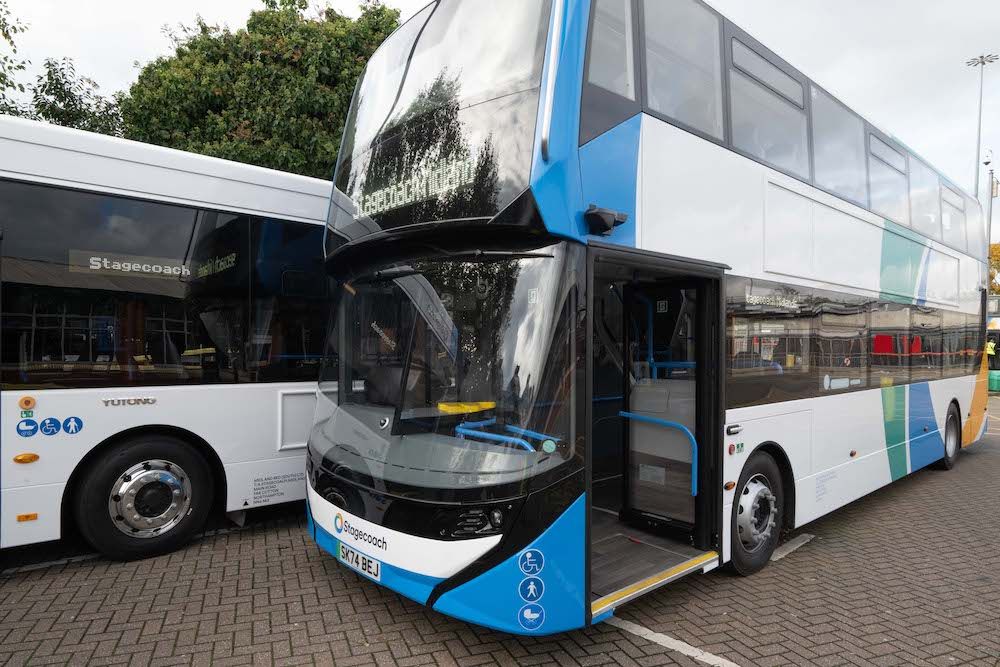
🚌 Stagecoach + VEV

UK β€” Solar, battery storage & smart charging integration.

3

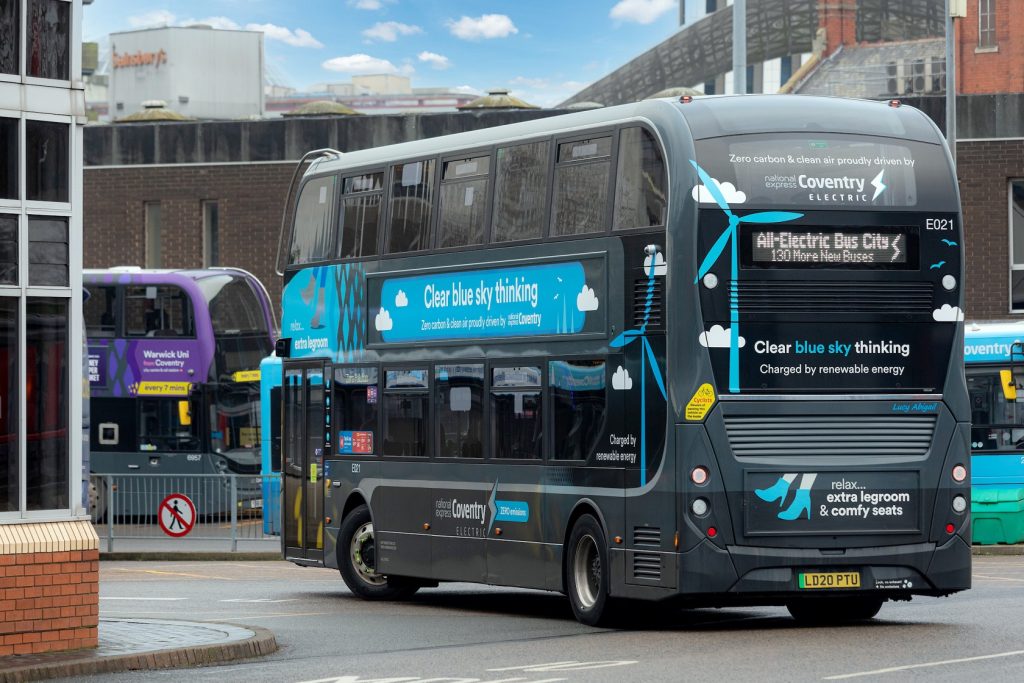
🚍 National Express + ZenobΔ“

UK β€” 193 kWp solar + 1.2 MWh battery storage.

4

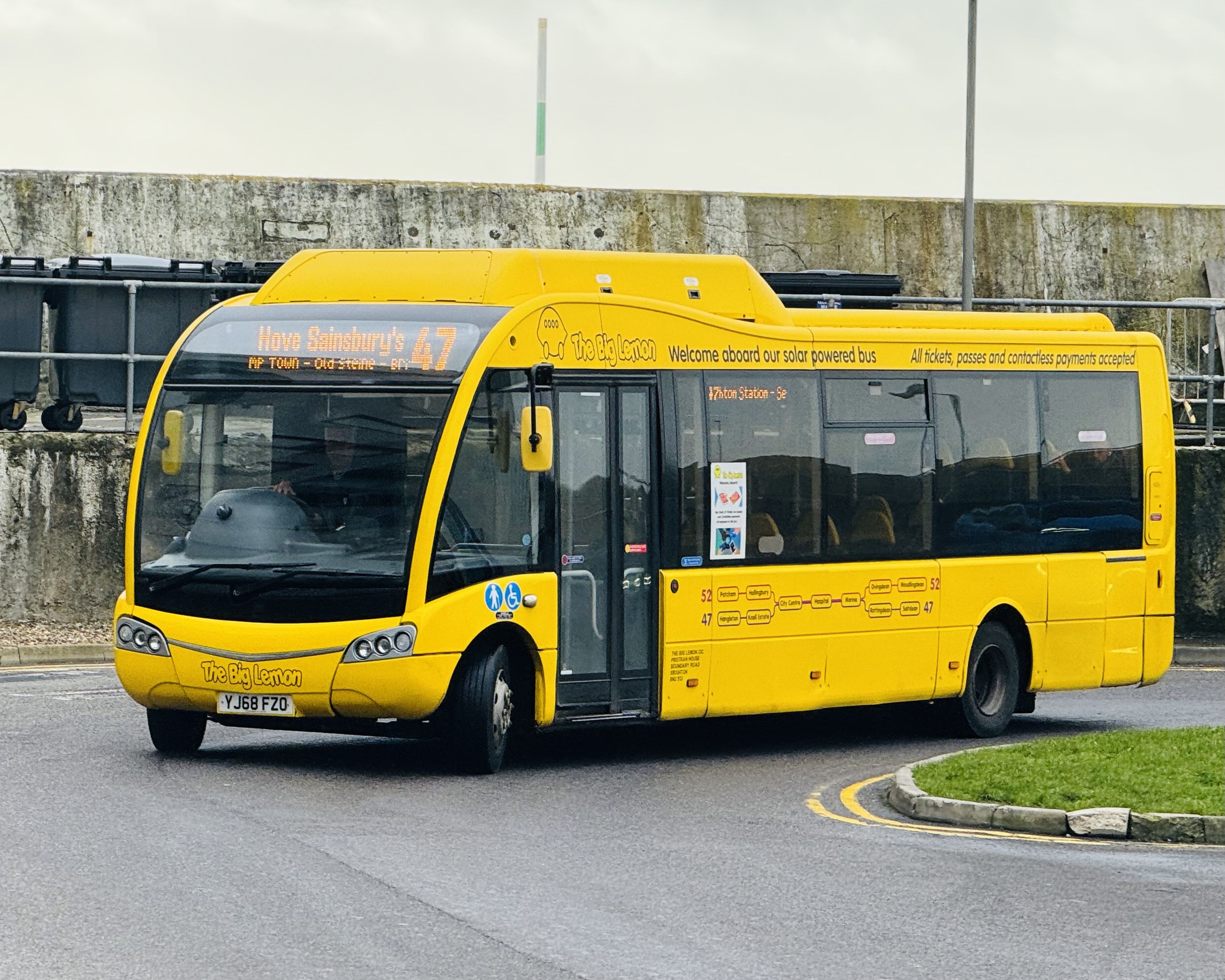
πŸ”‹ The Big Lemon

UK β€” Sustainable community bus operator using renewable energy.

Overview of Successful Projects

Discover four leading transport operators pioneering the shift to sustainable, solar-powered electric bus fleets across the globe.

Made byBobr AI

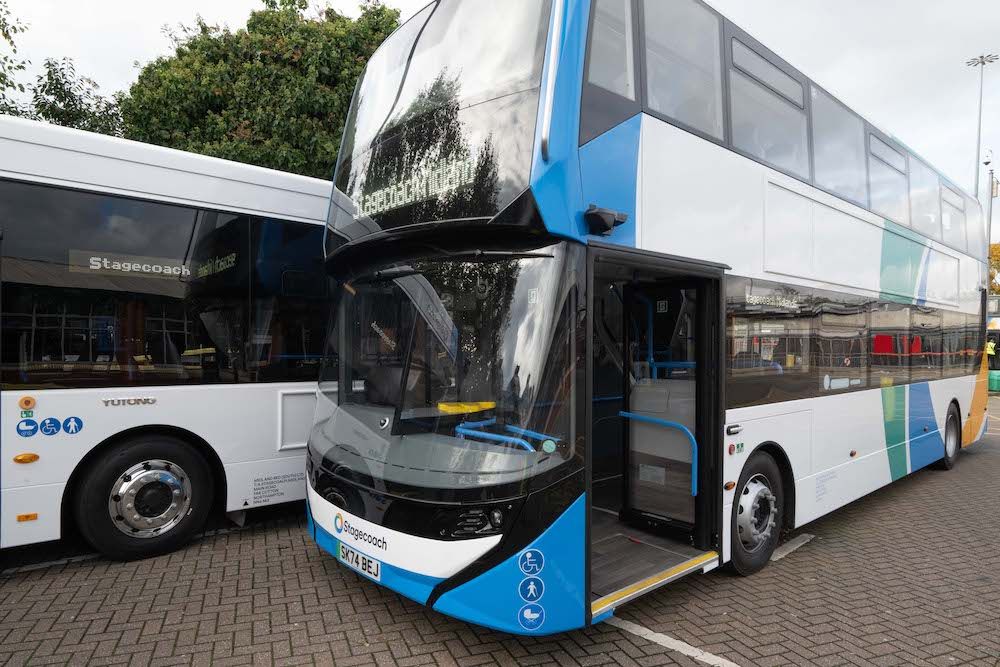
Stagecoach + Volta Electric Vehicle (VEV)

Key Project Facts

Energy specialist partnership
Supported 150+ electric buses
Solar + battery storage + smart charging integration
Reduced electricity costs β€” Β£1M+ lifetime savings
Lower grid dependency
Large-scale depots (100+ buses across multiple sites)

Battery Technology Used

Tesla Powerpack (Li-ion) β€” 78 Powerpacks Γ— ~200 kWh β‰ˆ 15.6 MWh total

"Stagecoach demonstrates that integrating solar, battery storage, and smart charging is essential for reducing costs and improving efficiency in electric bus depots."

Relevance to Plymouth

UK-based real-world model directly applicable to Plymouth

Shows how integration improves efficiency and cost savings

Made byBobr AI

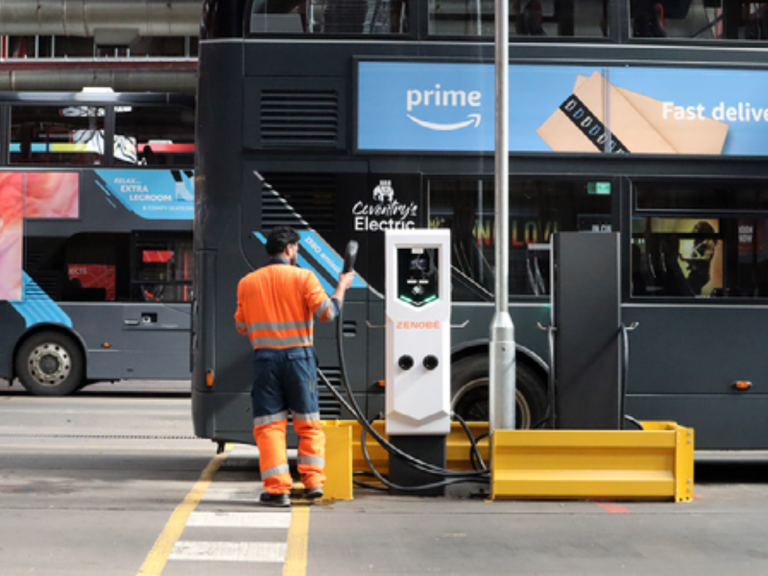
National Express + ZenobΔ“

Case Study

Key Project Facts

Coventry depot project
193 kWp solar system installed
1.2 MWh battery storage
Li-ion BESS including second-life batteries
Charging time: 2–6 hours overnight
Smart Charging: buses charged when electricity is cheapest and when solar is available

Financial Benefits

Reduced energy costs
Lower upfront investment via financing
Cost efficiency via battery optimisation

Operational Benefits

Peak shaving
Optimised charging aligned with bus schedules
Reliable depot-based charging
Relevance to Plymouth β€” Shows how solar + battery systems + smart financing improve feasibility and reduce financial risk.
Made byBobr AI

Comparative Overview: Key Features

Factor Stagecoach + VEV National Express + ZenobΔ“ Plymouth Project
Solar Integration βœ… Yes βœ… Yes βœ… Yes
Battery Storage βœ… Yes βœ… Yes βœ… Yes (Recommended)
Smart Charging βœ… Yes βœ… Yes ⚑ Needed
Financing Model Partnership Third-party financing Possible Option
Key Success Factor System Integration Battery Optimisation Hybrid System Design
Made byBobr AI
Battery Technology Comparison
Factor
Stagecoach + VEV
National Express + ZenobΔ“
Plymouth Project (Estimated)
Battery Type
Tesla Powerpack (Li-ion)
Li-ion BESS (second-life)
LiFePOβ‚„ BESS β˜… Recommended
Battery Capacity
78 units Γ— 200 kWh = 15.6 MWh
~1.2 MWh (Coventry depot)
~300–500 kWh
Charging Time
~3–6 hours (depot)
~2–6 hours (overnight)
~4–6 hours (overnight)
Buses per Full Cycle
~40–50 buses
~2–3 buses
~1–2 buses
Why LiFePOβ‚„ for Plymouth:
βœ” Industry standard for EV buses
βœ” Highest safety rating
βœ” Lifespan: 10–15 years
βœ” Lowest long-term cost
βœ” Cost: Β£250–£450/kWh
Made byBobr AI

Recommended Technology Strategy: Hybrid Energy System

NEW BATTERIES

Critical Operations

Bus charging β€” primary use
High performance & reliability
Maximum safety standards
Lifespan: 10–15 years
Stable, predictable output

OLD / SECOND-LIFE BATTERIES

Non-Critical Support

Backup power for depot
Office & facility power supply
Depot lighting systems
Auxiliary systems support
Remaining lifespan: 2–5 years
HYBRID

A hybrid system improves efficiency, reduces costs, and supports sustainability by repurposing used batteries.

Made byBobr AI

Old vs New Batteries: Performance Comparison

Factor Old Batteries New Batteries
Performance LOW πŸ”΄ HIGH 🟒
Lifespan 2–5 years πŸ”΄ 10–15 years 🟒
Safety Higher Risk πŸ”΄ Much Safer 🟒
ROI Lower πŸ”΄ Higher 🟒
Reliability Unstable πŸ”΄ Stable 🟒
Maintenance High cost πŸ”΄ Low cost 🟒

Uses of Old Batteries

Backup power systems

Depot offices & facilities

Depot lighting

Non-critical auxiliary systems

Made byBobr AI

Benchmarking & External Validation

Company / Case Study
Project Scale
Key Financial Benefits
Operational Benefits
Relevance to Plymouth
Stagecoach + VEV (UK)
  • Large-scale electric bus depots (100+ buses, multiple sites)
  • Reduced electricity costs; Β£1M+ lifetime savings; lower infrastructure costs
  • Solar + battery + smart charging; reduced grid dependency
  • UK real-world model directly applicable to Plymouth
National Express + ZenobΔ“ (UK)
  • Medium-scale depot (Coventry, solar + battery)
  • Reduced energy costs; lower upfront via financing; improved cost efficiency
  • Peak shaving; optimised charging with bus schedules; reliable depot charging
  • Shows smart financing improves feasibility and reduces financial risk

"Both Stagecoach and National Express demonstrate that the success of solar-powered bus depots depends on integrating solar energy, battery storage, and smart charging strategies β€” which are directly applied in our proposed Plymouth project."

Made byBobr AI

Key Takeaways for the Plymouth Project

β˜€οΈ

Solar Integration

Essential for all successful projects β€” reduces energy costs & grid dependency

πŸ”‹

Battery Storage

LiFePOβ‚„ recommended β€” 10–15 year lifespan, safest option, Β£250–£450/kWh

⚑

Smart Charging

Charge when electricity is cheapest and when solar is available

🀝

Partnership Model

Consider partnerships like ZenobΔ“ for financing & battery optimisation

♻️

Hybrid Battery System

New batteries for critical ops + repurposed batteries for secondary uses

UK case studies confirm: solar and battery-powered bus depots are feasible β€” and already successfully implemented.

Made byBobr AI
Bobr AI

DESIGNER-MADE
PRESENTATION,
GENERATED FROM
YOUR PROMPT

Create your own professional slide deck with real images, data charts, and unique design in under a minute.

Generate For Free

Solar-Electric Bus Depots: Case Studies & Lessons

Explore global case studies of solar-powered electric bus depots including Stagecoach and National Express. Learn about battery storage and smart charging.

Successful Companies with Similar Projects

Solar-Powered Electric Bus Depots β€” UK & Global Case Studies

Lessons for the Plymouth Project

Case Studies: Stagecoach + VEV | National Express + ZenobΔ“ | Adelaide Tindo Solar Bus

Overview of Successful Projects

Discover four leading transport operators pioneering the shift to sustainable, solar-powered electric bus fleets across the globe.

🌏 Adelaide "Tindo"

Australia β€” World's first 100% solar-powered bus system.

🚌 Stagecoach + VEV

UK β€” Solar, battery storage & smart charging integration.

🚍 National Express + ZenobΔ“

UK β€” 193 kWp solar + 1.2 MWh battery storage.

πŸ”‹ The Big Lemon

UK β€” Sustainable community bus operator using renewable energy.

Stagecoach + Volta Electric Vehicle (VEV)

Energy specialist partnership

Supported 150+ electric buses

Solar + battery storage + smart charging integration

Reduced electricity costs β€” Β£1M+ lifetime savings

Lower grid dependency

Large-scale depots (100+ buses across multiple sites)

Stagecoach demonstrates that integrating solar, battery storage, and smart charging is essential for reducing costs and improving efficiency in electric bus depots.

UK-based real-world model directly applicable to Plymouth

Shows how integration improves efficiency and cost savings

Tesla Powerpack (Li-ion) β€” 78 Powerpacks Γ— ~200 kWh β‰ˆ 15.6 MWh total

National Express + ZenobΔ“

Coventry depot project

193 kWp solar system installed

1.2 MWh battery storage

Li-ion BESS including second-life batteries

Charging time: 2–6 hours overnight

Smart Charging: buses charged when electricity is cheapest and when solar is available

Financial Benefits

Reduced energy costs

Lower upfront investment via financing

Cost efficiency via battery optimisation

Operational Benefits

Peak shaving

Optimised charging aligned with bus schedules

Reliable depot-based charging

Relevance to Plymouth β€”

Shows how solar + battery systems + smart financing improve feasibility and reduce financial risk.

Comparative Overview: Key Features

Factor

Stagecoach + VEV

National Express + ZenobΔ“

Plymouth Project

Solar Integration

βœ… Yes

βœ… Yes

βœ… Yes

Battery Storage

βœ… Yes

βœ… Yes

βœ… Yes (Recommended)

Smart Charging

βœ… Yes

βœ… Yes

⚑ Needed

Financing Model

Partnership

Third-party financing

Possible Option

Key Success Factor

System Integration

Battery Optimisation

Hybrid System Design

Battery Technology Comparison

Factor

Stagecoach + VEV

National Express + ZenobΔ“

Plymouth Project (Estimated)

Battery Type

Tesla Powerpack (Li-ion)

Li-ion BESS (second-life)

LiFePOβ‚„ BESS β˜… Recommended

Battery Capacity

78 units Γ— 200 kWh = 15.6 MWh

~1.2 MWh (Coventry depot)

~300–500 kWh

Charging Time

~3–6 hours (depot)

~2–6 hours (overnight)

~4–6 hours (overnight)

Buses per Full Cycle

~40–50 buses

~2–3 buses

~1–2 buses

Why LiFePOβ‚„ for Plymouth:

Industry standard for EV buses

Highest safety rating

Lifespan: 10–15 years

Lowest long-term cost

Cost: Β£250–£450/kWh

Recommended Technology Strategy: Hybrid Energy System

NEW BATTERIES

Critical Operations

Bus charging β€” primary use

High performance & reliability

Maximum safety standards

Lifespan: 10–15 years

Stable, predictable output

OLD / SECOND-LIFE BATTERIES

Non-Critical Support

Backup power for depot

Office & facility power supply

Depot lighting systems

Auxiliary systems support

Remaining lifespan: 2–5 years

HYBRID

A hybrid system improves efficiency, reduces costs, and supports sustainability by repurposing used batteries.

Old vs New Batteries: Performance Comparison

Factor

Old Batteries

New Batteries

Performance

LOW πŸ”΄

HIGH 🟒

Lifespan

2–5 years πŸ”΄

10–15 years 🟒

Safety

Higher Risk πŸ”΄

Much Safer 🟒

ROI

Lower πŸ”΄

Higher 🟒

Reliability

Unstable πŸ”΄

Stable 🟒

Maintenance

High cost πŸ”΄

Low cost 🟒

Uses of Old Batteries

Backup power systems

Depot offices & facilities

Depot lighting

Non-critical auxiliary systems

Benchmarking & External Validation

Company / Case Study

Project Scale

Key Financial Benefits

Operational Benefits

Relevance to Plymouth

Stagecoach + VEV (UK)

Large-scale electric bus depots (100+ buses, multiple sites)

Reduced electricity costs; Β£1M+ lifetime savings; lower infrastructure costs

Solar + battery + smart charging; reduced grid dependency

UK real-world model directly applicable to Plymouth

National Express + ZenobΔ“ (UK)

Medium-scale depot (Coventry, solar + battery)

Reduced energy costs; lower upfront via financing; improved cost efficiency

Peak shaving; optimised charging with bus schedules; reliable depot charging

Shows smart financing improves feasibility and reduces financial risk

"Both Stagecoach and National Express demonstrate that the success of solar-powered bus depots depends on integrating solar energy, battery storage, and smart charging strategies β€” which are directly applied in our proposed Plymouth project."

Key Takeaways for the Plymouth Project

β˜€οΈ

Solar Integration

Essential for all successful projects β€” reduces energy costs & grid dependency

πŸ”‹

Battery Storage

LiFePOβ‚„ recommended β€” 10–15 year lifespan, safest option, Β£250–£450/kWh

⚑

Smart Charging

Charge when electricity is cheapest and when solar is available

🀝

Partnership Model

Consider partnerships like ZenobΔ“ for financing & battery optimisation

♻️

Hybrid Battery System

New batteries for critical ops + repurposed batteries for secondary uses

UK case studies confirm: solar and battery-powered bus depots are feasible β€” and already successfully implemented.

  • electric-bus
  • solar-energy
  • renewable-energy
  • bus-depot
  • sustainability
  • battery-storage
  • smart-charging
  • transportation