











Made byBobr AI

Airlines Flight Operations: low-cost vs Full-Service Models

Explore flight operations structures and interdepartmental synergy. A case study comparison between easyJet and British Airways performance models.

#airline-operations#aviation-management#british-airways#easyjet#logistics#flight-safety#business-analysis
Watch
Pitch
INDIVIDUAL ASSIGNMENT

Introduction to Flight Operations

Flight Operations Structures, Interdepartmental Relationships & Operational Performance

Samir Shaon & Flynn McCarthy-Wallace
Introduction to Flight Operations
Made byBobr AI
AGENDA

Contents

Overview of Flight Operations structure, comparative operating models, interdepartmental synergy, and impact on performance outcomes.

01
Introduction
The role of the Flight Operations Department
02
Flight Operations Structures
Low-Cost vs Full-Service Airlines
03
easyJet vs British Airways
A Structural Comparison
04
Interdepartmental Relationships
British Airways in Focus
05
Impact on Operational Performance & Conclusion
Final overviews and closing remarks
Made byBobr AI

Introduction

  • The Flight Operations Department is a fundamental workstream inside any airline
  • Responsible for safety and efficiency of all flight activities
  • Operational focus differs based on the airline's business model
  • Full-service carriers require complex organisational structures
  • Low-cost carriers prioritise efficiency and cost control
  • This report uses British Airways and easyJet as case studies
  • Applies academic theory from Meijer (2020) and Airline Operations Control (2020)
Sources: Meijer (2020); Airline Operations Control (2020)
Made byBobr AI

Flight Operations Structures

Low-Cost Carriers vs Full-Service Carriers

easyJet logo
Carrier Type

Low-Cost

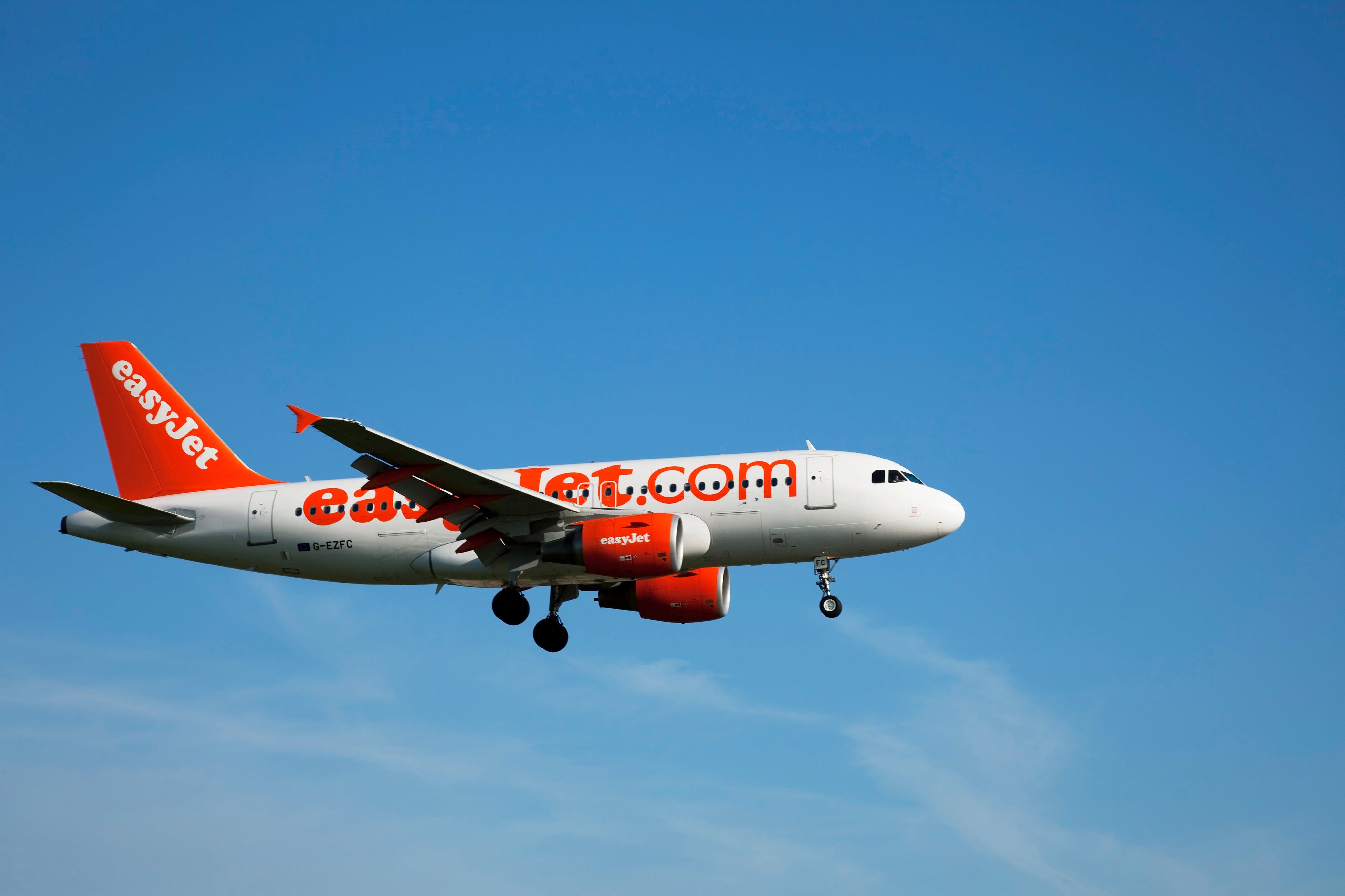
  • Centralised, lean structure
  • Minimal management layers
  • Flight planning, dispatch & crew scheduling combined
  • Fleet standardisation (Airbus narrow-body)
  • Uniform procedures across network
  • Focus: cost efficiency & aircraft utilisation
Source: Meijer (2020, p. 38, 41)
British Airways logo
Carrier Type

Full-Service

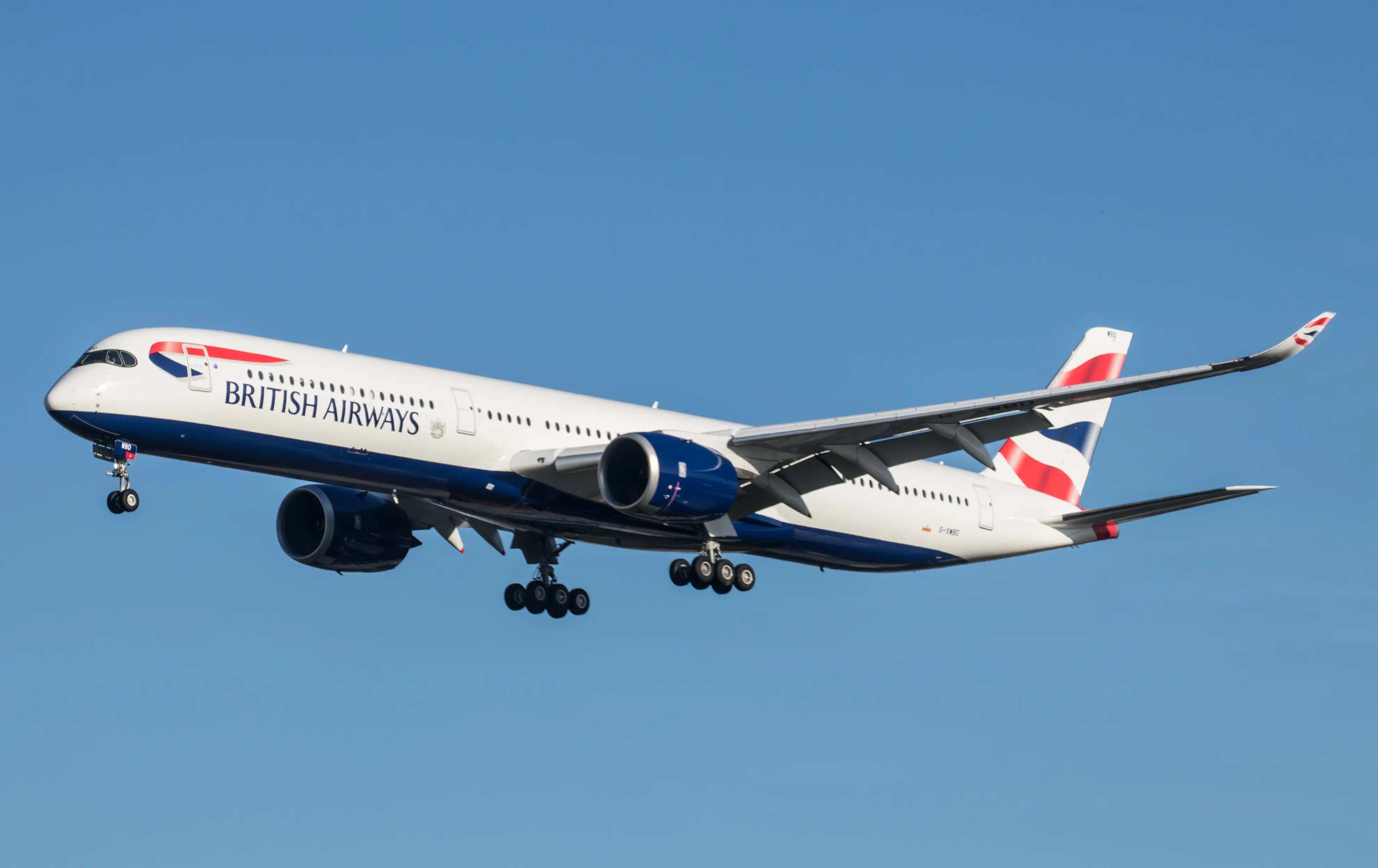
  • Multi-layered, specialised structure
  • Dedicated units: flight planning, crew training, crew scheduling, performance management, safety oversight
  • Serves short-haul AND long-haul markets
  • Mixed fleet of aircraft types
  • Operational Control Centre (OCC) for real-time coordination
  • Focus: flexibility, resilience & premium service
Source: Meijer (2020, p. 52); Airline Operations Control (2020, p. 78)
Made byBobr AI

A Tale of Two Airlines

Structural Philosophy in Action

LOW-COST CARRIER
Single aircraft type: Airbus A320 family
Centralised ops model
Low overhead structure
High aircraft utilisation
FULL-SERVICE CARRIER
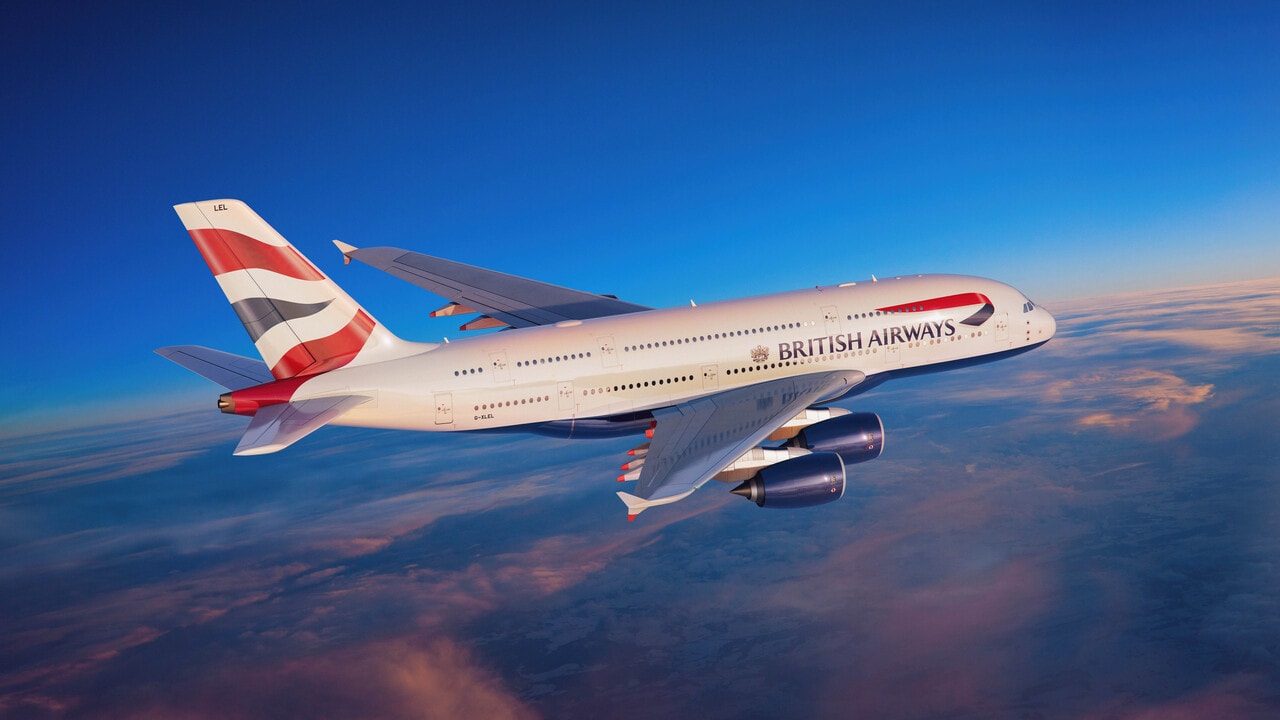
Mixed fleet: B787, B777, A380, A320
Specialised departmental units
Operational Control Centre
Long-haul & short-haul network
"The key structural difference lies in how each airline manages operational complexity." — Meijer (2020, p. 55)
Made byBobr AI

Interdepartmental Relationships

British Airways — Flight Operations as the Hub

FLIGHT OPERATIONS

MAINTENANCE DEPARTMENT

  • Aircraft availability affects schedules & crew planning
  • Maintenance data used for rotation planning
  • Joint disruption response
Source: Airline Operations Control (2020, p. 92)

FINANCE DEPARTMENT

  • Route planning & fuel management cost alignment
  • Budget management & delay impact assessment
  • Operational efficiency supports airline strategy
Source: Meijer (2020, p. 67)

SAFETY & COMPLIANCE DEPARTMENT

  • Shares incident reports & performance data
  • Feeds Safety Management System (SMS)
  • Ensures regulatory compliance across all operations
Source: Airline Operations Control (2020, p. 102)
Made byBobr AI

Impact on Operational Performance

easyJet

  • Lower operating costs
  • High schedule efficiency
  • Fast turnaround times
  • Streamlined disruption response
  • Lean staffing model
STRENGTH: Cost Efficiency

British Airways

  • Enhanced long-haul operational capability
  • Stronger disruption management via OCC
  • Greater flexibility across route network
  • Higher resilience to irregular operations
  • Premium service consistency
STRENGTH: Resilience & Flexibility

Meijer (2020, p. 55): Structural complexity improves operational resilience for airlines operating diverse route networks, at the cost of higher overhead.

Made byBobr AI
RISK MATRIX ANALYSIS

Foreign Object Debris (FOD)

Qualitative Risk Matrix Comparison — Flynn vs Samir

The Same Hazard — Different Exposure

Both Flynn and Samir face the identical FOD hazard on the runway. The critical differentiator is their level of operational exposure, which directly affects the probability of occurrence.

Why FOD Matters at V1

FOD impact during takeoff — especially after V1 speed — can cause engine damage, tyre burst, or structural failure. Severity is always rated Major to Catastrophic regardless of exposure level.

Qualitative Risk Matrix model applied — assessing Severity vs Likelihood for each operator's exposure level.

Made byBobr AI

Risk Matrix Comparison

FLYNN — 20,000 Flights/Year

Risk Rating
MEDIUM
Likelihood: Unlikely → Possible
Severity: Major → Catastrophic
5-Catastrophic
4-Hazardous
3-Major
2-Minor
1-Negligible
1
Rare
2
Unlikely
3
Possible
4
Likely
5
Almost

Reduced exposure keeps overall risk at MEDIUM — preventive controls remain effective

SAMIR — 160,000 Flights/Year

Risk Rating
HIGH
Likelihood: Likely → Almost Certain
Severity: Major → Catastrophic
5-Catastrophic
4-Hazardous
3-Major
2-Minor
1-Negligible
1
Rare
2
Unlikely
3
Possible
4
Likely
5
Almost

High operational exposure elevates risk to HIGH — preventive controls more likely to be tested

Same severity, different probability — operational exposure is the key variable that shifts the risk rating.

Made byBobr AI

Bow-Tie Analysis — FOD Hazard

Comparing Flynn and Samir's Threat & Recovery Profiles

THREATS

  • Improper runway inspection
  • Human error on runway
  • Debris from other aircraft
  • Bad weather conditions
IDENTICAL FOR BOTH

PREVENTIVE CONTROLS

  • Regular inspections
  • Staff training
  • Safety Management System
SAME FOR BOTH

TOP EVENT

FOD DAMAGES AIRCRAFT DURING TAKEOFF

RECOVERY ACTIONS

  • Declare emergency
  • Return to airport
  • Divert to alternate
  • Emergency landing
SAME FOR BOTH

CONSEQUENCES

  • Engine malfunction
  • Tyre damage
  • Runway excursion
  • In-flight emergency
IDENTICAL FOR BOTH

KEY DIFFERENCE: Operational Exposure — Flynn (20,000 flights/yr) tests barriers far less frequently than Samir (160,000 flights/yr), making barrier failure significantly more probable for Samir — hence MEDIUM vs HIGH risk rating.

Made byBobr AI

Conclusion

  • Flight Operations structures differ fundamentally between LCCs and FSCs
  • easyJet: centralised, lean model — optimised for cost and efficiency
  • British Airways: multi-layered, specialised structure — built for complexity and resilience
  • Within British Airways, Flight Operations acts as an operational hub
  • Critical links with Maintenance, Finance, and Safety & Compliance
  • Structural choices directly shape airline performance, efficiency and resilience
  • No single 'best' model — structure must align with the airline's business model

"Structure is not a bureaucratic choice — it is a strategic one."

Meijer, R. (2020). Airline Operations Control. Routledge. | Airline Operations Control (2020). Industry Reference.

Samir Shaon & Flynn McCarthy-Wallace | Introduction to Flight Operations
Made byBobr AI
CONCLUSION

Same Hazard, Different Risk

Flynn and Samir face identical FOD threats, but differing operational exposure results in Flynn rated MEDIUM risk and Samir rated HIGH risk.

Exposure Drives Probability

With 160,000 flights/year vs 20,000, Samir's preventive barriers are tested significantly more often, increasing the chance of failure.

Controls Remain Critical

Despite different risk ratings, both operators rely on the same preventive controls: runway inspections, staff training, and SMS.

AI CONTRIBUTION ACKNOWLEDGEMENT

Samir Shaon

Used AI to rephrase wording for professional grammar
Used AI to supplement knowledge gaps for thorough coverage
Used AI to assist with sourcing references

Flynn McCarthy Wallace

Used AI to rephrase wording for professional grammar
Used AI to supplement knowledge gaps for thorough coverage
Used AI to assist with sourcing references
AI was used as a writing and research aid only. All academic arguments and analysis are the authors' own.
Made byBobr AI
Bobr AI

DESIGNER-MADE
PRESENTATION,
GENERATED FROM
YOUR PROMPT

Create your own professional slide deck with real images, data charts, and unique design in under a minute.

Generate For Free

Airlines Flight Operations: low-cost vs Full-Service Models

Explore flight operations structures and interdepartmental synergy. A case study comparison between easyJet and British Airways performance models.

INDIVIDUAL ASSIGNMENT

Introduction to Flight Operations

Flight Operations Structures, Interdepartmental Relationships & Operational Performance

Samir Shaon & Flynn McCarthy-Wallace

Introduction to Flight Operations

AGENDA

Contents

Overview of Flight Operations structure, comparative operating models, interdepartmental synergy, and impact on performance outcomes.

Introduction

The role of the Flight Operations Department

Flight Operations Structures

Low-Cost vs Full-Service Airlines

easyJet vs British Airways

A Structural Comparison

Interdepartmental Relationships

British Airways in Focus

Impact on Operational Performance & Conclusion

Final overviews and closing remarks

Introduction

The Flight Operations Department is a fundamental workstream inside any airline

Responsible for safety and efficiency of all flight activities

Operational focus differs based on the airline's business model

Full-service carriers require complex organisational structures

Low-cost carriers prioritise efficiency and cost control

This report uses British Airways and easyJet as case studies

Applies academic theory from Meijer (2020) and Airline Operations Control (2020)

Sources: Meijer (2020); Airline Operations Control (2020)

Flight Operations Structures

Low-Cost Carriers vs Full-Service Carriers

A Tale of Two Airlines

Structural Philosophy in Action

LOW-COST CARRIER

Single aircraft type: Airbus A320 family

Centralised ops model

Low overhead structure

High aircraft utilisation

FULL-SERVICE CARRIER

Mixed fleet: B787, B777, A380, A320

Specialised departmental units

Operational Control Centre

Long-haul & short-haul network

"The key structural difference lies in how each airline manages operational complexity." — Meijer (2020, p. 55)

Interdepartmental Relationships

British Airways — Flight Operations as the Hub

FLIGHT OPERATIONS

MAINTENANCE DEPARTMENT

Aircraft availability affects schedules & crew planning

Maintenance data used for rotation planning

Joint disruption response

Source: Airline Operations Control (2020, p. 92)

FINANCE DEPARTMENT

Route planning & fuel management cost alignment

Budget management & delay impact assessment

Operational efficiency supports airline strategy

Source: Meijer (2020, p. 67)

SAFETY & COMPLIANCE DEPARTMENT

Shares incident reports & performance data

Feeds Safety Management System (SMS)

Ensures regulatory compliance across all operations

Source: Airline Operations Control (2020, p. 102)

Impact on Operational Performance

easyJet

STRENGTH: Cost Efficiency

British Airways

STRENGTH: Resilience & Flexibility

RISK MATRIX ANALYSIS

Foreign Object Debris (FOD)

Qualitative Risk Matrix Comparison — Flynn vs Samir

The Same Hazard — Different Exposure

Both Flynn and Samir face the identical FOD hazard on the runway. The critical differentiator is their level of operational exposure, which directly affects the probability of occurrence.

Why FOD Matters at V1

FOD impact during takeoff — especially after V1 speed — can cause engine damage, tyre burst, or structural failure. Severity is always rated Major to Catastrophic regardless of exposure level.

Qualitative Risk Matrix model applied — assessing Severity vs Likelihood for each operator's exposure level.

Risk Matrix Comparison

FLYNN — 20,000 Flights/Year

SAMIR — 160,000 Flights/Year

Same severity, different probability — operational exposure is the key variable that shifts the risk rating.

Bow-Tie Analysis — FOD Hazard

Comparing Flynn and Samir's Threat & Recovery Profiles

THREATS

Improper runway inspection

Human error on runway

Debris from other aircraft

Bad weather conditions

IDENTICAL FOR BOTH

PREVENTIVE CONTROLS

Regular inspections

Staff training

Safety Management System

SAME FOR BOTH

TOP EVENT

FOD DAMAGES AIRCRAFT DURING TAKEOFF

RECOVERY ACTIONS

Declare emergency

Return to airport

Divert to alternate

Emergency landing

SAME FOR BOTH

CONSEQUENCES

Engine malfunction

Tyre damage

Runway excursion

In-flight emergency

IDENTICAL FOR BOTH

KEY DIFFERENCE: Operational Exposure

— Flynn (20,000 flights/yr) tests barriers far less frequently than Samir (160,000 flights/yr), making barrier failure significantly more probable for Samir — hence MEDIUM vs HIGH risk rating.

Conclusion

Flight Operations structures differ fundamentally between LCCs and FSCs

easyJet: centralised, lean model — optimised for cost and efficiency

British Airways: multi-layered, specialised structure — built for complexity and resilience

Within British Airways, Flight Operations acts as an operational hub

Critical links with Maintenance, Finance, and Safety & Compliance

Structural choices directly shape airline performance, efficiency and resilience

No single 'best' model — structure must align with the airline's business model

Structure is not a bureaucratic choice — it is a strategic one.

Meijer, R. (2020). Airline Operations Control. Routledge. | Airline Operations Control (2020). Industry Reference.

Samir Shaon & Flynn McCarthy-Wallace | Introduction to Flight Operations

CONCLUSION

Same Hazard, Different Risk

Flynn and Samir face identical FOD threats, but differing operational exposure results in Flynn rated MEDIUM risk and Samir rated HIGH risk.

Exposure Drives Probability

With 160,000 flights/year vs 20,000, Samir's preventive barriers are tested significantly more often, increasing the chance of failure.

Controls Remain Critical

Despite different risk ratings, both operators rely on the same preventive controls: runway inspections, staff training, and SMS.

AI CONTRIBUTION ACKNOWLEDGEMENT

Samir Shaon

Flynn McCarthy Wallace

Used AI to rephrase wording for professional grammar

Used AI to supplement knowledge gaps for thorough coverage

Used AI to assist with sourcing references

AI was used as a writing and research aid only. All academic arguments and analysis are the authors' own.