
Animating Photos into AI Dance Videos: Tech & Ethical Guide
Explore how generative AI turns static baby photos into viral dance videos. Learn about pose estimation, diffusion models, popular apps, and ethical concerns.
From Snapshot to Spotlight
Animating Baby Photos into Dance Viral Trends with AI
The Core Concept
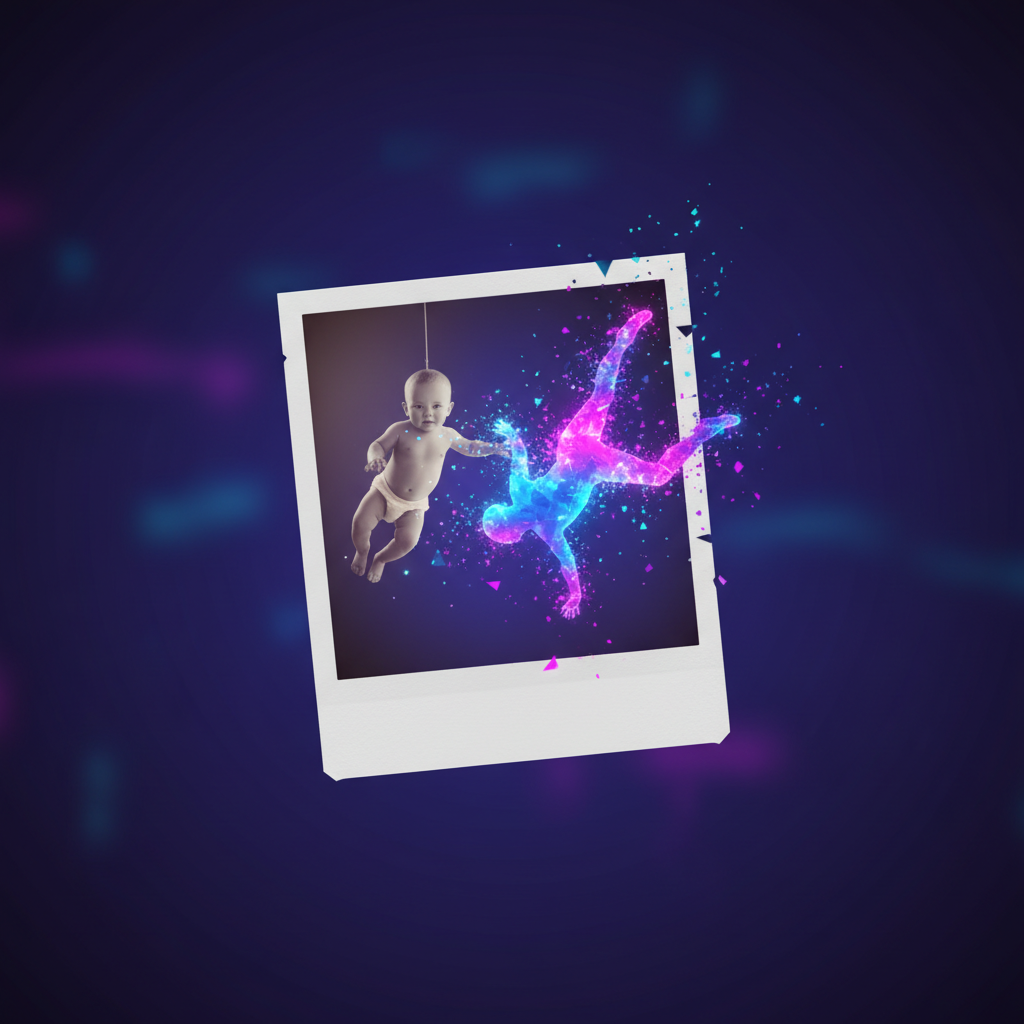
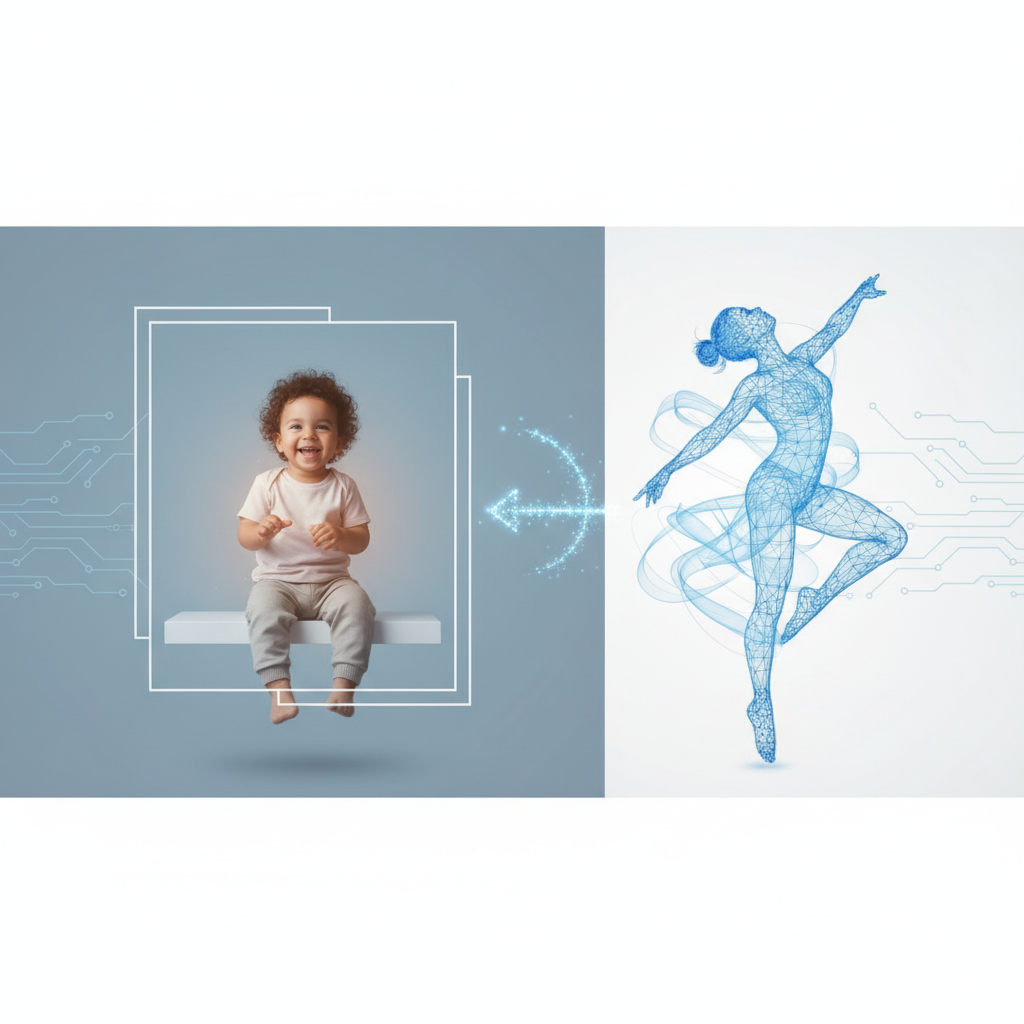
The technology works by taking a single static source image (the baby photo) and mapping it onto a 'driving video' (a professional dancer). Advanced generative AI models preserve the subject's identity while warping their skeletal structure to match the reference motion.
Under the Hood: How It Works
Pose Estimation: Extracting skeletal joints from the driving video (DensePose/OpenPose).
ReferenceNet: Analyzing the source image to understand texture, clothing, and facial features.
Motion Diffusion: Generating intermediate frames that blend the source texture with target poses.
Temporal Consistency: Ensuring the background and character don't flicker between frames.
Processing Speed Evolution (2022-2025)
As diffusion models have been optimized, the time required to generate a 10-second animation from a single photo has dropped significantly, making tools accessible for mobile users.
Popular Tools & Apps
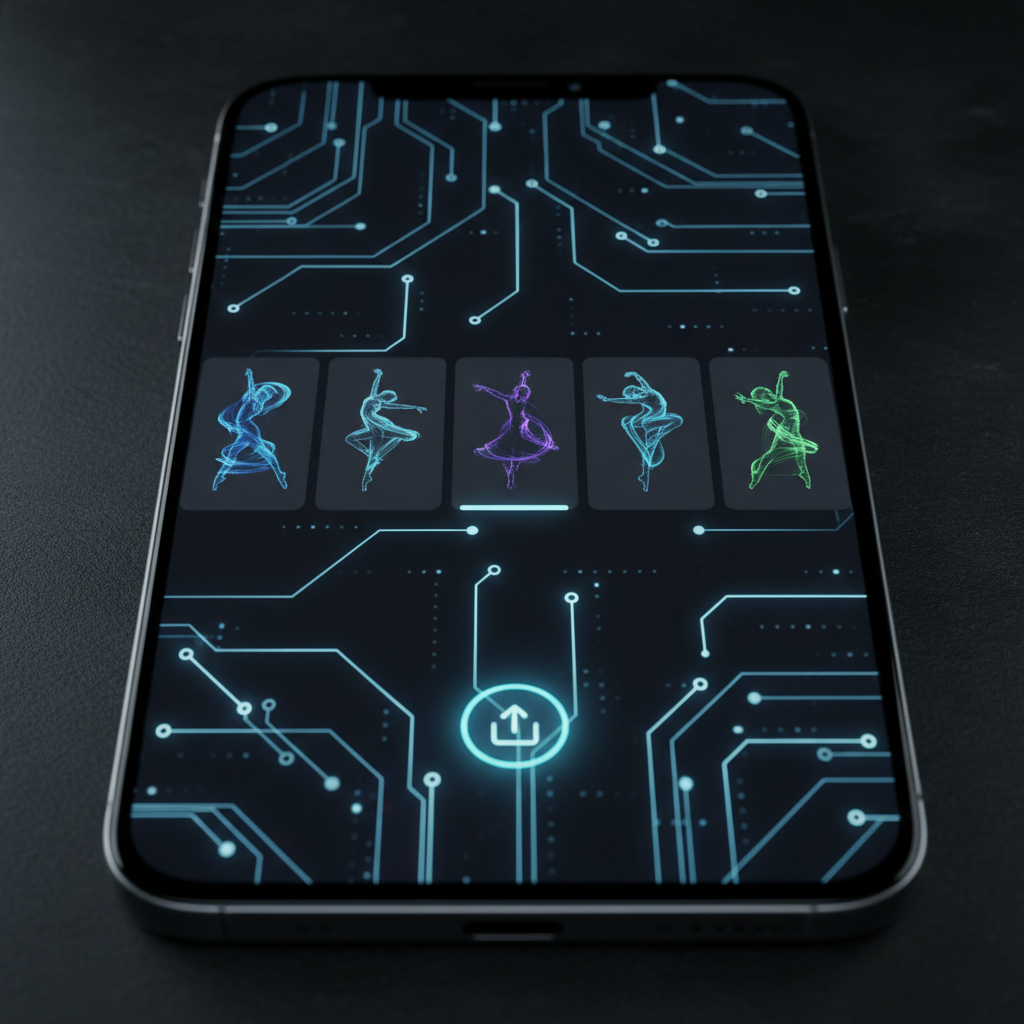
While early versions required complex Python coding, new consumer apps like Viggle, Animate Anyone implementations, and TikTok's native 'Photo Dance' filters have democratized the effect. Users simply tap 'Upload' and select a viral dance trend.
Current Limitations
Unnatural Distortion: Hands and feet often warp or disappear during complex moves.
Identity Loss: The baby's face may morph into the reference dancer's features at certain angles.
Background Stability: The area behind the subject often ripples or glitches (temporal flicker).
Clothing Physics: Loose clothing may not move realistically with the dance.
We are bridging the gap between memory and imagination, allowing us to see past moments perform in new, impossible ways.
TechCrunch Analysis, 2025
Ethical Considerations
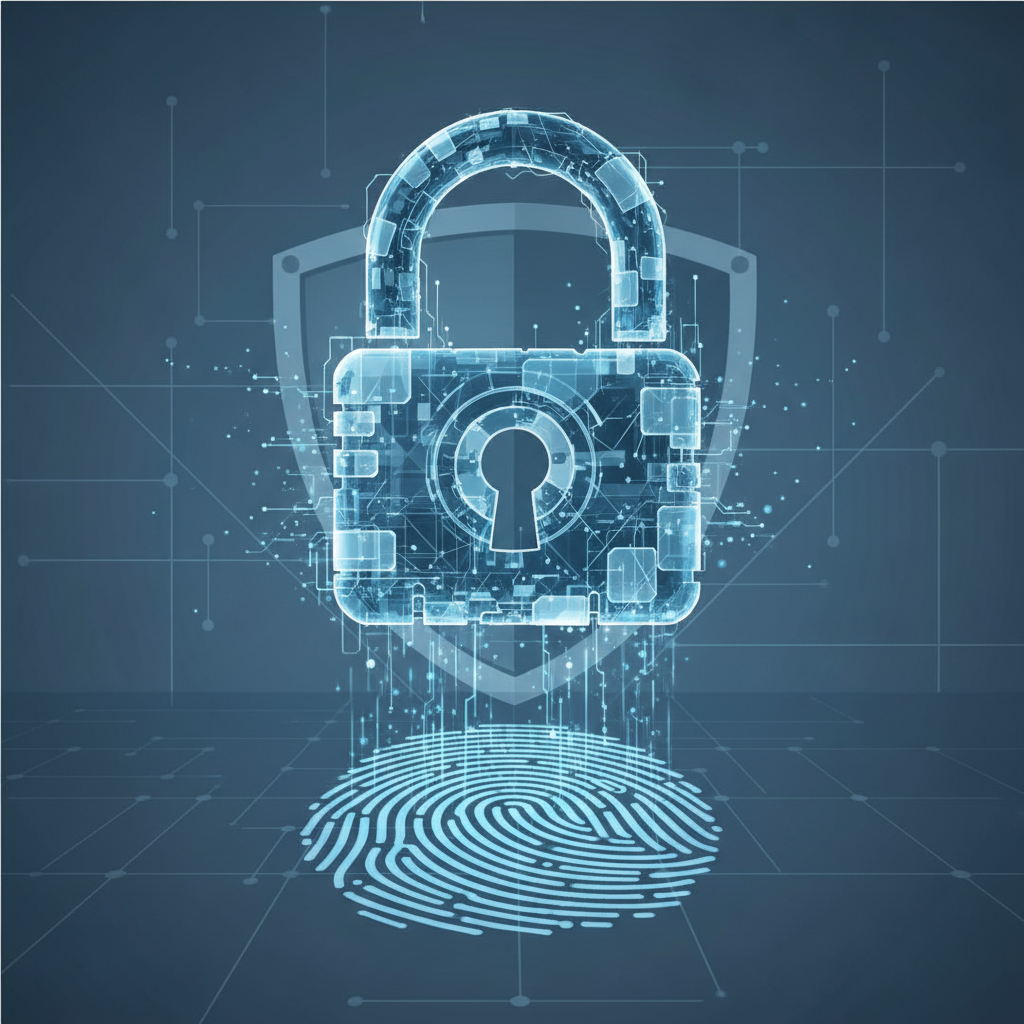
The ease of animating still photos raises concerns about deepfakes. While animating a baby photo seems harmless, the same tech can be used to make anyone do anything without consent. Parents must also consider the digital footprint created for their children without their permission.
Public Reaction to AI Animation
A 2025 survey on social media platforms reveals primarily positive reception centered on entertainment, though privacy concerns constitute a significant minority.
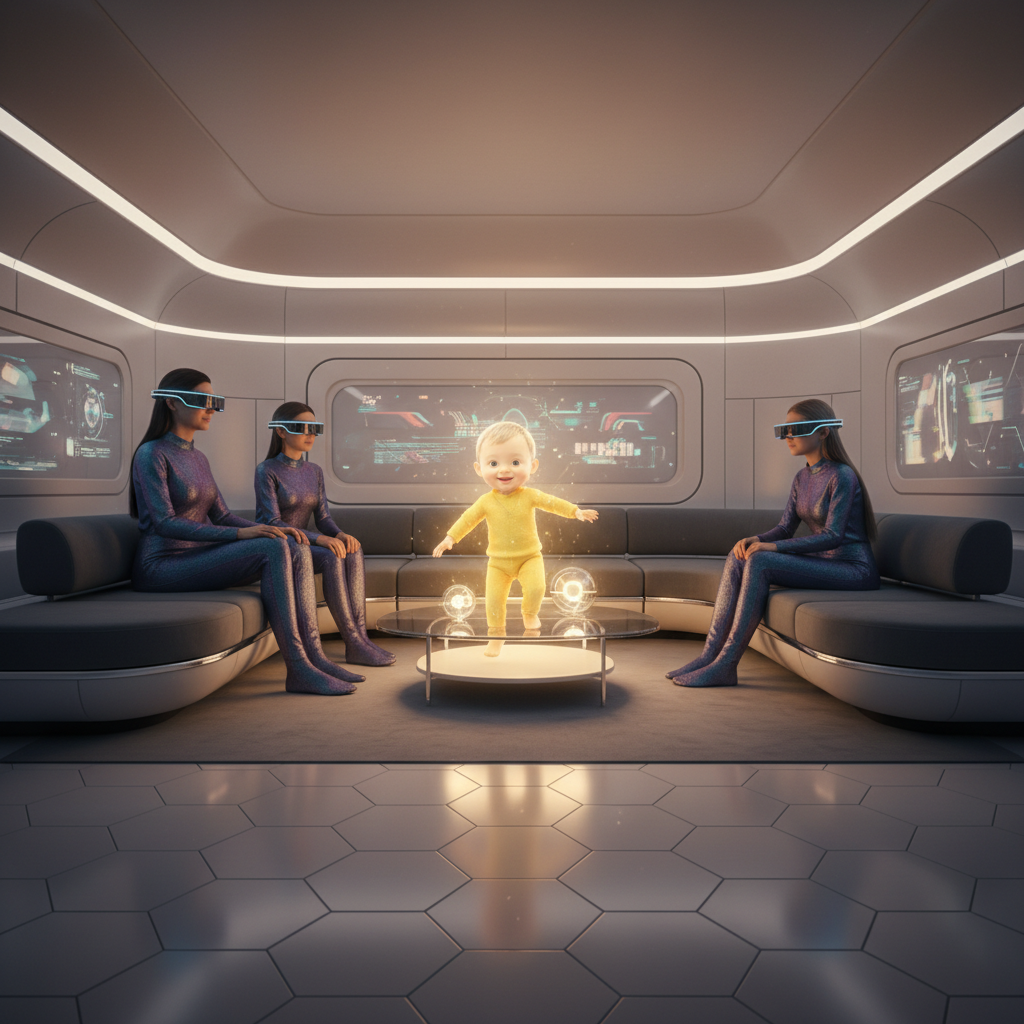
The Future: Static to Real-Time Holograms
- ai-animation
- image-to-video
- generative-ai
- viggle-ai
- deepfake-ethics
- motion-diffusion
- photo-dance