




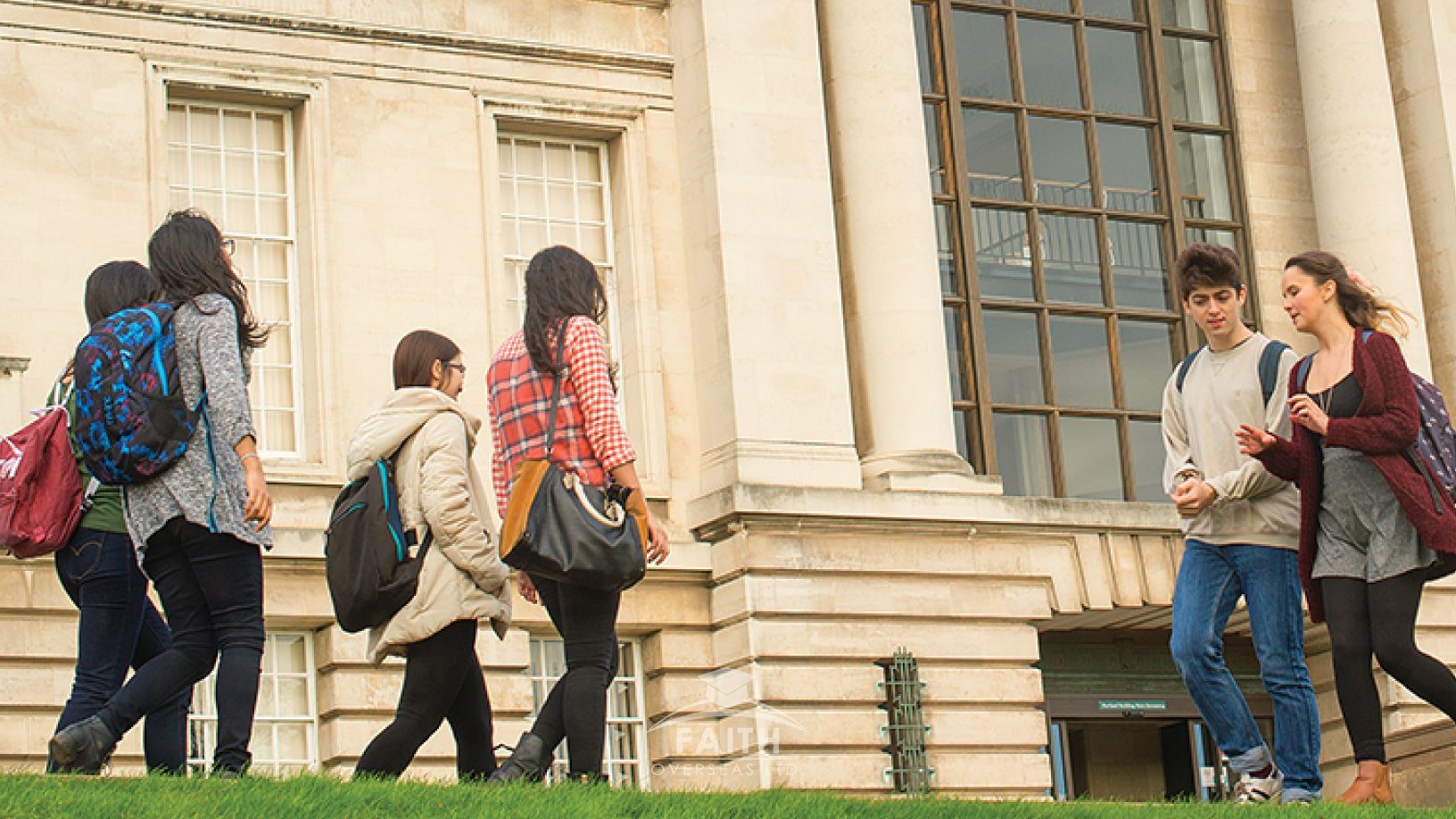
Culture Shock: Navigating the 4 Stages of Transition
Learn about the stages of culture shock, its psychological impact, and effective strategies for students and expats to adapt to new cultural environments.
Academic Presentation · 2026
Culture Shock:
Understanding and Navigating
the Challenges of Cultural Transition
[Student Name 1]
[Student Name 2]
[Group Name]
Introduction
What Is Culture Shock?
📌 Definition:
"Culture shock is the feeling of confusion and discomfort when a person moves to a new cultural environment." — Kalervo Oberg, 1960
🌍 Why It Matters:
Over 6 million students study abroad each year
Kazakhstan sends 70,000+ students abroad annually
Understanding it helps people adapt faster
👥 Who Experiences It?
Students on Bolashak scholarships
Teachers and expats working abroad
Migrants and refugee families
Speaker note: Culture shock is not a medical condition — it's a natural psychological response to cultural change.
03
Stages of Culture Shock
Honeymoon
Everything feels exciting & new
e.g. Loving London's cafés on arrival
Frustration
Confusion with local customs
e.g. "Why don't they remove shoes inside?"
Homesickness, irritation, fatigue
Adjustment
Starting to understand local rules
e.g. Learning to speak up in class
Acceptance
Feeling at home in both cultures
e.g. Celebrating Nauryz and Easter
Real example: A Kazakh student in Germany may love the food in week 1, feel lost in week 3, then fully adapt by month 4.
Speaker note: These stages were first described by anthropologist Kalervo Oberg in 1960 and are still widely used today.
04
Psychological & Emotional Impact
How Culture Shock Affects Us
😰
Anxiety & Stress
Fear of making social mistakes in class
e.g. Not knowing when to speak or stay quiet
Physical symptoms: fatigue, headaches, poor sleep
😔
Loneliness & Isolation
Missing family meals and traditions (e.g. beshbarmak)
Struggling to make local friends
Feeling invisible or misunderstood
🤔
Identity Confusion
"Should I follow my culture or fit in here?"
e.g. Feeling shame for speaking Kazakh in public
Loss of confidence and self-esteem
Real case: A Bolashak scholar in the UK reported crying weekly for 2 months due to loneliness and language stress.
Speaker note: Emotional impact varies by person — introverts may struggle more with social isolation, while others face identity challenges.
05
CASE STUDY
Culture Shock in Kazakhstan
Kazakh Students Abroad
Lectures in English only — hard to follow
Professors expect independent thinking
Eating alone without family gatherings
Homesick during Nauryz and Eid holidays
Real case: Aisha, 20, cried every week in Berlin because she missed her mother's cooking and couldn't understand her roommates' humor.
Foreigners in Kazakhstan
Surprised by 'Ассалаумагалейкум' greetings
Confused by dastarkhan — must eat everything offered
Unwritten rules: take off shoes, respect elders
Shocked by close-knit family culture
Real case: Tom, an English teacher in Almaty, was confused when students didn't speak up in class — later learned it's a sign of respect.
💡 Key insight: Culture shock is a two-way process — both guests and hosts must adapt.
06
Strategies to Overcome Culture Shock
🗣️
Learn Basic Language
Learn 10 basic phrases before arrival
e.g. Kazakh: 'Рахмет' = Thank you
It shows respect and opens doors
🧠
Stay Open-Minded
Don't judge — try to understand first
e.g. Accepting that silence means respect
Ask questions instead of assuming
👫
Build Social Connections
Join student clubs or cultural events
e.g. Find a Kazakh student club in your city
One good friend changes everything
📱
Use Technology
Google Translate, DeepL for daily use
WhatsApp/Zoom to stay close with family
Reddit, Facebook expat groups for tips
🌟 Remember: Every person who adapts successfully becomes more confident, empathetic, and globally aware.
07
Conclusion
Key Takeaways
Culture shock is a natural part of cultural transition
It follows predictable stages that can be managed
Emotional awareness helps reduce its negative impact
Kazakhstan offers a unique context for cultural exchange
Practical strategies make adaptation faster and easier
Intercultural competence is one of the most valuable skills in today's interconnected world.
Thank you for your attention!
Questions & Discussion
[Student Names] · [Group Name] · 2026
- culture-shock
- study-abroad
- cultural-adaptation
- international-students
- intercultural-competence
- bolashak-scholarship
- psychology