
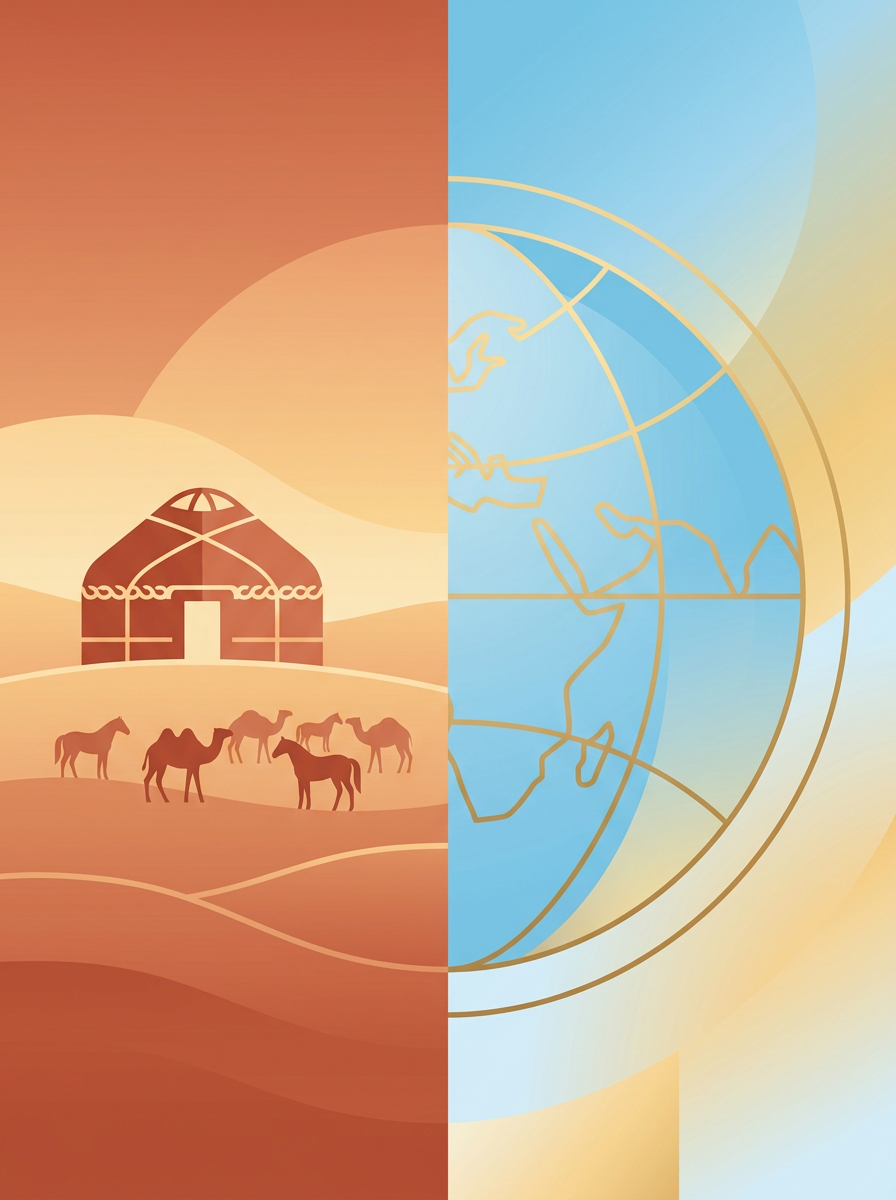
Understanding Culture Shock: Stages, Impacts & Strategies
Learn about the 4 stages of culture shock, its psychological impact, and effective strategies for navigating cultural transitions in a globalized world.
Culture Shock:
Understanding and Navigating the Challenges of Cultural Transition
Presented by:
[Student Name 1] | [Student Name 2]
[Group Name]
2025–2026
02
Introduction
What is Culture Shock?
A feeling of confusion and discomfort when experiencing a new culture
First described by anthropologist Kalervo Oberg (1960)
Why Does It Matter Today?
Globalization connects people across cultures every day
International education, migration, and travel are increasing
Who Experiences It?
International students studying abroad
Migrants and refugees moving to new countries
Business travelers and expatriates
Culture shock is a universal human experience that affects millions of people globally each year.
03
Stages of Culture Shock
Honeymoon
Everything feels exciting and new
High energy, curiosity, positive feelings
Frustration
Confusion and irritation grow
Differences feel overwhelming
Homesickness begins
Adjustment
Slowly understanding new norms
Building daily routines
Confidence starts to return
Acceptance
Feeling comfortable in new culture
Appreciation of differences
New sense of identity
HIGH ENERGY
DIP IN MOOD
GRADUAL RECOVERY
STABLE NORM
2025–2026
04
Psychological & Emotional Impact
😰
Anxiety & Stress
Fear of making cultural mistakes
Difficulty communicating in a new language
Feeling constantly on edge
Physical symptoms: sleep issues, fatigue
😔
Loneliness & Isolation
Missing family and close friends
Difficulty forming new friendships
Feeling invisible or misunderstood
Withdrawal from social activities
🪞
Identity Confusion
Questioning one's own cultural values
Feeling "in between" two worlds
Loss of self-confidence
Struggling with belonging
“Culture shock can challenge who we are — and help us grow.”
2025–2026
05
Culture Shock in Kazakhstan
Kazakh Students Abroad
Language barriers in English/Russian-speaking countries
Different teaching styles and academic expectations
Unfamiliar food, weather, and daily routines
Cultural stereotypes and homesickness
Foreigners in Kazakhstan
Learning Kazakh customs and traditions (Nauryz, hospitality norms)
Understanding collectivist vs. individualist values
Navigating Russian/Kazakh bilingual environment
Adapting to local social norms and dress codes
Example
A student from Almaty studying in Germany may struggle with direct communication styles unfamiliar in Kazakhstani culture.
06
Strategies to Overcome Culture Shock
Learn the Language
Study basic phrases before arrival
Use language apps (Duolingo, Google Translate)
Don't be afraid to make mistakes
Build Social Connections
Join clubs, student organizations, or community groups
Find both local friends and fellow expats
Attend cultural events and local gatherings
Stay Open-Minded
Observe before judging new customs
Ask questions with genuine curiosity
Accept that "different" is not "wrong"
Use Technology
Video calls to stay connected with family
Social media expat/student communities
Translation apps and cultural guides online
These strategies help turn culture shock from a crisis into an opportunity for personal growth.
07
Conclusion
Culture shock is a natural and universal experience
It has four clear stages: Honeymoon → Frustration → Adjustment → Acceptance
It affects mental health: anxiety, identity, loneliness
Kazakhstan offers a real-world context for both sides
Practical strategies can help us adapt successfully
Why It Matters
Intercultural skills are essential in today's global job market
Empathy and adaptability are top skills for the 21st century
Understanding culture shock builds stronger global citizens
"Every culture has something to teach us. Culture shock is just the beginning of that lesson."
Thank You
Questions?
- culture-shock
- travel
- study-abroad
- psychology
- cultural-adaptation
- global-citizenship
- kazakhstan