

Made byBobr AI

Year 8 Science Revision: Physics, Biology & Chemistry

Comprehensive Year 8 Science revision guide covering Light and Space, Respiration, Unicellular Organisms, Combustion, Metals, and Geological Rock Cycles.

#year-8-science#science-revision#ks3-science#physics-revision#biology-revision#chemistry-revision#space-and-light#rock-cycle
Watch
Pitch

Year 8 Science Revision

Light & Space · Respiration · Unicellular Organisms · Combustion · Metals · Rocks

Year 8 · Science Department
Made byBobr AI

What We'll Cover

Year 8 · Science Department
💡

Light & Space

🌍

Earth & Space

🫁

Respiration & Breathing

🦠

Unicellular Organisms

🔥

Combustion & Metals

🪨

Rocks

Made byBobr AI
01
Topic 01

Light on the Move

How light travels, what it is, and how it interacts with matter

Made byBobr AI

Light on the Move

Key Terms

Vacuum
Completely empty space, no particles.
Matter
All things made of matter; 3 states: solid, liquid, gas.
Transverse Wave
Vibrations at right angles to wave direction.
Longitudinal Wave
Particles vibrate same direction as wave.
Transparent
Light passes through without scattering.
Translucent
Lets light through but scatters it.
Opaque
Does not let light through.
Reflect
Bounce off a surface.
Absorb
Soak up / take in.
Transmit
Pass through a substance.
Year 8 Science
Made byBobr AI

Rays, Images & Shadows

Ray

A narrow beam of light, represented by a straight line with an arrow showing its direction.

Image

A picture formed when light rays intersect or appear to intersect in a mirror, on a screen, or behind a lens.

Shadow

A dark area where light cannot reach because an opaque object is blocking the light path.

Pinhole Camera

A simple device without a lens that forms an inverted image when light travels through a tiny hole.

Source

The original point or object where a wave or light beam begins its journey.

Scattered

Light deflected from a straight path as it reflects off a rough surface or travels through an imperfect medium.

Made byBobr AI
02
Section 02

Reflection

Laws of reflection, ray diagrams, and types of reflection

Made byBobr AI
Reflection — Key Terms & Law of Reflection

The Law of Reflection

Angle of Incidence = Angle of Reflection

Plane Mirror Smooth flat mirror.
Ray Box Equipment producing narrow light beam.
Normal Imaginary line at right angles to surface where light hits.
Incident Ray Ray going towards mirror.
Reflected Ray Ray bouncing off mirror.
Angle of Incidence Angle between incoming ray and normal.
Angle of Reflection Angle between normal and leaving ray.
Ray Tracing Method marking path of light ray.

SPECULAR REFLECTION

All reflected light goes same direction, smooth mirror.

DIFFUSE REFLECTION

Scattered in all directions, rough surface.

Year 8 Science
Made byBobr AI

Refraction & Lenses

Refraction
Change in direction when light goes from one transparent material to another
Interface
Boundary between two materials
Lens
Curved transparent material that changes direction of light rays
Converging Lens
Lens that makes rays come together
Angle of Refraction
Angle between normal and refracted ray
Focal Point
Where parallel rays are brought together by converging lens
Focal Length
Distance between centre of lens and focal point
Made byBobr AI

Cameras & the Human Eye

Digital Camera

uses electronics to record image

Sensor

detects light, converts to electrical signals

Retina

changes light energy into nerve impulses

Aperture

hole controlling how much light reaches sensor

Pupil

hole in front of eye that light passes through

Shutter

protects sensor, opens when photo is taken

Memory Card

stores images

Year 8 Science
Made byBobr AI
03

Earth & Space

Astronomers, seasons, gravity, and the universe

Made byBobr AI

Gathering the Evidence

History of Astronomy

Year 8 Science

Ptolemy

90–168 AD

Earth at the centre; Moon, Sun, and planets orbit around Earth.

Nicolaus Copernicus

1473–1543

Earth and planets orbit the Sun in circles.

Galileo Galilei

1564–1642

Used the telescope to observe the heavens, providing solid evidence for Copernicus' model.

Johannes Kepler

1571–1630

Sun at the centre; planets travel in elliptical orbits, and moons orbit planets.

Made byBobr AI

Seasons & Gravity

SUMMER

  • Northern hemisphere
    tilted toward Sun
  • Longer days
  • Sun high in sky

WINTER

  • Northern hemisphere
    tilted away
  • Longer nights
  • Sun low in sky
Year 8 Science
Gravity
Force exerted by all objects with mass pulling other objects.
Weight
Force of gravity, measured in Newtons (N).
Weight = mass × g
Gravitational Field Strength
10 N/kg at Earth's surface

Satellites

Definition
Anything orbiting a planet.
Natural
Moons naturally orbiting planets.
Artificial
Human-made, used for photography, TV, etc.
Made byBobr AI

Beyond the Solar System

Constellation
Pattern of stars
Stars
Huge balls of gas giving out energy; Sun is a star
Galaxy
Large group of stars
Milky Way
Our galaxy containing our Sun
Universe
All millions of galaxies combined
Light Year
Distance light travels in 1 year ≈ 10 million million km
Proxima Centauri
Nearest star to Sun, 4.22 light years away
Phases of the Moon
Moon appears different shapes due to its position relative to Earth and Sun
Spacecraft
Allow scientists to investigate space by collecting samples and readings
Year 8 Science
Made byBobr AI
04

Respiration
& Breathing

Aerobic & anaerobic respiration, gas exchange, and the circulatory system

Made byBobr AI

Aerobic Respiration

History of Discovery

🕯️

Robert Boyle

Conducted the candle in a jar experiment.

🧪

John Mayow

Identified the active part of the air.

🌬️

Priestley & Lavoisier

Proved oxygen is needed; showed it makes up 21% of air.

glucose + oxygen carbon dioxide + water
Left Side

Reactants

Starting substances,
found on the left side of the equation.

Right Side

Products

New substances made,
found on the right side of the equation.

Combustion vs. Respiration — same word equation, but an entirely different mechanism!

Aerobic Respiration

Using oxygen to release energy from glucose.

🔥

Combustion

Same word equation as respiration but a different process.

Year 8 Science
Made byBobr AI

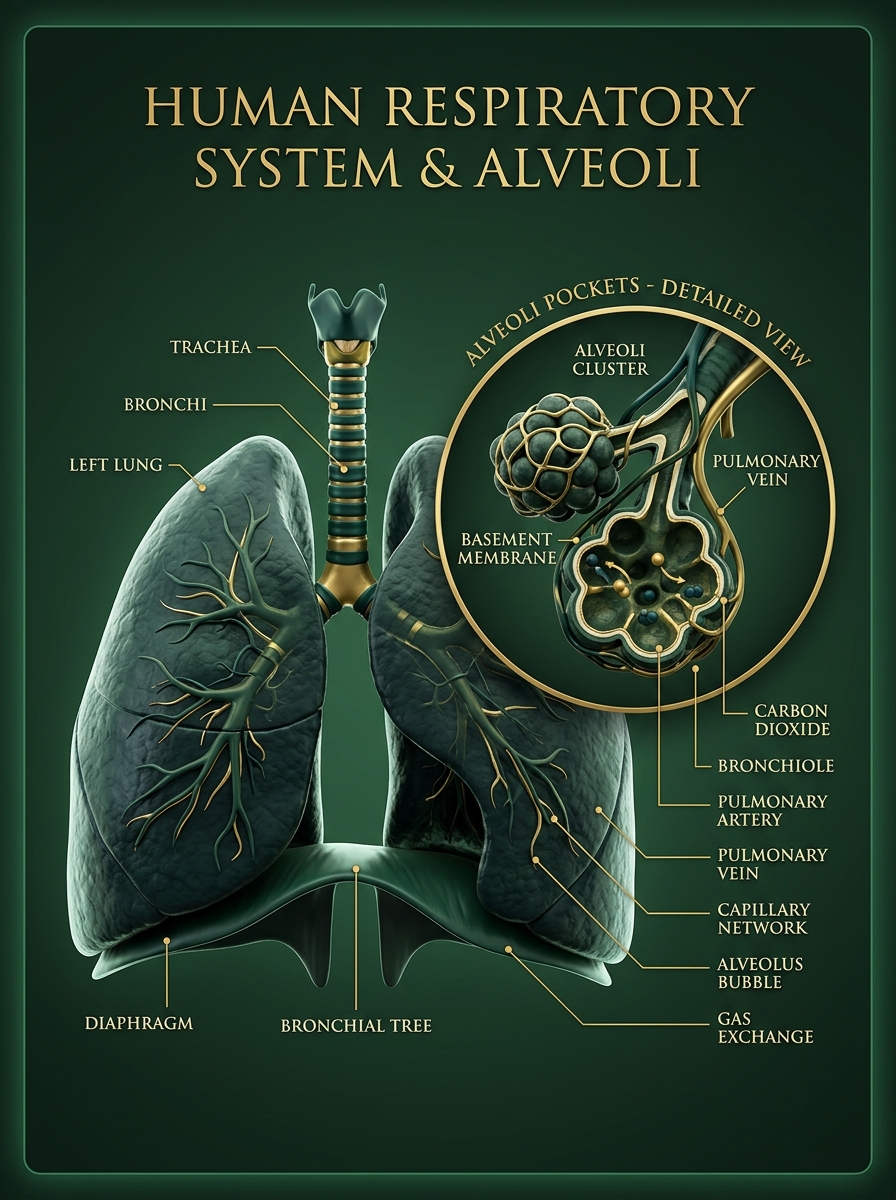
Gas Exchange System

Gas Exchange & Getting Oxygen

Gas Exchange
Year 8 Science

Gas Exchange Mechanics

Breathing
Muscle movement allowing lungs to expand/contract
Ventilation
Movement of air in/out of lungs
Diaphragm
Organ below lungs, contracts/relaxes
Diffusion
Movement of particles from high to low concentration
Alveoli
Little pockets in lungs — increase surface area, walls one cell thick for fast diffusion
Mucus
Sticky liquid trapping dirt/microorganisms
Cilia
Tiny hairs sweeping mucus from lungs

Blood & Vessel Systems

Red Blood Cells
Haemoglobin Oxygen binds here
Arteries
Capillaries
Veins
Plasma
Tissue Fluid
Made byBobr AI

Anaerobic Respiration

Glucose Lactic Acid
1

Anaerobic Process

Occurs in the cytoplasm when no oxygen is available, primarily during strenuous exercise.

2

Energy Yield

Anaerobic respiration releases significantly LESS energy compared to aerobic respiration.

3

Advantages

Provides a quick, sudden burst of energy exactly when the body forcefully demands it.

4

After Exercise

Lactic acid diffuses into the blood, is carried to the liver, and is converted back to glucose.

Exercise Phase
Oxygen Demand > Supply
Recovery Phase
EPOC (Oxygen Debt)

EPOC / Oxygen Debt

Extra oxygen needed after exercise to replace lost oxygen and convert lactic acid back to glucose.

Feature Aerobic Anaerobic
Oxygen Required Not required
Products CO₂ + Water Lactic Acid
Energy Yield High Low
Year 8 Science
Made byBobr AI
05

Unicellular Organisms

Cells, microorganisms, fungi, bacteria, protoctists, and the carbon cycle

Made byBobr AI

The Five Kingdoms of Life

🦠

UNICELLULAR

One cell (e.g. bacteria, amoeba)

VS
🧑‍🤝‍🧑

MULTICELLULAR

Many cells (e.g. humans, plants)

🦠

PROKARYOTES

Unicellular
No nucleus
🧫

PROTOCTISTS

Mainly unicellular
Have nucleus
🍄

FUNGI

Mainly multicellular
Nucleus
No own food
🌿

PLANTS

Multicellular
Nucleus
Make own food
🐾

ANIMALS

Multicellular
Nucleus
No own food
No cell wall

Microorganisms

Too small to see without a microscope.

Diffusion

Particles spread out to fill the available space.

Viruses

Not living — cannot survive without a host cell.

Year 8 Science
Made byBobr AI

Microorganisms in Detail

FUNGI

Budding
(asexual reproduction — small new cell grows from parent)
Fermentation
(anaerobic respiration: glucose → CO2 + water)
Population
Limiting Factor

BACTERIA

Binary Fission
(cell splits into two)
Chromosome
(instructions for organism)
Flagella
(tail for movement)
Lactic Acid
(glucose → lactic acid)

PROTOCTISTS

Algae
(uses photosynthesis)
Chloroplast
(site of photosynthesis)
Chlorophyll
(green substance absorbing light)
Producers
(make own food, start of food chain)
Year 8 Science
Photosynthesis equation: CO2 + water → glucose + oxygen
Made byBobr AI
Photosynthesis
Respiration
Feeding
Decomposition
Combustion

Decomposers & the Carbon Cycle

Ecosystem

All environmental factors + organisms in a habitat

Decomposers

Feed on dead organisms/waste, recycle substances

Decay

Breakdown of dead organisms

Carbon Cycle

Shows how carbon compounds are recycled

Combustion

Burning fuels releasing CO₂

Feeding

Transfers carbon from plants to animals

Essential Nutrients

Carbohydrates

Energy source

Proteins

Growth and repair

Fats

Energy storage, insulator

Year 8 Science
Made byBobr AI
06

Combustion

Fuels, burning, fire safety, air pollution, and global warming

Made byBobr AI

Fuels & Oxidation

Year 8 Science
Fuel
Substance from which stored energy can be usefully transferred.
Fossil Fuels
Formed from living organisms millions of years ago — e.g., petrol, diesel.
Hydrocarbons
Compounds that contain only carbon and hydrogen atoms.
Combustion
Burning in air, gives out energy as heat and light.
Fuel Cell
Special cells that release energy directly from hydrogen.
Fuel Cell Equation
Hydrogen + OxygenWater
Oxidation
The chemical process of reacting with oxygen.
Oxide
A chemical compound formed by the process of oxidation.
Reactants
The starting substances in a reaction.
Products
The new substances formed as a result.
Metal Oxides Reaction
Metal + OxygenMetal Oxide
Conservation of Mass
Mass is never gained or lost — atoms just rearrange.
Example: Heating Zinc in Air
Forms white zinc oxide. Mass appears to increase as oxygen from the air is added.
Made byBobr AI

Fire Safety & Air Pollution

The Fire Triangle

HEAT
OXYGEN
FUEL
Remove ONE side to put out the fire!

Fire Extinguishers & Exceptions

🛢️ Oil Fire
Use foam/blanket.
NOT WATER (makes oil splash & spread).
Electrical Fire
Turn off electricity. Use powder/CO₂.
NOT WATER (risk of fatal shock).

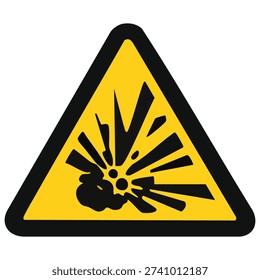
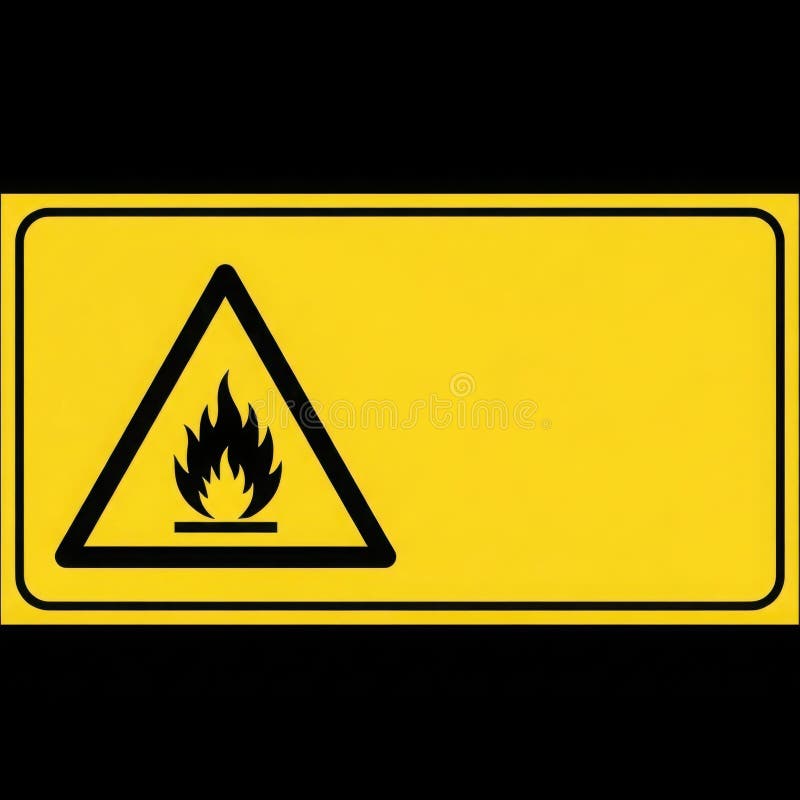
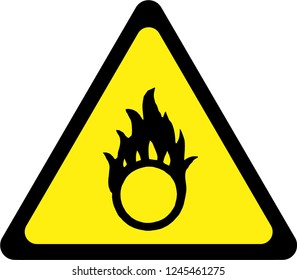
Hazards

Explosive
Flammable
Oxidising
Year 8 Science

Combustion & Air Pollution

Complete Combustion
Plenty of O₂. Produces only CO₂ and water. Less dangerous, though CO₂ is a greenhouse gas.
Incomplete Combustion
Not enough O₂. Leads to highly harmful by-products being released into the atmosphere.
Products of Incomplete Combustion
  • Carbon Dioxide (CO₂) — Contributes to global warming.
  • Carbon Monoxide (CO) — Poisonous, colourless, and odourless gas.
  • Soot (Carbon particles) — Damages lungs, blocks pipes, and causes smog.
Sulfur Dioxide (SO₂)
Comes from naturally occurring sulfur impurities in fossil fuels burning.
Nitrogen Oxides (NOₓ)
Formed because high engine temperatures cause atmospheric N₂ and O₂ to react.
🚗 Catalytic Converters
Fitted in car exhausts. Converts harmful CO into CO₂ and safely breaks down NOₓ.
🌧️ Acid Rain
SO₂ and NOₓ float into the atmosphere and dissolve in water vapour, acidifying rain.
Made byBobr AI
Year 8 Science

Global Warming & Climate Change

More CO₂ = Warmer Earth = Climate Change

Greenhouse Gases

Gases that trap energy from the Sun in the atmosphere (e.g., CO₂, Methane).

Greenhouse Effect

Energy trapped by greenhouse gases is transferred back to Earth's surface, causing warming.

Global Warming

The long-term increase in global temperatures due to a higher concentration of greenhouse gases.

Climate Change

Significant changes to global weather patterns, leading to more extreme storms, floods, and droughts.

Evidence

Average global temperatures are increasing, and polar ice caps are melting at a rapid rate.

Temperature Trend
Made byBobr AI
07

Metals & Their Uses

Properties, corrosion, reactivity series, acids, and alloys

Year 8 · Science Department
Made byBobr AI

Metal Properties & Corrosion

Physical Properties

Observable characteristics like melting point, density, and conductivity.

Chemical Properties

Describes how a substance acts and reacts with other substances.

Properties of Metals

High melting points Strong Flexible Malleable Shiny Good conductors

Specific Metal Uses

Cu

Copper

Good conductor, used in circuits & water pipes. Unreactive, non-poisonous, malleable.

Al

Aluminium

Strong and light, used in window frames.

CC

Catalytic Converter

Platinum, palladium & rhodium — converts dangerous gases.

O₂

Corrosion

Any reaction with oxygen at the metal surface.

Rusting (Corrosion of Iron)

Requires both water AND oxygen.

iron + oxygen + water → iron hydroxide

Titanium Corrosion

Ti + O₂ → TiO₂

Preventing Rust (Barriers)

Paint Plastic Oil Barriers
Year 8 Science
Made byBobr AI

The Reactivity Series

Increasing Reactivity
🔥 Potassium
🔥 Sodium
Lithium
Calcium
Magnesium
Aluminium
Zinc
Iron
Tin
Lead
🛑 Copper
🛑 Mercury
🛑 Silver
🛑 Gold
🛑 Platinum

Reactivity

How quickly/vigorously something reacts.

Reactivity Series

List of metals in order of reactivity.

Metals & Water

Produce metal hydroxide + hydrogen;

sodium + water → sodium hydroxide + hydrogen

Effervescence

Production of gas when metals react with acid.

Reaction Key

🔥 Catches fire
Reacts very quickly
Reacts
Slow/partial
🛑 No reaction
Year 8 Science
Made byBobr AI

Metals, Acids & Alloys

metal + acid → salt + hydrogen

magnesium + sulfuric acid → magnesium sulfate + hydrogen

Acid Naming Rules

Hydrochloric Acid (HCl) → chloride salts
Sulfuric Acid (H₂SO₄) → sulfate salts
Nitric Acid (HNO₃) → nitrate salts

How to Obtain Salts

🧪

1. Mix

⚗️

2. Filter

🔥

3. Evaporate

Year 8 Science

Alloys

What is it? Mixture of metals.
Why are they stronger?
Different atom sizes prevent layers from sliding over each other. This makes the alloy much harder than pure metals.

Common Examples

🔧

Solder

Lead + Tin
  • Property: Lower melting point
  • Use: Pipes & electrical joints
✈️

Duralumin

Aluminium + Copper + Magnesium
  • Property: Lighter & stronger
  • Use: Aircraft construction
🍴

Stainless Steel

Iron + Carbon + Cr + Nickel
  • Property: Stronger & corrosion resistant
  • Use: Cutlery, surgical tools, sinks
Made byBobr AI
08

Rocks

Rock types, weathering, erosion, the rock cycle, and materials in the Earth

Section 08 · Geological Sciences
Made byBobr AI

Rocks & Their Properties

Geologist
Scientist studying rocks and Earth
Rocks
Naturally occurring substances made of different grains
Minerals
Chemical compounds found in rocks
Texture
Combination of sizes and shapes of grains
Interlocking Crystals
Grains fit together closely — firm, don't wear away easily
Rounded Grains
Gaps fall between grains — not strong, wear away easily
Porous
Rounded grain rocks that absorb and hold water
Permeable
Water is capable of running straight through

Uses of Rocks

Cement
Key building material made from limestone
Concrete
Composite mixture of cement + sand + gravel
Year 8 Science
Made byBobr AI

Igneous & Metamorphic Rocks

Igneous Rocks

Formed when molten rock cools (e.g., basalt, granite)
  • Magma: molten rock underground
  • Lava: magma reaching Earth's surface
  • Small Crystals: fast cooling = less time to arrange
  • Large Crystals: slow cooling = more time for large grid pattern
  • Extrusive: cooling above surface
  • Intrusive: cooling underground

Metamorphic Rocks

Formed by pressure and heat changing other rocks
Examples:
  • Schist and Gneiss (from granite)
  • Slate (from mudstone)
  • Marble (from limestone)
Metamorphic Texture:
Interlocking crystals, may form coloured bands
Basalt & Granite Specimen
Earth Structure (Crust, Mantle, Core)
Marble & Slate Specimen
Year 8 Science
Made byBobr AI

Weathering & Erosion

CHEMICAL WEATHERING

Acidic rainwater reacts with minerals, wearing rocks away.

BIOLOGICAL WEATHERING

Plant roots splitting rocks apart.

PHYSICAL WEATHERING

Freeze-thaw action: (water in cracks → freezes → expands → crack gets bigger)

Temperature changes causing expansion and contraction.

Erosion

Movement of loose/weathered rock

Abrasion

Rock fragments bumping into each other

Sediment

Bits of rock/sand in streams

Glacier

Rivers of ice transporting large rocks

Year 8 Science
Made byBobr AI

Sedimentary Rocks & The Rock Cycle

Sedimentary Rocks

Formed from layers of sediment experiencing compaction and cementation (e.g. sandstone, mudstone).

Compaction

Heavy overlaying layers create pressure that forces water out and squashes grains tightly together.

Cementation

Dissolved minerals crystallize in the gaps between sediments, acting as a natural glue.

Texture

Always composed of rounded grains that have been worn down by physical weathering and erosion.

Year 8 Science
Cools
Weathering &
Erosion
Compaction & Cementation
Heat &
Pressure
Melting
Magma
Igneous Rock
Sediment
Sedimentary Rock
Metamorphic Rock
Made byBobr AI
Year 8 Science

Materials in the Earth

Native State

Metals found as pure elements in rocks, requiring no chemical extraction.

Ores

Rocks containing enough metal or valuable compound worth mining commercially.

Extracting Ores

A multi-step process: Mining → Crushing → Chemical Reactions to purify.

Mining Problems

Destroys natural habitats on a massive scale and causes severe pollution.

Rare Metals

Excessively hard to obtain in high concentrations, making them very expensive.

Recycling

Using a material again rather than extracting raw ones or trashing them.

Recycling Advantages

Cuts down on mining pollution and landfill waste; allows raw material supplies to last longer; requires significantly less energy than extracting new ores.

Recycling: Better for the Planet!
Environment
Supply Lasts Longer
Less Energy
Made byBobr AI

Revision Tips & Resources

🗂️

Flash Cards

Write the term on one side, definition on the other

📖

Word Banks

Create a glossary with all key definitions

Q Cards

Write questions and test yourself

✏️

Diagrams

Label diagrams: eye, lungs, rock cycle, etc.

You've got this! Highlight each definition once you know it ✓
🌐
Top Resources
BBC Bitesize • Seneca Learning
Year 8 · Science Department
Made byBobr AI
Bobr AI

DESIGNER-MADE
PRESENTATION,
GENERATED FROM
YOUR PROMPT

Create your own professional slide deck with real images, data charts, and unique design in under a minute.

Generate For Free

Year 8 Science Revision: Physics, Biology & Chemistry

Comprehensive Year 8 Science revision guide covering Light and Space, Respiration, Unicellular Organisms, Combustion, Metals, and Geological Rock Cycles.

Year 8 Science Revision

Light & Space · Respiration · Unicellular Organisms · Combustion · Metals · Rocks

Year 8 · Science Department

What We'll Cover

Year 8 · Science Department

Light & Space

Earth & Space

Respiration & Breathing

Unicellular Organisms

Combustion & Metals

Rocks

01

Light on the Move

How light travels, what it is, and how it interacts with matter

Light on the Move

Key Terms

Vacuum

Completely empty space, no particles.

Matter

All things made of matter; 3 states: solid, liquid, gas.

Transverse Wave

Vibrations at right angles to wave direction.

Longitudinal Wave

Particles vibrate same direction as wave.

Transparent

Light passes through without scattering.

Translucent

Lets light through but scatters it.

Opaque

Does not let light through.

Reflect

Bounce off a surface.

Absorb

Soak up / take in.

Transmit

Pass through a substance.

Year 8 Science

Rays, Images & Shadows

Ray

A narrow beam of light, represented by a straight line with an arrow showing its direction.

Image

A picture formed when light rays intersect or appear to intersect in a mirror, on a screen, or behind a lens.

Shadow

A dark area where light cannot reach because an opaque object is blocking the light path.

Pinhole Camera

A simple device without a lens that forms an inverted image when light travels through a tiny hole.

Source

The original point or object where a wave or light beam begins its journey.

Scattered

Light deflected from a straight path as it reflects off a rough surface or travels through an imperfect medium.

Reflection

Laws of reflection, ray diagrams, and types of reflection

02

Reflection — Key Terms & Law of Reflection

The Law of Reflection

Angle of Incidence = Angle of Reflection

Plane Mirror

Smooth flat mirror.

Ray Box

Equipment producing narrow light beam.

Normal

Imaginary line at right angles to surface where light hits.

Incident Ray

Ray going towards mirror.

Reflected Ray

Ray bouncing off mirror.

Angle of Incidence

Angle between incoming ray and normal.

Angle of Reflection

Angle between normal and leaving ray.

Ray Tracing

Method marking path of light ray.

SPECULAR REFLECTION

All reflected light goes same direction, smooth mirror.

DIFFUSE REFLECTION

Scattered in all directions, rough surface.

Year 8 Science

Refraction & Lenses

Refraction

Change in direction when light goes from one transparent material to another

Interface

Boundary between two materials

Lens

Curved transparent material that changes direction of light rays

Converging Lens

Lens that makes rays come together

Angle of Refraction

Angle between normal and refracted ray

Focal Point

Where parallel rays are brought together by converging lens

Focal Length

Distance between centre of lens and focal point

Cameras & the Human Eye

Year 8 Science

Digital Camera

uses electronics to record image

Sensor

detects light, converts to electrical signals

Retina

changes light energy into nerve impulses

Aperture

hole controlling how much light reaches sensor

Pupil

hole in front of eye that light passes through

Shutter

protects sensor, opens when photo is taken

Memory Card

stores images

03

Earth & Space

Astronomers, seasons, gravity, and the universe

Gathering the Evidence

History of Astronomy

Year 8 Science

Ptolemy

90–168 AD

Earth at the centre; Moon, Sun, and planets orbit around Earth.

Nicolaus Copernicus

1473–1543

Earth and planets orbit the Sun in circles.

Galileo Galilei

1564–1642

Used the telescope to observe the heavens, providing solid evidence for Copernicus' model.

Johannes Kepler

1571–1630

Sun at the centre; planets travel in <span style="color: #F4B41A; font-weight: 700;">elliptical</span> orbits, and moons orbit planets.

Seasons & Gravity

Year 8 Science

Beyond the Solar System

Year 8 Science

Constellation

Pattern of stars

Stars

Huge balls of gas giving out energy; Sun is a star

Galaxy

Large group of stars

Milky Way

Our galaxy containing our Sun

Universe

All millions of galaxies combined

Light Year

Distance light travels in 1 year ≈ 10 million million km

Proxima Centauri

Nearest star to Sun, 4.22 light years away

Phases of the Moon

Moon appears different shapes due to its position relative to Earth and Sun

Spacecraft

Allow scientists to investigate space by collecting samples and readings

04

Respiration

& Breathing

Aerobic & anaerobic respiration, gas exchange, and the circulatory system

Aerobic Respiration

Conducted the candle in a jar experiment.

Identified the active part of the air.

Proved oxygen is needed; showed it makes up 21% of air.

glucose <span style="color:#F4B41A">+</span> oxygen <span style="color:#F4B41A">&rarr;</span> carbon dioxide <span style="color:#F4B41A">+</span> water

Starting substances,<br>found on the left side of the equation.

New substances made,<br>found on the right side of the equation.

<strong style="color: #F4B41A; font-weight: 700;">Combustion vs. Respiration</strong> &mdash; same word equation, but an entirely different mechanism!

Using oxygen to release energy from glucose.

Same word equation as respiration but a different process.

Year 8 Science

Gas Exchange System

Gas Exchange & Getting Oxygen

Year 8 Science

Breathing

Muscle movement allowing lungs to expand/contract

Ventilation

Movement of air in/out of lungs

Diaphragm

Organ below lungs, contracts/relaxes

Alveoli

Little pockets in lungs — increase surface area, walls one cell thick for fast diffusion

Diffusion

Movement of particles from high to low concentration

Mucus

Sticky liquid trapping dirt/microorganisms

Cilia

Tiny hairs sweeping mucus from lungs

Red Blood Cells

Haemoglobin

Oxygen binds here

Arteries

Capillaries

Veins

Plasma

Tissue Fluid

Anaerobic Respiration

Glucose

Lactic Acid

Anaerobic Process

Occurs in the cytoplasm when no oxygen is available, primarily during strenuous exercise.

Energy Yield

Anaerobic respiration releases significantly LESS energy compared to aerobic respiration.

Advantages

Provides a quick, sudden burst of energy exactly when the body forcefully demands it.

After Exercise

Lactic acid diffuses into the blood, is carried to the liver, and is converted back to glucose.

EPOC / Oxygen Debt

Extra oxygen needed after exercise to replace lost oxygen and convert lactic acid back to glucose.

Feature

Aerobic

Anaerobic

Oxygen

Required

Not required

Products

CO₂ + Water

Lactic Acid

Energy Yield

High

Low

Year 8 Science

05

Unicellular Organisms

Cells, microorganisms, fungi, bacteria, protoctists, and the carbon cycle

The Five Kingdoms of Life

UNICELLULAR

One cell (e.g. bacteria, amoeba)

MULTICELLULAR

Many cells (e.g. humans, plants)

PROKARYOTES

<div style='display: flex; flex-direction: column; gap: 12px; font-size: 19px;'><div style='display: flex; align-items: flex-start; gap: 12px;'><span style='color: #F4B41A; font-weight: bold;'>•</span> <span style='opacity: 0.9;'>Unicellular</span></div><div style='display: flex; align-items: flex-start; gap: 12px;'><span style='color: #F4B41A; font-weight: bold;'>•</span> <span style='opacity: 0.9;'>No nucleus</span></div></div>

PROTOCTISTS

<div style='display: flex; flex-direction: column; gap: 12px; font-size: 19px;'><div style='display: flex; align-items: flex-start; gap: 12px;'><span style='color: #AEE2D0; font-weight: bold;'>•</span> <span style='opacity: 0.9;'>Mainly unicellular</span></div><div style='display: flex; align-items: flex-start; gap: 12px;'><span style='color: #AEE2D0; font-weight: bold;'>•</span> <span style='opacity: 0.9;'>Have nucleus</span></div></div>

FUNGI

<div style='display: flex; flex-direction: column; gap: 12px; font-size: 19px;'><div style='display: flex; align-items: flex-start; gap: 12px;'><span style='color: #FF8C00; font-weight: bold;'>•</span> <span style='opacity: 0.9;'>Mainly multicellular</span></div><div style='display: flex; align-items: flex-start; gap: 12px;'><span style='color: #FF8C00; font-weight: bold;'>•</span> <span style='opacity: 0.9;'>Nucleus</span></div><div style='display: flex; align-items: flex-start; gap: 12px;'><span style='color: #FF8C00; font-weight: bold;'>•</span> <span style='opacity: 0.9;'>No own food</span></div></div>

PLANTS

<div style='display: flex; flex-direction: column; gap: 12px; font-size: 19px;'><div style='display: flex; align-items: flex-start; gap: 12px;'><span style='color: #32CD32; font-weight: bold;'>•</span> <span style='opacity: 0.9;'>Multicellular</span></div><div style='display: flex; align-items: flex-start; gap: 12px;'><span style='color: #32CD32; font-weight: bold;'>•</span> <span style='opacity: 0.9;'>Nucleus</span></div><div style='display: flex; align-items: flex-start; gap: 12px;'><span style='color: #32CD32; font-weight: bold;'>•</span> <span style='opacity: 0.9;'>Make own food</span></div></div>

ANIMALS

<div style='display: flex; flex-direction: column; gap: 12px; font-size: 19px;'><div style='display: flex; align-items: flex-start; gap: 12px;'><span style='color: #DC143C; font-weight: bold;'>•</span> <span style='opacity: 0.9;'>Multicellular</span></div><div style='display: flex; align-items: flex-start; gap: 12px;'><span style='color: #DC143C; font-weight: bold;'>•</span> <span style='opacity: 0.9;'>Nucleus</span></div><div style='display: flex; align-items: flex-start; gap: 12px;'><span style='color: #DC143C; font-weight: bold;'>•</span> <span style='opacity: 0.9;'>No own food</span></div><div style='display: flex; align-items: flex-start; gap: 12px;'><span style='color: #DC143C; font-weight: bold;'>•</span> <span style='opacity: 0.9;'>No cell wall</span></div></div>

Microorganisms

Too small to see without a microscope.

Diffusion

Particles spread out to fill the available space.

Viruses

Not living — cannot survive without a host cell.

Year 8 Science

Microorganisms in Detail

FUNGI

Budding

(asexual reproduction — small new cell grows from parent)

Fermentation

(anaerobic respiration: glucose → CO2 + water)

Population

Limiting Factor

BACTERIA

Binary Fission

(cell splits into two)

Chromosome

(instructions for organism)

Flagella

(tail for movement)

Lactic Acid

(glucose → lactic acid)

PROTOCTISTS

Algae

(uses photosynthesis)

Chloroplast

(site of photosynthesis)

Chlorophyll

(green substance absorbing light)

Producers

(make own food, start of food chain)

Year 8 Science

CO2 + water → glucose + oxygen

Decomposers & the Carbon Cycle

Photosynthesis

Respiration

Feeding

Decomposition

Combustion

Ecosystem

All environmental factors + organisms in a habitat

Decomposers

Feed on dead organisms/waste, recycle substances

Decay

Breakdown of dead organisms

Carbon Cycle

Shows how carbon compounds are recycled

Combustion

Burning fuels releasing CO₂

Feeding

Transfers carbon from plants to animals

Essential Nutrients

Carbohydrates

Energy source

Proteins

Growth and repair

Fats

Energy storage, insulator

Year 8 Science

Combustion

06

Fuels, burning, fire safety, air pollution, and global warming

Fuels & Oxidation

Year 8 Science

Fuel

Substance from which stored energy can be usefully transferred.

Fossil Fuels

Formed from living organisms millions of years ago — e.g., petrol, diesel.

Hydrocarbons

Compounds that contain only carbon and hydrogen atoms.

Combustion

Burning in air, gives out energy as heat and light.

Fuel Cell

Special cells that release energy directly from hydrogen.

Hydrogen

Oxygen

Water

Oxidation

The chemical process of reacting with oxygen.

Oxide

A chemical compound formed by the process of oxidation.

Reactants

The starting substances in a reaction.

Products

The new substances formed as a result.

Metal

Oxygen

Metal Oxide

Conservation of Mass

Mass is never gained or lost — atoms just rearrange.

Forms white zinc oxide. Mass appears to increase as oxygen from the air is added.

Fire Safety & Air Pollution

Year 8 Science

Global Warming & Climate Change

More CO₂ = Warmer Earth = Climate Change

Year 8 Science

Greenhouse Gases

Gases that trap energy from the Sun in the atmosphere (e.g., CO₂, Methane).

Greenhouse Effect

Energy trapped by greenhouse gases is transferred back to Earth's surface, causing warming.

Global Warming

The long-term increase in global temperatures due to a higher concentration of greenhouse gases.

Climate Change

Significant changes to global weather patterns, leading to more extreme storms, floods, and droughts.

Evidence

Average global temperatures are increasing, and polar ice caps are melting at a rapid rate.

07

Metals & Their Uses

Properties, corrosion, reactivity series, acids, and alloys

Year 8 · Science Department

Metal Properties & Corrosion

Physical Properties

Observable characteristics like melting point, density, and conductivity.

Chemical Properties

Describes how a substance acts and reacts with other substances.

Properties of Metals

Specific Metal Uses

Copper

Good conductor, used in circuits & water pipes. Unreactive, non-poisonous, malleable.

Aluminium

Strong and light, used in window frames.

Catalytic Converter

Platinum, palladium & rhodium — converts dangerous gases.

Corrosion

Any reaction with oxygen at the metal surface.

Rusting (Corrosion of Iron)

Requires both water AND oxygen.

iron + oxygen + water → iron hydroxide

Ti + O₂ → TiO₂

Preventing Rust (Barriers)

Year 8 Science

The Reactivity Series

Increasing Reactivity

Potassium

Sodium

Lithium

Calcium

Magnesium

Aluminium

Zinc

Iron

Tin

Lead

Copper

Mercury

Silver

Gold

Platinum

Reactivity

How quickly/vigorously something reacts.

Reactivity Series

List of metals in order of reactivity.

Metals & Water

Produce metal hydroxide + hydrogen;

sodium + water &rarr; sodium hydroxide + hydrogen

Effervescence

Production of gas when metals react with acid.

Reaction Key

Catches fire

Reacts very quickly

Reacts

Slow/partial

No reaction

Year 8 Science

Metals, Acids & Alloys

metal + acid → salt + hydrogen

magnesium + sulfuric acid → magnesium sulfate + hydrogen

Year 8 Science

Rocks

Rock types, weathering, erosion, the rock cycle, and materials in the Earth

08

Section 08 · Geological Sciences

Rocks & Their Properties

Geologist

Scientist studying rocks and Earth

Rocks

Naturally occurring substances made of different grains

Minerals

Chemical compounds found in rocks

Texture

Combination of sizes and shapes of grains

Interlocking Crystals

Grains fit together closely — firm, don't wear away easily

Rounded Grains

Gaps fall between grains — not strong, wear away easily

Porous

Rounded grain rocks that absorb and hold water

Permeable

Water is capable of running straight through

Uses of Rocks

Cement

Key building material made from limestone

Concrete

Composite mixture of cement + sand + gravel

Year 8 Science

Igneous & Metamorphic Rocks

Igneous Rocks

Metamorphic Rocks

Year 8 Science

Weathering & Erosion

CHEMICAL WEATHERING

Acidic rainwater reacts with minerals, wearing rocks away.

BIOLOGICAL WEATHERING

Plant roots splitting rocks apart.

PHYSICAL WEATHERING

Freeze-thaw action

(water in cracks → freezes → expands → crack gets bigger)

Temperature changes causing expansion and contraction.

Erosion

Movement of loose/weathered rock

Abrasion

Rock fragments bumping into each other

Sediment

Bits of rock/sand in streams

Glacier

Rivers of ice transporting large rocks

Year 8 Science

Sedimentary Rocks & The Rock Cycle

Sedimentary Rocks

Formed from layers of sediment experiencing compaction and cementation (e.g. sandstone, mudstone).

Compaction

Heavy overlaying layers create pressure that forces water out and squashes grains tightly together.

Cementation

Dissolved minerals crystallize in the gaps between sediments, acting as a natural glue.

Texture

Always composed of rounded grains that have been worn down by physical weathering and erosion.

Year 8 Science

Magma

Igneous Rock

Sediment

Sedimentary Rock

Metamorphic Rock

Materials in the Earth

Year 8 Science

Native State

Metals found as pure elements in rocks, requiring no chemical extraction.

Ores

Rocks containing enough metal or valuable compound worth mining commercially.

Extracting Ores

A multi-step process: Mining → Crushing → Chemical Reactions to purify.

Mining Problems

Destroys natural habitats on a massive scale and causes severe pollution.

Rare Metals

Excessively hard to obtain in high concentrations, making them very expensive.

Recycling

Using a material again rather than extracting raw ones or trashing them.

Recycling Advantages

Cuts down on mining pollution and landfill waste; allows raw material supplies to last longer; requires significantly less energy than extracting new ores.

Recycling: Better for the Planet!

Environment

Supply Lasts Longer

Less Energy

Revision Tips & Resources

Flash Cards

Write the term on one side, definition on the other

Word Banks

Create a glossary with all key definitions

Q Cards

Write questions and test yourself

Diagrams

Label diagrams: eye, lungs, rock cycle, etc.

BBC Bitesize • Seneca Learning

You've got this! Highlight each definition once you know it ✓

Year 8 · Science Department

  • year-8-science
  • science-revision
  • ks3-science
  • physics-revision
  • biology-revision
  • chemistry-revision
  • space-and-light
  • rock-cycle