
Made byBobr AI

Business Etiquette in Germany: A Guide for NZ Professionals

Master cross-cultural communication in Germany. Learn about German business etiquette, punctuality, formal greetings, and professional values for success.

#business-etiquette#germany#cross-cultural-communication#professional-development#international-business#cultural-dimensions
Watch
Pitch

Doing Business in Germany

A Guide for New Zealand Staff

Cross-Cultural Communication & Business Etiquette

πŸ‡³πŸ‡Ώ New Zealand
πŸ‡©πŸ‡ͺ Germany

Prepared for New Zealand Business Delegation Β· May 2026

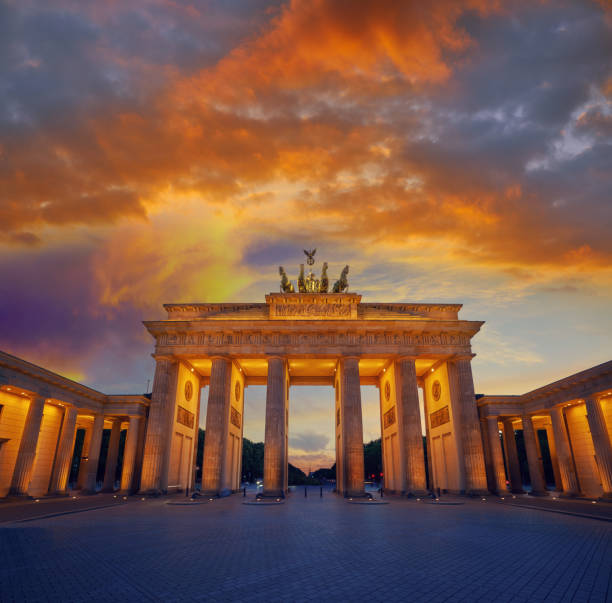
Germany Scene
Made byBobr AI

01 β€” Introduction

Why Culture Matters in Business

πŸ—ΊοΈ

Germany at a Glance

Location

β€’ Central Europe Β· Borders 9 countries
β€’ Capital: Berlin Β· Population: ~84 million
β€’ 4th largest economy in the world
⏱️

Key Cultural Values

Core Values

β€’ Punctuality is non-negotiable
β€’ Direct, factual communication
β€’ Professionalism & formality
β€’ Respect for hierarchy & structure
πŸ’Ό

Why It Matters

Business Impact

β€’ Avoid costly misunderstandings
β€’ Build trust faster
β€’ Show respect = close deals
β€’ Cultural fit signals credibility

β€œIn Germany, how you behave is as important as what you say.”

Made byBobr AI
02 β€” Etiquette

NZ vs Germany: Etiquette at a Glance

TOPIC πŸ‡³πŸ‡Ώ New Zealand πŸ‡©πŸ‡ͺ Germany βœ… DO ❌ AVOID
🀝 Greetings Casual, first names, hugs OK Formal handshake, titles + last name Use Herr/Frau + surname Hugging or first names without invite
πŸ’¬ Small Talk Relaxed, personal topics OK Minimal; business-focused Ask about the city or industry Avoid personal/family questions
πŸ“‹ Meetings Flexible, casual agenda Strict agenda, starts on time Arrive 5 min early, prepare fully Arriving late or going off-agenda
🍽️ Food & Dining Relaxed, splitting bills OK Formal dining etiquette Wait to be seated, finish your plate Elbows on table, starting before host
🎁 Gifts Common, casual Less common in business Small quality gift if invited home Giving gifts at first business meeting
πŸ‘” Clothing Smart casual acceptable Conservative formal dress Dark suit, polished shoes Casual wear, loud colours or logos
Made byBobr AI

03 β€” Cultural Dimensions

5 Key Cultural Dimensions

πŸ›οΈ Power Distance β€” HIGH
Hierarchy is respected; titles matter
πŸ’‘ Address senior staff formally; don't bypass management
πŸ‘€ Individualism β€” HIGH
Personal responsibility & self-reliance valued
πŸ’‘ Show your individual expertise; avoid vague group answers
⏱️ Time Orientation β€” STRICT
Time is structured; lateness = disrespect
πŸ’‘ Arrive 5 minutes early to every meeting β€” always
πŸ—£οΈ Communication β€” LOW CONTEXT
Direct, explicit, factual β€” say what you mean
πŸ’‘ Be clear and precise; avoid vague or indirect language
πŸ“ Personal Space β€” FORMAL
Physical distance maintained; privacy valued
πŸ’‘ Keep arm's length distance; no touching unless invited
Made byBobr AI
04 β€” Key Takeaways

Before You Fly: Your Quick-Reference Checklist

Top 5 Things to Remember

1
Always be on time β€” or early
2
Use titles: Herr / Frau + surname
3
Dress formally β€” dark suits
4
Be direct and prepare thoroughly
5
Limit small talk β€” get to business

βœ… DO

  • Bring business cards (both sides if possible)
  • Confirm meetings in writing
  • Research your German counterparts
  • Respect the agenda β€” no off-topic detours
  • Say "Guten Tag" as a polite opener

❌ AVOID

  • Don't joke about sensitive history
  • Don't be vague or indirect in proposals
  • Don't skip formalities β€” even informally
  • Don't assume first-name basis
  • Don't cancel last-minute β€” it's disrespectful

πŸ‡©πŸ‡ͺ Germany rewards preparation, formality, and respect. Bring your best professional self.

Made byBobr AI

05 β€” Presentation Script

5–6 Minute Presentation Script

INTRODUCTION (1 min)

Good morning everyone. Today I want to talk about something that could make or break our upcoming trip to Germany β€” culture. Germany is one of Europe's most powerful economies, and our business partners there have very different expectations around communication, professionalism, and etiquette. Understanding these differences isn't just polite β€” it's strategic.

ETIQUETTE DIFFERENCES (2 min)

Let's start with greetings. In New Zealand, we often greet with a casual 'Hey' and jump straight to first names. In Germany, that would feel rude. You should always use titles β€” Herr for men, Frau for women β€” followed by the surname, until they invite you to use their first name. // Second: meetings. Germans take punctuality extremely seriously. If the meeting starts at 9am, you should be seated by 8:55. Being late β€” even 5 minutes β€” signals disrespect. // Third: small talk. We love a good chat before getting to business. In Germany, skip that. They prefer to get straight to the agenda. Keep it brief and professional.

CULTURAL DIMENSIONS (1.5 min)

Germany scores high on something called 'low-context communication.' That means they say exactly what they mean β€” directly and clearly. No hints, no reading between the lines. For us, this can feel blunt. But for them, it's efficient and respectful. // They also have a strong sense of hierarchy. Decisions are made at the top. Don't try to bypass a senior manager β€” work through the proper channels.

PRACTICAL ADVICE (1 min)

So what does this mean for us practically? Dress formally β€” dark suits, polished shoes. Bring business cards. Confirm your meeting in writing beforehand. Prepare your materials thoroughly β€” Germans respect detail and expertise. And whatever you do, do not cancel a meeting last-minute. That is considered very disrespectful.

CLOSING (30 sec)

To close: Germany is a fantastic business destination, and our partners there will be excellent to work with β€” once we show them we understand and respect their culture. Think of it this way: a little preparation goes a long way. If we arrive on time, speak clearly, dress professionally, and follow their etiquette β€” we're already ahead. Thank you.

Made byBobr AI
Bobr AI

DESIGNER-MADE
PRESENTATION,
GENERATED FROM
YOUR PROMPT

Create your own professional slide deck with real images, data charts, and unique design in under a minute.

Generate For Free

Business Etiquette in Germany: A Guide for NZ Professionals

Master cross-cultural communication in Germany. Learn about German business etiquette, punctuality, formal greetings, and professional values for success.

Doing Business in Germany

A Guide for New Zealand Staff

Cross-Cultural Communication & Business Etiquette

New Zealand

Germany

Prepared for New Zealand Business Delegation Β· May 2026

01 β€” Introduction

Why Culture Matters in Business

Germany at a Glance

Location

Central Europe Β· Borders 9 countries

Capital: Berlin Β· Population: ~84 million

4th largest economy in the world

Key Cultural Values

Core Values

Punctuality is non-negotiable

Direct, factual communication

Professionalism & formality

Respect for hierarchy & structure

Why It Matters

Business Impact

Avoid costly misunderstandings

Build trust faster

Show respect = close deals

Cultural fit signals credibility

β€œIn Germany, how you behave is as important as what you say.”

02 β€” Etiquette

NZ vs Germany: Etiquette at a Glance

TOPIC

πŸ‡³πŸ‡Ώ New Zealand

πŸ‡©πŸ‡ͺ Germany

βœ… DO

❌ AVOID

🀝 Greetings

Casual, first names, hugs OK

Formal handshake, titles + last name

Use Herr/Frau + surname

Hugging or first names without invite

πŸ’¬ Small Talk

Relaxed, personal topics OK

Minimal; business-focused

Ask about the city or industry

Avoid personal/family questions

πŸ“‹ Meetings

Flexible, casual agenda

Strict agenda, starts on time

Arrive 5 min early, prepare fully

Arriving late or going off-agenda

🍽️ Food & Dining

Relaxed, splitting bills OK

Formal dining etiquette

Wait to be seated, finish your plate

Elbows on table, starting before host

🎁 Gifts

Common, casual

Less common in business

Small quality gift if invited home

Giving gifts at first business meeting

πŸ‘” Clothing

Smart casual acceptable

Conservative formal dress

Dark suit, polished shoes

Casual wear, loud colours or logos

03 β€” Cultural Dimensions

5 Key Cultural Dimensions

πŸ›οΈ

Power Distance β€” HIGH

Hierarchy is respected; titles matter

Address senior staff formally; don't bypass management

πŸ‘€

Individualism β€” HIGH

Personal responsibility & self-reliance valued

Show your individual expertise; avoid vague group answers

⏱️

Time Orientation β€” STRICT

Time is structured; lateness = disrespect

Arrive 5 minutes early to every meeting β€” always

πŸ—£οΈ

Communication β€” LOW CONTEXT

Direct, explicit, factual β€” say what you mean

Be clear and precise; avoid vague or indirect language

πŸ“

Personal Space β€” FORMAL

Physical distance maintained; privacy valued

Keep arm's length distance; no touching unless invited

04 β€” Key Takeaways

Before You Fly: Your Quick-Reference Checklist

Top 5 Things to Remember

Always be on time β€” or early

Use titles: Herr / Frau + surname

Dress formally β€” dark suits

Be direct and prepare thoroughly

Limit small talk β€” get to business

DO

Bring business cards (both sides if possible)

Confirm meetings in writing

Research your German counterparts

Respect the agenda β€” no off-topic detours

Say "Guten Tag" as a polite opener

AVOID

Don't joke about sensitive history

Don't be vague or indirect in proposals

Don't skip formalities β€” even informally

Don't assume first-name basis

Don't cancel last-minute β€” it's disrespectful

πŸ‡©πŸ‡ͺ Germany rewards preparation, formality, and respect. Bring your best professional self.

05 β€” Presentation Script

5–6 Minute Presentation Script

INTRODUCTION (1 min)

Good morning everyone. Today I want to talk about something that could make or break our upcoming trip to Germany β€” culture. Germany is one of Europe's most powerful economies, and our business partners there have very different expectations around communication, professionalism, and etiquette. Understanding these differences isn't just polite β€” it's strategic.

ETIQUETTE DIFFERENCES (2 min)

Let's start with greetings. In New Zealand, we often greet with a casual 'Hey' and jump straight to first names. In Germany, that would feel rude. You should always use titles β€” Herr for men, Frau for women β€” followed by the surname, until they invite you to use their first name. // Second: meetings. Germans take punctuality extremely seriously. If the meeting starts at 9am, you should be seated by 8:55. Being late β€” even 5 minutes β€” signals disrespect. // Third: small talk. We love a good chat before getting to business. In Germany, skip that. They prefer to get straight to the agenda. Keep it brief and professional.

CULTURAL DIMENSIONS (1.5 min)

Germany scores high on something called 'low-context communication.' That means they say exactly what they mean β€” directly and clearly. No hints, no reading between the lines. For us, this can feel blunt. But for them, it's efficient and respectful. // They also have a strong sense of hierarchy. Decisions are made at the top. Don't try to bypass a senior manager β€” work through the proper channels.

PRACTICAL ADVICE (1 min)

So what does this mean for us practically? Dress formally β€” dark suits, polished shoes. Bring business cards. Confirm your meeting in writing beforehand. Prepare your materials thoroughly β€” Germans respect detail and expertise. And whatever you do, do not cancel a meeting last-minute. That is considered very disrespectful.

CLOSING (30 sec)

To close: Germany is a fantastic business destination, and our partners there will be excellent to work with β€” once we show them we understand and respect their culture. Think of it this way: a little preparation goes a long way. If we arrive on time, speak clearly, dress professionally, and follow their etiquette β€” we're already ahead. Thank you.

  • business-etiquette
  • germany
  • cross-cultural-communication
  • professional-development
  • international-business
  • cultural-dimensions