

Understanding Leukemia: Types, Causes, and Treatments
Explore a detailed medical overview of leukemia including main types (ALL, AML, CLL, CML), symptoms, 2024 statistics, and the latest in CAR-T cell therapy.
Understanding Leukemia
Causes, Treatments & Key Facts
Medical Overview · 2026
What is Leukemia?
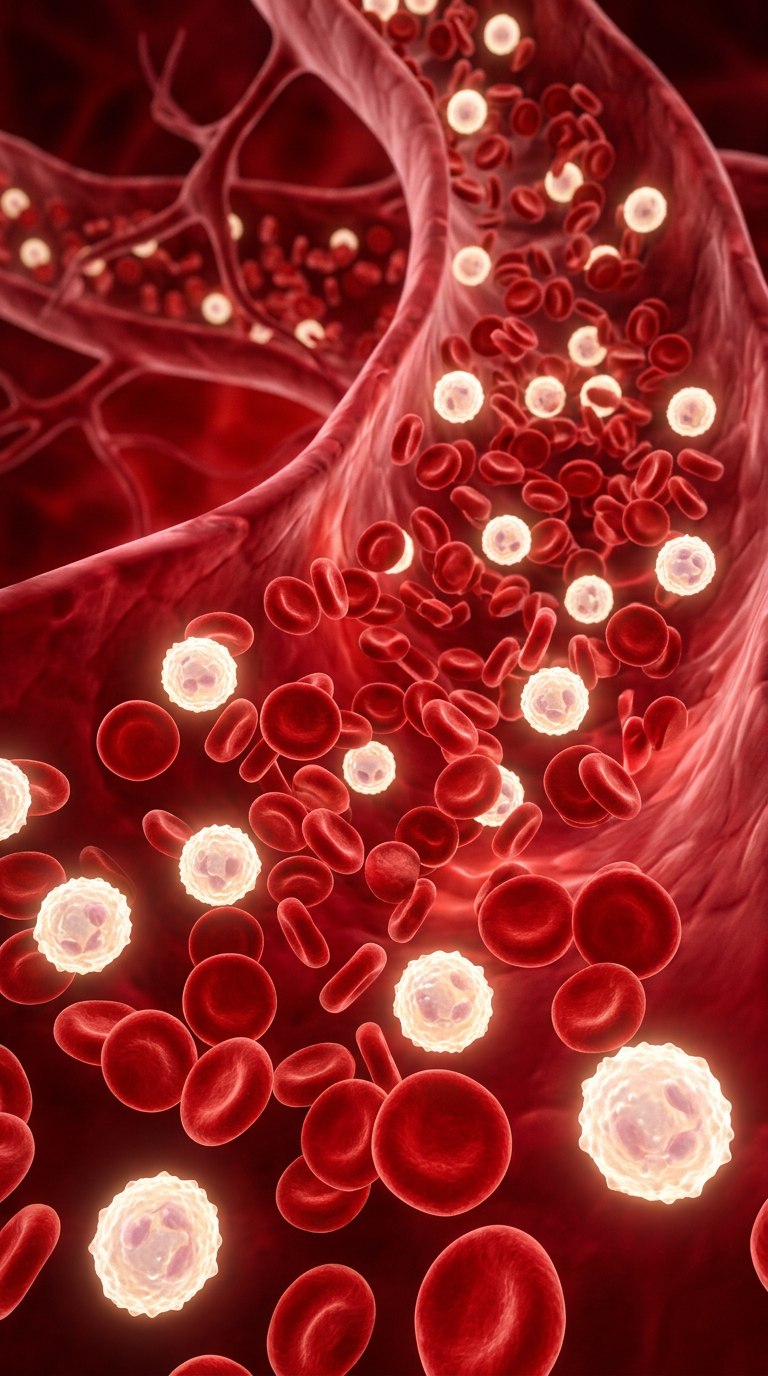
Leukemia is a cancer of blood-forming tissues, including bone marrow and the lymphatic system.
It causes the body to produce large numbers of abnormal white blood cells that crowd out healthy cells.
The 4 Main Types of Leukemia
ALL
Acute Lymphoblastic
A rapidly progressing type of leukemia that affects lymphoid cells. It is the most common type found in young children but can also affect adults.
AML
Acute Myeloid
A fast-growing cancer starting in myeloid cells, meaning they never develop into mature blood cells. It is common in both adults and children.
CLL
Chronic Lymphocytic
A slow-growing cancer starting in lymphoid cells. It typically affects older adults and may not cause noticeable symptoms for years.
CML
Chronic Myeloid
A slow-progressing leukemia of the myeloid cells that mainly affects adults. It is frequently linked to the Philadelphia chromosome abnormality.
Causes & Risk Factors
Medical Overview · Section 2
Genetic Mutations
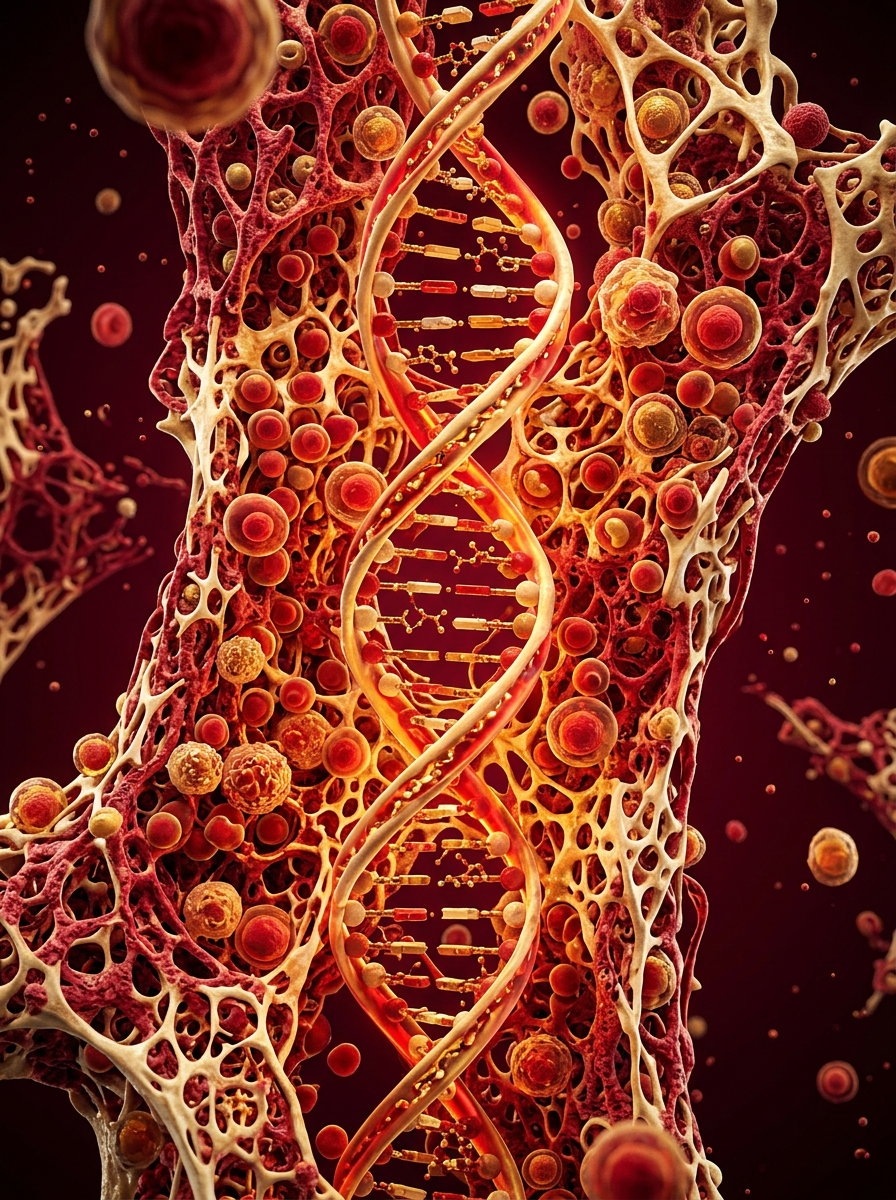
Spontaneous DNA changes in blood cells leading to abnormal growth.
Genetic Disorders
Pre-existing conditions like Down syndrome can significantly elevate risk.
Previous Treatment
Past chemotherapy or radiation therapy may raise future leukemia risk.
Chemical Exposure
Prolonged contact with hazardous chemicals, such as high-level benzene.
Family History
Having close biological relatives previously diagnosed with leukemia.
Smoking Habits
Strongly linked to an increased risk of Acute Myeloid Leukemia (AML).
Immune Suppression
Resulting from certain medical conditions or immunosuppressant drugs.
Symptoms & Diagnosis
Identifying early warning signs and deploying medical methodologies to confirm the underlying condition.
Symptoms
Diagnosis
Fatigue & Fever
Frequent Infections
Easy Bruising & Bleeding
Bone Pain
Swollen Lymph Nodes
Unexplained Weight Loss
Night Sweats & Petechiae
Blood Tests (CBC)
Bone Marrow Biopsy
Imaging (CT / MRI)
Flow Cytometry
Treatment Options
1
Chemotherapy
Most common approach; uses powerful drugs to kill cancer cells via multiple phases (induction, consolidation, maintenance).
2
Targeted Therapy
Utilizes specialized drugs that single out and target highly specific genetic mutations to halt cancer cell growth.
3
Immunotherapy / CAR-T
Harnesses the body's natural defenses, using genetically engineered cells tailored to precisely attack and fight the tumor.
4
Radiation Therapy
Deploys concentrated, high-energy rays directly at the affected regions to safely and rigorously destroy cancer cells.
5
Stem Cell Transplant
Fully replaces the diseased or compromised bone marrow with a healthy donor graft to restore optimal cell production.
Key Facts About Leukemia
66,890
New Cases in 2024 (US)
3.3% of all cancers
23,540
Deaths in 2024 (US)
67.8%
5-Year Survival Rate
Significant improvement over prior decades
Leukemia is the most common cancer in children under 15.
Death rates have been declining ~1.8% per year since 2014.
Leukemia accounts for about 1 in 3 childhood cancers.
Hope Through Research
Advances in treatment are improving survival rates every year.
Early detection is key to better outcomes
Ongoing clinical trials are developing new targeted therapies and CAR-T innovations
Bone marrow donor registries save lives — awareness matters
Support resources: Leukemia & Lymphoma Society (LLS), National Cancer Institute
With continued research and awareness, leukemia survival rates continue to rise.
Medical Overview · 2026
Living with Leukemia
Receiving a leukemia diagnosis drastically alters daily life. Focusing on symptom management, comprehensive supportive care, and psychological well-being is crucial to maintaining a strong quality of life during and after treatment.
Patient Care · Section 3
Managing Side Effects
Actively monitor and communicate with care providers to relieve fatigue, persistent nausea, and adequately manage the increased risk of infection.
Mental & Emotional Health
Professional counseling and joining dedicated support groups play a pivotal role in maintaining mental resilience throughout the journey.
Diet & Lifestyle
Prioritize balanced nutrition to stay strong, take rigorous measures to avoid infection, and remain as active as physically possible.
Research & Clinical Trials
Pioneering the Latest Advances in Leukemia Treatments
CAR-T Cell Therapy
Engineered T-cells are modified in the laboratory to bind to specific proteins on leukemia cells, effectively targeting and destroying the cancer.
Targeted Gene Therapy
Innovative CRISPR and gene-editing approaches designed to focus precisely on and selectively alter flawed genes responsible for the disease's progression.
Immunotherapy Advances
Utilizing modern checkpoint inhibitors and monoclonal antibodies to empower the patient's own immune system to hunt down and attack leukemia cells.
Clinical Trial Access
Clear guidance and dedicated pathways help patients easily explore and enroll in the latest experimental treatments and breakthrough studies via ClinicalTrials.gov.
Medical Overview · Research
Prevention & Early Detection
Understanding leukemia prevention strategies and knowing the early warning signs are critical components of proactive health management and improving long-term outcomes.
Proactive Care · 2026
Know Your Risk Factors
Family history, prior radiation exposure, certain chemical exposures, and genetic conditions like Down syndrome increase susceptibility.
Watch for Early Symptoms
Persistent fatigue, unexplained bruising or bleeding, frequent infections, and swollen lymph nodes are key warning signs to monitor.
Regular Screenings
Routine blood count tests (CBC) and genetic screening can help detect abnormalities early, improving treatment success rates significantly.
References
Medical Overview · Sources & Citations
<strong style="color: #1A1A1A;">American Cancer Society.</strong> (2024). <i>“Leukemia Overview.”</i> <span style="color: #611020; font-weight: 600;">cancer.org</span>
<strong style="color: #1A1A1A;">National Cancer Institute.</strong> (2024). <i>“Leukemia—Patient Version.”</i> <span style="color: #611020; font-weight: 600;">cancer.gov</span>
<strong style="color: #1A1A1A;">Mayo Clinic.</strong> (2024). <i>“Leukemia: Symptoms and Causes.”</i> <span style="color: #611020; font-weight: 600;">mayoclinic.org</span>
<strong style="color: #1A1A1A;">World Health Organization.</strong> (2024). <i>“Cancer Fact Sheet.”</i> <span style="color: #611020; font-weight: 600;">who.int</span>
<strong style="color: #1A1A1A;">Leukemia & Lymphoma Society.</strong> (2024). <i>“Facts & Statistics.”</i> <span style="color: #611020; font-weight: 600;">lls.org</span>
<strong style="color: #1A1A1A;">National Institutes of Health.</strong> (2024). <i>“Leukemia Treatment (PDQ®).”</i> <span style="color: #611020; font-weight: 600;">nih.gov</span>
<strong style="color: #1A1A1A;">SEER Cancer Statistics Review.</strong> (2024). <i>“Leukemia Incidence & Survival.”</i> <span style="color: #611020; font-weight: 600;">seer.cancer.gov</span>
<strong style="color: #1A1A1A;">Blood Journal.</strong> (2023). <i>“Advances in CAR-T Cell Therapy for ALL.”</i> <span style="color: #611020; font-weight: 600;">ashpublications.org</span>
- leukemia
- oncology
- cancer-treatment
- medical-overview
- hematology
- chemotherapy
- car-t-therapy
- health-education