




Made byBobr AI

Hydration & Your Health: The Role of Water in the Body

Learn the essential role of water in health, signs of dehydration by age, and recommended daily intake for children, adults, and seniors.

#hydration#health-and-wellness#water-intake#dehydration-symptoms#nutrition#science-of-water#wellness-tips
Watch
Pitch

HYDRATION & YOUR HEALTH

Understanding the Role of Water in Your Body

Glass of Water

Health & Science

May 2026

Made byBobr AI

What We'll Cover

1

The Role of Water in the Body

2

The Thirst Mechanism & Age

3

Signs of Dehydration at Rest

4

Signs of Dehydration During Activity

5

Impact of Dehydration on the Body

6

Recommended Daily Water Intake

7

How to Stay Hydrated by Age Group

8

Hydrating Beverages Beyond Water

Bottle and Glass of Water
Made byBobr AI

The Role of Water in the Body

Water makes up 60–70% of adult body weight — it's essential for life.

Temperature Regulation

Controls body heat through sweating

Nutrient Transport

Carries oxygen and nutrients to cells

Joint Lubrication

Cushions joints and protects tissues

Waste Removal

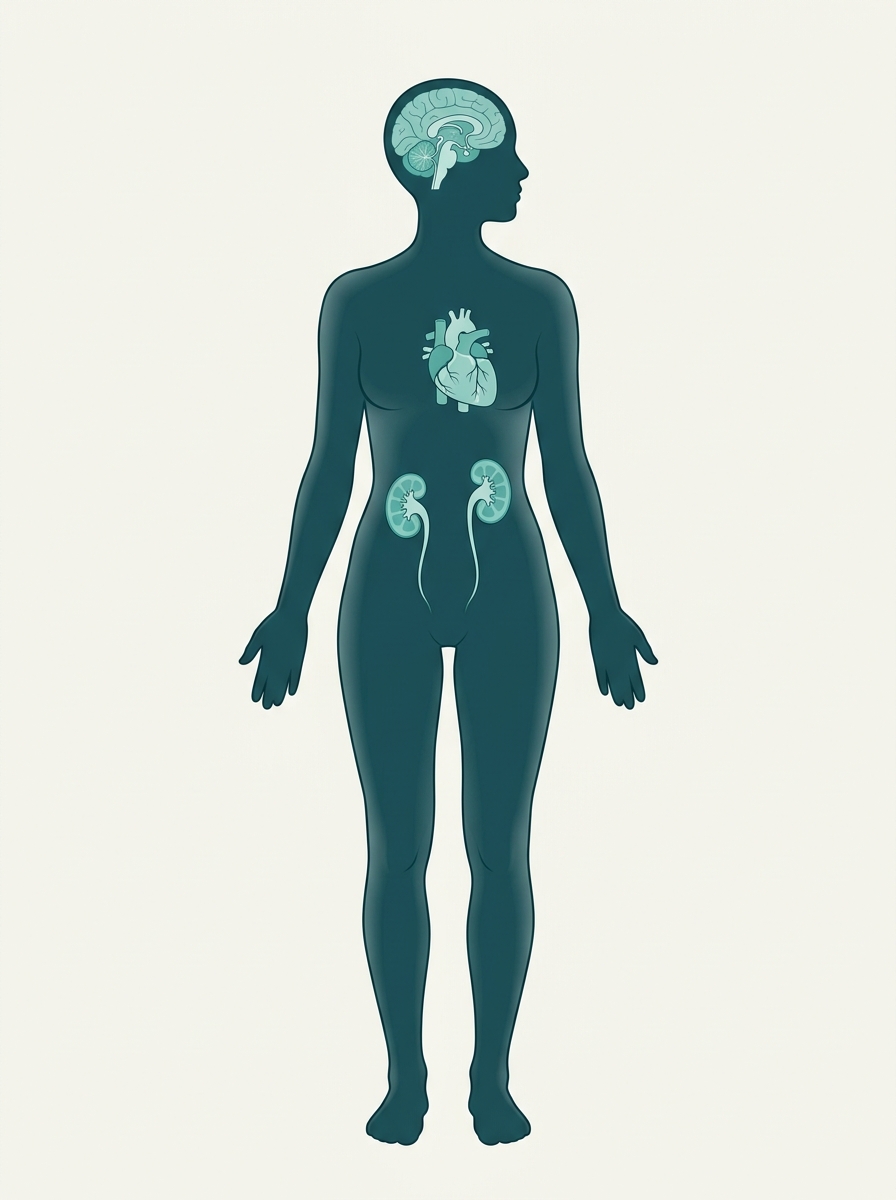
Flushes toxins via kidneys and urine

Brain Function

Brain is 73–83% water; dehydration impairs cognition

Digestion

Aids in breaking down food and absorbing nutrients

Body Anatomy Concept
Made byBobr AI

THE THIRST MECHANISM

How Age Changes Everything

Children

  • Thirst sense is still developing
  • Often underdrink during play/activity
  • Rely on caregivers to remind them
  • Kidneys mature by ~age 2
  • Highest relative water needs

Adults

  • Strong, reliable thirst response
  • Triggered by increased blood osmolality
  • Thirst is a good guide at rest
  • Less accurate during exercise
  • Should not wait for thirst during workouts

Elderly (65+)

  • Blunted thirst sensation — body sends weaker signals
  • Higher baseline dehydration risk
  • Reduced kidney efficiency
  • Hormonal changes reduce fluid retention
  • Must drink on a schedule, not by thirst
Made byBobr AI

Signs & Symptoms of Dehydration — At Rest

Mild / Early Signs

Thirst
Dry mouth and tongue
Fatigue and sluggishness
Headache
Dark yellow or amber urine
Decreased urine output

Severe Signs

Confusion or delirium
Rapid heart rate
Rapid breathing
Very little or no urine
Sunken eyes / dry skin
Muscle cramps

Urine Color Chart

Well Hydrated — Pale Yellow
Hydrated — Light Yellow
Mild Dehydration — Yellow
Dehydrated — Dark Yellow
Very Dehydrated — Amber
Severely Dehydrated — Brown
Fatigue at Rest
Made byBobr AI

Signs & Symptoms of Dehydration — During Physical Activity

Athlete Exercising Outdoors

Increased fatigue & irritability

Rapid heart rate

Muscle weakness & cramping

Dizziness / lightheadedness

Loss of coordination

Decreased speed & performance

Nausea and stomach pain

Trouble concentrating

Heavy sweating (or reduced sweating — a danger sign)

Dark urine after exercise

Even 1–2% body water loss impairs athletic performance. Don't wait for thirst — drink before, during, and after exercise.

Made byBobr AI

THE IMPACT OF DEHYDRATION ON THE BODY

Even a 2% loss in body water can reduce cognitive performance by up to 30%

Brain

Impaired memory, focus, and reaction time; negative mood

Heart

Increased heart rate; blood thickens reducing circulation

Kidneys

Reduced waste filtering; risk of kidney stones

Muscles

Cramping, weakness, and reduced coordination

Skin

Dry, less elastic skin; reduced temperature control

Made byBobr AI

Recommended Daily Water Intake

Children 4–8 yrs
5 cups (40 oz / ~1.2 L)
Children 9–13 yrs
Girls: 5–6 cups | Boys: 6 cups (1.4–1.6 L)
Teens 14–18 yrs
Girls: 6–8 cups | Boys: 7–8 cups (1.6–1.9 L)
Adult Women 19+
9 cups (72 oz / 2.7 L)
Adult Men 19+
13 cups (104 oz / 3.7 L)
Elderly 60+
8–10 cups (adjust for activities)
💧

~20% of daily water comes from food
(fruits, vegetables, soups)

🏃

Active individuals and those in hot climates need MORE

Water-rich foods
Made byBobr AI

HOW TO STAY HYDRATED — BY AGE GROUP

Children & Teens

1

Carry a reusable water bottle to school and activities — make it fun with stickers or a favourite colour

2

Eat water-rich snacks like watermelon, cucumber, and oranges — they count toward hydration

Adults

1

Set phone reminders or use a marked water bottle with time goals to drink consistently throughout the day

2

Drink a glass of water before every meal and before/after workouts — link hydration to daily routines

Elderly (65+)

1

Set scheduled drinking times (e.g., every 2 hours) since thirst sensation weakens with age — don't rely on feeling thirsty

2

Include hydrating foods like soups, broths, and water-rich fruits as a regular part of meals

These tips apply even if you don't feel thirsty — prevention is key!

Made byBobr AI

5 Hydrating Beverages Beyond Water

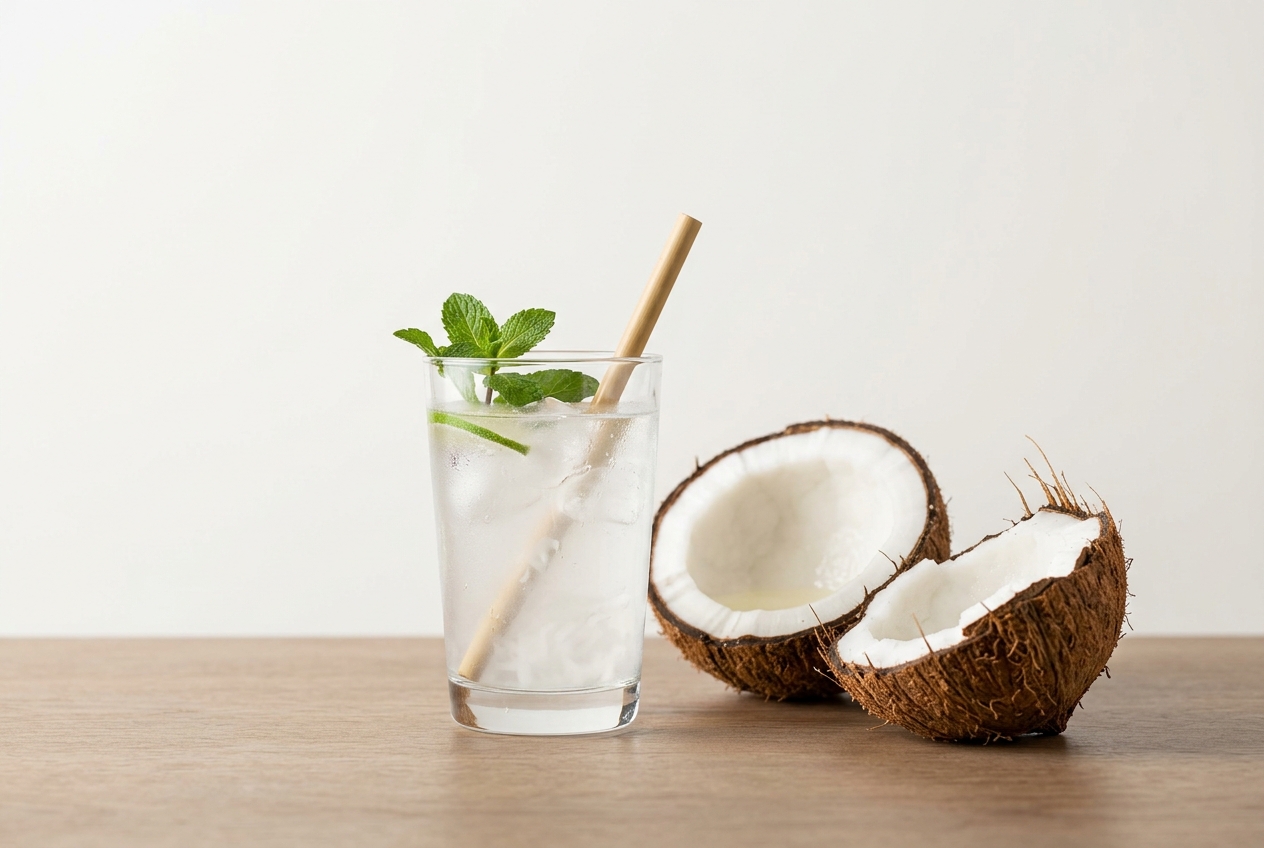
Coconut Water

Coconut Water

  • Rich in potassium & electrolytes
  • Only ~46 calories per cup
  • Natural isotonic drink
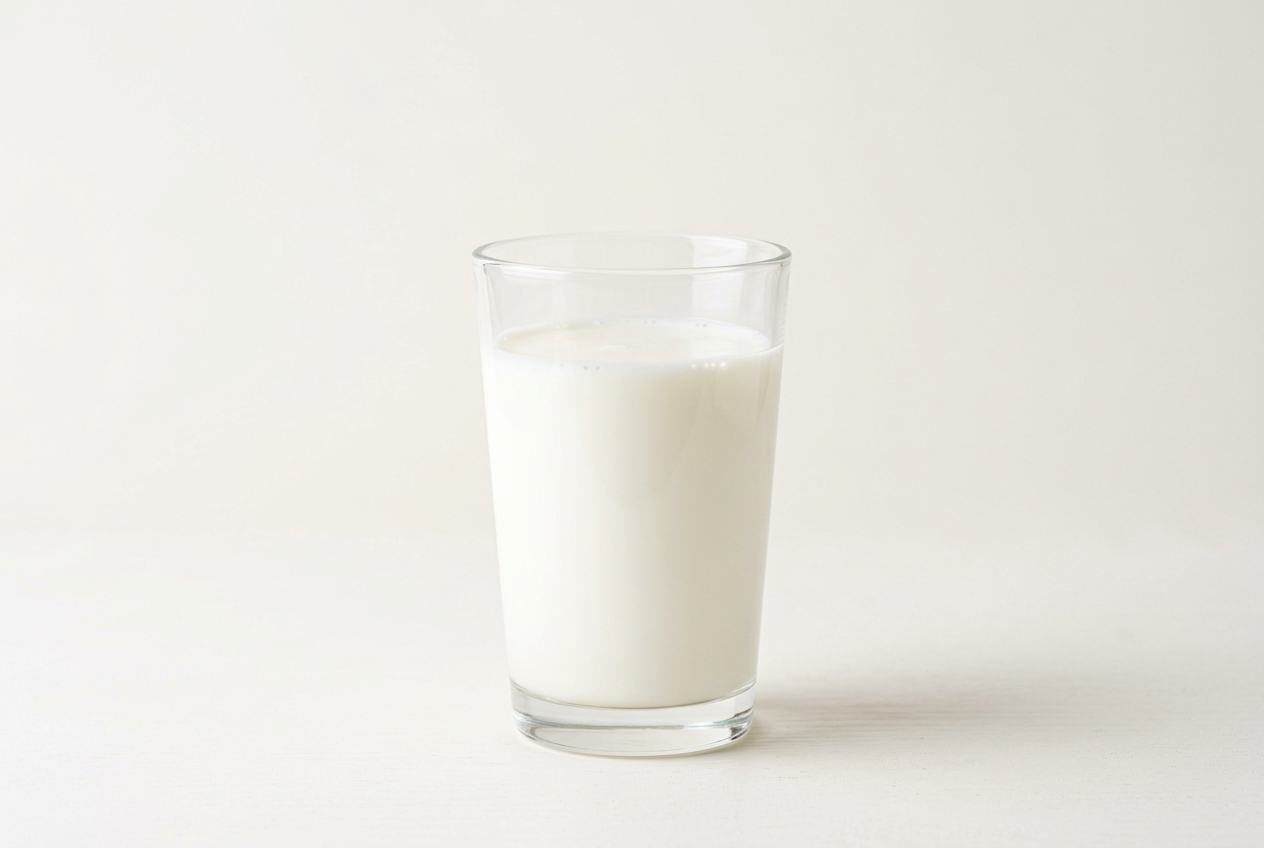
Milk

Milk

  • Contains sodium, calcium & potassium
  • Proven to rehydrate better than sports drinks
  • Supports muscle recovery
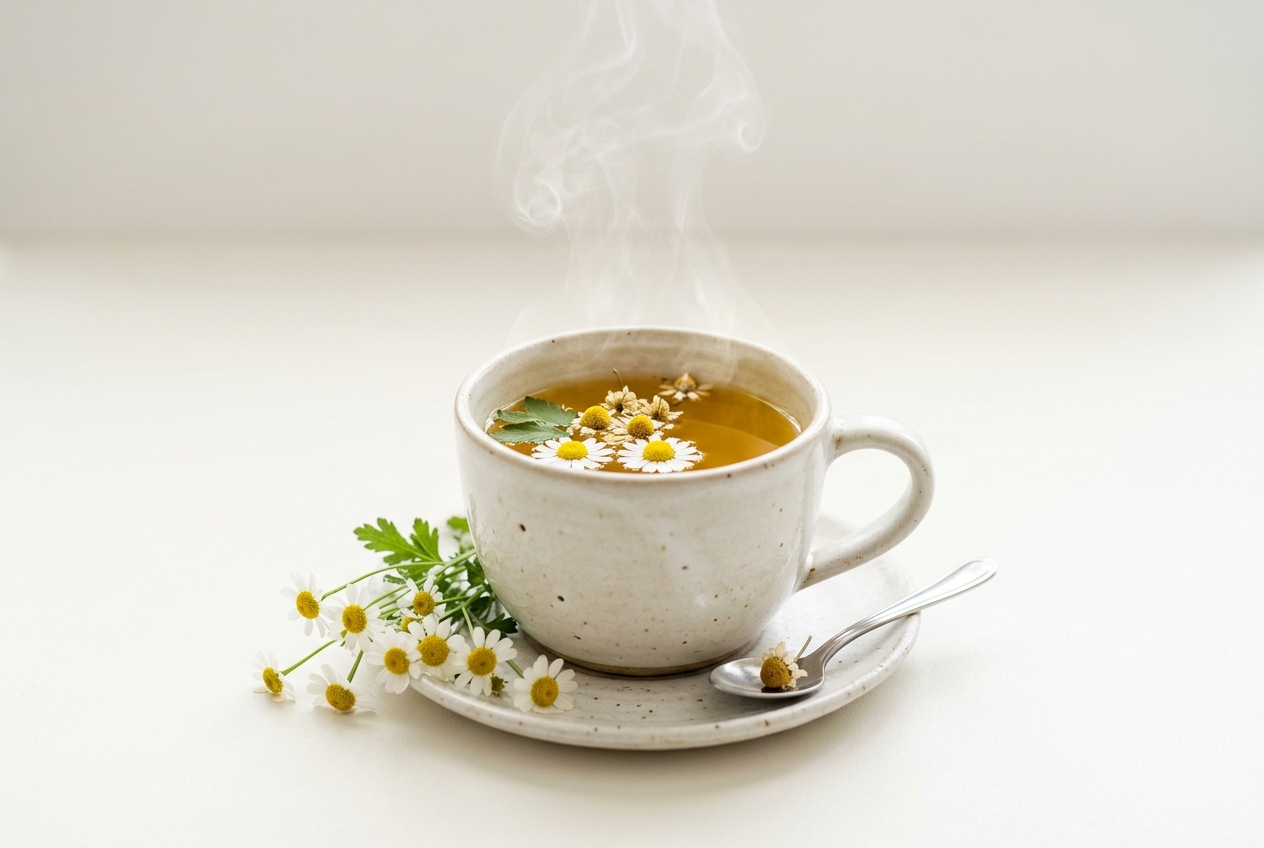
Herbal Tea

Herbal Tea

  • Caffeine-free (e.g., chamomile, peppermint)
  • Counts fully toward daily fluid intake
  • Soothing and easy to drink in volume
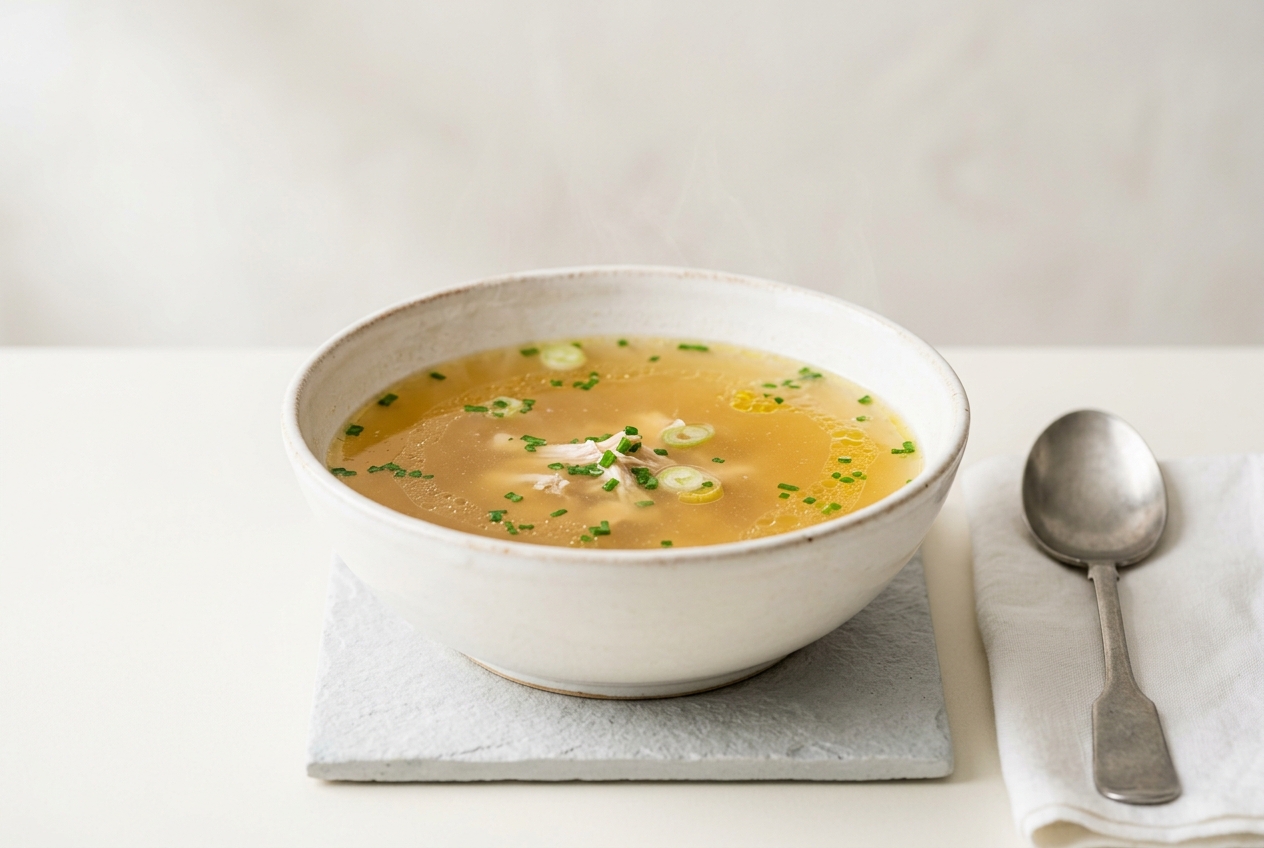
Broth / Soup

Broth / Soup

  • High in sodium (replaces electrolytes lost in sweat)
  • Great for illness recovery
  • Easy for elderly to consume
100% Fruit Juice

100% Fruit Juice

  • ~90% water content
  • Contains potassium and magnesium
  • Choose unsweetened/no added sugar

⚠️ Sugary drinks, alcohol, and high-caffeine beverages can WORSEN dehydration — choose wisely!

Made byBobr AI

KEY TAKEAWAYS

1

Water = Life

It makes up 60–70% of your body and powers every system.

2

Thirst Isn't Always Reliable

Children and elderly have weaker thirst signals; drink on a schedule.

3

Dehydration Sneaks Up

Symptoms appear before you feel thirsty; dark urine is an early warning sign.

4

Performance Suffers Fast

Just 1–2% water loss impairs athletic and cognitive performance.

5

Know Your Numbers

Teens need 6–11 cups/day; adjust for activity, heat, and body size.

6

Variety Counts

Coconut water, milk, herbal tea, broth, and juice all help you stay hydrated.

💧 Start today: Carry a water bottle, eat your fruits and veggies, and drink before you feel thirsty!

Made byBobr AI

References & Sources

1.

Harvard T.H. Chan School of Public Health. (2023). The Nutrition Source: Water. https://www.hsph.harvard.edu/nutritionsource/water/

2.

Mayo Clinic. (2023). Water: How much should you drink every day? https://www.mayoclinic.org/healthy-lifestyle/nutrition-and-healthy-eating/in-depth/water/art-20044256

3.

Cleveland Clinic. (2022). Signs of Dehydration: Symptoms, Causes & Treatments. https://my.clevelandclinic.org/health/diseases/9013-dehydration

4.

Popkin, B. M., D'Anci, K. E., & Rosenberg, I. H. (2010). Water, hydration, and health. Nutrition Reviews, 68(8), 439–458. https://doi.org/10.1111/j.1753-4887.2010.00304.x

5.

Institute of Medicine. (2005). Dietary Reference Intakes for Water, Potassium, Sodium, Chloride, and Sulfate. National Academies Press. https://www.nap.edu/catalog/10925

6.

Kenney, E. L., & Gortmaker, S. L. (2017). United States Adolescents' Television, Computer, Videogame, Smartphone, and Tablet Use. Journal of Pediatrics. https://doi.org/10.1016/j.jpeds.2016.11.015

7.

Healthline. (2023). 19 Water-Rich Foods That Help You Stay Hydrated. https://www.healthline.com/nutrition/19-hydrating-foods

8.

Spriet, L. L. & Chia, M. (2021). Effects of dehydration on cognitive and physical performance in youth. Sports Medicine.

Health & Science — May 2026
Made byBobr AI
Bobr AI

DESIGNER-MADE
PRESENTATION,
GENERATED FROM
YOUR PROMPT

Create your own professional slide deck with real images, data charts, and unique design in under a minute.

Generate For Free

Hydration & Your Health: The Role of Water in the Body

Learn the essential role of water in health, signs of dehydration by age, and recommended daily intake for children, adults, and seniors.

#7CD6C6

HYDRATION & YOUR HEALTH

Understanding the Role of Water in Your Body

Health & Science

May 2026

What We'll Cover

The Role of Water in the Body

The Thirst Mechanism & Age

Signs of Dehydration at Rest

Signs of Dehydration During Activity

Impact of Dehydration on the Body

Recommended Daily Water Intake

How to Stay Hydrated by Age Group

Hydrating Beverages Beyond Water

The Role of Water in the Body

Water makes up 60–70% of adult body weight — it's essential for life.

Temperature Regulation

Controls body heat through sweating

Nutrient Transport

Carries oxygen and nutrients to cells

Joint Lubrication

Cushions joints and protects tissues

Waste Removal

Flushes toxins via kidneys and urine

Brain Function

Brain is 73–83% water; dehydration impairs cognition

Digestion

Aids in breaking down food and absorbing nutrients

THE THIRST MECHANISM

How Age Changes Everything

Children

Adults

Elderly (65+)

Thirst sense is still developing

Often underdrink during play/activity

Rely on caregivers to remind them

Kidneys mature by ~age 2

Highest relative water needs

Strong, reliable thirst response

Triggered by increased blood osmolality

Thirst is a good guide at rest

Less accurate during exercise

Should not wait for thirst during workouts

Blunted thirst sensation — body sends weaker signals

Higher baseline dehydration risk

Reduced kidney efficiency

Hormonal changes reduce fluid retention

Must drink on a schedule, not by thirst

Signs & Symptoms of Dehydration — At Rest

Signs & Symptoms of Dehydration — During Physical Activity

Increased fatigue & irritability

Muscle weakness & cramping

Loss of coordination

Nausea and stomach pain

Heavy sweating (or reduced sweating — a danger sign)

Rapid heart rate

Dizziness / lightheadedness

Decreased speed & performance

Trouble concentrating

Dark urine after exercise

Even 1–2% body water loss impairs athletic performance.

Don't wait for thirst — drink before, during, and after exercise.

THE IMPACT OF DEHYDRATION ON THE BODY

Even a

2%

loss in body water can reduce cognitive performance by

up to 30%

Brain

Impaired memory, focus, and reaction time; negative mood

Heart

Increased heart rate; blood thickens reducing circulation

Kidneys

Reduced waste filtering; risk of kidney stones

Muscles

Cramping, weakness, and reduced coordination

Skin

Dry, less elastic skin; reduced temperature control

Recommended Daily Water Intake

HOW TO STAY HYDRATED — BY AGE GROUP

Children & Teens

Carry a reusable water bottle to school and activities — make it fun with stickers or a favourite colour

Eat water-rich snacks like watermelon, cucumber, and oranges — they count toward hydration

Adults

Set phone reminders or use a marked water bottle with time goals to drink consistently throughout the day

Drink a glass of water before every meal and before/after workouts — link hydration to daily routines

Elderly (65+)

Set scheduled drinking times (e.g., every 2 hours) since thirst sensation weakens with age — don't rely on feeling thirsty

Include hydrating foods like soups, broths, and water-rich fruits as a regular part of meals

These tips apply even if you don't feel thirsty — prevention is key!

5 Hydrating Beverages Beyond Water

⚠️ Sugary drinks, alcohol, and high-caffeine beverages can WORSEN dehydration — choose wisely!

Coconut Water

Rich in potassium & electrolytes

Only ~46 calories per cup

Natural isotonic drink

Milk

Contains sodium, calcium & potassium

Proven to rehydrate better than sports drinks

Supports muscle recovery

Herbal Tea

Caffeine-free (e.g., chamomile, peppermint)

Counts fully toward daily fluid intake

Soothing and easy to drink in volume

Broth / Soup

High in sodium (replaces electrolytes lost in sweat)

Great for illness recovery

Easy for elderly to consume

100% Fruit Juice

~90% water content

Contains potassium and magnesium

Choose unsweetened/no added sugar

KEY TAKEAWAYS

Water = Life

It makes up 60–70% of your body and powers every system.

Thirst Isn't Always Reliable

Children and elderly have weaker thirst signals; drink on a schedule.

Dehydration Sneaks Up

Symptoms appear before you feel thirsty; dark urine is an early warning sign.

Performance Suffers Fast

Just 1–2% water loss impairs athletic and cognitive performance.

Know Your Numbers

Teens need 6–11 cups/day; adjust for activity, heat, and body size.

Variety Counts

Coconut water, milk, herbal tea, broth, and juice all help you stay hydrated.

💧 Start today: Carry a water bottle, eat your fruits and veggies, and drink before you feel thirsty!

#F5F5F0

#1B6B6B

#4A8C8C

References & Sources

Harvard T.H. Chan School of Public Health. (2023). The Nutrition Source: Water. https://www.hsph.harvard.edu/nutritionsource/water/

Mayo Clinic. (2023). Water: How much should you drink every day? https://www.mayoclinic.org/healthy-lifestyle/nutrition-and-healthy-eating/in-depth/water/art-20044256

Cleveland Clinic. (2022). Signs of Dehydration: Symptoms, Causes & Treatments. https://my.clevelandclinic.org/health/diseases/9013-dehydration

Popkin, B. M., D'Anci, K. E., & Rosenberg, I. H. (2010). Water, hydration, and health. Nutrition Reviews, 68(8), 439–458. https://doi.org/10.1111/j.1753-4887.2010.00304.x

Institute of Medicine. (2005). Dietary Reference Intakes for Water, Potassium, Sodium, Chloride, and Sulfate. National Academies Press. https://www.nap.edu/catalog/10925

Kenney, E. L., & Gortmaker, S. L. (2017). United States Adolescents' Television, Computer, Videogame, Smartphone, and Tablet Use. Journal of Pediatrics. https://doi.org/10.1016/j.jpeds.2016.11.015

Healthline. (2023). 19 Water-Rich Foods That Help You Stay Hydrated. https://www.healthline.com/nutrition/19-hydrating-foods

Spriet, L. L. & Chia, M. (2021). Effects of dehydration on cognitive and physical performance in youth. Sports Medicine.

Health & Science — May 2026

  • hydration
  • health-and-wellness
  • water-intake
  • dehydration-symptoms
  • nutrition
  • science-of-water
  • wellness-tips