


Made byBobr AI

Stolen Generations & Intergenerational Trauma Analysis

Explore the impact of the Stolen Generations on Aboriginal families, covering historical removal policies, the cycle of trauma, and epigenetic transmission.

#stolen-generations#intergenerational-trauma#aboriginal-history#epigenetics#bringing-them-home#human-rights#indigenous-health
Watch
Pitch
Australian outback at dusk
BRINGING THEM HOME

Intergenerational Trauma & Forcible Removal

The Stolen Generations & the wounds that echo through time

"The forcible removal of Aboriginal and Torres Strait Islander children was an act of genocide."

— Bringing Them Home Report, 1997

100,000+
children removed up until 1974
Made byBobr AI

What Forcible Removal Meant for Families

IMMEDIATE FAMILY FRACTURE

Parents were given no explanation or legal recourse. Children were taken without warning, often never to return. Families were left in a state of profound, unresolved grief — mourning children who were still alive.

LOSS OF IDENTITY, CULTURE & LANGUAGE

Removed children were forbidden from speaking their language or practising culture. Disconnection from Country and kin severed a child's entire sense of self, community, and belonging.

INSTITUTIONALISED ABUSE & NEGLECT

The Bringing Them Home Report documented widespread physical, emotional, and sexual abuse in missions and institutions. Children were raised without love, safety, or family bonds — unable to learn healthy parenting models.

LASTING GRIEF & UNRESOLVED MOURNING

Families who lost children could never properly grieve — 'not knowing' created chronic sorrow. Many survivors described living with shame, guilt, and a profound loss of purpose for the rest of their lives.

Source: Bringing Them Home Report, Human Rights and Equal Opportunity Commission, 1997

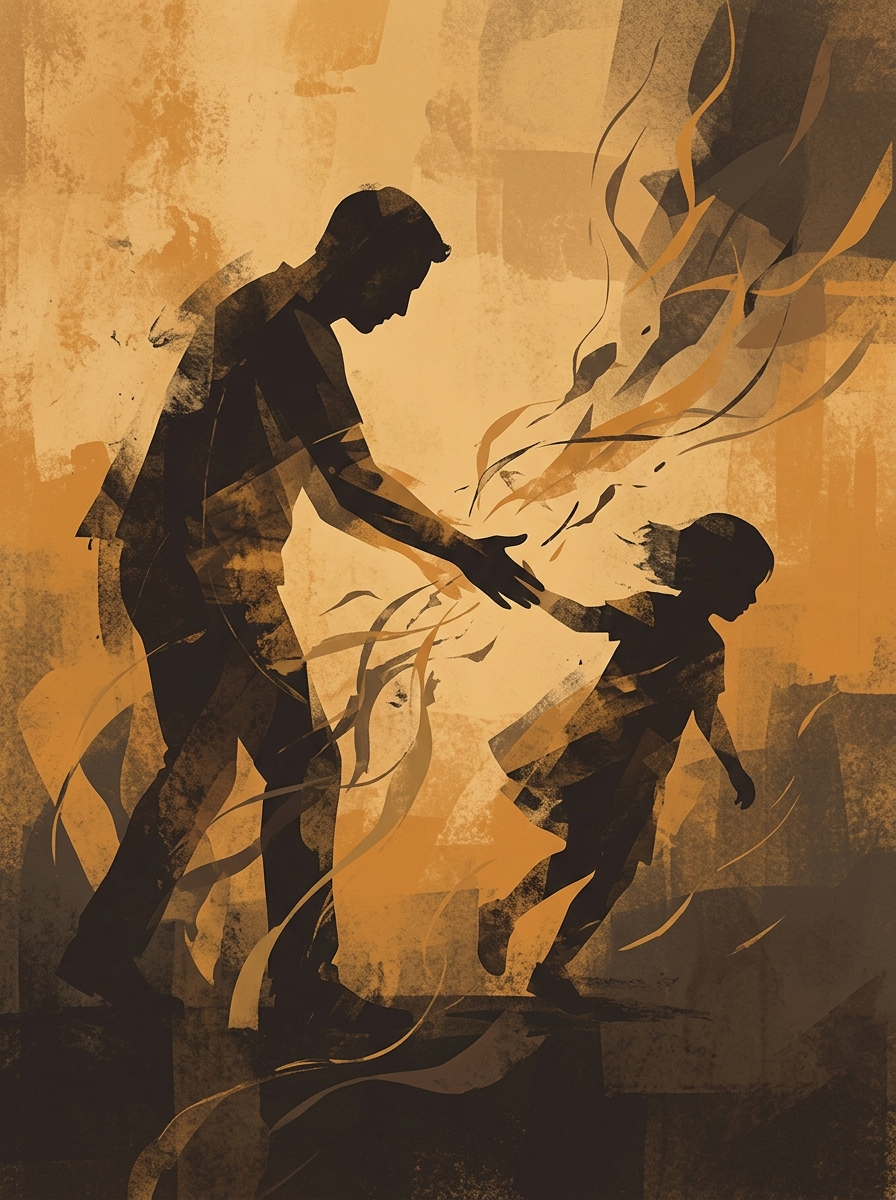
Abstract illustration of separation and grief
Made byBobr AI
Background

Intergenerational Trauma: The Cycle Across Generations

GENERATION 1 — THE STOLEN CHILD

Removed from family. Raised in institutions. Experienced abuse, loss of language and culture. Unable to form healthy attachment. Returns as an adult with no parenting model, unresolved grief, and deep shame.

GENERATION 2 — CHILDREN OF SURVIVORS

Raised by traumatised parents unable to demonstrate safe attachment. Higher rates of domestic violence, substance abuse, mental illness at home. Dis-connection from cultural identity and community.

GENERATION 3 — GRANDCHILDREN

Inherit social disadvantage, family dysfunction, and cultural disconnection. Descendants report significantly higher rates of psychological distress and poor mental health. The cycle of removal continues — Aboriginal children are 10.5× more likely to enter out-of-home care today.

GEN 1 Stolen
Child
GEN 2 Children of
Survivors
GEN 3 Grandchildren
Sources: Bringing Them Home Report, 1997; AIHW 2018 (Stolen Generations); ABS 2023; Healing Foundation, 2025
52% of Stolen Generations survivors report fair/poor health
~40% of Stolen Generations survivors have experienced homelessness
2.6× higher suicide rate for Indigenous Australians vs non-Indigenous (ABS, 2023)
Made byBobr AI

Epigenetics: When Trauma Rewrites Biology

WHAT IS EPIGENETICS?

Epigenetics refers to changes in gene expression — how genes are switched on or off — without altering the underlying DNA sequence. Trauma, chronic stress, and adverse environments can leave chemical 'marks' (such as DNA methylation) on genes that can be inherited by future generations.

HOW TRAUMA IS TRANSMITTED

Chronic stress from removal, abuse, and cultural loss activates the body's stress-response system (HPA axis), altering cortisol regulation.

These stress-related epigenetic changes can be passed from mother to child during pregnancy and early development.

Children of trauma survivors show altered stress-hormone responses, even without experiencing the original trauma themselves.

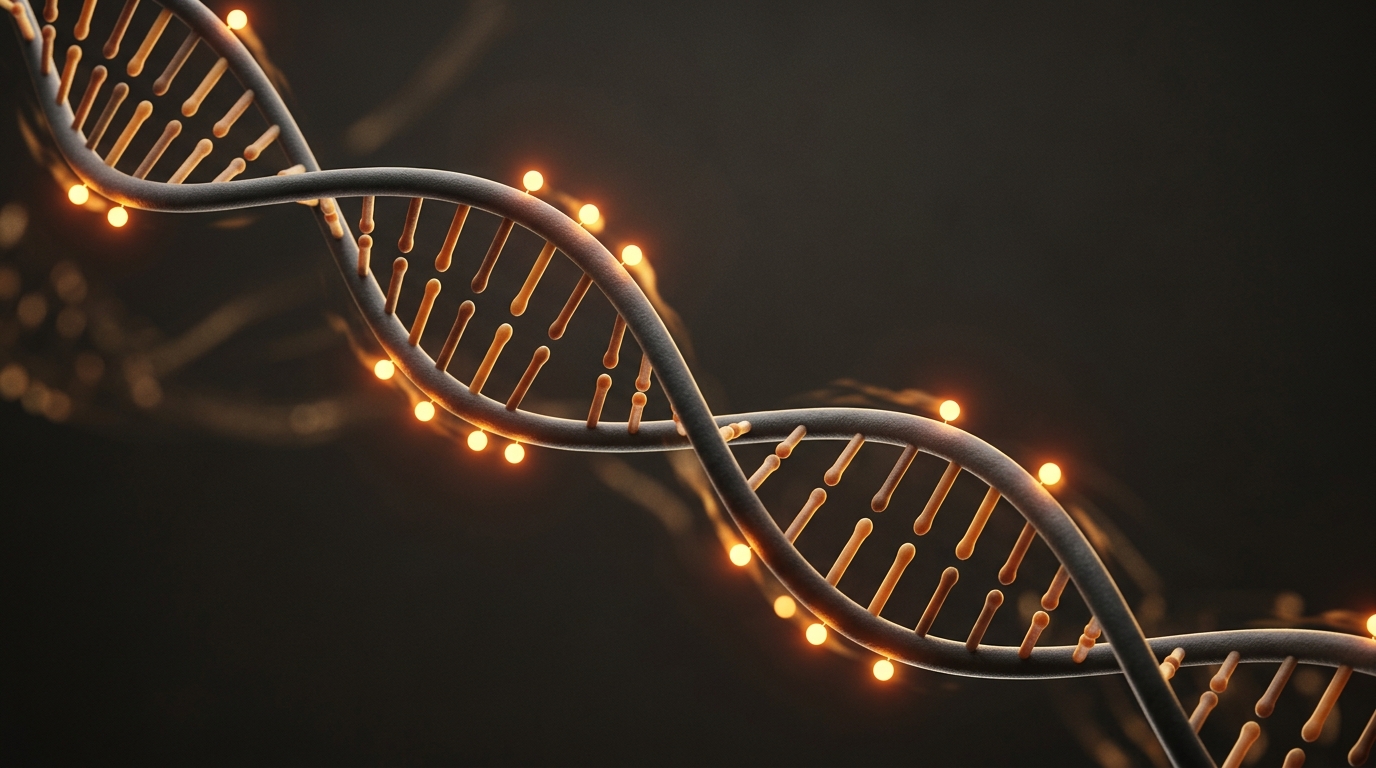
DNA Strand + Epigenetic Marks (Methylation)
GENE EXPRESSION CHANGES
INHERITED BY NEXT GENERATION
Increased cortisol dysregulation
Higher rates of diabetes & heart disease
Anxiety, depression, PTSD
Obesity & metabolic disorders

"The trauma of the Stolen Generations is not just a memory — it is written into the bodies of their descendants."

Sources: Atkinson, 2002; Yehuda et al., 2016 (epigenetic transmission of trauma); AIHW 2018 (Stolen Generations); Healing Foundation, 2025

Made byBobr AI
Bobr AI

DESIGNER-MADE
PRESENTATION,
GENERATED FROM
YOUR PROMPT

Create your own professional slide deck with real images, data charts, and unique design in under a minute.

Generate For Free

Stolen Generations & Intergenerational Trauma Analysis

Explore the impact of the Stolen Generations on Aboriginal families, covering historical removal policies, the cycle of trauma, and epigenetic transmission.

BRINGING THEM HOME

Intergenerational Trauma & Forcible Removal

The Stolen Generations & the wounds that echo through time

The forcible removal of Aboriginal and Torres Strait Islander children was an act of genocide.

— Bringing Them Home Report, 1997

100,000+

children removed up until 1974

What Forcible Removal Meant for Families

IMMEDIATE FAMILY FRACTURE

Parents were given no explanation or legal recourse. Children were taken without warning, often never to return. Families were left in a state of profound, unresolved grief — mourning children who were still alive.

LOSS OF IDENTITY, CULTURE & LANGUAGE

Removed children were forbidden from speaking their language or practising culture. Disconnection from Country and kin severed a child's entire sense of self, community, and belonging.

INSTITUTIONALISED ABUSE & NEGLECT

The Bringing Them Home Report documented widespread physical, emotional, and sexual abuse in missions and institutions. Children were raised without love, safety, or family bonds — unable to learn healthy parenting models.

LASTING GRIEF & UNRESOLVED MOURNING

Families who lost children could never properly grieve — 'not knowing' created chronic sorrow. Many survivors described living with shame, guilt, and a profound loss of purpose for the rest of their lives.

Source: Bringing Them Home Report, Human Rights and Equal Opportunity Commission, 1997

Intergenerational Trauma: The Cycle Across Generations

GENERATION 1 — THE STOLEN CHILD

Removed from family. Raised in institutions. Experienced abuse, loss of language and culture. Unable to form healthy attachment. Returns as an adult with no parenting model, unresolved grief, and deep shame.

GENERATION 2 — CHILDREN OF SURVIVORS

Raised by traumatised parents unable to demonstrate safe attachment. Higher rates of domestic violence, substance abuse, mental illness at home. Dis-connection from cultural identity and community.

GENERATION 3 — GRANDCHILDREN

Inherit social disadvantage, family dysfunction, and cultural disconnection. Descendants report significantly higher rates of psychological distress and poor mental health. The cycle of removal continues — Aboriginal children are 10.5× more likely to enter out-of-home care today.

52%

of Stolen Generations survivors report fair/poor health

~40%

of Stolen Generations survivors have experienced homelessness

2.6×

higher suicide rate for Indigenous Australians vs non-Indigenous (ABS, 2023)

Sources: Bringing Them Home Report, 1997; AIHW 2018 (Stolen Generations); ABS 2023; Healing Foundation, 2025

Epigenetics: When Trauma Rewrites Biology

WHAT IS EPIGENETICS?

Epigenetics refers to changes in gene expression — how genes are switched on or off — without altering the underlying DNA sequence. Trauma, chronic stress, and adverse environments can leave chemical 'marks' (such as DNA methylation) on genes that can be inherited by future generations.

HOW TRAUMA IS TRANSMITTED

Chronic stress from removal, abuse, and cultural loss activates the body's stress-response system (HPA axis), altering cortisol regulation.

These stress-related epigenetic changes can be passed from mother to child during pregnancy and early development.

Children of trauma survivors show altered stress-hormone responses, even without experiencing the original trauma themselves.

The trauma of the Stolen Generations is not just a memory — it is written into the bodies of their descendants.

Sources: Atkinson, 2002; Yehuda et al., 2016 (epigenetic transmission of trauma); AIHW 2018 (Stolen Generations); Healing Foundation, 2025

  • stolen-generations
  • intergenerational-trauma
  • aboriginal-history
  • epigenetics
  • bringing-them-home
  • human-rights
  • indigenous-health