




Dreams & Photography: Visualizing the Surreal & Imagined
Explore how photography represents dreamlike experiences, symbols, and emotions through artist studies, timelines, and psychological research.
Dreams & Photography
A Visual Exploration of the Imagined, the Remembered and the Surreal
My project explores how dreams influence the way we understand and represent reality, and how photography can visualise the emotional, symbolic and imaginative qualities of dream experience. Dreams merge memory, imagination and emotion, and photography has the unique ability to mirror this transformation.
Photography Project — 2026
SLIDE 02 — ARTIST ANALYSIS
Initial Artist Analysis
Across my initial group of photographers, I noticed a strong emphasis on atmosphere, emotion and the transformation of ordinary scenes into something more expressive. Many of the artists I studied use light, colour and composition to create images that feel contemplative, symbolic or surreal. This aligns closely with my theme of dreams, as dreams often elevate everyday experiences into something more meaningful or emotionally charged. Whether through dramatic landscapes, soft colour palettes, staged fantasy scenes or conceptual experiments, each photographer offers a different way of reshaping reality — giving me a rich foundation of influences for my own project.
SLIDE 03 — ARTIST STUDY
Alex Noriega & Mikko Lagerstedt
Alex Noriega and Mikko Lagerstedt both create atmospheric landscape photography that transforms natural environments into emotional, almost dreamlike experiences. Noriega's work is defined by subtle light, delicate colour transitions and a quiet sense of introspection. Lagerstedt leans into mood and drama, using fog, night-time scenes and long exposures to create images that feel mysterious and cinematic. Both photographers elevate ordinary landscapes into expressive visual experiences — symbolic, introspective spaces that resemble the emotional landscapes of dreams.
SLIDE 04 — ARTIST STUDY
Sandra Bartocha & Rinko Kawauchi
Sandra Bartocha and Rinko Kawauchi share a poetic approach to photography, using soft light, delicate colour and gentle compositions to reveal beauty in fleeting, everyday moments. Bartocha uses intentional blur and movement to create images that feel immersive and emotional — as if the viewer is experiencing a memory rather than a literal scene. Kawauchi uses pastel tones, shallow depth of field and quiet subject matter to create intimate, reflective images. Together, both artists create visual worlds that feel soft, contemplative and emotionally charged, echoing the way dreams magnify small details and turn them into powerful experiences.
SLIDE 05 — ARTIST STUDY
Brooke Shaden & Tilda Swinton
Brooke Shaden and Tilda Swinton both explore surreal, imaginative and emotionally expressive imagery. Shaden constructs highly stylised photographic scenes that blend fantasy, symbolism and emotional storytelling, often placing herself within surreal environments that feel like fragments of a dream. Swinton, while primarily known as an actor, has collaborated in photographic and cinematic projects that use her presence as a transformative, almost otherworldly figure. Both artists use the human figure as a vessel for emotion and metaphor, creating visual worlds that challenge reality and invite interpretation — connecting directly to the theme of dreams.
SLIDE 06 — TASK 1
Mind Map: Dreams
DREAMS
Emotional Dreams
Memory & Distortion
Surrealism
Nightmares
Symbolism
Personal Dreams
Scientific & Psychological Dreams
Cultural Myths
Imaginary Landscapes
SLIDE 07 — TASK 2
Photographer Timeline: 1–5
Roger Fenton
Early documentation of landscapes and war, influenced by Romantic painting and Victorian values.
John Beasley Greene
Archaeological photography in Egypt and Algeria, combining scientific documentation with artistic composition.
Edward Steichen
Established photography as fine art, moving from pictorialism to modernism; influenced fashion and portraiture.
Imogen Cunningham
Sharp botanical studies and portraits; member of Group f/64; influenced by scientific and modernist aesthetics.
Ansel Adams
Iconic black-and-white American West landscapes; developed the Zone System; promoted environmental conservation.
SLIDE 08 — TASK 2
Photographer Timeline: 6–10
Minor White
Abstract landscapes and symbolic photography influenced by Zen philosophy; focused on emotional and spiritual interpretation.
Cecil Beaton
Fashion and portrait photography documenting glamour, celebrity culture and high society with theatrical elegance.
Galen Rowell
Dramatic natural landscapes using colour and natural light, combining photography with mountaineering and activism.
Wolfgang Tillmans
Intimate, experimental images across multiple genres, exploring everyday life with a poetic and reflective approach.
Rinko Kawauchi
Soft, luminous images highlighting small transient moments, using gentle colour and shallow focus.
SLIDE 09 — TASK 2
Photographer Timeline: 11–15
11. Susan Derges
Camera-less photographs using natural processes, working directly in rivers and streams to explore nature and light.
12. Uta Barth
Conceptual images focused on perception and attention, encouraging viewers to notice subtle shifts in light and focus.
13. Ahae
Photographed nature from a single window over many years, documenting subtle changes in wildlife and landscape.
14. Kirsty Mitchell
Elaborate, emotionally driven fantasy scenes exploring memory, storytelling and personal symbolism.
15. Tim Walker
Highly theatrical, imaginative fashion photography constructing surreal worlds filled with narrative and whimsy.
SLIDE 10 — TASK 2
Photographer Timeline: 16–20
16. Alex Noriega
Atmospheric landscapes with subtle light and introspective mood, transforming nature into emotional experiences.
17. Mikko Lagerstedt
Dramatic, moody landscapes using fog and night-time scenes to evoke solitude and dreamlike emotion.
18. Sandra Bartocha
Abstraction, movement and soft colour to create poetic nature imagery that feels immersive and emotional.
19. Brooke Shaden
Surreal, symbolic photographic scenes exploring emotion, fantasy and inner psychological landscapes.
20. Tilda Swinton
Photographic and cinematic collaborations using her transformative presence to create surreal, symbolic portraits.
SLIDE 11 — TASK 3
Timeline Analysis
Reflecting on my completed timeline, I noticed clear patterns and shifts in photographic practice. Early photographers focused on documentation, scientific recording and national identity, while later photographers became more concerned with personal expression, abstraction and conceptual ideas. Over time, photography moved away from being purely factual evidence and towards becoming a medium for emotion, symbolism and inner experience. This progression mirrors my interest in moving from literal reality towards more dreamlike and interpretive imagery, showing how photography has gradually aligned itself with the psychological and imaginative qualities of dreams.
SLIDE 12 — TASK 4
Article Research & Analysis
As part of my wider research, I explored articles related to dreams, psychology, creativity and surrealism. These texts helped me understand dreams not just as strange experiences, but as meaningful mental processes that process emotion, recombine memory and inspire imagination. Analysing the purpose, tone, audience and arguments of each article allowed me to think critically about how dreams are discussed in scientific and artistic contexts. This research supports my belief that dreams influence how we interpret reality and how we create images, giving my project a stronger theoretical foundation.
Psychology of Dreams
Surrealism & Creativity
Dreams & Memory
SLIDE 13 — SCIENTIFIC INVESTIGATION
Scientific Investigation
If my project were a scientific investigation, I would be asking questions about how dreams process emotion, why they distort reality and how memory fragments are recombined into new scenarios. I would be interested in what happens in the brain during dreaming and how this might relate to creativity and visual imagination. Thinking in this way helps me structure my project as an inquiry rather than just a collection of images. My photographs become a way of testing ideas about how dreams feel, how they look and how they might be represented visually.
How do dreams process emotion?
Why do dreams distort reality?
How does dreaming relate to creativity?
SLIDE 14 — ESSAY DEVELOPMENT
Building Evidence for My Essay
For my essay, I am developing a line of argument that dreams influence how we understand and represent reality by processing emotion, recombining memory and shaping imagination. To write confidently about this topic, I need evidence from both scientific research and artistic practice. This includes studies on dreaming and emotional memory, theories about imagination and creativity, and examples from surrealist art and contemporary photography. My practical work, research and written analysis all feed into this argument, helping me build a coherent connection between dreams, psychology and photographic representation.
Essay Argument
Scientific Research — Dreaming & Emotional Memory
Artistic Practice — Surrealism & Photography
Practical Work — Personal Imagery
SLIDE 15 — COLLAGE
Introduction to Collage
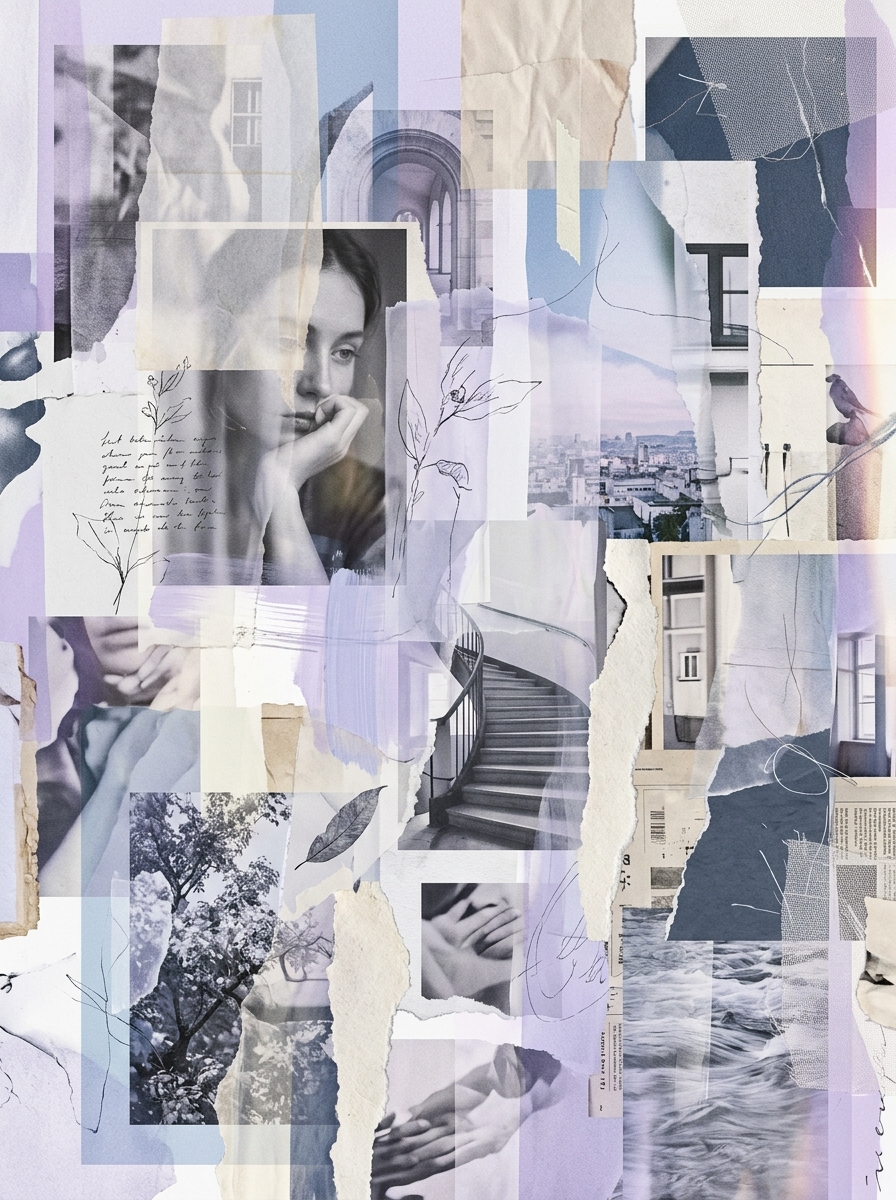
As my project develops, I am also interested in using collage as a way of visually representing the fragmented and layered nature of dreams. Collage allows different images, textures and moments to be combined into a single composition, echoing the way dreams recombine memory fragments into new scenarios. By cutting, layering and rearranging photographs, I can create images that feel disjointed yet meaningful, reflecting the surreal logic of dreams. This technique gives me another way to move away from straightforward realism and towards more imaginative and symbolic imagery.
SLIDE 16 — COLLAGE ARTISTS
Collage Artists
Hannah Höch
Dada collages combining fragmented figures and objects to challenge identity and reality, creating images that feel chaotic and dreamlike.
John Stezaker
Found photographs combining faces and landscapes in unexpected ways, creating unsettling yet poetic juxtapositions.
David Hockney
Photographic 'joiners' reconstructing scenes from multiple viewpoints, breaking linear perspective and suggesting how memory and perception overlap.
Each artist shows how collage can disrupt normal ways of seeing and create new, dreamlike interpretations of reality.
SLIDE 17 — RESEARCH LINKS
Research Links
A curated selection of research sources exploring photography, art and creative practice.
creativeboom.com
itsnicethat.com
butdoesitfloat.com
dazeddigital.com
blog.ted.com
artsandculture.google.com
tate.org.uk/art
moma.org
centrepompidou.fr
saatchigallery.com
aestheticamagazine.com
artuk.org
designboom.com
yatzer.com
inhabitat.com
- photography
- surrealism
- dream-analysis
- art-history
- fine-art-photography
- creative-process
- collage