
Made byBobr AI

Empowerment of Habesha Jewelry Through History

Explore how African and Habesha jewelry serves as a symbol of identity, power, and heritage in this cultural branding and capstone research project.

#jewelry-history#african-heritage#habesha-culture#cultural-branding#fashion-business#capstone-project#jewelry-design
Watch
Pitch

EMPOWERMENT OF JEWELRY

THROUGH HISTORY

A Capstone Presentation by Eli Gilbert

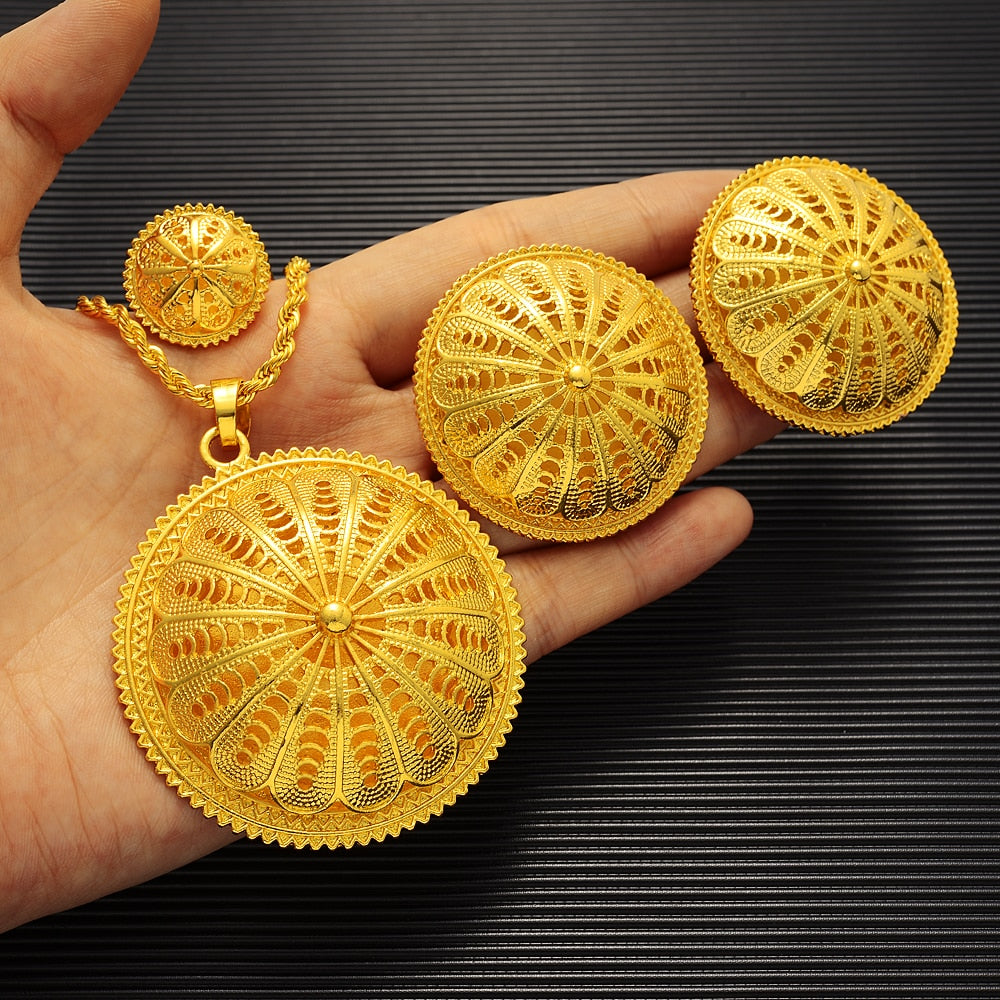
Habesha Traditional Gold Jewelry
Made byBobr AI

ABOUT ME

  • Eli Gilbert — Jewelry Brand Founder
  • Inspired by African jewelry & Habesha cultural roots
  • Drawn to gold & silver from a young age
  • Values meaning and tradition behind each piece
  • Skills in branding, product development & fashion business
  • Plans to grow a jewelry brand honoring cultural heritage
"

What started as something personal turned into a way to build something real.

"
Habesha Traditional Gold Jewelry
Made byBobr AI

TOPIC & RESEARCH QUESTION

The Topic

Empowerment of Jewelry Through History — exploring how African and Habesha jewelry has served as a symbol of identity, power, wealth, spirituality, and cultural pride across centuries.

Research Question

How has jewelry functioned as a tool of cultural empowerment and identity for African communities throughout history — and how can that legacy be honored in a modern jewelry brand?

Thesis

Jewelry is not merely decorative — it is a living language of heritage, status, and self-determination that connects past generations to the present.

Made byBobr AI

USER RESEARCH

Surveys

Customers value cultural meaning over pure aesthetics — 78% prefer jewelry with a story or heritage connection.

Interviews

Diaspora communities feel disconnected from their cultural jewelry traditions — there's a strong desire for authentic, accessible pieces.

Literary Review

Historical records show African jewelry served as currency, protection, social rank, and spiritual power across civilizations.

KEY INSIGHTS

There is an underserved market for culturally authentic African jewelry in the modern fashion space.

Consumers seek brands that educate and connect — not just sell products.

Made byBobr AI

MAJOR CAUSES & SOLUTIONS

Major Causes

Cultural Erasure

Colonialism and globalization disrupted the transmission of African jewelry traditions and their meanings.

Lack of Representation

African-inspired jewelry is often appropriated or mass-produced without cultural context or community credit.

Accessibility Gap

Authentic culturally-rooted African jewelry is often expensive, hard to find, or poorly explained to diaspora communities.

Solutions & Opportunities

Education-First Branding

Build a brand that tells the story of each piece — its cultural origin and significance.

Ethical Sourcing & Authenticity

Use authentic materials and designs rooted in Habesha and African traditions.

Modern Accessibility

Bring culturally meaningful jewelry to young diaspora consumers through modern platforms and storytelling.

Made byBobr AI

PRODUCT DEVELOPMENT

Initial Ideas & Brainstorming

Initial Ideas

A jewelry line celebrating Habesha cross pendants (Meskel cross)
Gold and silver filigree earrings inspired by Ethiopian crown patterns
Layered necklaces referencing ancient Aksumite adornment styles
Stackable bangles with symbolic engravings
Inspiration Reference

Iteration Process

Each design went through multiple rounds of sketching, peer feedback, and cultural review to ensure authenticity and wearability.

How Feedback Shaped Direction

Focus groups revealed customers wanted pieces that could be worn daily — not just for special occasions. This led to lighter, more versatile designs without losing cultural identity.

Made byBobr AI

Brand Development

Brand Strategy

Mission: To celebrate and preserve African jewelry traditions by creating culturally authentic, story-driven pieces for the modern world.

Vision: A world where cultural heritage is worn with pride and passed down through generations.

Values: Authenticity · Heritage · Quality · Community · Empowerment

Target Audience

  • African diaspora ages 18–35
  • Culture-conscious fashion consumers
  • People seeking meaningful, story-rich accessories
  • Those wanting to connect with or celebrate African heritage
  • Gift-buyers looking for culturally significant pieces

Brand Positioning

  • Positioned at the intersection of cultural heritage and modern fashion
  • Premium but accessible price point
  • Differentiator: Every piece comes with its cultural story and origin
  • Tone: Warm, proud, educational, empowering

Brand Name: ELI — Jewelry rooted in history, worn in the present.

Made byBobr AI

THE FINAL PRODUCT

A Culturally-Rooted Modern Jewelry Brand

Overview

ELI Jewelry — a brand that fuses Habesha and African jewelry traditions with contemporary wearability. Each collection tells a story rooted in real history.

Key Features & Functionality

  • Gold and silver filigree pieces inspired by Aksumite and Ethiopian royal designs
  • Meskel cross pendants, tilet (Ethiopian pattern) bangles, layered statement necklaces
  • Each piece includes a cultural story card explaining its origin and meaning
  • Available as everyday wear and ceremonial/special occasion pieces

Materials & Design Choices

  • Gold-plated and sterling silver metals
  • Handcrafted detailing honoring traditional Habesha filigree techniques
  • Ethically sourced materials with quality-first production

How It Solves the Problem

  • Fills the gap for authentic, accessible African heritage jewelry
  • Educates wearers and reconnects diaspora communities to their roots
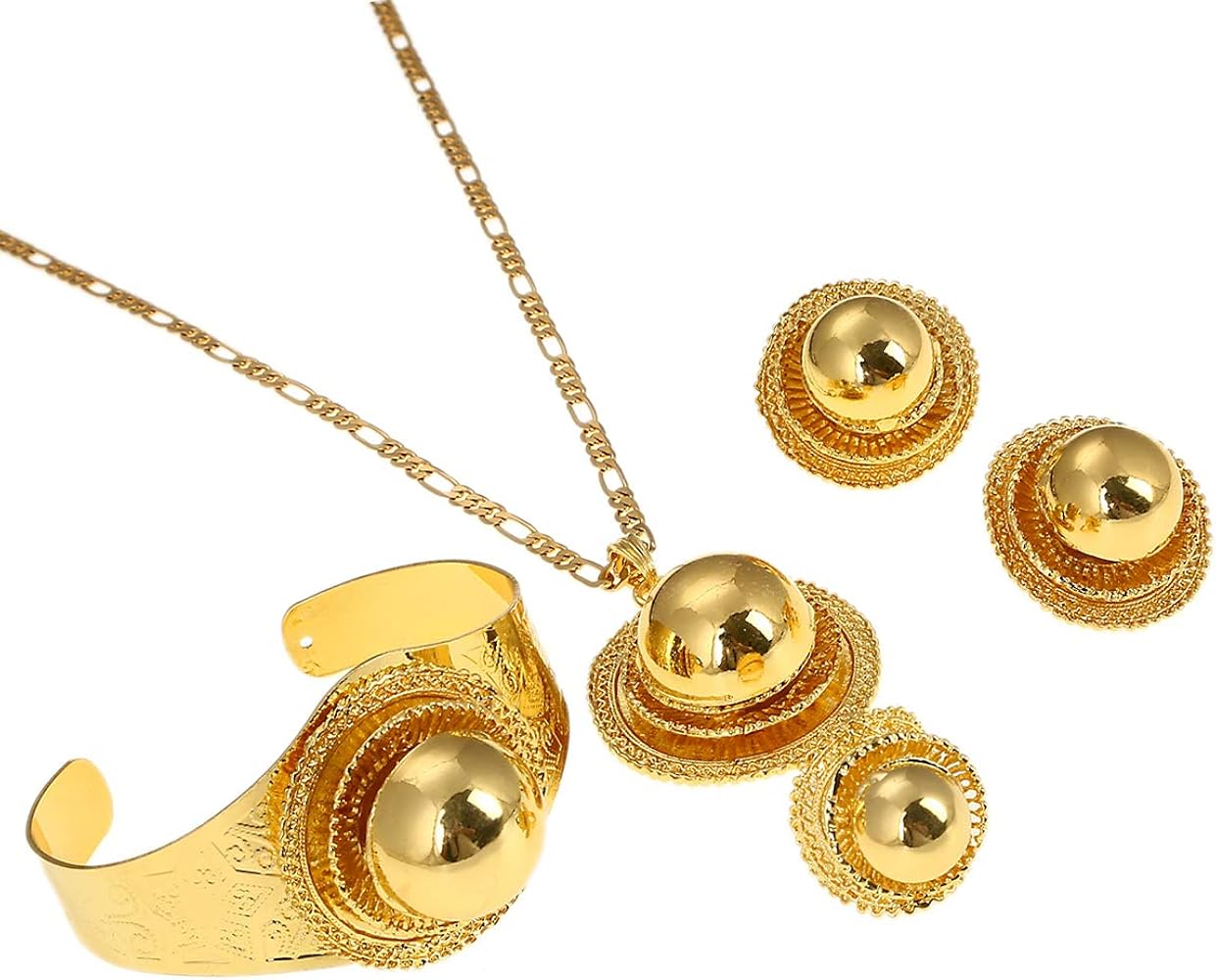
Habesha Traditional Gold Jewelry Set
Made byBobr AI

CONCLUSION & REFLECTION

Project Summary

This capstone explored how jewelry has served as a powerful tool of empowerment, identity, and cultural memory for African and Habesha communities throughout history — and how that legacy can be honored through a modern brand.

What I Learned

  • Jewelry is a form of living cultural documentation
  • Brand-building requires deep research and authentic storytelling
  • The fashion industry has room for more culturally-rooted voices
  • Connecting heritage to business creates something meaningful and lasting

Skills Developed

  • Branding & brand strategy development
  • Market research & user interviews
  • Product design and iteration
  • Cultural research and literary review
  • Presentation and public speaking
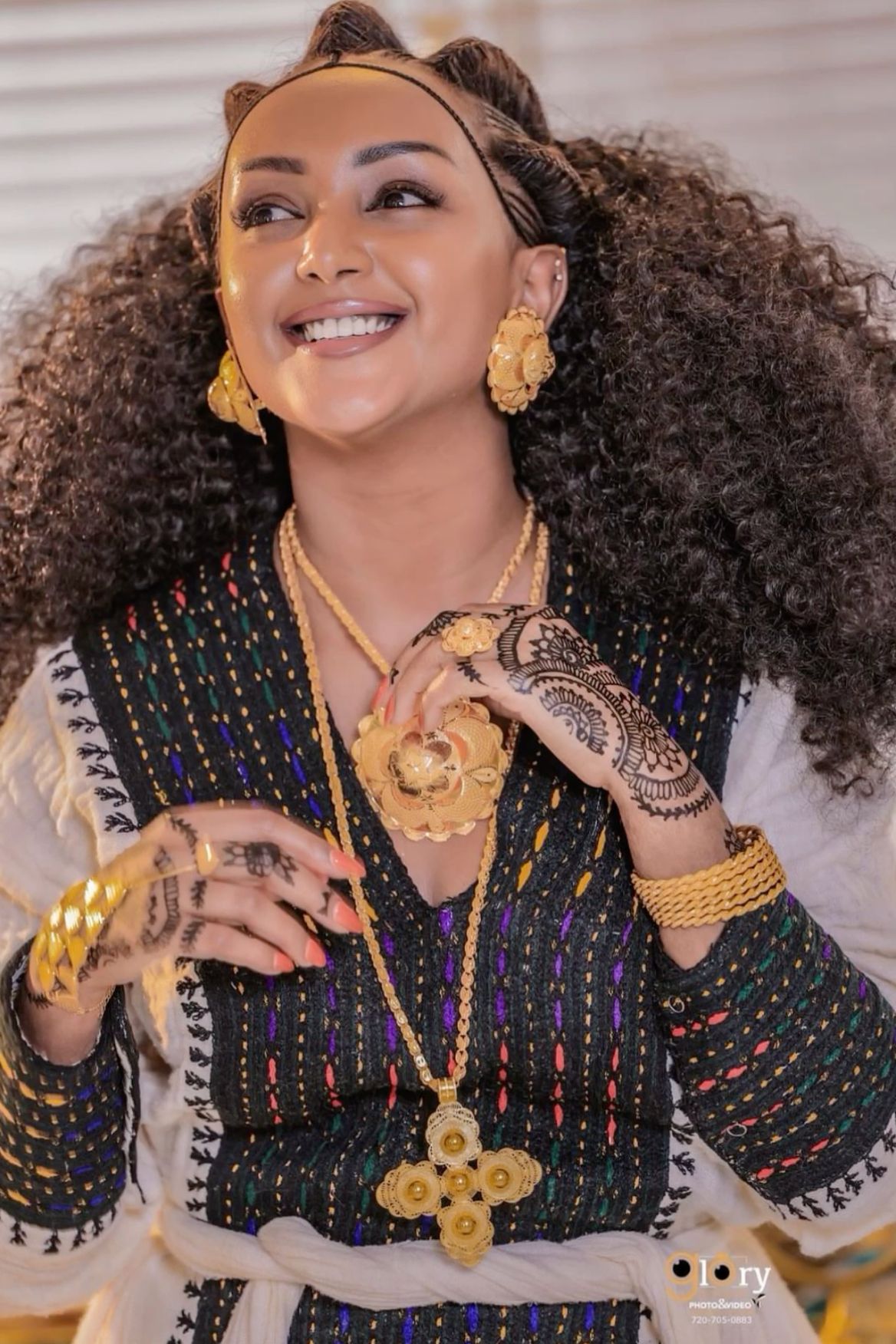
Habesha Heritage Jewelry

"Every piece of jewelry carries a voice. I chose to listen."

Made byBobr AI

THANK YOU

Q&A

Questions & Feedback Welcome

I'd love to hear your thoughts, questions, and feedback about the ELI jewelry brand and this research journey.

Connect with Eli
Share Your Feedback
Celebrate Culture
Empowerment of Jewelry Through History — Capstone Presentation by Eli Gilbert, 2026
Made byBobr AI
Bobr AI

DESIGNER-MADE
PRESENTATION,
GENERATED FROM
YOUR PROMPT

Create your own professional slide deck with real images, data charts, and unique design in under a minute.

Generate For Free

Empowerment of Habesha Jewelry Through History

Explore how African and Habesha jewelry serves as a symbol of identity, power, and heritage in this cultural branding and capstone research project.

EMPOWERMENT OF JEWELRY

THROUGH HISTORY

A Capstone Presentation by Eli Gilbert

ABOUT ME

Eli Gilbert — Jewelry Brand Founder

Inspired by African jewelry & Habesha cultural roots

Drawn to gold & silver from a young age

Values meaning and tradition behind each piece

Skills in branding, product development & fashion business

Plans to grow a jewelry brand honoring cultural heritage

What started as something personal turned into a way to build something real.

TOPIC & RESEARCH QUESTION

The Topic

Empowerment of Jewelry Through History — exploring how African and Habesha jewelry has served as a symbol of identity, power, wealth, spirituality, and cultural pride across centuries.

Research Question

How has jewelry functioned as a tool of cultural empowerment and identity for African communities throughout history — and how can that legacy be honored in a modern jewelry brand?

Thesis

Jewelry is not merely decorative — it is a living language of heritage, status, and self-determination that connects past generations to the present.

USER RESEARCH

Surveys

Customers value cultural meaning over pure aesthetics — 78% prefer jewelry with a story or heritage connection.

Interviews

Diaspora communities feel disconnected from their cultural jewelry traditions — there's a strong desire for authentic, accessible pieces.

Literary Review

Historical records show African jewelry served as currency, protection, social rank, and spiritual power across civilizations.

KEY INSIGHTS

There is an underserved market for culturally authentic African jewelry in the modern fashion space.

Consumers seek brands that educate and connect — not just sell products.

MAJOR CAUSES & SOLUTIONS

Cultural Erasure

Colonialism and globalization disrupted the transmission of African jewelry traditions and their meanings.

Lack of Representation

African-inspired jewelry is often appropriated or mass-produced without cultural context or community credit.

Accessibility Gap

Authentic culturally-rooted African jewelry is often expensive, hard to find, or poorly explained to diaspora communities.

Education-First Branding

Build a brand that tells the story of each piece — its cultural origin and significance.

Ethical Sourcing & Authenticity

Use authentic materials and designs rooted in Habesha and African traditions.

Modern Accessibility

Bring culturally meaningful jewelry to young diaspora consumers through modern platforms and storytelling.

PRODUCT DEVELOPMENT

Initial Ideas & Brainstorming

Brand Development

Brand Strategy

Target Audience

Brand Positioning

Brand Name: ELI — Jewelry rooted in history, worn in the present.

THE FINAL PRODUCT

A Culturally-Rooted Modern Jewelry Brand

Overview

ELI Jewelry — a brand that fuses Habesha and African jewelry traditions with contemporary wearability. Each collection tells a story rooted in real history.

Key Features & Functionality

Gold and silver filigree pieces inspired by Aksumite and Ethiopian royal designs

Meskel cross pendants, tilet (Ethiopian pattern) bangles, layered statement necklaces

Each piece includes a cultural story card explaining its origin and meaning

Available as everyday wear and ceremonial/special occasion pieces

Materials & Design Choices

Gold-plated and sterling silver metals

Handcrafted detailing honoring traditional Habesha filigree techniques

Ethically sourced materials with quality-first production

How It Solves the Problem

Fills the gap for authentic, accessible African heritage jewelry

Educates wearers and reconnects diaspora communities to their roots

CONCLUSION & REFLECTION

Project Summary

This capstone explored how jewelry has served as a powerful tool of empowerment, identity, and cultural memory for African and Habesha communities throughout history — and how that legacy can be honored through a modern brand.

What I Learned

Jewelry is a form of living cultural documentation

Brand-building requires deep research and authentic storytelling

The fashion industry has room for more culturally-rooted voices

Connecting heritage to business creates something meaningful and lasting

Skills Developed

Branding & brand strategy development

Market research & user interviews

Product design and iteration

Cultural research and literary review

Presentation and public speaking

Every piece of jewelry carries a voice. I chose to listen.

THANK YOU

Q&A

Questions & Feedback Welcome

I'd love to hear your thoughts, questions, and feedback about the ELI jewelry brand and this research journey.

Connect with Eli

Share Your Feedback

Celebrate Culture

Empowerment of Jewelry Through History — Capstone Presentation by Eli Gilbert, 2026

  • jewelry-history
  • african-heritage
  • habesha-culture
  • cultural-branding
  • fashion-business
  • capstone-project
  • jewelry-design