





Made byBobr AI

How GPS Works: A Guide to Global Positioning Systems

Discover how GPS calculates location using satellites and trilateration, its history, daily applications, and tips for better accuracy.

#gps#navigation#satellite-technology#trilateration#geospatial#how-it-works
Watch
Pitch

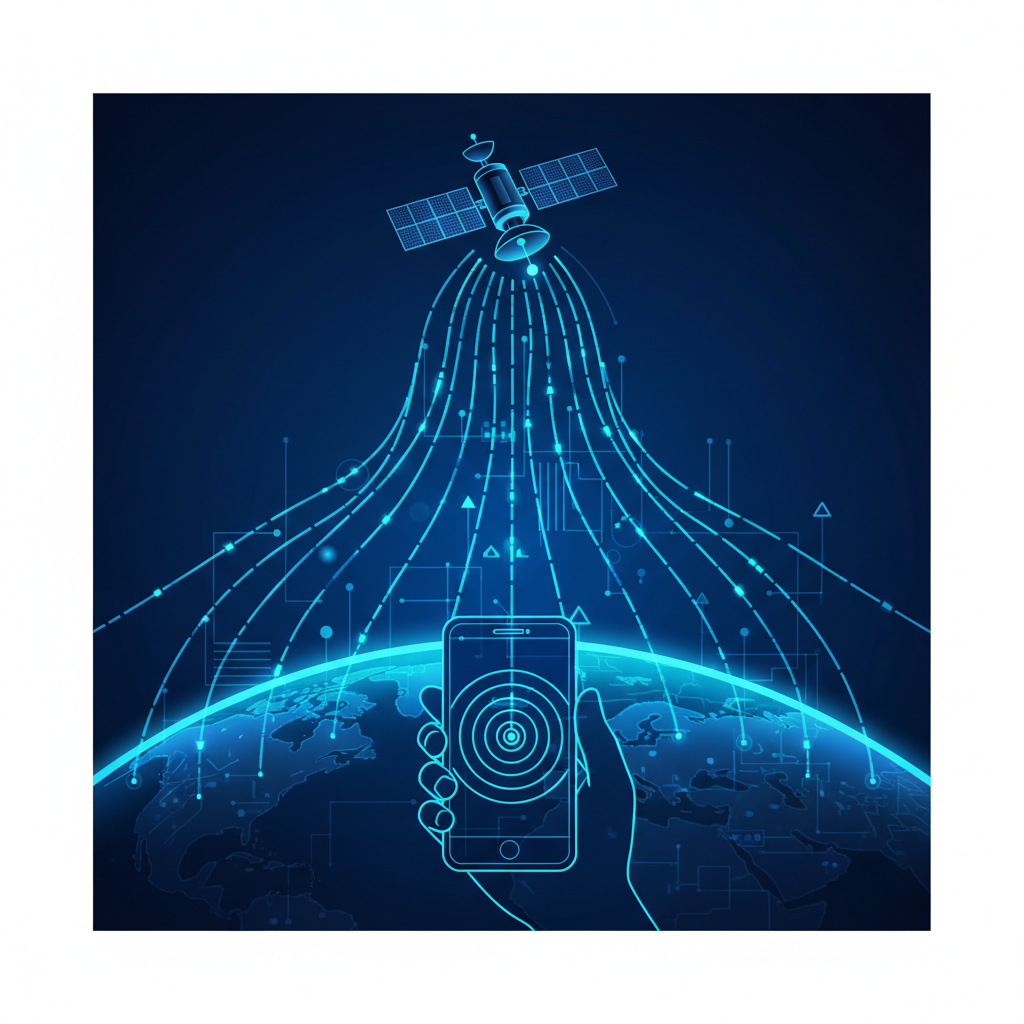
How Does Your Phone Know Where You Are?

Unlocking the Secrets of the Global Positioning System

Made byBobr AI

Objectives for Today

By the end of this presentation, we will answer the main question: how does GPS calculate the exact position of a device?

  • Understand what GPS is and its origins
  • Learn the mechanics of how the technology works
  • Understand its critical importance in everyday life
Made byBobr AI

Introduction to GPS

GPS stands for Global Positioning System. It is the backbone of modern connectivity and data-driven technologies. Originally developed as a military tool, it is now a fundamental utility for civil life, allowing any compatible receiver to determine its precise location via satellite navigation.

Made byBobr AI

Who Uses GPS?

Smartphones & Personal Devices
Automotive Navigation
Aviation & Logistics
Delivery & Location Services
Made byBobr AI

How GPS Works

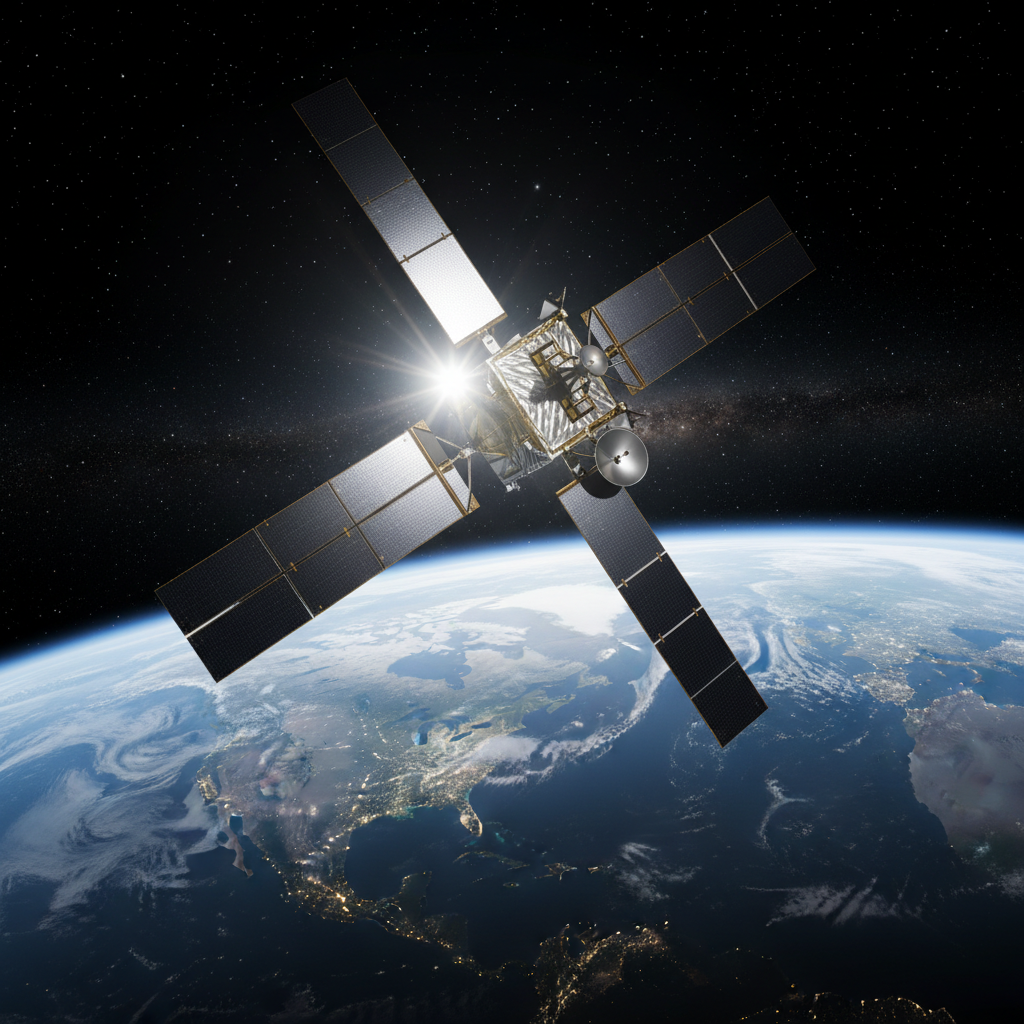
The process begins in space. Satellites constantly emit signals containing precise time and location data. GPS receivers, such as the chip in your phone, listen for these signals. The device measures exactly how long it takes for a signal to travel from the satellite to Earth, establishing a radius of distance.

Made byBobr AI

Trilateration

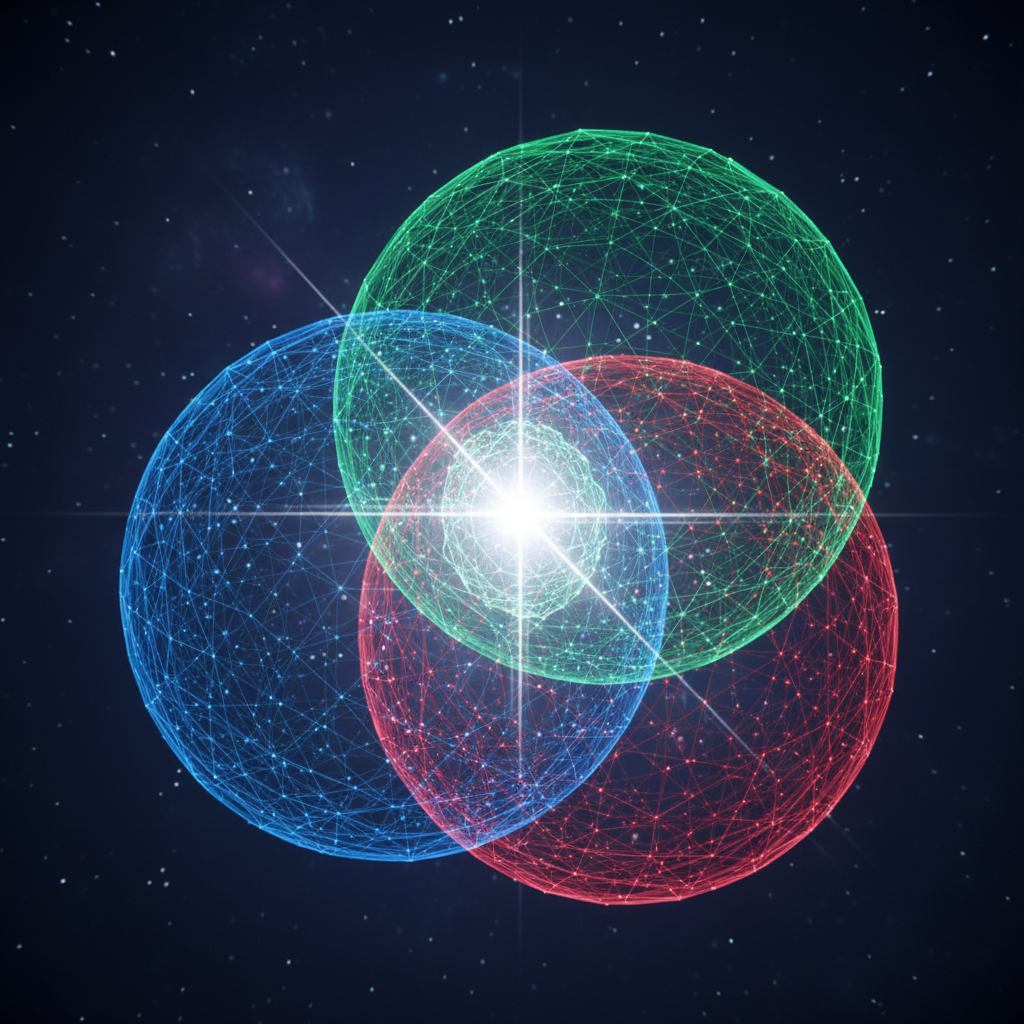
The core calculation is called trilateration. By calculating the distance to a single satellite, we know we are somewhere on a sphere around it. By intersecting the spheres of at least 4 satellites, the receiver can pinpoint its exact 3D position (latitude, longitude, and altitude).

Requirement: Minimum 4 satellites needed for accurate fixes.

Made byBobr AI

Accuracy & Lifehacks

  • Open areas provide better signals than tunnels or dense city canyons.
  • Heavy rain or thick clouds can slightly disrupt signal timing.
  • Tip: Always enable 'High Accuracy' mode in settings.
  • Restarting GPS can clear old satellite data and lock on faster.
Made byBobr AI

Benefits & Limitations

Benefits

  • High Speed
  • Pinpoint Accuracy
  • Global Coverage

Limitations

  • Poor Indoor Performance
  • Dependency on Signal Quality
Made byBobr AI

Critical Applications: Rescue & Wildlife

GPS is a lifesaver. It helps rescuers locate people in remote mountains, forests, or at sea via SOS signals. Additionally, researchers use GPS trackers to monitor wildlife migration patterns, collecting crucial data to protect endangered species.

Made byBobr AI

Task & Conclusion

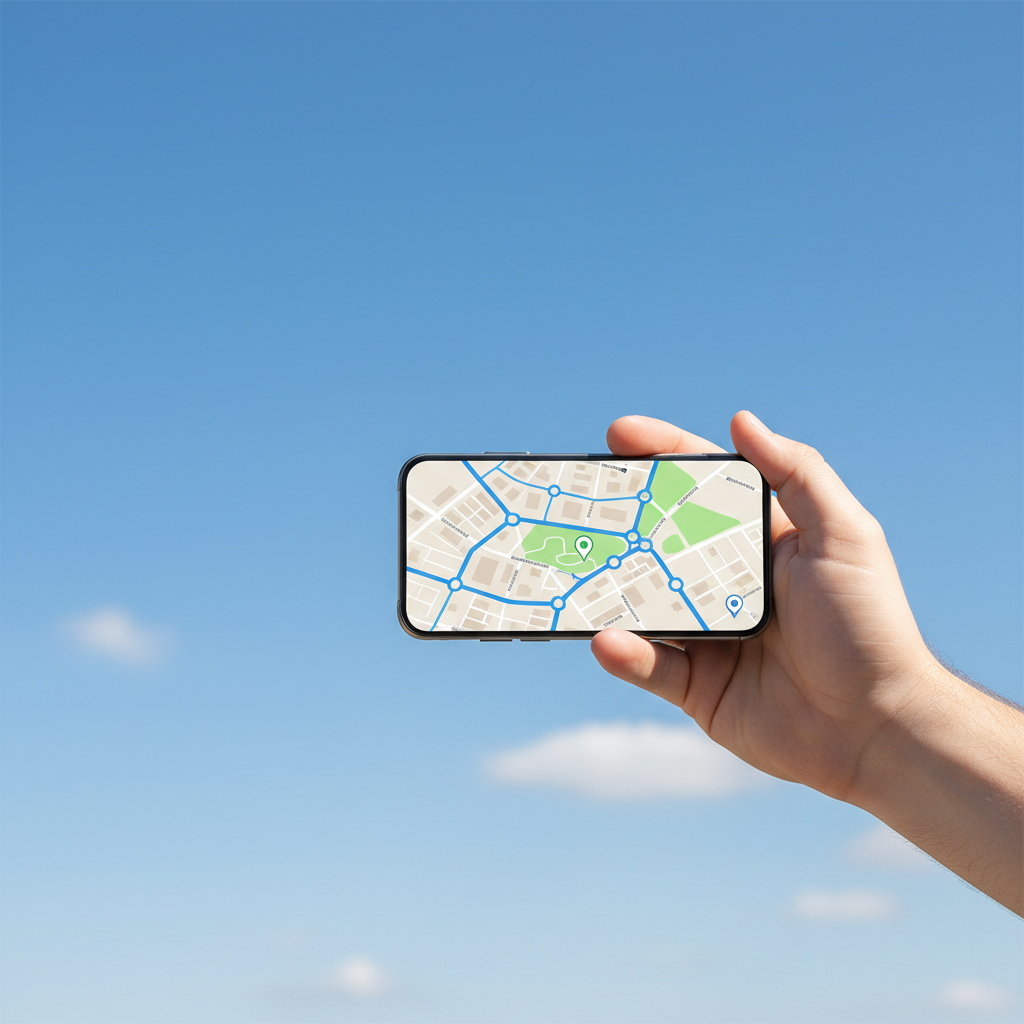
Task: Open your GPS app now. How accurate is the blue dot?

GPS is an invisible but vital technology that helps us navigate our world every day. Thank you for your attention!

Made byBobr AI
Bobr AI

DESIGNER-MADE
PRESENTATION,
GENERATED FROM
YOUR PROMPT

Create your own professional slide deck with real images, data charts, and unique design in under a minute.

Generate For Free

How GPS Works: A Guide to Global Positioning Systems

Discover how GPS calculates location using satellites and trilateration, its history, daily applications, and tips for better accuracy.

How Does Your Phone Know Where You Are?

Unlocking the Secrets of the Global Positioning System

Objectives for Today

By the end of this presentation, we will answer the main question: how does GPS calculate the exact position of a device?

Understand what GPS is and its origins

Learn the mechanics of how the technology works

Understand its critical importance in everyday life

Introduction to GPS

GPS stands for Global Positioning System. It is the backbone of modern connectivity and data-driven technologies. Originally developed as a military tool, it is now a fundamental utility for civil life, allowing any compatible receiver to determine its precise location via satellite navigation.

Who Uses GPS?

Smartphones & Personal Devices

Automotive Navigation

Aviation & Logistics

Delivery & Location Services

How GPS Works

The process begins in space. Satellites constantly emit signals containing precise time and location data. GPS receivers, such as the chip in your phone, listen for these signals. The device measures exactly how long it takes for a signal to travel from the satellite to Earth, establishing a radius of distance.

Trilateration

The core calculation is called trilateration. By calculating the distance to a single satellite, we know we are somewhere on a sphere around it. By intersecting the spheres of at least 4 satellites, the receiver can pinpoint its exact 3D position (latitude, longitude, and altitude).

Accuracy & Lifehacks

Open areas provide better signals than tunnels or dense city canyons.

Heavy rain or thick clouds can slightly disrupt signal timing.

Tip: Always enable 'High Accuracy' mode in settings.

Restarting GPS can clear old satellite data and lock on faster.

Benefits & Limitations

Benefits

Limitations

High Speed

Pinpoint Accuracy

Global Coverage

Poor Indoor Performance

Dependency on Signal Quality

Critical Applications: Rescue & Wildlife

GPS is a lifesaver. It helps rescuers locate people in remote mountains, forests, or at sea via SOS signals. Additionally, researchers use GPS trackers to monitor wildlife migration patterns, collecting crucial data to protect endangered species.

Task & Conclusion

Task: Open your GPS app now. How accurate is the blue dot?

GPS is an invisible but vital technology that helps us navigate our world every day. Thank you for your attention!

  • gps
  • navigation
  • satellite-technology
  • trilateration
  • geospatial
  • how-it-works